The best city hikes and walks around De Maasduinen National Park
4.7
(5728)
21,346
hikers
71
hikes
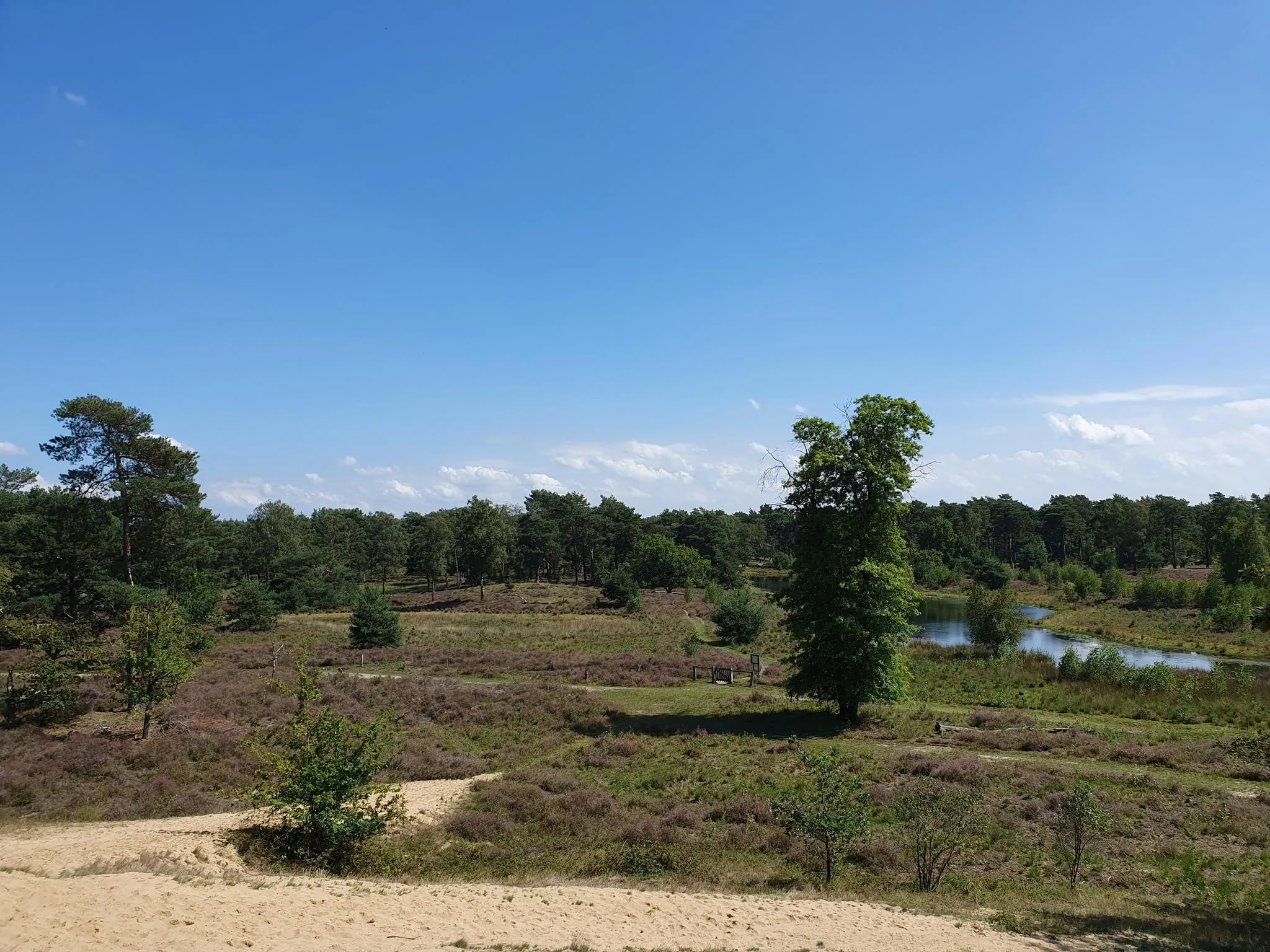
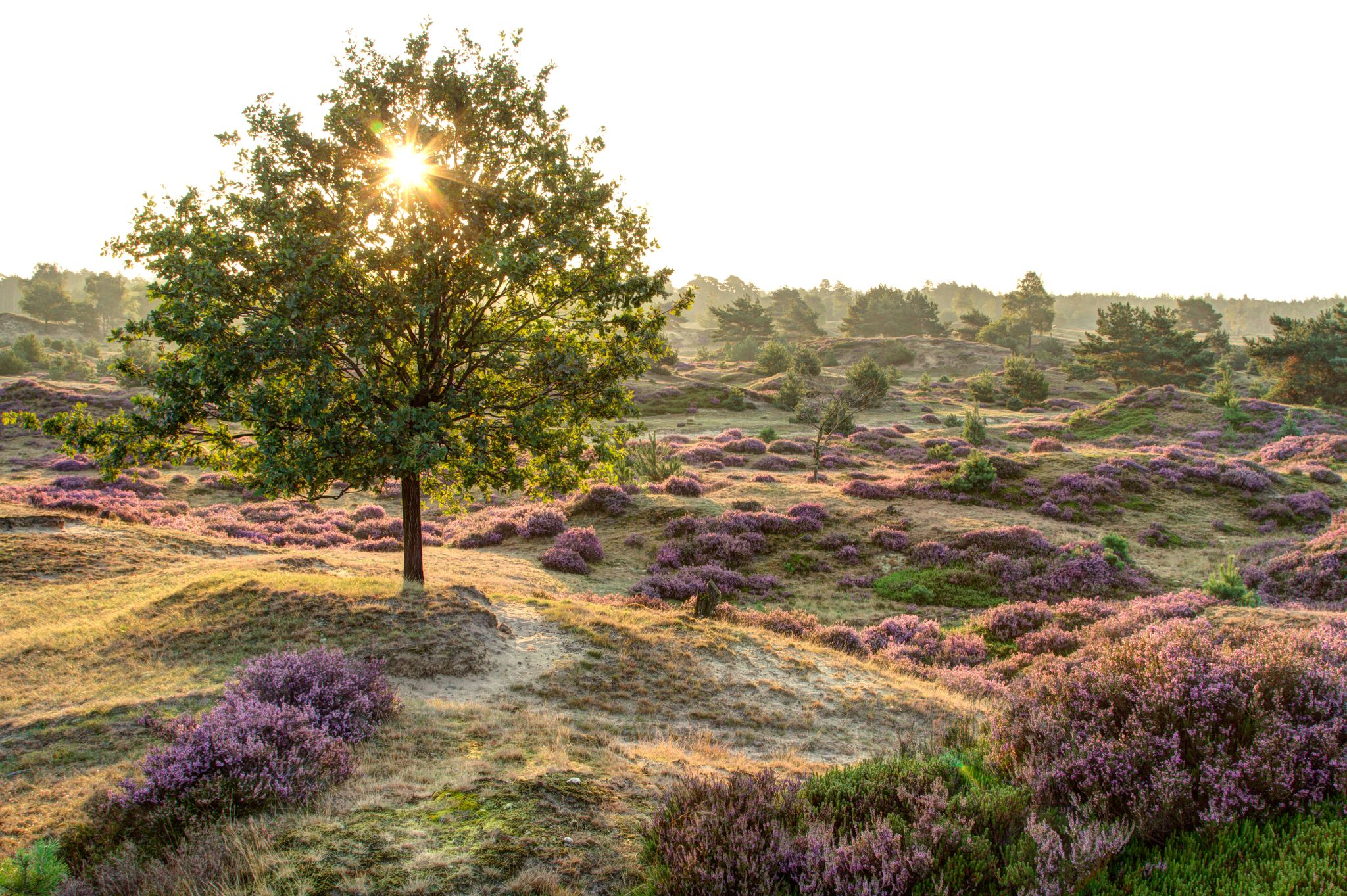
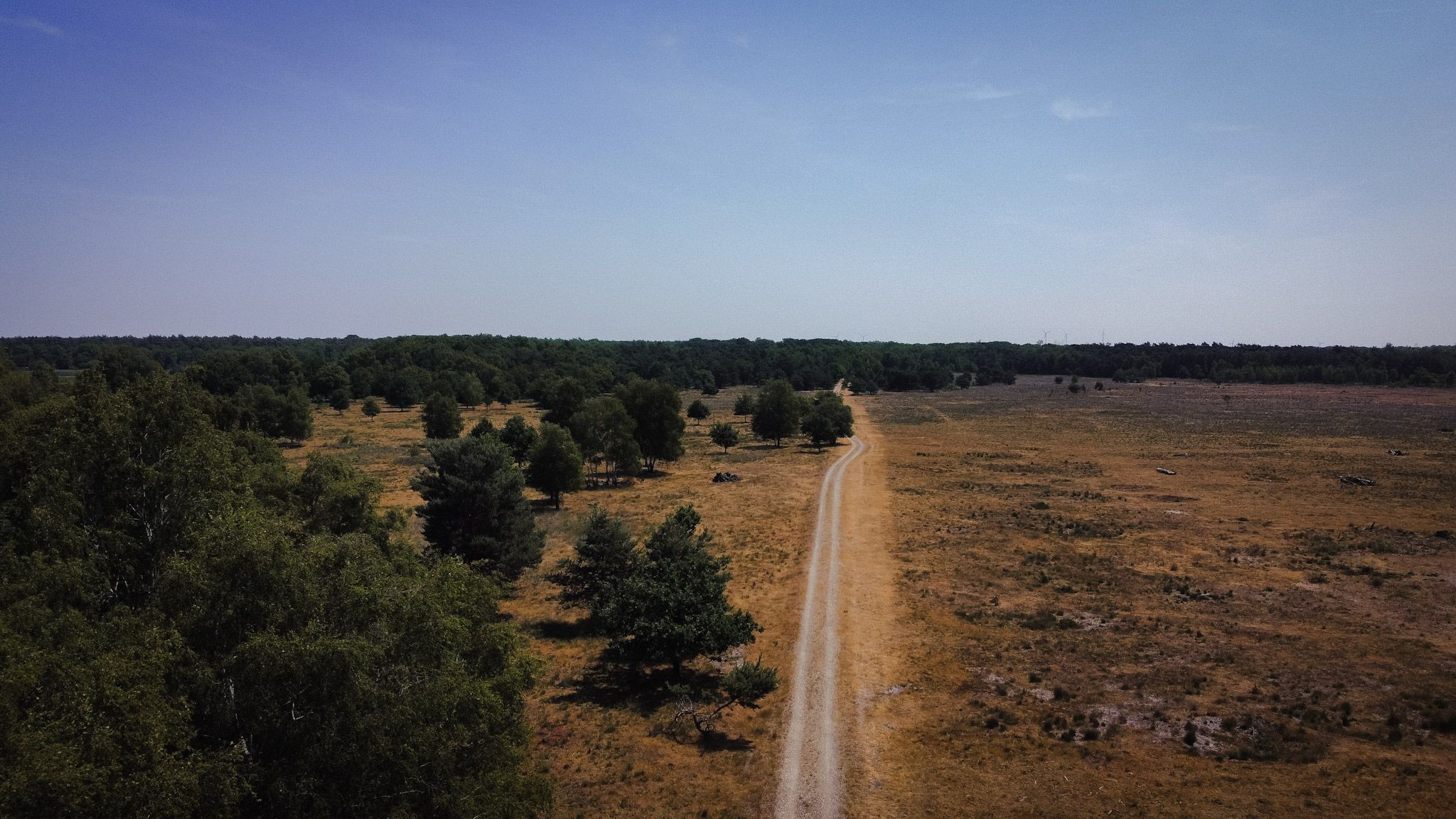
Urban hiking trails around De Maasduinen National Park traverse a landscape shaped by wind, water, and historical human influence. The region is characterized by the longest river dune belt in the Netherlands, extensive heathlands, and diverse mixed forests. Interspersed fens, small lakes like the Reindersmeer, and peat bogs add to the varied terrain. This unique topography provides a range of environments for urban exploration on foot.
Best urban hiking trails around De Maasduinen National Park
- The most popular urban hiking…
Last updated: August 23, 2026
6
hikers
12.8km
03:13
20m
20m
Moderate hike. Good fitness required. Easily-accessible paths. Suitable for all skill levels.
4
hikers
3.82km
00:58
10m
10m
Easy hike. Great for any fitness level. Easily-accessible paths. Suitable for all skill levels.

Sign up for free
4
hikers
3.63km
00:55
10m
0m
Easy hike. Great for any fitness level. Easily-accessible paths. Suitable for all skill levels.
7
hikers
3.47km
00:52
0m
0m
Easy hike. Great for any fitness level. Easily-accessible paths. Suitable for all skill levels.
2
hikers
4.51km
01:09
10m
10m
Easy hike. Great for any fitness level. Easily-accessible paths. Suitable for all skill levels.
Get access to more routes and recommendations from other explorers.
Sign up for free
Already have an account?
Our route recommendations are based on thousands of hikes, rides, and runs completed by other people on komoot.
Start today with a free account
Your next adventure awaits.
Login or Signup
Other adventures around De Maasduinen National Park


Tips from the Community

The Nepomuk Chapel dates from 1737 and was intended to replace the chapel inside the castle. The Carmelites held their masses here, which was prohibited from 1795 onwards. In 1973, the chapel was restored and placed under state monument protection. Since 1986, the chapel has been the seat of the Historische Vereniging Nepomuk Boxmeer.
10
0

The station, which is located on the Maaslijn, was opened in 1883. The white station building of the Hemmen type was built in 1882. The architect is M.A. van Wadenoyen, who also designed Venray station. Boxmeer station is an asymmetrical building, the high part of which is furnished as a residence. The entrance doors to the mini-supermarket (incidentally without ticket sales), are located in the middle of the facade. The station also serves as inspiration for the Dutch station in the Japanese Huis Ten Bosch.
1
0

The artwork is located in the middle of the roundabout, in the middle of the center of Boxmeer. The artwork was placed in 2011 during the construction of the roundabout
1
0
The St Rochus Chapel (1500) is located at the roundabout in the centre of Boxmeer. In the chapel, a relic of Rochus is displayed on the altar. On the outside of the chapel, on the south-facing corner next to the entrance door, a second image of Rochus is placed with a dog next to him. The chapel is open during the day. Benches are placed against the chapel.
0
0
The tower of the Sint-Jan de Doperkerk is located on the Torebstraat in Sambeek and was built in 1486. In the years that followed it was demolished and rebuilt several times. In front of the tower is a square with a cafe where you can enjoy a drink/snack while viewing the tower. There are several cycling and walking routes around the tower.
1
0

The Duvelsklökske is a work of art that goes back to a 17th-century legend according to which the devil had stolen an unconsecrated bell from the Sambeek tower and dumped it in the Luneven swamp south of Boxmeer.
1
0
This is a diversion canal that ends in the Maas at Sambeek. The stream now follows a winding course, which a little later becomes rectilinear and angular again
1
0
Sambeek is a church village in the municipality of Land van Cuijk, in the Dutch province of North Brabant. On January 1, 2023, the village had 1,855 inhabitants, spread over 749 homes
0
0
Frequently Asked Questions
How many urban hiking trails are there around De Maasduinen National Park?
There are over 60 urban hiking trails available around De Maasduinen National Park. These routes offer a great way to explore the towns and villages bordering the park, providing a blend of local culture and natural beauty.
What is the typical difficulty of urban hikes in this region?
Most urban hikes around De Maasduinen National Park are rated as easy. Out of 62 available routes, 61 are considered easy, making them accessible for a wide range of hikers. There is also one moderate route for those looking for a slightly greater challenge.
Are there urban hiking trails suitable for families with children?
Yes, many of the urban trails are family-friendly due to their easy difficulty and shorter distances. For instance, the Boxmeer railway station – Boxmeer and more loop from Boxmeer is a great option, offering a pleasant walk through the town. The region also features playful elements like the Speelbos De Boskoel within the wider park area, which can be combined with urban explorations.
Can I bring my dog on urban hikes around De Maasduinen National Park?
While specific urban routes may have local regulations, many trails in the wider De Maasduinen area are dog-friendly, often requiring dogs to be on a leash. It's always best to check local signage or specific route details on komoot for the most accurate information regarding individual urban trails.
Are there circular urban walks available?
Yes, many urban hikes around De Maasduinen National Park are designed as circular routes, allowing you to start and end at the same point. Examples include the Boxmeer railway station loop from Boxmeer and the St. Antonius Church Kevelaer – Chapel of Grace, Kevelaer loop from Kevelaer, which are convenient for exploration.
What can I see along the urban hiking trails?
Urban trails often lead you through charming town centers and past local landmarks. You might also find yourself close to the natural beauty of the park. Highlights in the broader region include the beautiful Reindersmeer (Reinders Lake) and various viewpoints like the View of the Reindersmeer, which can often be incorporated into a longer day out.
Is public transport available to access urban walks?
Yes, several urban trails are accessible via public transport. For example, routes like the Boxmeer railway station – Boxmeer and more loop from Boxmeer start directly from Boxmeer railway station, making them convenient for those traveling without a car.
Where can I find parking for urban trails?
Parking is generally available in the towns and villages where urban trails begin. For routes starting in places like Boxmeer or Kevelaer, you'll typically find public parking facilities. It's advisable to check local parking information for specific starting points.
What is the best time of year for urban hikes in De Maasduinen?
Urban hikes in De Maasduinen National Park can be enjoyed year-round. However, late spring and early autumn offer particularly pleasant conditions with mild temperatures and beautiful scenery. The heathlands are especially striking with purple heather in late summer, providing a lovely backdrop to nearby urban areas.
Are there any cafes or refreshment stops along urban trails?
Given that these are urban trails, you'll often find cafes, restaurants, and shops within the towns and villages you pass through, especially in places like Kevelaer. The Visitor Center De Maasduinen, located by the Reindersmeer, also offers facilities and information, which can be a good stop if your urban route brings you close to the park's edge.
What do other hikers enjoy most about urban hiking in De Maasduinen National Park?
The komoot community highly rates the area, with an average score of 4.69 stars. Reviewers often praise the diverse landscapes, from river dunes to forests, and the well-maintained trails. For urban hikes, the blend of local charm with easy access to nature is frequently highlighted.
Are there any less crowded urban hiking options?
While popular towns might see more visitors, exploring some of the smaller villages or choosing routes slightly off the main tourist paths can offer a quieter experience. The sheer number of available routes (over 60) means there are always options to discover a peaceful urban stroll.
Are there any wheelchair-accessible urban hikes?
While specific wheelchair-accessible urban routes are not explicitly detailed, the generally flat terrain and easy difficulty of many urban trails suggest that some sections might be suitable. It is recommended to check individual route descriptions and local accessibility information for specific trails to ensure they meet accessibility requirements.
Most popular routes around De Maasduinen National Park
Most popular attractions around De Maasduinen National Park

Get inspired with the komoot mobile app


Explore more
Browse the best Hikes in other regions.
