The best city hikes and walks around Dwingelderveld National Park
4.5
(4213)
24,158
hikers
58
hikes
Urban hiking trails around Dwingelderveld National Park offer a blend of natural and developed landscapes, characterized by heathlands, forests, and cultural sites. The region features varied terrain, including wet heathlands, dry sandy hills, and areas of pine and oak forests. Lower-lying gullies contrast with higher sand ridges, supporting diverse plant and animal life. The park is known for its extensive network of paths suitable for various skill levels.
Best urban hiking trails around Dwingelderveld National Park
- The most popular urban…
Last updated: July 13, 2026
6
hikers
3.71km
00:56
10m
10m
Easy hike. Great for any fitness level. Easily-accessible paths. Suitable for all skill levels.
5
hikers
3.10km
00:47
10m
10m
Easy hike. Great for any fitness level. Easily-accessible paths. Suitable for all skill levels.

Sign up for free
4
hikers
Easy hike. Great for any fitness level. Easily-accessible paths. Suitable for all skill levels.
5.0
(1)
9
hikers
Easy hike. Great for any fitness level. Easily-accessible paths. Suitable for all skill levels.
6
hikers
Easy hike. Great for any fitness level. Easily-accessible paths. Suitable for all skill levels.
Get access to more routes and recommendations from other explorers.
Sign up for free
Already have an account?
Our route recommendations are based on thousands of hikes, rides, and runs completed by other people on komoot.
Start today with a free account
Your next adventure awaits.
Login or Signup
Popular around Dwingelderveld National Park
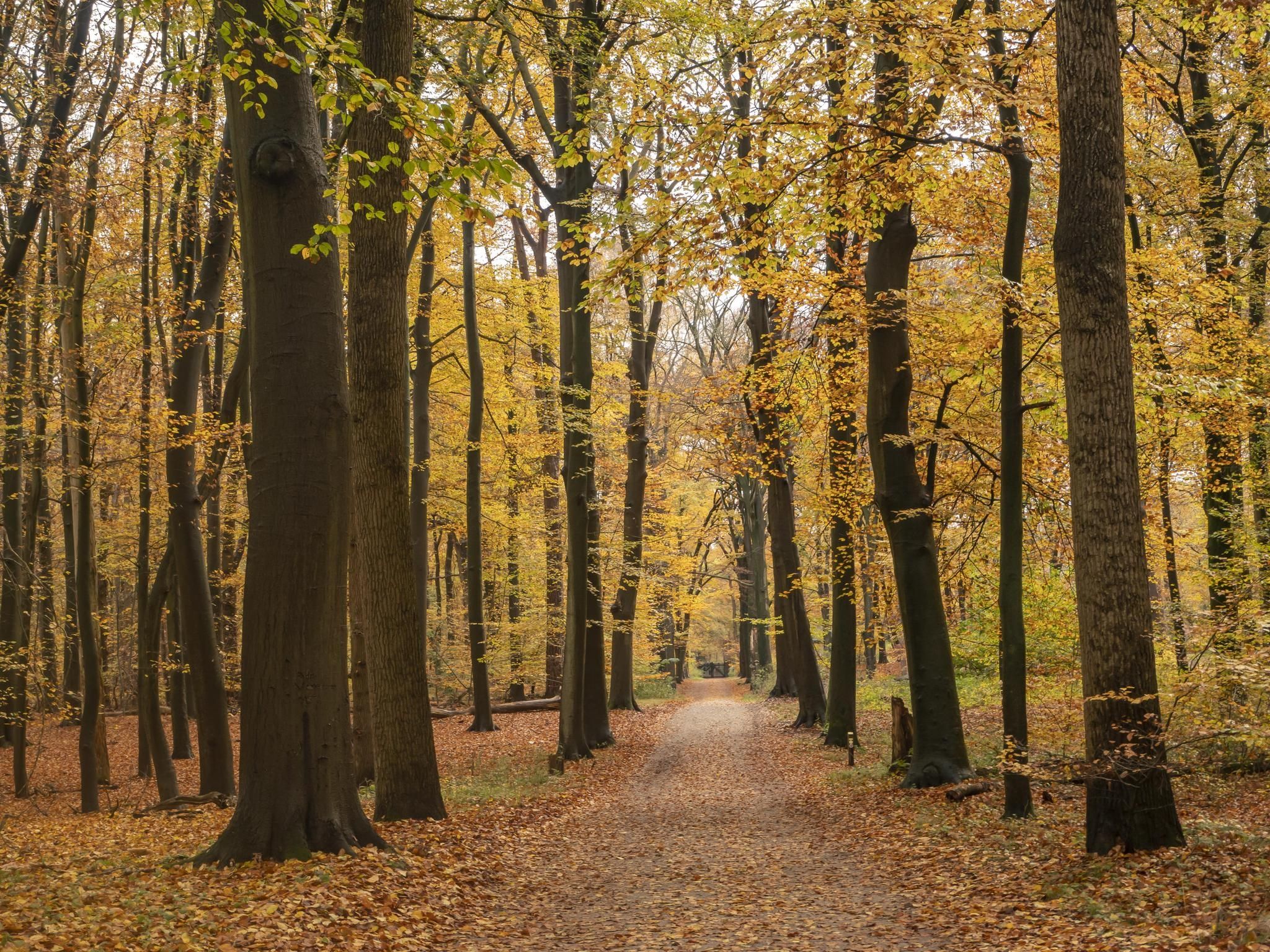
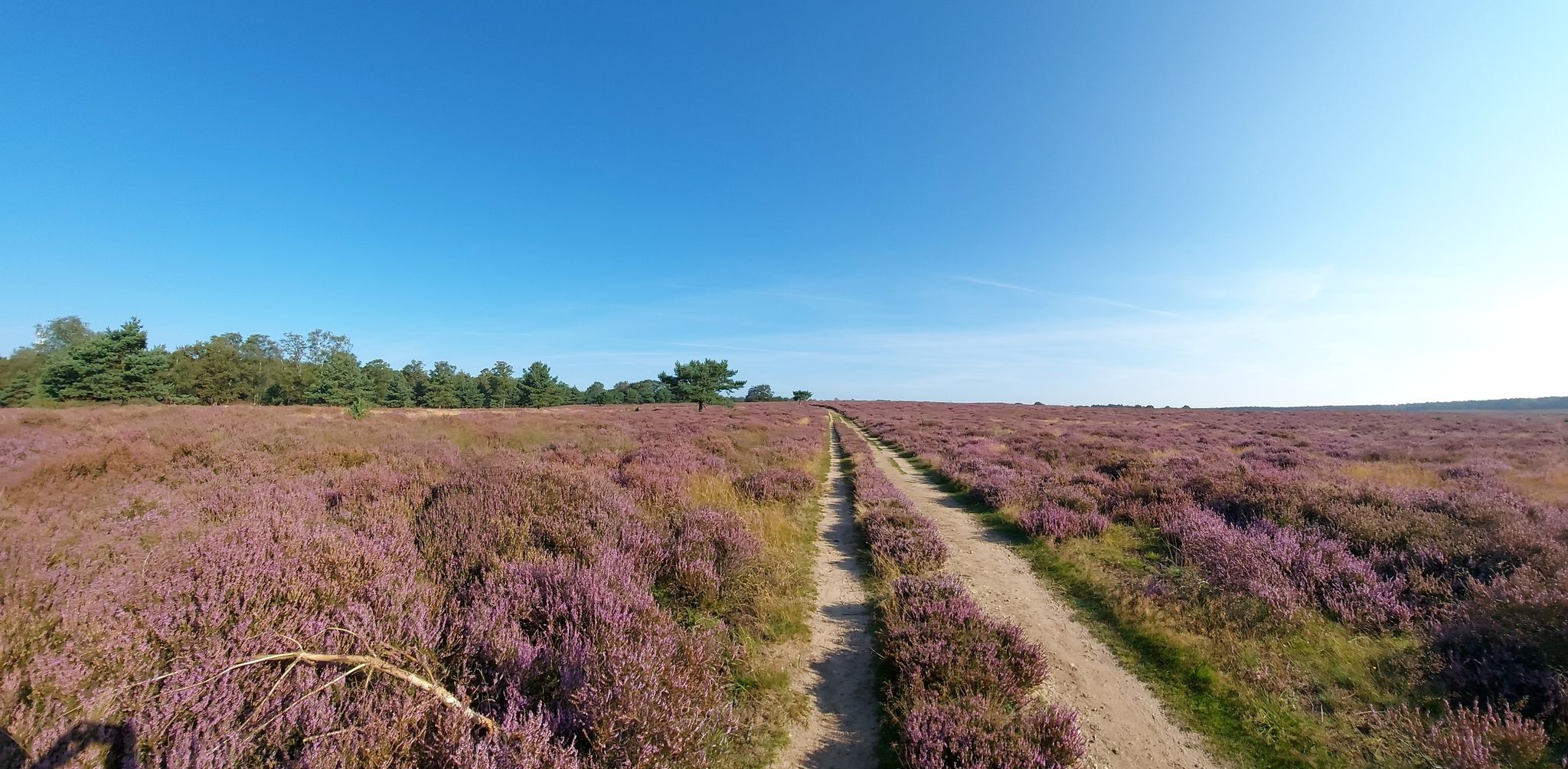
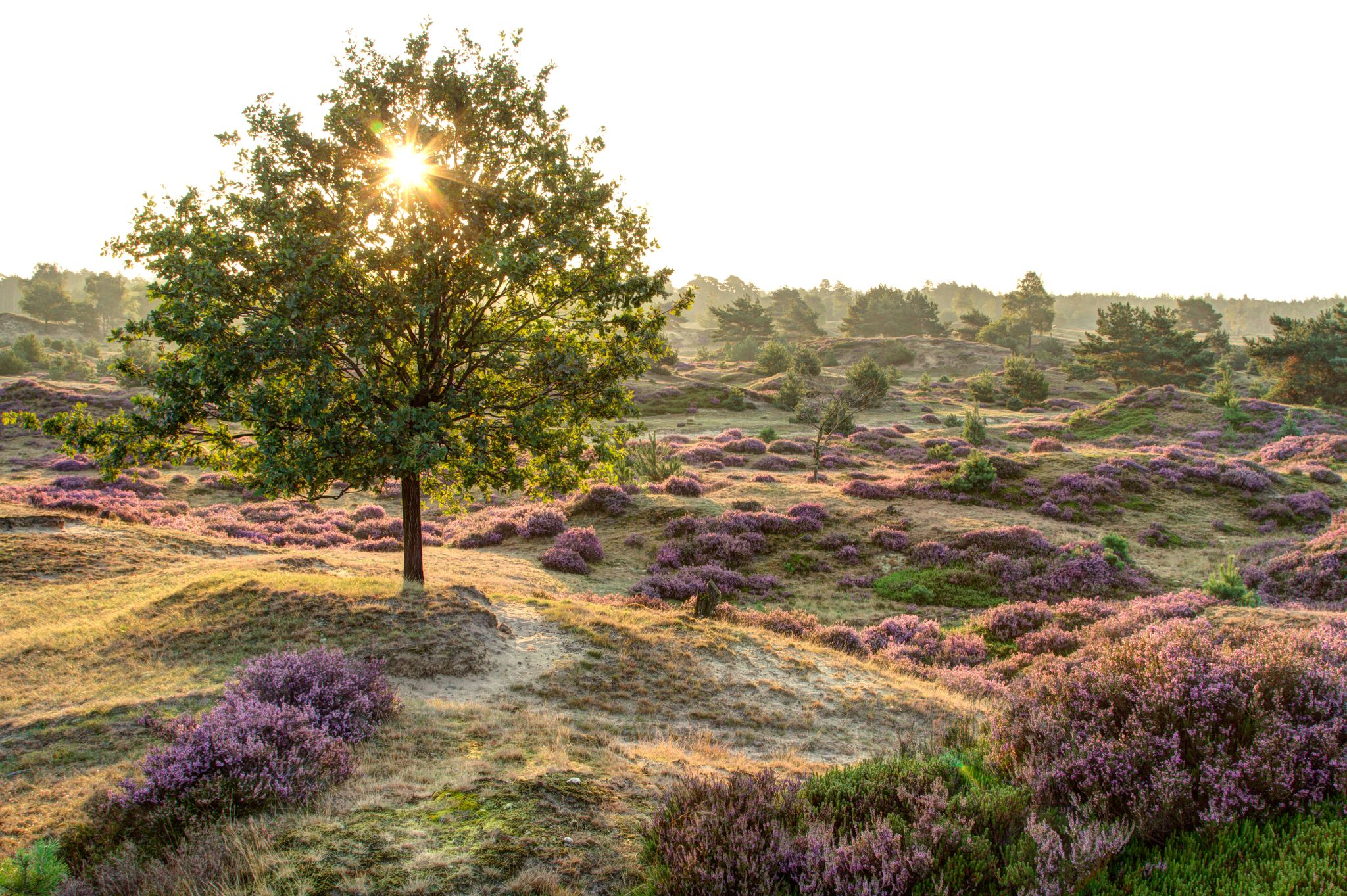
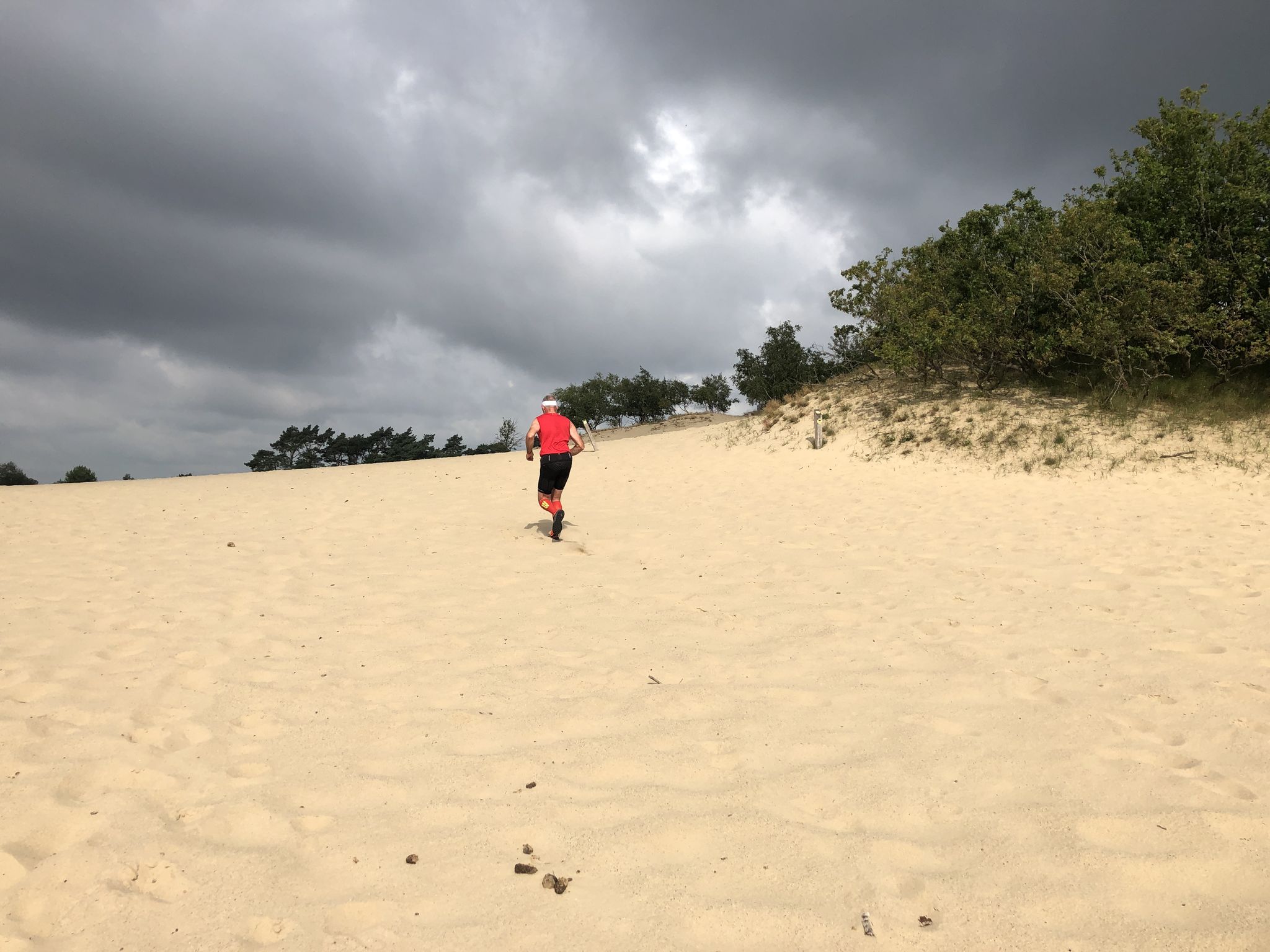
Other adventures around Dwingelderveld National Park


Tips from the Community

Nice big cow, appropriate for the company.
0
0

Spacious free parking at the swimming pool and the animal meadow.
0
0
History The first church was founded on this site as a Catholic church in the tenth century and was dedicated to Willibrord, the first bishop of Utrecht. The current church is a single-nave Gothic building that took on its present form around 1400. At the time, it was one of the six mother churches of Drenthe and, as a "dingspilkerk" (church), also served as the seat of justice. Dingspilkerk The Stefanuskerk (St. Stephen's Church) is one of the six "dingspil" churches in Drenthe, the oldest ecclesiastical foundations in the province. The church is centrally located along the then existing north-south and east-west corridors and likely originated as a chapel for passing travelers. On behalf of the Bishop of Utrecht, lord of Drenthe since the mid-11th century, justice was administered three times a year in the "dingspil" churches. Once every four years, the bishop himself also came to Drenthe for this purpose and sat in the "seendstoel" (seed chair) to deliver judgment. The church of Beilen was owned by the bishop, and he gave his income from that church, the "Valkengeld," as a kind of subsidy to other churches under construction. These churches were also allowed to determine who would become the village pastor. Eventually, the monastery in Ruinen, later Dikninge Abbey in De Wijk, received this income through the church of Steenwijk (1206/1207). After that, services in Beilen were led by priest-monks from the monastery. Around 1415, the monastery also acquired a farmstead in Beilen, as accommodation for visiting priests. This "costeryen-huys" (costery house) had been built by villagers and was therefore sometimes used as a village inn, which in turn led to conflicts. After the great village fire of August 8, 1820, Beilen no longer has an old parsonage with archives, but fortunately the church was preserved. This is a reminder of the old village, which has completely disappeared, and its ties with Dikninge Abbey.
0
0


Former Cooperative Agricultural Bank. The building now houses an architectural firm
0
0

The current Stephen's Church as it now stands in front of you was built around 1400. However, before that, in the 10th century, a first church had already been founded here.
0
0

Axes have nothing to do with Beilen.
0
0
The first church was founded on this site in the tenth century as a Catholic church and was dedicated to Willibrord, the first bishop of Utrecht. The current church is a single-aisled Gothic building that took its current shape around 1400. At the time, it was one of the six mother churches of Drenthe and, as a central church, it also served as the seat of the judiciary. Source: https://www.stefanuskerkbeilen.nl/stefanuskerk/
0
0
Frequently Asked Questions
How many urban hiking trails are available around Dwingelderveld National Park?
There are over 45 urban hiking trails around Dwingelderveld National Park, offering a variety of experiences for different preferences and skill levels. Most of these routes are rated as easy.
What kind of terrain can I expect on urban hikes near Dwingelderveld National Park?
Urban hikes in this region often combine paved paths and village streets with sections that border or briefly enter the diverse landscapes of Dwingelderveld. You might encounter transitions from developed areas to sandy paths, heathland edges, or forested sections, reflecting the park's unique mix of wet heathlands, forests, and dry sandy hills.
Are the urban hiking trails around Dwingelderveld National Park suitable for beginners?
Yes, many urban hiking trails in the area are ideal for beginners. For example, routes like the Drie Bijlen Sculpture loop from Beilen or the Girl With The Little Birds loop from Beilen are relatively short and have minimal elevation changes, making them perfect for those new to hiking or looking for a relaxed stroll.
What is the best time of year for urban hiking in this region?
The Dwingelderveld region offers pleasant urban hiking experiences throughout the year. Spring brings fresh greenery and blooming flowers, while summer showcases the vibrant purple hues of the heathlands. Autumn provides picturesque scenery with changing leaf colors, and even winter can be beautiful, especially after a fresh snowfall. The well-maintained urban paths are generally accessible in most conditions.
Are there family-friendly urban hiking options near Dwingelderveld National Park?
Absolutely. Many urban trails are short, easy, and suitable for families with children. The gentle terrain and proximity to amenities in towns like Beilen make them convenient for a family outing. Consider routes like the Drie Bijlen Sculpture – Girl With The Little Birds loop from Beilen, which offers interesting sights within a manageable distance.
Can I bring my dog on urban hikes around Dwingelderveld National Park?
Yes, many urban trails are dog-friendly, especially those that stick to public paths and streets. When venturing closer to the National Park boundaries, be mindful of local regulations regarding dogs, as some areas may require them to be on a leash to protect wildlife and livestock, such as the Drenthe heath sheep. Always carry waste bags and ensure your dog is well-behaved.
Are there any interesting landmarks or attractions to see on urban hikes?
Yes, urban hikes often pass by local points of interest. While the guide focuses on urban routes, you might find historical sites like ancient burial mounds or local sculptures. For natural attractions, highlights such as the Holtveen Bird Hide or the Sunken Trees in Dwingelderveld are accessible from nearby areas, offering glimpses into the park's unique ecology.
What do other hikers enjoy the most about urban hiking in Dwingelderveld National Park?
The area is highly rated by the komoot community, with an average score of 4.6 stars. Reviewers often praise the accessibility of the trails, the pleasant mix of town and nature, and the opportunity to experience the unique Drenthe landscape without venturing too far into the wilderness. The well-marked paths and ease of navigation are also frequently highlighted.
Are there circular urban hiking routes available?
Yes, most of the urban hiking routes provided are circular, allowing you to start and end at the same point. This makes planning your hike convenient, especially if you're traveling by car. An example is the Drie Bijlen Sculpture – St. Stephen's Church Beilen loop from Beilen.
Where can I find parking for urban hikes near Dwingelderveld National Park?
Parking is generally available in the towns and villages bordering Dwingelderveld National Park, such as Beilen. Many routes start from easily accessible locations with public parking. For instance, the Zwembad De Peppel Parking Lot – Girl With The Little Birds loop from Beilen explicitly mentions a parking lot as a starting point.
Can I access urban hiking trails using public transport?
Yes, the towns and villages around Dwingelderveld National Park are typically well-connected by public transport, including bus services. You can often reach the starting points of urban hikes by taking a bus to the respective town center, making it convenient for those without a car.
Are there opportunities for wildlife spotting on urban hikes?
While urban hikes are closer to developed areas, you can still encounter wildlife, especially on sections that border the National Park. Keep an eye out for various bird species, and if you're lucky, you might spot deer or smaller mammals. The diverse habitats of Dwingelderveld support a rich array of biodiversity, even near its edges.
Most popular routes around Dwingelderveld National Park
Most popular attractions around Dwingelderveld National Park

Get inspired with the komoot mobile app


Explore more
Browse the best Hikes in other regions.
