The best traffic-free bike rides around Park Gessi Bolognesi and Calanchi dell'Abbadessa
4.3
(1498)
21,229
riders
133
rides
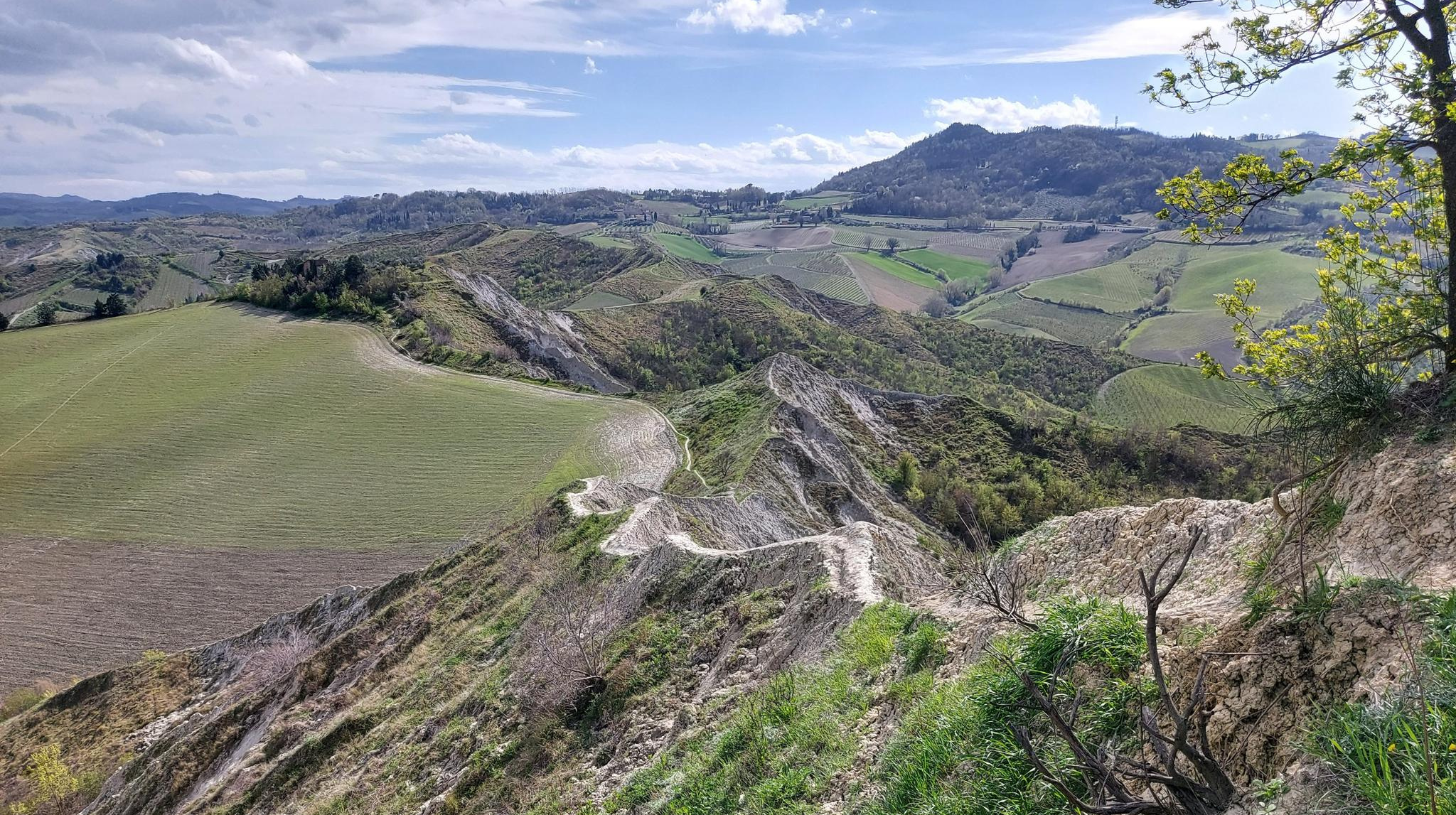
No traffic touring cycling routes around Park Gessi Bolognesi and Calanchi dell'Abbadessa traverse a landscape characterized by extensive gypsum outcrops and dramatic badlands. This region, a UNESCO World Heritage Site, features a unique karst complex with caves, dolines, and rocky cliffs. The terrain includes diverse habitats such as deciduous forests, cool valleys, and rolling hills with vineyards and olive groves. Several streams, including the Savena and Idice, cross the foothills, adding to the varied topography suitable for cycling.
Best no…
Last updated: May 18, 2026
4.4
(11)
109
riders
26.3km
01:32
120m
120m
Easy bike ride. Great for any fitness level. Mostly paved surfaces. Suitable for all skill levels.
4.3
(6)
41
riders
18.8km
01:06
90m
90m
Easy bike ride. Great for any fitness level. Mostly paved surfaces. Suitable for all skill levels.

Sign up for free
4.3
(12)
55
riders
Easy bike ride. Great for any fitness level. Mostly paved surfaces. Suitable for all skill levels.
4.3
(3)
21
riders
37.7km
02:40
510m
510m
Hard bike ride. Very good fitness required. Mostly paved surfaces. Suitable for all skill levels.
13
riders
28.0km
02:21
650m
650m
Hard bike ride. Very good fitness required. Mostly paved surfaces. Suitable for all skill levels.
Get access to more routes and recommendations from other explorers.
Sign up for free
Already have an account?
Our route recommendations are based on thousands of hikes, rides, and runs completed by other people on komoot.
Start today with a free account
Your next adventure awaits.
Login or Signup
Popular around Park Gessi Bolognesi and Calanchi dell'Abbadessa

Other adventures around Park Gessi Bolognesi and Calanchi dell'Abbadessa

Tips from the Community

Small green area surrounded by residential areas, nicely done
0
0
In many places, you can bypass busy country roads by bike. Unfortunately, the network is not yet fully developed.
0
0

Comfortable, well maintained and you can ride away from traffic
0
0
The gullies are magical at sunset
0
0


In 1392, the Municipality of Bologna ceded a portion of public space to the Servants of Mary, who had already been working on this stretch of Strada Maggiore since the beginning of the century, to build the portico. In exchange, it seems that the friars decided to use materials that reflected the symbolic colours of the city, red and white, such as the Verona marble and Istrian stone that characterise the building. This is one of the very first brick porticos. The authors of the project may have been the same Antonio di Vincenzo and Andrea Manfredi from Faenza who were working on the construction site of the adjacent church, the first, also the author of the project for San Petronio, the second, a participating client. Also noteworthy is the width of the portico, the largest in Bologna, at almost 6 metres. In-depth studies have recognised the use of the golden section in the sizing of these spaces, which generates the unmistakable sensation of balance and proportion. The characteristic shape of the column interrupted in the center by a molded ring was born with this portico: the motivation lies in the need to connect and strengthen the joint between two segments of pier. We will find the style in numerous other city porticos. The segment built is then continued in subsequent times in accordance with the original style. The quadriportico in front of the façade is the result of the demolition of a church that bordered the current Via Guerrazzi, San Tommaso. Giuseppe Modonesi and Enrico Brunetti Rodati were the authors between 1852 and 1857. (c) https://www.comune.bologna.it/portici-patrimonio-mondiale/la-serie/strada-maggiore/portico-dei-servi
0
0
Despite its modest appearance and its current small size, the Porta di San Vitale, the “gate to Ravenna”, had from the beginning the importance that came from being placed to guard one of the fundamental and oldest roads that branched off to the east of Bologna, the one towards the ancient imperial capital and the metropolis on which Bologna depended from an ecclesiastical point of view for many centuries. It was erected in 1286 with the annexed lodgings for the captain of the guards and with a mighty tower that was demolished at the beginning of the 16th century. After repeated renovations carried out in the 14th century, including the construction of a drawbridge in 1354, the gate was deactivated for safety reasons on two occasions: in 1447 and in 1512. At the end of the 18th century the drawbridge was demolished. A further downsizing took place in 1950-52 with the removal of the ravelin and the external avant-corps. For over three centuries, Porta San Vitale has been characterized by the proximity of the Sant’Orsola complex. Source: "Restoration of the gates of Bologna 2007-2009" (c) https://www.bolognawelcome.com/it/luoghi/torri-edifici-storici/porta-san-vitale
0
0
Frequently Asked Questions
How many no traffic touring cycling routes are available in Park Gessi Bolognesi and Calanchi dell'Abbadessa?
There are over 100 dedicated no traffic touring cycling routes in Park Gessi Bolognesi and Calanchi dell'Abbadessa. These routes cater to various skill levels, with 33 easy, 41 moderate, and 45 difficult options available.
What kind of terrain can I expect on these traffic-free cycling routes?
The terrain is incredibly diverse, reflecting the park's unique geology. You'll encounter routes through rolling hills with vineyards and olive groves, alongside streams like the Savena and Idice, and through areas with dramatic 'calanchi' (badlands) formations. Some paths may feature gravel or compacted earth, especially in more natural sections, while others follow paved cycle paths.
Are there any easy, family-friendly no traffic routes suitable for beginners?
Yes, there are several easy routes perfect for families or those new to touring cycling. An excellent option is the Lake of the Beavers – Parco dei Cedri loop from Bologna, which offers a gentle ride. Another accessible choice is the Flaminia Minor Trail – Ponte sull'Idice loop from Ca` Dei Mandorli, providing a relatively flat experience.
What are the best times of year to go touring cycling in the park?
Spring and autumn are generally the best seasons for touring cycling in Park Gessi Bolognesi and Calanchi dell'Abbadessa. The weather is milder, and the landscapes are particularly vibrant. Summer can be hot, especially in the exposed calanchi areas, so early mornings or late afternoons are preferable if cycling during this season. Winters are cooler but can still offer pleasant days for cycling, though some higher or unpaved sections might be affected by rain or frost.
What natural features or landmarks can I see along the routes?
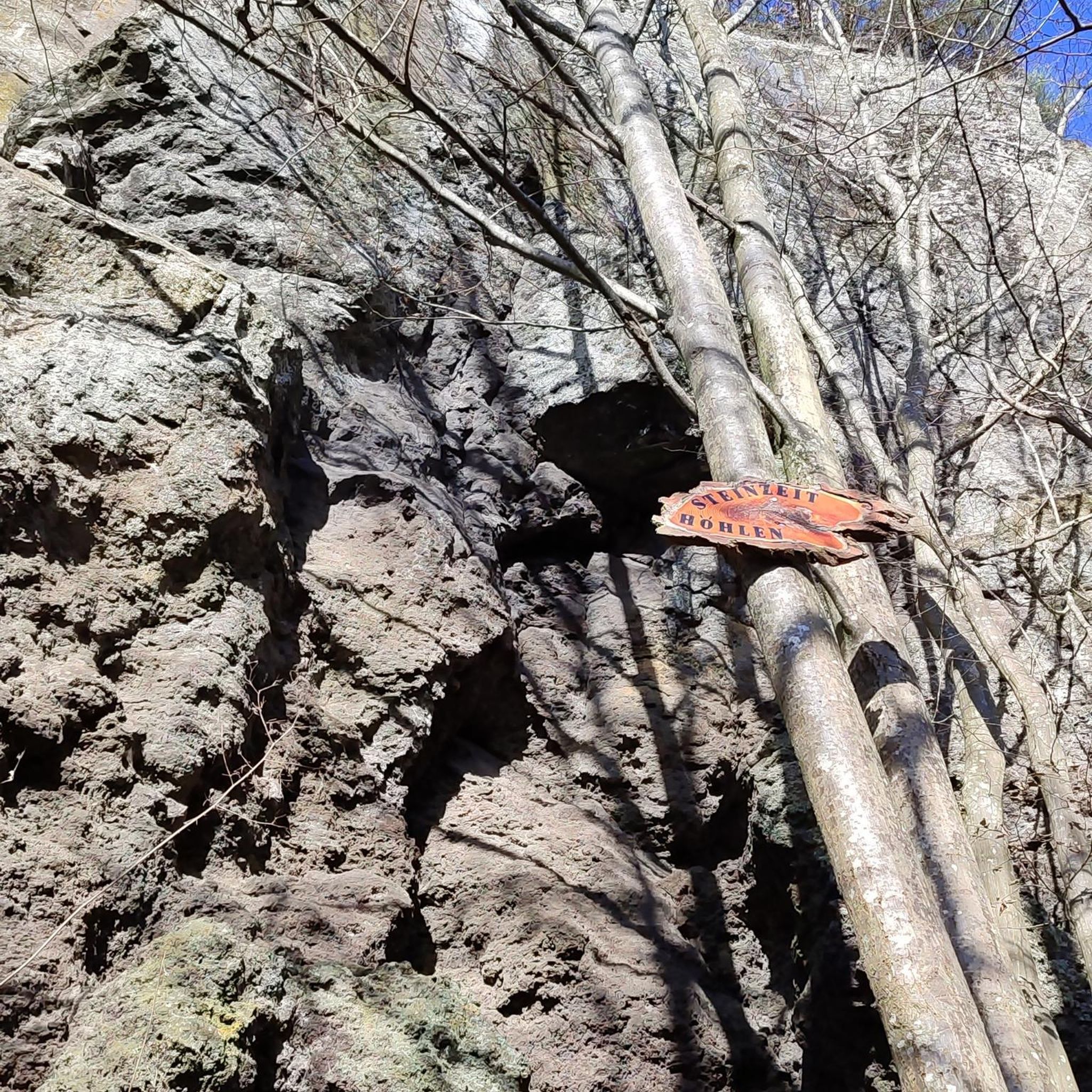
The park is rich in natural wonders. You can explore the extensive gypsum outcrops and karst formations, including the impressive Vena del Gesso. Highlights include the dramatic Trail through the Gessi Bolognesi Calanchi, the Peak of Monte Calvo, and fascinating caves like Spipola Cave and Farneto Cave. The diverse habitats also mean opportunities to spot local wildlife.
Are there any challenging no traffic routes for experienced touring cyclists?
Yes, for experienced cyclists seeking a challenge, there are several difficult routes. The Côte di Botteghino di Zocca – Lake of the Beavers loop from La Pulce offers significant elevation gain. Another demanding option is the Ozzano–Idice Cycle Path loop from Pizzocalvo Bivio, which also features considerable climbing.
Can I bring my dog on the touring cycling routes?
While the park is generally dog-friendly, specific rules may apply to certain protected areas or trails. It's always best to keep dogs on a leash, especially in areas with wildlife or near agricultural land. Ensure your dog is accustomed to cycling alongside you and that you carry enough water for both of you.
Are there circular touring cycling routes available?
Many of the no traffic touring cycling routes in the park are designed as loops, allowing you to start and finish at the same point. This is convenient for those traveling by car or wanting to explore a specific area comprehensively. Examples include the Via Gorgognano – Strada Bianca di Gorgognano loop from San Lazzaro di Savena and the Lake of the Beavers – Parco dei Cedri loop from Bologna.
What do other touring cyclists enjoy most about cycling in Park Gessi Bolognesi and Calanchi dell'Abbadessa?
The area is highly rated by the komoot community, with an average score of 4.33 stars from over 1600 ratings. Reviewers often praise the unique geological formations, the tranquility of the traffic-free paths, and the stunning contrasts between the gypsum outcrops and the dramatic badlands. The well-maintained trails and the blend of natural beauty with historical scenery are frequently highlighted.
Is it possible to reach the park's cycling routes using public transport with a bike?
The park is located in the foothills southeast of Bologna, making it accessible from the city. While specific public transport options for carrying bikes can vary, regional trains often allow bikes outside of peak hours. It's advisable to check the local train and bus schedules and their bike carriage policies in advance, especially if planning to start a route directly from a public transport stop.
Are there places to park my car near the starting points of these routes?
Yes, many of the routes have designated parking areas near their starting points, particularly in or near the villages and towns surrounding the park. Look for parking facilities in locations like La Pulce, Bologna, San Lazzaro di Savena, Pizzocalvo Bivio, or Ca` Dei Mandorli, depending on your chosen route. Always check local signage for any parking restrictions or fees.
Most popular routes around Park Gessi Bolognesi and Calanchi dell'Abbadessa
Most popular attractions around Park Gessi Bolognesi and Calanchi dell'Abbadessa

Get inspired with the komoot mobile app


Explore more
Browse the best Cycling routes in other regions.
