The best hikes from bus stations in Fuentes Del Narcea, Degaña E Ibias
4.4
(120)
991
hikers
5
hikes
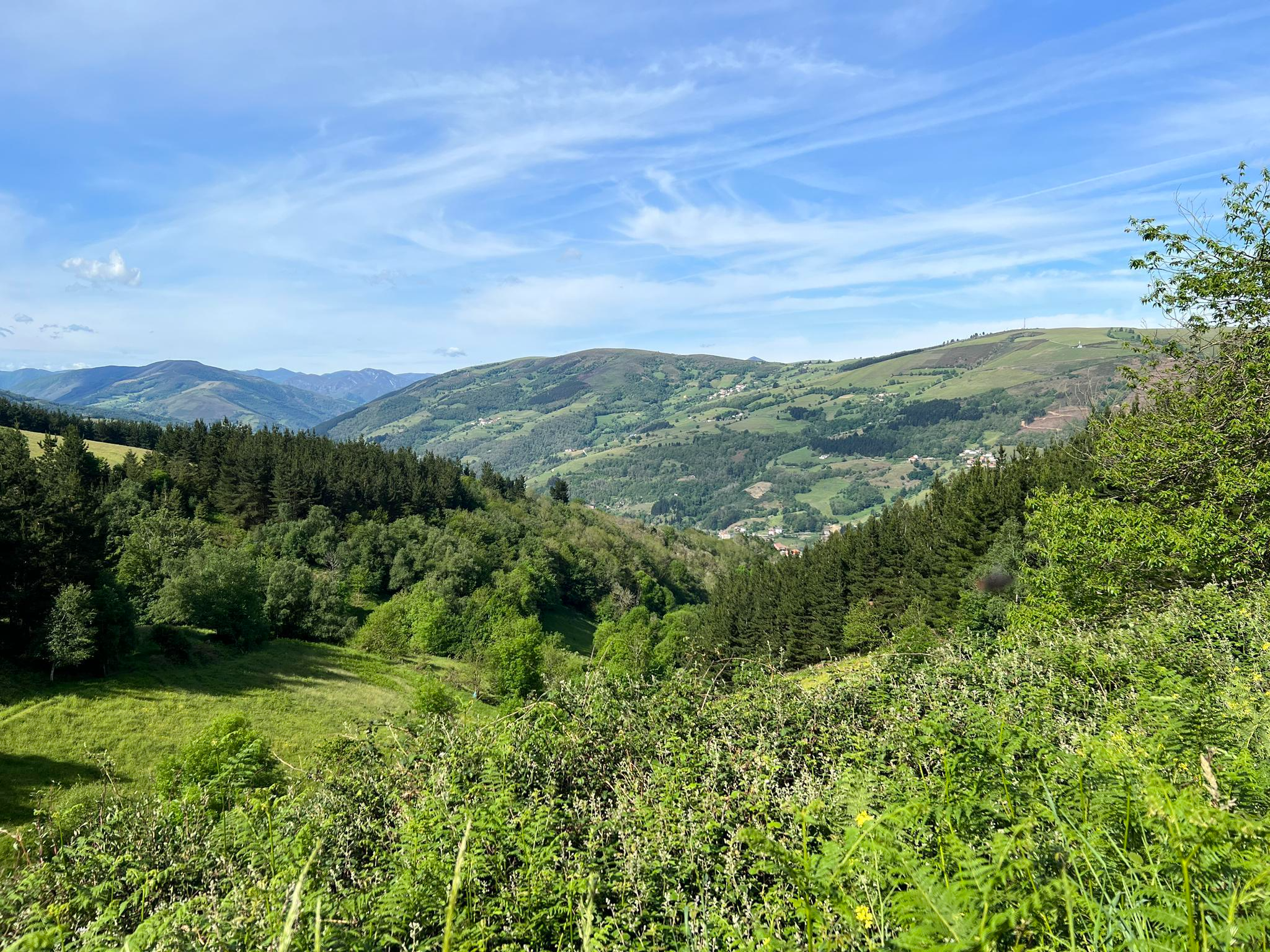
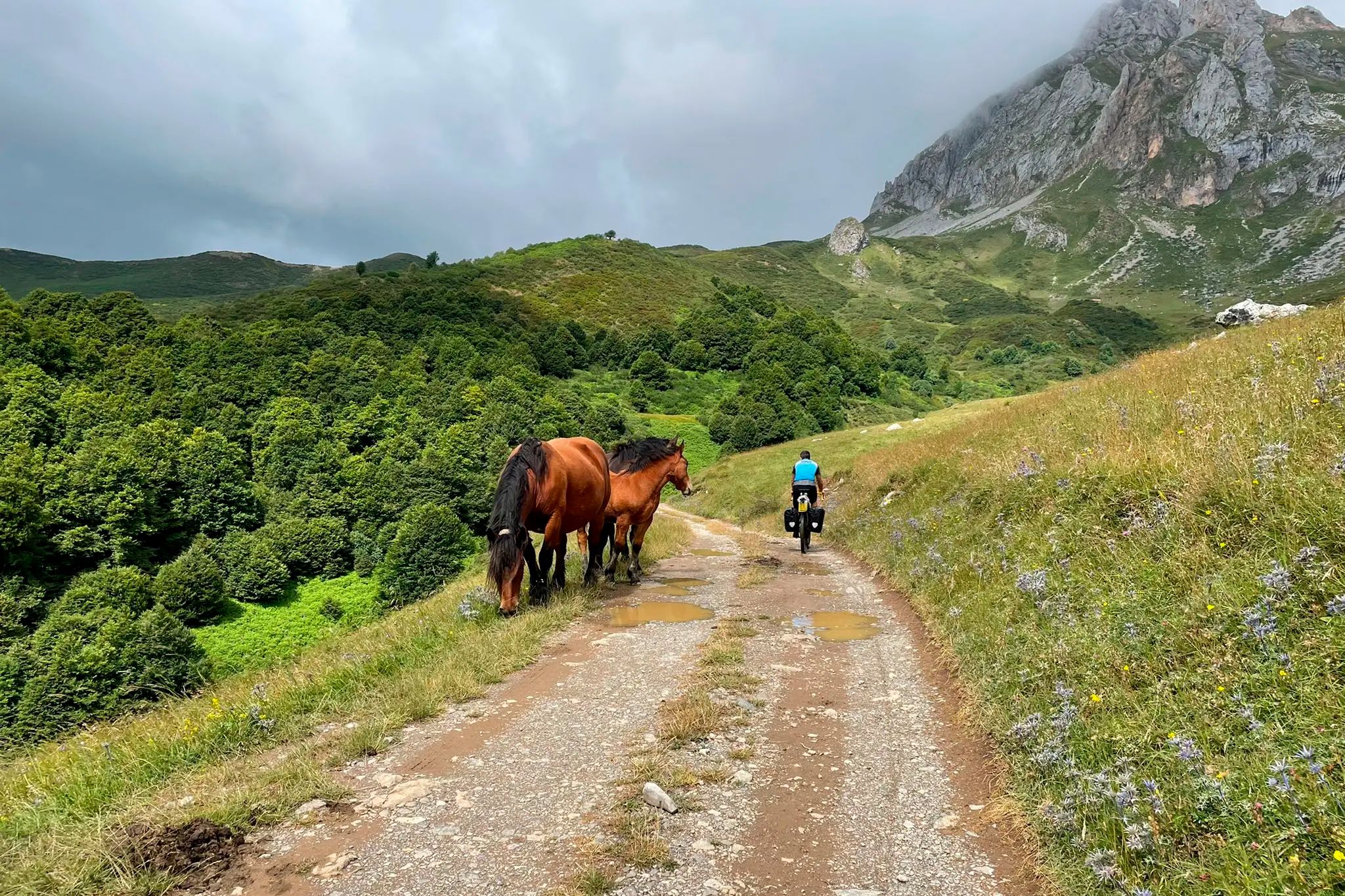
Hiking in Fuentes del Narcea, Degaña e Ibias is characterized by a diverse and well-preserved natural landscape. The region features a mountainous terrain with rugged peaks, deep canyons, and lush valleys, framed by the Cantabrian mountain range. Key features include the ancient Muniellos Forest, recognized as a significant oak grove, and El Cueto de Arbas, the tallest peak at 2,002 meters. An extensive network of rivers, lagoons, and peat bogs contributes to the area's varied ecosystems.
Best bus station hiking…
Last updated: October 16, 2026
5
hikers
13.7km
05:53
800m
800m
Hard hike. Very good fitness required. Sure-footedness, sturdy shoes and alpine experience required.
3.0
(1)
11
hikers
10.0km
02:43
130m
130m
Moderate hike. Good fitness required. Easily walkable paths.

3
hikers
18.3km
05:52
810m
810m
Hard hike. Very good fitness required. Easily walkable paths.
9
hikers
8.04km
02:10
100m
100m
Moderate hike. Good fitness required. Easily walkable paths.
4.5
(4)
34
hikers
29.3km
08:49
930m
930m
Hard hike. Very good fitness required. Easily walkable paths.
Our route recommendations are based on thousands of hikes, rides, and runs completed by other people on komoot.
Start today with a free account
Your next adventure awaits.
Popular around Fuentes Del Narcea, Degaña E Ibias
Other adventures in Fuentes Del Narcea, Degaña E Ibias


Tips from the Community

This road leading to the Holly Sanctuary has incredible views of the surrounding valleys and villages.
0
0

It is a small Romanesque church located in a mountainous area known as Fuentes del Narcea. According to legend, the church was built in the 9th century by a group of monks who discovered a statue of the Virgin Mary in a holly tree. The statue became known as the "Virgin of the Holly" or the "Virgin of the Holly," and the church was built in her honor. The interior of the church is decorated with frescoes from the 12th and 13th centuries, depicting scenes from the Bible and the life of Christ. The altar has a beautiful reredos carved in wood and painted with gold leaf, with images of the Virgin Mary, Saints Peter and Paul, and other saints. A popular destination for pilgrims and tourists who come to admire the beautiful architecture and rich history of the church. It is also a starting point for several hiking trails that lead to the nearby mountain peaks.
0
0

beautiful climb
0
0

Very beautiful in summer and winter
0
0

Corias is a small town in the municipality of Cangas del Narcea, located just 2 km from the municipality's capital, on the banks of the Narcea River. Corias is known for two very specific reasons: its monastery, an architectural gem that was converted into a National Tourist Parador about 10 years ago; its vineyards, cultivated by the monks of the monastery, with its current Monasterio de Corias winery standing out, whose white and red wines are good and very unique.
0
0

The Monasterio de Corias, often referred to as "El Escorial of Asturias," is a magnificent symbol of history and spirituality nestled in the verdant Narcea Valley. Founded in the 11th century, this Benedictine monastery has long been a beacon of culture, faith, and learning in Asturias. Its grand Baroque architecture, with its imposing stone façade and serene cloisters, invites reflection and awe. Surrounded by lush forests and the gentle flow of the Narcea River, the monastery offers a tranquil retreat from the modern world. Inside, you’ll find echoes of its storied past in the ancient library, once a hub of knowledge, and in the beautifully preserved church, where centuries of prayers have left a palpable sense of peace. Today, the Monasterio de Corias serves not only as a historical monument but also as a unique Parador, welcoming guests to experience the serenity and beauty of its sacred halls. Whether you're exploring its rich history or simply soaking in the tranquility of its surroundings, the Monasterio de Corias is a place where time seems to stand still, offering a deep connection to the spiritual and cultural heritage of Asturias.
1
0
Alto del Acebo is a beautiful place in southwestern Asturias where you can enjoy wonderful panoramic views of the Asturian mountains (the Asturian rural paradise) and where the hermitage of the Virgen del Acebo is located (the pilgrimage is celebrated on September 8, Asturias Day). At the top there are also 2 bars/restaurants where you can eat very well. As can be seen in one of the photos that I just posted, Alto del Acebo has 6 different slopes. All of them are beautiful and very hard. I recommend that you go visit Cangas and Alto del Acebo.
0
0
Frequently Asked Questions
How many bus station hiking trails are available in Fuentes Del Narcea, Degaña E Ibias?
Currently, there are a few challenging hiking routes accessible directly from bus stations in the Fuentes Del Narcea, Degaña E Ibias region. These trails offer a deep dive into the natural beauty of the area.
What kind of terrain and difficulty can I expect on bus station hikes in this region?
The bus station hikes in Fuentes Del Narcea, Degaña E Ibias are generally considered difficult, featuring significant elevation gains and longer distances. For example, the Braña de Zalambo – Braña de la Seita loop from Cuevas del Sil involves nearly 800 meters of ascent over 13.7 km. Hikers should be prepared for mountainous terrain and sustained effort.
Are there any circular routes starting from bus stations?
Yes, there are circular routes designed to start and end conveniently near bus stops. The Scenic road – Cangas del Narcea loop from Cangas del Narcea is an excellent example, allowing you to explore the landscape without needing to arrange return transport from a different point.
What natural features or landmarks can I see along these bus station trails?
The region is rich in natural beauty. You might encounter stunning mountain passes like Pozo de las Mujeres Muertas Pass or Connio Pass. The trails also often traverse areas near significant rivers, such as the Muniellos River, offering picturesque views of the extensive hydrographic network.
What is the best season for bus station hikes in Fuentes Del Narcea, Degaña E Ibias?
Spring and autumn are generally ideal for hiking in this region, offering pleasant temperatures and vibrant landscapes. Summer can also be good, especially at higher elevations, but be prepared for warmer weather. Winter hiking is possible but requires appropriate gear and caution due to potential snow and ice, particularly on higher mountain passes like Puerto de Leitariegos.
Are there any visitor or interpretation centers accessible near bus station trails?
Yes, the region has facilities to help you learn more about the natural park. The Muniellos Interpretation Center in Las Tablizas is a key entry point for information about the Muniellos Forest, though access to the forest itself is strictly controlled and requires advance permits.
What kind of wildlife might I spot on a hike in this area?
Fuentes del Narcea, Degaña e Ibias is a crucial habitat for diverse wildlife. Keep an eye out for the Cantabrian brown bear, Iberian wolf, capercaillie, roe deer, and wild boar. The extensive forests and minimal human activity make it an excellent area for wildlife observation.
Are the bus station hiking trails suitable for families?
The routes currently highlighted as accessible from bus stations are rated as difficult, involving significant distances and elevation changes. While rewarding for experienced hikers, they may be challenging for younger children or families seeking very easy, short walks. It's advisable to check individual route details for suitability.
Can I bring my dog on these bus station hiking trails?
Many trails in the Fuentes Del Narcea, Degaña E Ibias Natural Park are dog-friendly, but it's always best to check specific regulations for each route or protected area, especially concerning wildlife conservation zones. Always keep dogs under control and respect local guidelines.
What do other hikers say about the bus station trails in Fuentes Del Narcea, Degaña E Ibias?
The komoot community highly rates the hiking experiences in this region, with an average score of 4.57 stars from 75 reviews. Hikers often praise the pristine natural landscapes, the challenging yet rewarding terrain, and the sense of immersion in one of Europe's best-preserved natural areas.
What should I pack for a difficult bus station hike in this region?
Given the difficult nature of these trails, pack essentials such as sturdy hiking boots, layered clothing suitable for changing mountain weather, plenty of water, high-energy snacks, a map or GPS device (like komoot), a first-aid kit, and sun protection. Consider trekking poles for stability on steep ascents and descents.
Most popular routes in Fuentes Del Narcea, Degaña E Ibias
Most popular attractions in Fuentes Del Narcea, Degaña E Ibias

Get inspired with the komoot mobile app


Explore more
Browse the best Hikes in other regions.
