The best traffic-free bike rides in Arribes Del Duero
4.4
(9)
943
riders
28
rides
Road cycling in Arribes Del Duero features routes through a landscape defined by deep canyons and gorges carved by the Duero River and its tributaries. The region, situated between Spain and Portugal, offers varied terrain with significant elevation changes. Cyclists encounter winding roads that follow the contours of these dramatic geological formations, providing extensive views. The area is characterized by granite cliffs, a Mediterranean microclimate within the canyons, and numerous watercourses.
Best no traffic road cycling routes in Arribes Del…
Last updated: May 18, 2026
29
riders
103km
05:08
1,500m
1,490m
Hard road ride. Very good fitness required. Some segments of this route may be unpaved and difficult to ride.
5.0
(1)
28
riders
97.0km
04:46
1,060m
1,060m
Hard road ride. Very good fitness required. Some segments of this route may be unpaved and difficult to ride.

Sign up for free
14
riders
63.6km
03:08
980m
980m
Hard road ride. Very good fitness required. Mostly well-paved surfaces and easy to ride.
5
riders
84.4km
04:10
1,160m
1,160m
Hard road ride. Very good fitness required. Mostly well-paved surfaces and easy to ride.
4
riders
53.0km
02:32
610m
610m
Moderate road ride. Good fitness required. Mostly well-paved surfaces and easy to ride.
Get access to more routes and recommendations from other explorers.
Sign up for free
Already have an account?
Our route recommendations are based on thousands of hikes, rides, and runs completed by other people on komoot.
Start today with a free account
Your next adventure awaits.
Login or Signup
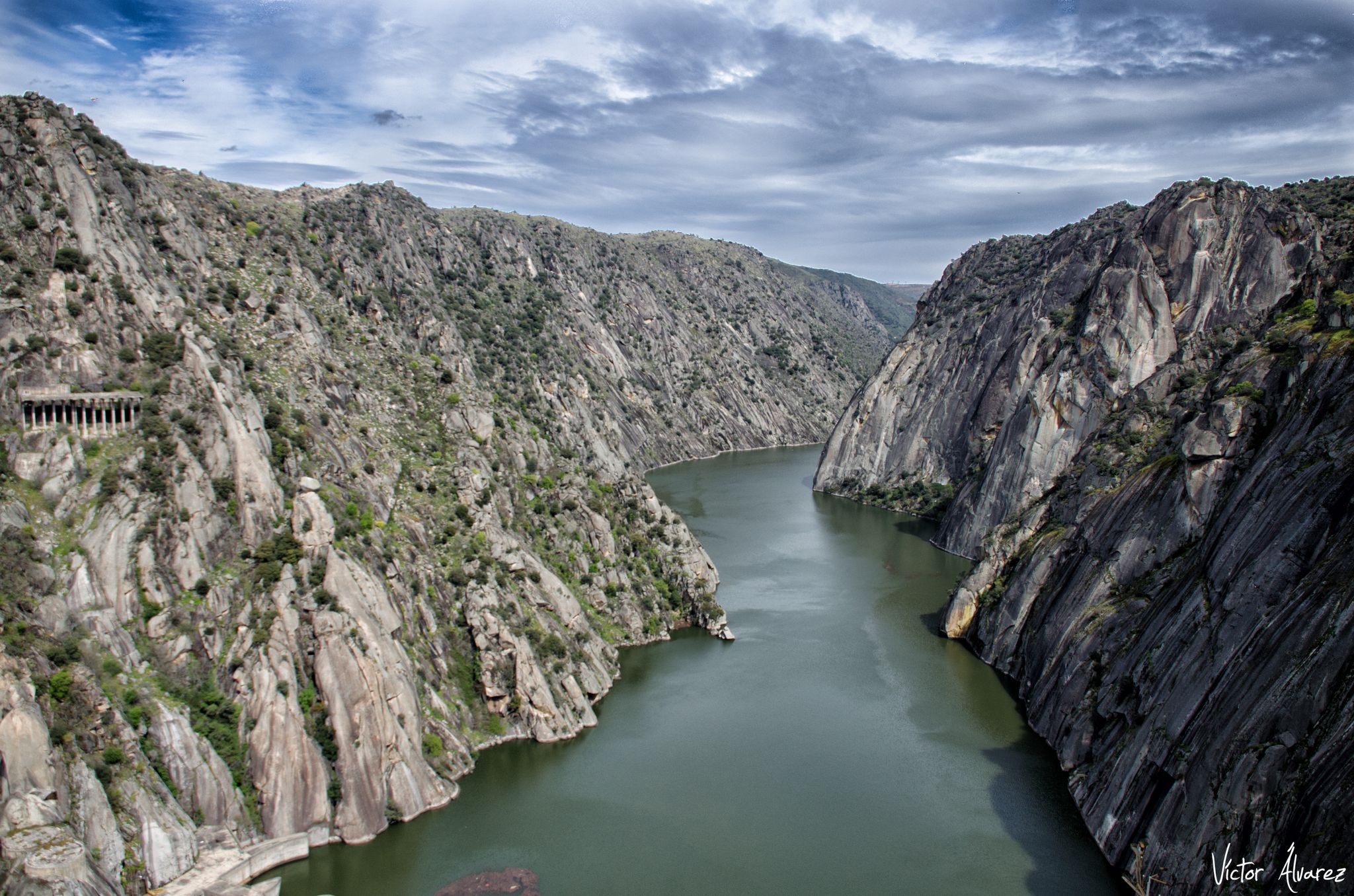
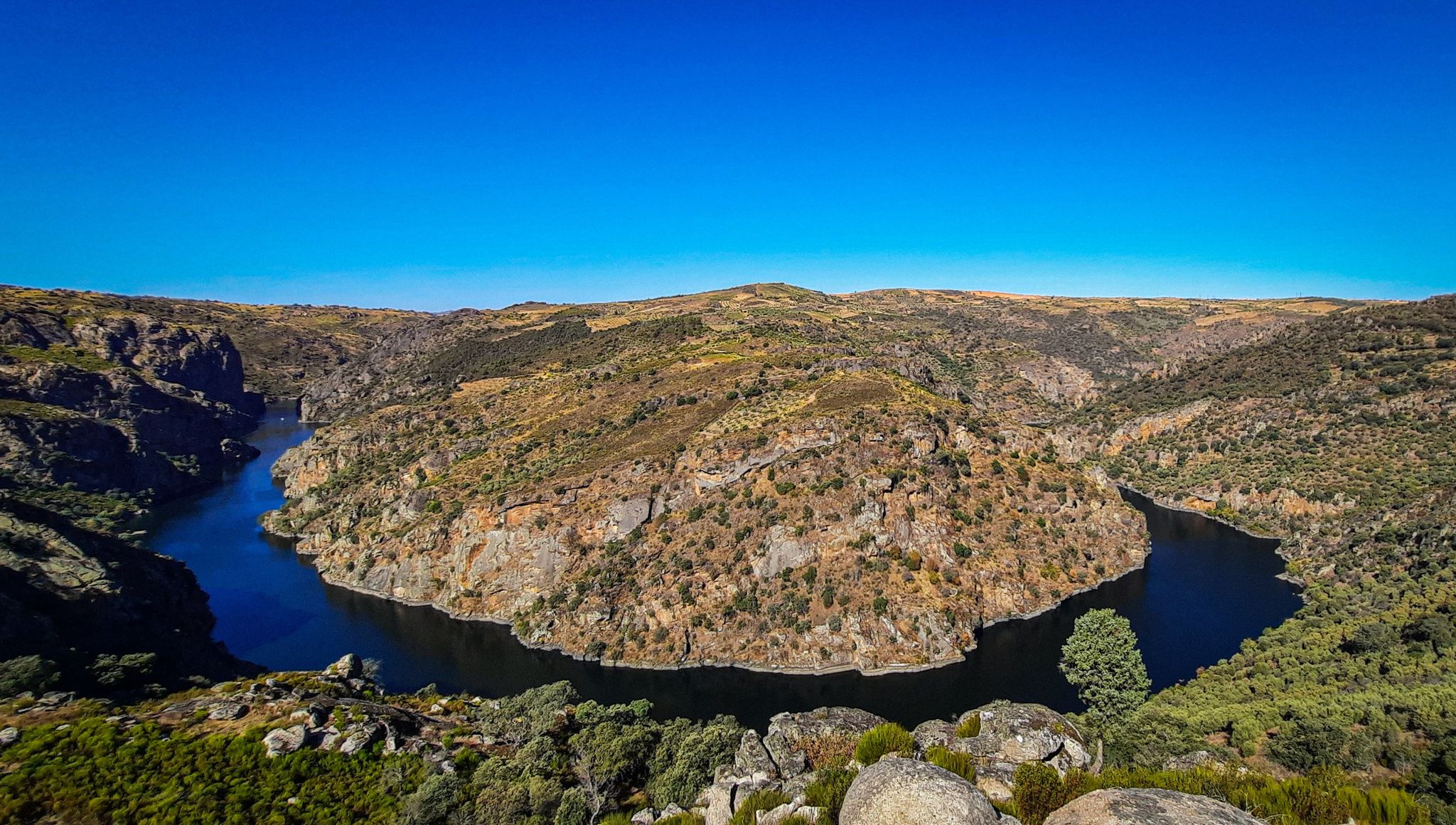
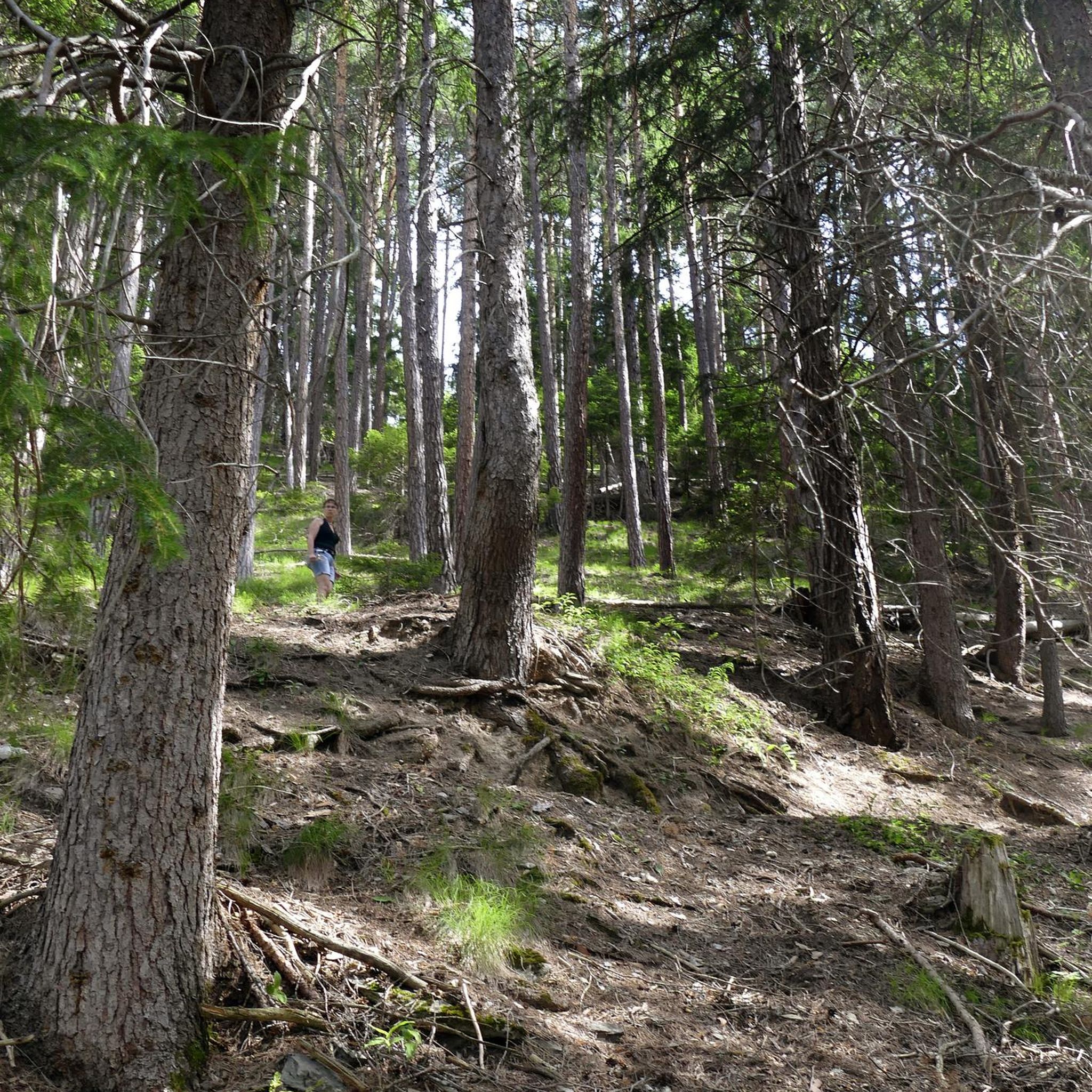


Tips from the Community

What to see and do Viewpoints: There are scenic viewpoints along the road and in the surrounding area offering views of the dam and reservoir. Ricobayo Reservoir: Ideal for water sports, fishing, and hiking. Natural surroundings: Very close to the Arribes del Duero Natural Park, with its spectacular landscapes.
2
0
The Ricobayo Dam is located on the Esla River, in the province of Zamora (Castilla y León), and is part of the Iberdrola hydroelectric system. Completed in 1934, it was one of the major hydraulic engineering projects of the 20th century in Spain.
2
0
Hinojosa de Duero is a charming village in the El Abadengo region (Salamanca), located right on the border with Portugal and within the Arribes del Duero Natural Park, making it an ideal destination for rural tourism, nature and gastronomy.
3
0
What to see in Hinojosa de Duero Church of San Pedro 16th century, Gothic style with later renovations. Its Baroque altarpieces are particularly noteworthy. Hermitage of Christ of Mercy Located on San Pedro hill, with a 13th-century Romanesque carving and spectacular views. Monument to the Sacred Heart of Jesus Erected during the Second Republic, in the upper part of the town, surrounded by crosses and a Calvary. El Corralito and Plaza de la Constitución Former town hall meeting place, now a local gathering spot. Ethnographic Museum Collections on traditional life and local culture. Natural viewpoints Peña La Vela, Mirador del Contrabando, Cachón del Camaces, and Cachón de la Diabla offer unique views of the Duero River and the Arribes del Duero Natural Park.
2
0
Hinojosa de Duero is a charming village in the El Abadengo region (Salamanca), located right on the border with Portugal and within the Arribes del Duero Natural Park, making it an ideal destination for rural tourism, nature, and gastronomy. [turismocas...ayleon.com], [pte.es]
1
0
What to see in Hinojosa de Duero Church of San Pedro 16th century, Gothic style with later renovations. Its Baroque altarpieces are particularly noteworthy. Hermitage of Christ of Mercy Located on San Pedro hill, with a 13th-century Romanesque carving and spectacular views. Monument to the Sacred Heart of Jesus Erected during the Second Republic, in the upper part of the town, surrounded by crosses and a Calvary. El Corralito and Plaza de la Constitución Former town hall meeting place, now a local gathering spot. Ethnographic Museum Collections on traditional life and local culture. Natural viewpoints Peña La Vela, Mirador del Contrabando, Cachón del Camaces, and Cachón de la Diabla offer unique views of the Duero River and the Arribes del Duero Natural Park.
3
0
Hinojosa de Duero is a charming village in the El Abadengo region (Salamanca), located right on the border with Portugal and within the Arribes del Duero Natural Park, making it an ideal destination for rural tourism, nature, and gastronomy. [turismocas.
3
0

This park is located just outside the city center on the N-128 road toward the Santa Lucía neighborhood. It is a large park, located below the walled area of the Castle, on the banks of the Fresno River. Here, the river is dammed, and there is a bar-café with a very pleasant terrace where you can enjoy a drink, and where you can practice non-motorized water sports, such as canoeing or taking a trip along the river by renting a pedal boat. There is a significant gradient from the road to the riverbank, and numerous paths and pedestrian trails for leisurely strolls.
2
0
Frequently Asked Questions
What kind of terrain can I expect on the no-traffic road cycling routes in Arribes del Duero?
The Arribes del Duero region is characterized by dramatic canyons carved by the Duero River, meaning you'll encounter winding roads with significant elevation changes. The landscape is rugged and granite-based, offering challenging climbs and descents. While many surfaces are well-paved, some routes might include unpaved sections, adding to the adventure. Routes like the Puente de los Poetas – Ricobayo Dam loop feature over 1000 meters of elevation gain, providing a good workout with stunning views.
Are there any easy no-traffic road cycling routes for beginners in Arribes del Duero?
While Arribes del Duero is known for its challenging terrain, there are routes suitable for moderate cyclists. Currently, there are 16 moderate routes available, offering a less strenuous experience compared to the 12 difficult ones. These routes still provide the scenic beauty of the region without the most extreme elevation changes. For example, the View of Fermoselle – View of Fermoselle loop is rated moderate and offers a rewarding ride.
What natural features and landmarks can I see along the no-traffic road cycling routes?
Arribes del Duero offers breathtaking natural beauty and historical points of interest. You can cycle past numerous viewpoints overlooking the deep canyons, such as Mirador de las Barrancas, Friar's Viewpoint, and Mirador del Hullón. The region is also home to impressive waterfalls like the famous Pozo de los Humos Waterfall, particularly striking during the rainy season. You might also encounter traditional villages and historical bridges like the Requejo Bridge.
What is the best time of year to go road cycling in Arribes del Duero?
The unique Mediterranean microclimate within the canyons makes Arribes del Duero pleasant for cycling for much of the year. Spring and autumn are generally ideal, offering comfortable temperatures and vibrant landscapes. Spring brings blooming flora, while autumn showcases rich colors. The Pozo de los Humos Waterfall is particularly impressive during the rainy season, typically in late winter or spring, when water flow is highest.
Are there any long-distance no-traffic road cycling routes in the area?
Yes, Arribes del Duero features several long-distance no-traffic road cycling routes. Many routes are designed as loops, allowing for extensive exploration. For example, the View from Mirador de la Faya – Molino de las Pasaderas loop covers over 87 kilometers, while the Hinojosa de Duero – Hinojosa de Duero loop extends for more than 84 kilometers, both offering significant distances and elevation.
Can I find circular no-traffic road cycling routes in Arribes del Duero?
Absolutely. Many of the no-traffic road cycling routes in Arribes del Duero are designed as circular loops, allowing you to start and end your ride in the same location without retracing your steps. This design is perfect for exploring the diverse landscapes and returning to your starting point. Examples include the Lumbrales – Puente de la Molinera loop and the View of Fermoselle – View of Fermoselle loop.
What is the general difficulty level of no-traffic road cycling routes in Arribes del Duero?
The no-traffic road cycling routes in Arribes del Duero are generally considered to be moderate to difficult. Out of 28 available routes, 16 are rated moderate and 12 are difficult. This is due to the region's dramatic topography, featuring deep canyons and significant elevation changes. Cyclists should be prepared for challenging climbs and descents, often rewarded with spectacular panoramic views.
What do other road cyclists say about cycling in Arribes del Duero?
The area is highly rated by the komoot community, with an average score of 4.0 stars. Reviewers often praise the stunning, dramatic landscapes, the winding roads that offer continuous scenic views, and the low traffic, which provides a peaceful and enjoyable riding experience. The quality of the asphalt on many routes is also frequently highlighted.
Is Arribes del Duero suitable for advanced road cyclists looking for a challenge?
Yes, Arribes del Duero is an excellent destination for advanced road cyclists. The region's rugged terrain and deep canyons provide routes with considerable elevation gain and challenging profiles. There are 12 routes specifically rated as 'difficult,' such as the Puente de los Poetas – Ricobayo Dam loop, which features over 1000 meters of climbing over nearly 97 kilometers. These routes offer a significant test of endurance and skill.
Can I spot any wildlife while cycling on the no-traffic routes?
Arribes del Duero is recognized as a Special Protection Area for birds, making it an excellent spot for wildlife observation. While cycling, you might have the chance to spot various bird species, including the black stork, griffon vulture, and golden eagle, soaring above the canyons. The diverse flora, including olive groves and vineyards, also supports a rich ecosystem.
Are there options for public transport or parking near the no-traffic road cycling routes?
While the region is known for its remote, low-traffic roads, information on specific public transport links directly to trailheads can be limited. It's advisable to research local bus services to the main towns within the park. For those traveling by car, parking is generally available in the villages and towns that serve as starting points for many routes. Given the 'no traffic' nature of the routes, parking in these smaller communities is usually straightforward.
Most popular routes in Arribes Del Duero
Most popular attractions in Arribes Del Duero

Get inspired with the komoot mobile app


Explore more
Browse the best Road cycling routes in other regions.
