The best hikes from bus stations in Neusiedler See-Seewinkel National Park
4.5
(1198)
7,700
hikers
238
hikes
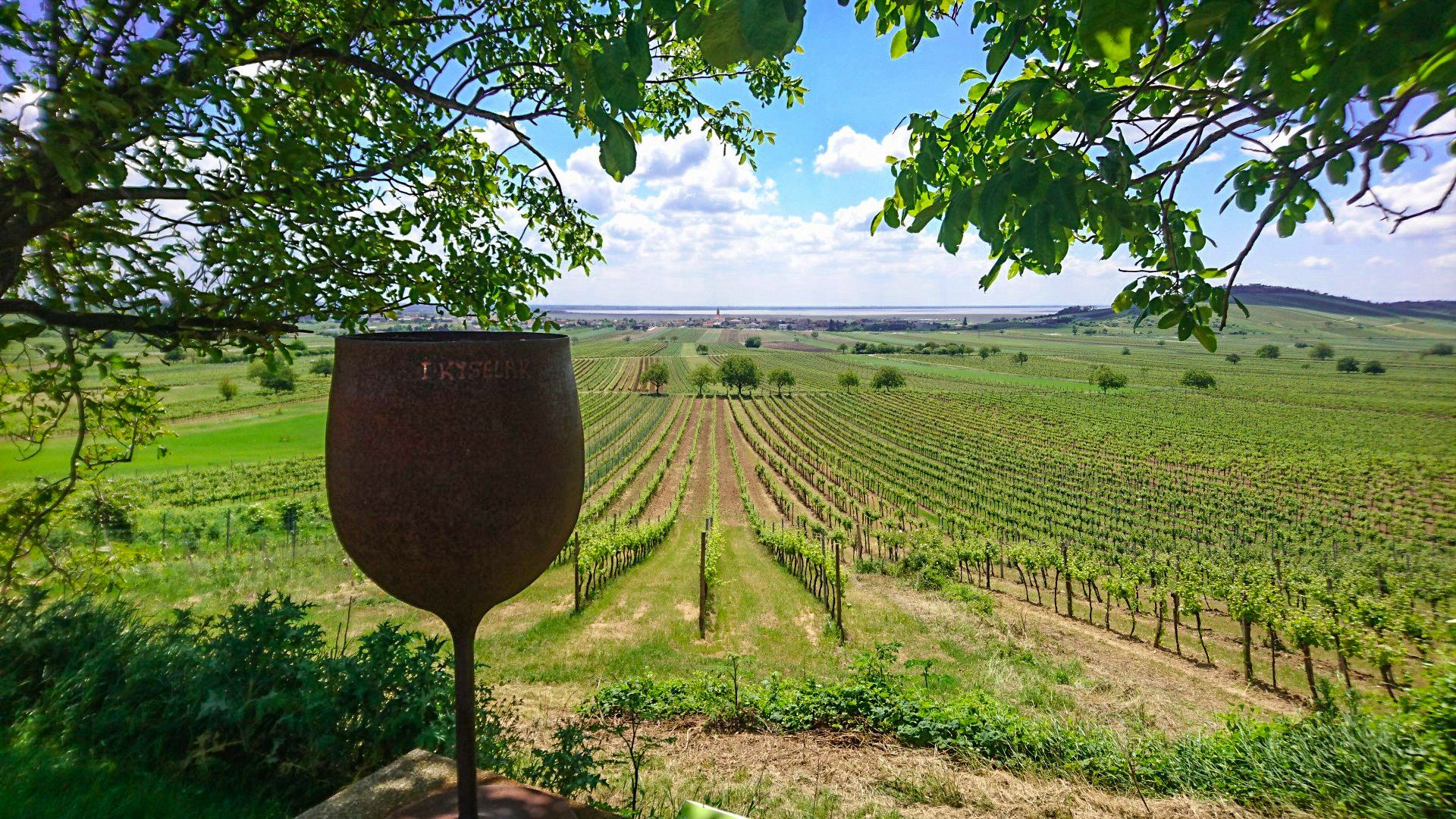
Bus station hiking trails in Neusiedler See-Seewinkel National Park offer access to Austria's only steppe national park, a UNESCO World Heritage site. The region is characterized by the shallow waters and extensive reed beds of Lake Neusiedl, alongside the salt pans (Lacken) of the Seewinkel region. Hikers will find a mosaic of habitats including hay meadows, pastures, sand dunes, and dry grasslands. The terrain is generally flat with minimal to moderate elevation gain, making routes accessible to various skill levels.
…Last updated: October 3, 2026
4.3
(43)
200
hikers
Moderate hike. Good fitness required. Easily-accessible paths. Suitable for all skill levels.
4.7
(66)
331
hikers
Moderate hike. Good fitness required. Easily-accessible paths. Suitable for all skill levels.

4.5
(21)
112
hikers
10.3km
02:35
10m
10m
Moderate hike. Good fitness required. Easily-accessible paths. Suitable for all skill levels.
4.8
(9)
38
hikers
10.8km
02:43
20m
20m
Moderate hike. Good fitness required. Easily-accessible paths. Suitable for all skill levels.
5.0
(6)
15
hikers
13.3km
03:21
20m
20m
Moderate hike. Good fitness required. Easily-accessible paths. Suitable for all skill levels.
Get access to more routes and recommendations from other explorers.
Already have an account?
Our route recommendations are based on thousands of hikes, rides, and runs completed by other people on komoot.
Start today with a free account
Your next adventure awaits.
Popular around Neusiedler See-Seewinkel National Park
Other adventures in Neusiedler See-Seewinkel National Park


Tips from the Community

The Zicklacke (also called Illmitzer Zicksee) near Illmitz is one of the best-known and largest salt lakes in the Neusiedler See – Seewinkel National Park. These shallow bodies of water are characterized by their high salt content and regularly dry out during hot summer months, leaving behind characteristic whitish salt efflorescences. They serve as an essential habitat for rare, salt-adapted plants (halophytes) and as a central resting and breeding ground for numerous protected bird species, making them a popular destination for nature observations from viewing towers.
1
0
The information center of the Neusiedler See – Seewinkel National Park is located on the outskirts of Illmitz and serves as a central point of contact for exhibitions, expert advice, and information about the region's unique habitats. It offers interactive insights into the species-rich birdlife, the typical salt pans, and the reed belt of the UNESCO World Heritage site. Furthermore, it is the ideal starting point for guided excursions, nature experiences, and bike tours through the cross-border national park.
2
0
The Vogelturm Lange Lacke (often also referred to as Aussichtsturm Lange Lacke Süd) is located directly on the southern shore of the Lange Lacke near Apetlon. It serves as an optimal observation point for undisturbed viewing of the species-rich birdlife and the typical Pannonian lake landscape from above. Due to its location on the well-known Lackenradweg cycle path and on circular hiking trails, the wooden tower is a popular destination for cyclists, hikers, and ornithologists.
2
0
The Fürst Paul V. Esterházy Observation Tower (often simply referred to as the Sandeck Cycle Path Observation Tower) is a modern viewing platform near Illmitz. The platform was built as part of the cross-border nature conservation project PaNaNet and blends harmoniously into the flat Pannonian landscape with its wooden architecture. The tower stands on stilts, thus avoiding any soil sealing during its construction.
2
0
The Austro-Hungarian Baroque Donkeys (also called Goldschimmel) are a very special attraction and an important part of nature conservation in the national park. After the decline of the monarchy, the animals were almost extinct. It was only at the end of the 20th century that the rescue of the breed began. Today, there are only a few hundred specimens worldwide again, making them continue to be among the highly endangered domestic animal breeds.
2
0

Beautiful landscape around the lake
3
0
Super platform, beautiful landscape around the lake
3
0
Frequently Asked Questions
How many hiking trails are accessible directly from bus stations in Neusiedler See-Seewinkel National Park?
There are over 240 hiking trails in Neusiedler See-Seewinkel National Park that are easily accessible from bus stations, offering a wide range of options for all skill levels.
What kind of terrain can I expect on bus-accessible hikes in Neusiedler See-Seewinkel National Park?
The bus-accessible trails primarily traverse the unique steppe landscape of the National Park. You can expect mostly flat terrain, winding through vast reed beds, past shallow salt pans (Lacken), hay meadows, and occasionally vineyards. Elevation gain is generally minimal, making most routes accessible and enjoyable.
Are there circular hiking routes available from bus stops?
Yes, many of the trails accessible from bus stops are circular routes, allowing you to start and end your hike at the same point without needing to retrace your steps. For example, the Zicksee and Geiselsteller loop is a moderate circular hike that can be reached by public transport.
What natural features or wildlife can I expect to see on these bus-accessible trails?
The National Park is a haven for nature lovers. On bus-accessible trails, you'll frequently encounter the vast reed belts of Lake Neusiedl and the unique salt pans like Zicklacke (Illmitz-Hölle) or Lange Lacke. These areas are crucial for birdwatching, with over 300 species, including herons, spoonbills, and avocets. You might also spot Hungarian longhorns or water buffalos in the meadows.
Are there any specific viewpoints or observation towers accessible from bus station trails?
Absolutely. Many trails lead to excellent vantage points. For instance, the Birdwatching Observation Tower – Lange Lacke loop offers superb views and birdwatching opportunities. Other notable spots include the Hölle Observation Tower and the Lange Lacke North Observation Tower, both providing panoramic vistas of the unique landscape.
Are the bus-accessible hiking trails suitable for families with children?
Yes, many of the trails are well-suited for families. The generally flat terrain and moderate distances make them manageable for children. Look for routes around Illmitz or Pamhagen, which often feature easy paths and opportunities for wildlife spotting, keeping younger hikers engaged.
Can I bring my dog on these bus station hikes?
Dogs are generally welcome on trails in the National Park, but they must be kept on a leash to protect the sensitive wildlife and ecosystems. Always check local signage for any specific restrictions, especially in core protection zones or during breeding seasons. Remember to bring water for your dog, as shade can be limited.
What is the best time of year to hike from bus stations in Neusiedler See-Seewinkel National Park?
Spring (April-May) and autumn (September-October) are ideal. During these seasons, the weather is pleasant, and the bird migration offers spectacular viewing opportunities. Summer can be hot with less shade, while winter offers a unique, tranquil experience, though some facilities might have reduced hours.
What amenities like cafes or restaurants are available near bus stops and trailheads?
Many villages within the National Park, such as Illmitz, Apetlon, and Pamhagen, have bus stops that are close to trailheads and offer local amenities. You'll find traditional 'Heuriger' (wine taverns), cafes, and restaurants where you can enjoy regional specialties and local wines after your hike.
How long do the bus-accessible hikes typically take?
The duration varies, but many bus-accessible routes are designed for day trips. You can find hikes ranging from 2-3 hours for shorter, easier loops to 4-5 hours or more for longer, moderate trails. For instance, the St. Bartholomäus Spring – Zicklacke loop from Illmitz takes around 2.5 hours.
What do other hikers enjoy the most about hiking in Neusiedler See-Seewinkel National Park?
The area is highly rated by the komoot community, with an average score of 4.49 stars. Reviewers often praise the unique steppe landscape, the incredible birdwatching opportunities, the peaceful atmosphere, and the well-maintained, accessible paths that make exploring the diverse ecosystems a joy.
Most popular routes in Neusiedler See-Seewinkel National Park
Most popular attractions in Neusiedler See-Seewinkel National Park

Get inspired with the komoot mobile app


Explore more
Browse the best Hikes in other regions.
