The best traffic-free bike rides around Villa D'Almè
4.4
(868)
34,153
riders
41
rides
No traffic road cycling routes around Villa D'Almè are situated in a region characterized by diverse landscapes, including the valleys of Val Brembana, rolling hills, and the Brembo River. The area offers varied terrain suitable for road cycling, from routes along riverbeds to ascents into the surrounding hills. This geographical composition provides a range of gradients and scenic backdrops for cyclists.
Best no traffic road cycling routes around Villa D'Almè
- The most popular no traffic road cycling route is Valcava…
Last updated: May 18, 2026
4.3
(21)
893
riders
83.8km
04:52
2,040m
2,040m
Embark on a challenging road cycling adventure with the Valcava Pass and Valle Imagna Loop, a difficult route spanning 52.1 miles (83.8 km). You will conquer a significant 6686 feet…
5.0
(6)
415
riders
46.4km
02:08
550m
550m
Moderate road ride. Good fitness required. Mostly well-paved surfaces and easy to ride.

Sign up for free
4.6
(7)
200
riders
Moderate road ride. Good fitness required. Some segments of this route may be unpaved and difficult to ride.
4.7
(3)
166
riders
Moderate road ride. Good fitness required. Some segments of this route may be unpaved and difficult to ride.
5.0
(2)
76
riders
30.9km
01:33
400m
400m
Moderate road ride. Good fitness required. Some segments of this route may be unpaved and difficult to ride.
Get access to more routes and recommendations from other explorers.
Sign up for free
Already have an account?
Our route recommendations are based on thousands of hikes, rides, and runs completed by other people on komoot.
Start today with a free account
Your next adventure awaits.
Login or Signup
Popular around Villa D'Almè
Tips from the Community

The Naviglio della Martesana is perhaps the least known among the ancient artificial canals that connect Milan to the great Lombard rivers. It originates from the Adda river in Concesa, a hamlet of Trezzo d’Adda, crosses the sub-region of Martesana, northeast of the provincial capital, and once in the city, it goes underground beneath via Melchiorre Gioia, near Cassina de’ Pomm. It measures approximately 38 km in length, with a width varying from 9 to 18 meters. However, in the past, the Naviglio della Martesana continued in the open air all the way to the center, where a system of locks centered on the Conca dell’Incoronata connected it to the short Naviglio di S. Marco and the urban network of the Navigli. The lock was inaugurated in 1496, utilizing lock gates designed by Leonardo da Vinci. The canal had been opened in 1471, under Francesco Sforza. By connecting it to the other Navigli, Leonardo laid the foundations for realizing a dream of the Sforza family: to travel by water from the Ticino river, and therefore from Lake Maggiore, to the Adda river.
1
0
Naviglio della Martesana is perhaps the least known of the ancient artificial canals connecting Milan to the great Lombard rivers. It originates from the Adda in Concesa, a hamlet of Trezzo d’Adda, crosses the Martesana sub-region, northeast of the provincial capital, and once in the city, it plunges underground beneath Via Melchiorre Gioia, at the height of Cassina de’ Pomm. It measures approximately 38 km in length, with a width varying from 9 to 18 meters. However, once upon a time, the Naviglio della Martesana continued in the open air all the way to the center, where a lock system centered on the Conca dell’Incoronata connected it to the short Naviglio di S. Marco and the urban network of the Navigli. The lock was inaugurated in 1496, utilizing lock gates designed by Leonardo da Vinci. The canal had been opened in 1471, under Francesco Sforza. By connecting it to the other Navigli, Leonardo laid the foundations for realizing a dream of the Sforzas: to travel by water from the Ticino, and therefore from Lake Maggiore, all the way to the Adda.
1
0
The route runs alongside the Naviglio della Martesana, perhaps the least known among the ancient artificial canals connecting Milan to the great Lombard rivers. It originates from the Adda river in Concesa, a hamlet of Trezzo d’Adda, crosses the Martesana sub-region, north-east of the provincial capital, and once in the city, it plunges underground beneath via Melchiorre Gioia, near Cassina de’ Pomm. It measures approximately 38 km in length, with a width varying from 9 to 18 meters. However, at one time, the Naviglio della Martesana continued in the open air right into the center, where a system of locks centered on the Conca dell’Incoronata connected it to the short Naviglio di S. Marco and the urban ring of the Navigli. The lock was inaugurated in 1496, utilizing lock gates designed by Leonardo da Vinci. The canal had been opened in 1471, under Francesco Sforza. By connecting it to the other Navigli,
2
0
The construction of the Naviglio Piccolo, later called della Martesana, was initiated by Francesco Sforza in 1475 to move along the route "machinery, oil presses, spinning mills, paper mills". It originates from the Adda river, on the right bank, below the Castle of Trezzo and reaches Milan at Cascina de' Pomm, ending up buried at San Marco. The Naviglio della Martesana, definitively completed in 1496 under the guidance of Ludovico il Moro, flows from Trezzo sull’Adda to Milan for a total length of 38 km. The route runs alongside the ancient Roman road that crossed the Adda with two branches: at Vaprio and at Cassano. Concurrently with the improvement of the agricultural structure thanks to irrigation, a notable flourishing of stately villas occurred in the Baroque era. The irrigational function of the Martesana marks the clear boundary between the dry plain to the north and the irrigated plain to the south.
1
0
The construction of the Naviglio Piccolo, later known as the Martesana, was started by Francesco Sforza in 1475 to transport along the route "grinding stones, oil presses, spinning mills, paper mills". It originates from the Adda, on the right bank, below the Castle of Trezzo and reaches Milan at Cascina de' Pomm, ending buried at San Marco. The Naviglio della Martesana, definitively completed in 1496 under the guidance of Ludovico il Moro, flows from Trezzo sull’Adda to Milan for a total length of 38 km. The route runs alongside the ancient Roman road that crossed the Adda with two branches: at Vaprio and at Cassano. Concurrently with the improvement of the agricultural structure thanks to irrigation, a notable flourishing of stately villas occurred in the Baroque era. The irrigation function of the Martesana marks the clear boundary between the dry plain, to the north, and the irrigated plain, to the south.
2
0
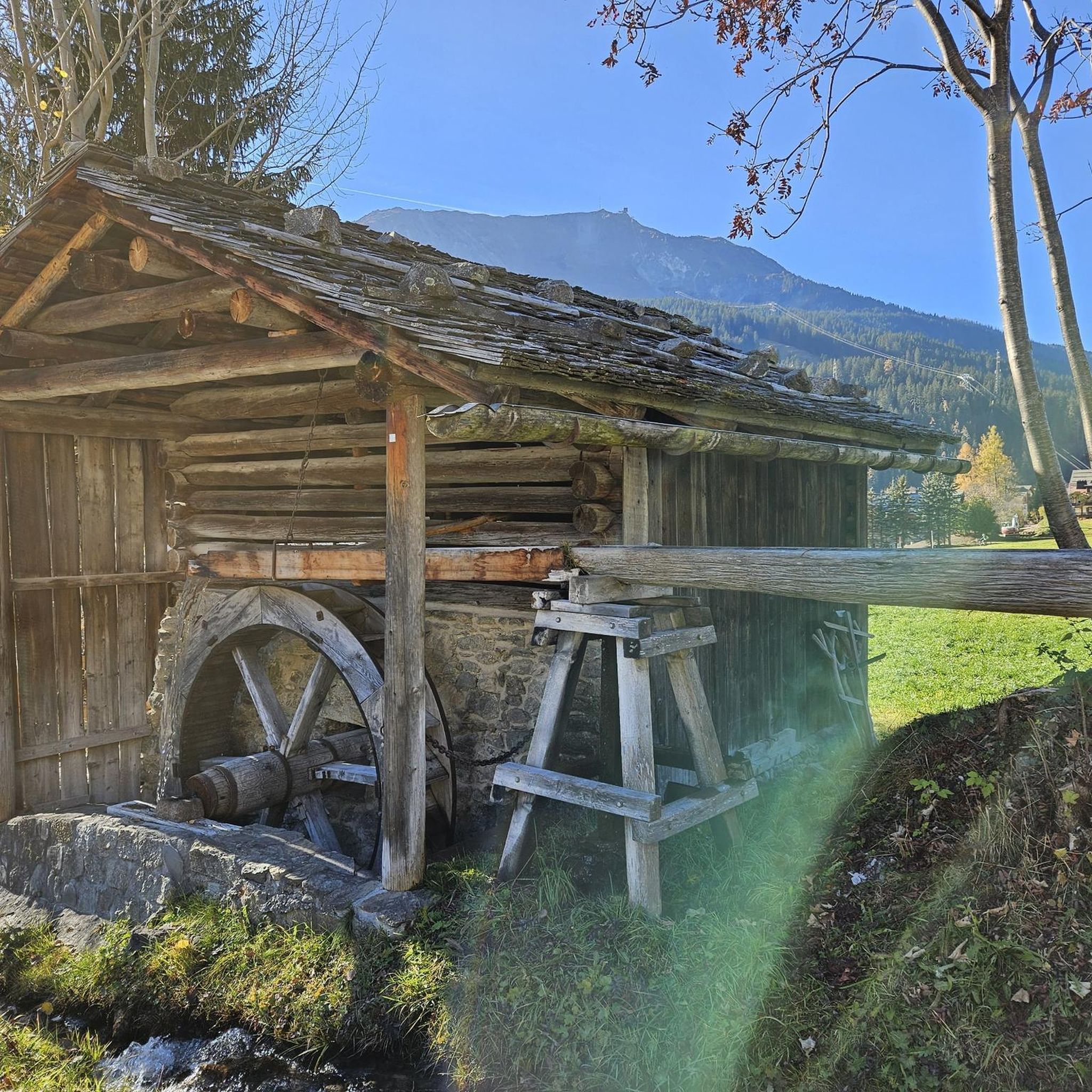
The imposing water wheel (about eleven meters in diameter) was built in the early 17th century by Cardinal Federico Borromeo to lift water from the canal and convey it to the nearby Archbishop's Palace. A washhouse can be seen near the wheel.
1
0

Just past the Martesana section near the Adriano neighborhood, there's a bit of new, smooth pavement. This bike path is always beautiful as you leave Milan.
1
0

Porta San Lorenzo, also known as Porta Garibaldi, is the smallest of the four gates to the upper town of Bergamo, built by the Venetian Republic between 1562 and 1563. It takes its name from the church of San Lorenzo, which was demolished for the construction of the city walls and was closed from 1605 to 1627 because it was deemed difficult to defend. On June 8, 1859, Giuseppe Garibaldi entered the city through this gate, an event commemorated by a plaque on its façade.
0
0
Frequently Asked Questions
How many no-traffic road cycling routes are available around Villa D'Almè?
There are over 35 no-traffic road cycling routes around Villa D'Almè, catering to various skill levels. You'll find a good mix of moderate and challenging rides, with a few easier options as well.
Are there easy no-traffic road cycling routes suitable for beginners or families?
Yes, there are several easier no-traffic road cycling routes. The San Giacomo Gate – View of the Bergamo Hills loop from Paladina is a moderate option that could be suitable for those looking for a less strenuous ride, offering scenic views without heavy traffic. For a truly relaxed experience, consider sections of the Val Brembana Cycle Path, which follows a former railway track.
What are some challenging no-traffic road cycling routes for experienced riders?
Experienced riders seeking a challenge will find several demanding routes. The Valcava Pass and Valle Imagna Loop is a difficult 83.8 km route with over 2,000m of elevation gain. Another challenging option is the Valcava Pass loop from Capizzone, which covers 34 km with nearly 940m of climbing.
Can I find circular no-traffic road cycling routes around Villa D'Almè?
Yes, many of the no-traffic road cycling routes around Villa D'Almè are designed as loops. For example, the Valcava Pass and Valle Imagna Loop and the Colle dei Pasta – The Vineyards of Scanzo loop from Colle Aperto are excellent circular options that allow you to start and finish in the same location.
What scenic views or landmarks can I expect along these no-traffic routes?
The routes offer diverse scenery, from the lush Val Brembana to panoramic views of Bergamo and its surrounding hills. You might encounter historic villages like Cornello dei Tasso, or enjoy the Art Nouveau architecture of San Pellegrino Terme. Some routes, like the Colle dei Pasta – View of the Bergamo Hills loop from Trenino "Le Cornelle", specifically highlight viewpoints. For more natural beauty, the Val Brembana itself is known for its high peaks and picturesque river. You can also explore highlights like the Maresana Hill for elevated perspectives.
Is the Val Brembana Cycle Path a good option for traffic-free cycling?
Yes, the Val Brembana Cycle Path is an excellent choice for traffic-free cycling. A significant portion of it follows a former railway track along the Brembo River, providing a scenic and safe environment for cyclists. It allows you to travel from Villa D'Almè towards Piazza Brembana, offering a peaceful ride through the valley.
What is the best season for no-traffic road cycling in Villa D'Almè?
The best seasons for no-traffic road cycling around Villa D'Almè are generally spring and autumn. During these times, the weather is pleasant, and the landscapes are particularly vibrant. Summer can also be enjoyable, especially in the mornings or late afternoons, though some higher elevation routes might be cooler. Winter cycling is possible, but some routes, especially those at higher altitudes, may be affected by snow or ice.
Are there bike-friendly cafes or stops along the no-traffic routes?
While specific cafes are not listed, the region around Villa D'Almè and the Val Brembana is dotted with charming villages and towns. Places like San Pellegrino Terme and the historic villages within Val Brembana offer opportunities for refreshment stops. Many local establishments are accustomed to cyclists and provide a welcoming atmosphere.
Where can I park my car to access these no-traffic road cycling routes?
Parking is generally available in and around Villa D'Almè and the starting points of many routes. For routes accessing the Val Brembana Cycle Path, you can often find parking in towns along the path. When planning your ride, check the specific route details on komoot for suggested starting points and parking information.
What do other road cyclists enjoy most about no-traffic routes in Villa D'Almè?
The komoot community highly rates the road cycling experience around Villa D'Almè, with an average score of 4.5 stars. Cyclists often praise the diverse landscapes, the opportunity to explore the beautiful Val Brembana, and the well-maintained routes that offer a peaceful ride away from heavy traffic. The combination of challenging climbs and scenic, quiet roads is a particular highlight for many.
Are there any unique attractions or points of interest near the no-traffic cycling routes?
Absolutely. The region is rich in attractions. You can visit the Gravel Climb to Monte Canto for a different kind of challenge, or explore the historic Upper Town of Bergamo (Bergamo Alta) with its ancient Venetian walls, a UNESCO World Heritage site, which is easily accessible from Villa D'Almè. The Val Brembana also features the spectacular Ponte nel Sole (Tibetan Bridge) and the unique Tree Cathedral in Oltre il Colle.
Most popular routes around Villa D'Almè
Most popular attractions around Villa D'Almè

Get inspired with the komoot mobile app


Explore more
Browse the best Road cycling routes in other regions.
