Routes

Planner

Features

Updates

App

Login or Signup

Get the App

Login or Signup

Login or Signup

Routes
Cycling routes
Italy
Friuli Venezia Giulia
Udine

Bagnaria Arsa

The best traffic-free bike rides around Bagnaria Arsa

4.3

(1956)

11,424

riders

70

rides

No traffic touring cycling routes around Bagnaria Arsa are characterized by the flat terrain of the lower Friulian plain, making them accessible for various skill levels. The region features extensive agricultural plains, intersected by a network of drainage channels and ditches, often bordered by rows of trees. Cyclists will find routes winding through cultivated fields and along historical waterways, with the area situated about 20 meters above sea level. This landscape provides a serene setting for cycling, connecting charming villages…

Last updated: May 18, 2026

4.3

(3)

52

riders

#1.

Bastions of Palmanova – Old City Gate of Palmanova loop from Sevegliano / Sevean

9.96km

00:35

20m

20m

Easy bike ride. Great for any fitness level. Mostly paved surfaces. Suitable for all skill levels.

Navigate with device

Send to Phone

Save

Easy

Easy bike ride. Great for any fitness level. Mostly paved surfaces. Suitable for all skill levels.

Easy
guide_signup
Let us show you the way with the komoot mobile app
With a free komoot account, you can easily find, customize, and navigate endless outdoor adventures.

Sign up for free

Easy bike ride. Great for any fitness level. Mostly paved surfaces. Suitable for all skill levels.

Easy

Easy bike ride. Great for any fitness level. Mostly paved surfaces. Suitable for all skill levels.

Easy

Easy bike ride. Great for any fitness level. Mostly paved surfaces. Suitable for all skill levels.

Easy
Sign up for free to see 66 more rides around Bagnaria Arsa.

Get access to more routes and recommendations from other explorers.

Sign up for free

Already have an account?

Our route recommendations are based on thousands of hikes, rides, and runs completed by other people on komoot.

Start today with a free account

Your next adventure awaits.

Login or Signup

Popular around Bagnaria Arsa
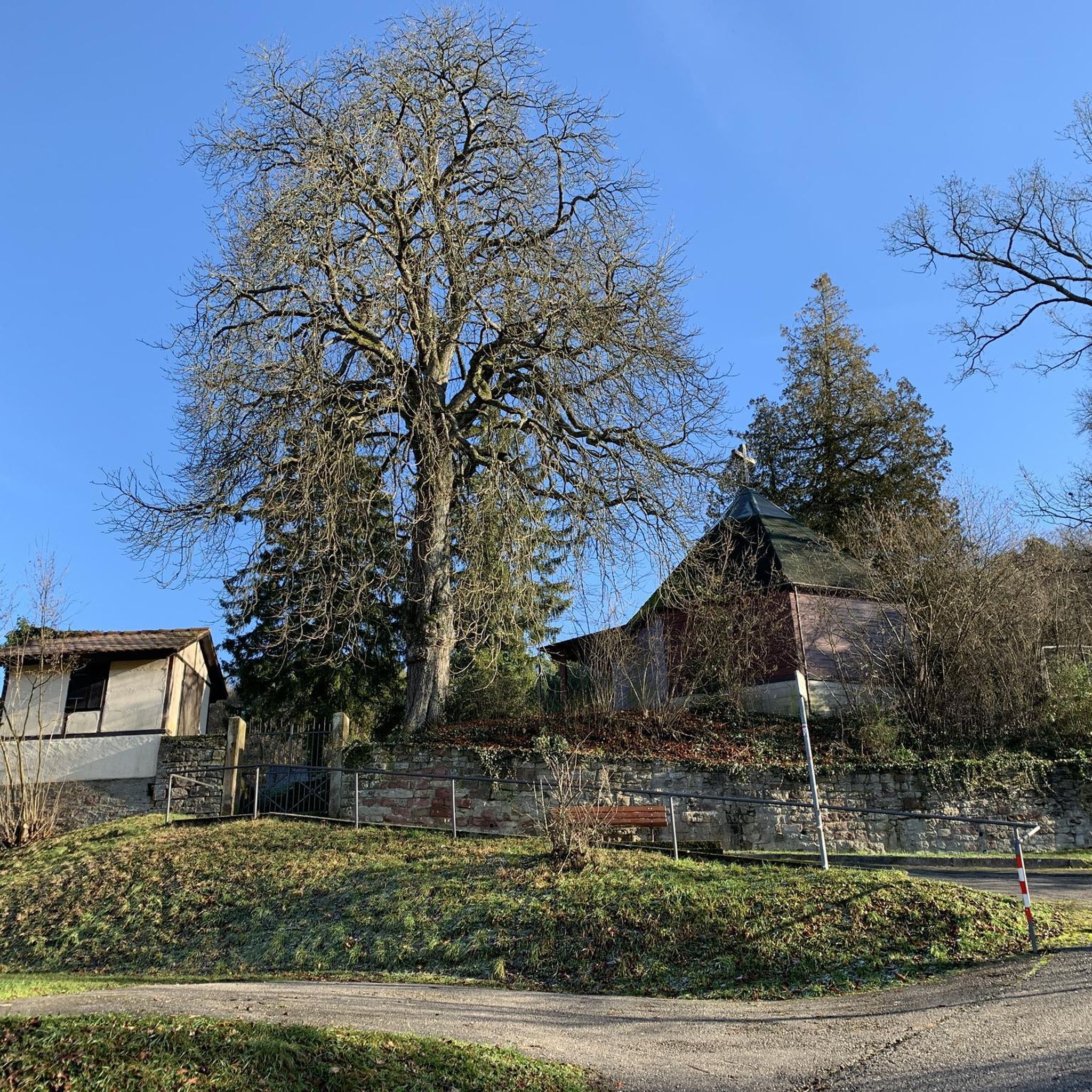
Traffic-free bike rides around Bagnaria Arsa

Traffic-free bike rides around Bagnaria Arsa

Tips from the Community

Viaggiatore Lento
March 8, 2026, Old City Gate of Palmanova

Cycling along the walls of the Star City of Palmanopva is always a great ride

Translated by Google

0

0

Harald
October 19, 2025, Kirche in Villanova

The “Chiesa di San Floriano” is dedicated to the martyr St. Florian and is impressive due to the small bell tower to the right of the church, which is considerably lower than the church itself.

Translated by Google

1

0

it is beautiful to visit this castle

Translated by Google

1

0

The first mention of the village of Torviscosa dates back to 1278, when it was known as Zuino. The surrounding area was rich in water due to numerous springs and threatened to become swampy without adequate canalization. The Counts of Savorgnan, who owned these lands from 1344 to 1818, therefore initiated the first reclamation measures at the end of the 17th century. On the drained land, only the tower of a medieval castle remained standing, which is why the village was renamed Torre di Zuino. Later, other buildings were added, and in 1727, the church of Santa Maria Assunta was added. Until 1915, the village was the last Italian town before the border with Austria-Hungary, a fact commemorated by a plaque on the outskirts of the village. Today, the industrial town of Torviscosa is a planned town built during the heyday of Italian fascism. It was founded in 1937 by Franco Marinotti and takes its name from the pre-war period (Torre) and the processed textile fibers (Viscosa). The totalitarian regimes that shaped much of Europe in the middle decades of the 20th century had a significant impact on urban design. These regimes founded or rebuilt cities, often drawing on the most modern architectural and urban design projects of the time. The oldest part of the industrial complexes included buildings intended for various purposes, all with red brick facades. The desire to organize civilian life based on the same rules that exist in factories was translated into urban planning by a clear separation of residential areas according to professional categories. The houses of the managers, the residences for employees and technicians, and the residential buildings for industrial workers were located in different areas of the main town, while the outskirts of the municipality were reserved for agricultural workers. Even today, the planning and construction of that time are omnipresent and barely altered throughout the city. On the outskirts, buildings and houses have been constructed in keeping with modern times. In terms of social life, the city feels like a mixture of Disneyland, the film A Clockwork Orange, and film studios like Universal Studios. Sources: https://de.wikipedia.org/wiki/Fabrikstadt_Torviscosa, https://grado.it/de/reisetipps/umgebung/torviscosa

Translated by Google

0

0

The first mention of Torviscosa dates back to 1278, when it was known as Zuino. The surrounding area was rich in water due to numerous springs and threatened to become marshy without proper drainage. The Counts of Savorgnan, who owned these lands from 1344 to 1818, therefore initiated the first land reclamation measures at the end of the 17th century. Only the tower of a medieval castle remained standing on the drained land, which is why the village was renamed Torre di Zuino. Later, other buildings were added, and in 1727 the Church of Santa Maria Assunta was built. Until 1915, the village was the last Italian town before the border with Austria-Hungary, a fact commemorated today by a plaque on the outskirts of the town. The modern industrial city of Torviscosa is a planned city built during the heyday of Italian Fascism. It was founded in 1937 by Franco Marinotti and takes its name from the pre-war era (Torre) and processed textile fibers (Viscosa). The totalitarian regimes that dominated much of Europe in the mid-20th century had a significant impact on urban planning. These regimes founded or rebuilt cities, often drawing on the most modern architectural and urban design projects of the time. The oldest part of the industrial complex comprised buildings for various purposes, all sharing red brick facades. The desire to organize civic life according to the same rules that existed in the factory was translated into a clear separation of residential areas based on occupational categories in the urban planning. The houses of managers, residences for employees and technicians, and housing for factory workers were located in different areas of the main town, while the outskirts of the municipality were reserved for agricultural laborers. ... Even today, the original planning and construction methods are omnipresent in the city and remain largely unchanged. On the city's outskirts, buildings and houses have been erected in a more modern style. In terms of social life, the city resembles a blend of Disneyland, the film A Clockwork Orange, and film studios like Universal Studios. Sources: https://de.wikipedia.org/wiki/Fabrikstadt_Torviscosa, https://grado.it/de/reisetipps/umgebung/torviscosa

Translated by Google

0

0

The first mention of the village of Torviscosa dates back to 1278, when it was known as Zuino. The surrounding area was rich in water due to numerous springs and threatened to become swampy without adequate canalization. The Counts of Savorgnan, who owned these lands from 1344 to 1818, therefore initiated the first reclamation measures at the end of the 17th century. On the drained land, only the tower of a medieval castle remained standing, which is why the village was renamed Torre di Zuino. Later, other buildings were added, and in 1727, the church of Santa Maria Assunta was added. Until 1915, the village was the last Italian town before the border with Austria-Hungary, a fact commemorated by a plaque on the outskirts of the village. Today, the industrial town of Torviscosa is a planned town built during the heyday of Italian fascism. It was founded in 1937 by Franco Marinotti and takes its name from the pre-war period (Torre) and the processed textile fibers (Viscosa). The totalitarian regimes that shaped much of Europe in the middle decades of the 20th century had a significant impact on urban design. These regimes founded or rebuilt cities, often drawing on the most modern architectural and urban design projects of the time. The oldest part of the industrial complexes included buildings intended for various purposes, all with red brick facades. The desire to organize civilian life based on the same rules that exist in factories was translated into urban planning by a clear separation of residential areas according to professional categories. The houses of the managers, the residences for employees and technicians, and the residential buildings for industrial workers were located in different areas of the main town, while the outskirts of the municipality were reserved for agricultural workers. Even today, the planning and construction of that time are omnipresent and barely altered throughout the city. On the outskirts, buildings and houses have been constructed in keeping with modern times. In terms of social life, the city feels like a mixture of Disneyland, the film A Clockwork Orange, and film studios like Universal Studios. Sources: https://de.wikipedia.org/wiki/Fabrikstadt_Torviscosa, https://grado.it/de/reisetipps/umgebung/torviscosa

Translated by Google

0

0

Harald
October 3, 2025, Intorno al Castello

The village surrounding the castle has continually expanded and has been well preserved and restored. All information: https://www.borghibellifvg.it/de/die-dorfer/strassoldo

Translated by Google

1

1

Strassoldo is a medieval village that was included in the 2019 list of the "Borghi più belli d'Italia" (Most Beautiful Villages in Italy). With its two castles, Strassoldo represents a rare example of a well-preserved medieval village of exceptional charm. The Strassoldo family is one of the few examples of feudal lords who have remained in possession of the castles since their foundation and continue to inhabit them to this day. The castles can be entered through two entrance gates, and the paths inside are paved. The village surrounding the castle has continually expanded and has been well preserved and restored. Two mills with working wheels are particularly charming, one of which dates back to the 12th century and has been in operation for over seven hundred years. Full information: https://www.borghibellifvg.it/de/die-dorfer/strassoldo

Translated by Google

0

0

Frequently Asked Questions

How many no-traffic touring cycling routes are available in Bagnaria Arsa?

There are over 70 no-traffic touring cycling routes around Bagnaria Arsa, offering a wide variety of options for all skill levels. You'll find 43 easy routes, 15 moderate, and 14 more challenging options.

What kind of landscapes can I expect on these traffic-free cycling routes?

The routes in Bagnaria Arsa primarily traverse the well-preserved agricultural plains of the eastern lower Friulian plain. You'll cycle through cultivated fields, often bordered by rows of trees, and alongside a network of drainage channels and ditches, offering a tranquil and scenic experience. The flat terrain is characteristic of the region, making for accessible tours.

Are there any circular no-traffic touring bike routes in Bagnaria Arsa?

Yes, many of the no-traffic routes in Bagnaria Arsa are circular, allowing you to start and end your journey in the same location. For example, the easy route Palmanova – Udine Gate loop from Palmanova offers a great circular experience around the historic star-shaped city.

What historical attractions can I visit along the no-traffic touring routes?

The region is rich in history. Many routes pass near or through significant historical sites. You can cycle to the UNESCO World Heritage site of Palmanova, a star-shaped fortress city, or explore the ancient Roman heritage at the Roman Forum of Aquileia, which is approximately 14 km away. The Udine Gate and Porta Aquileia (Palmanova) are also notable historical points of interest.

Are there any family-friendly no-traffic touring bike routes?

Absolutely. The flat terrain and numerous easy routes make Bagnaria Arsa ideal for family cycling. Routes like Porta Aquileia (Palmanova) – Old City Gate of Palmanova loop from Strassoldo are generally suitable for families, offering a safe and enjoyable experience away from vehicle traffic.

What is the best season for no-traffic touring cycling in Bagnaria Arsa?

The best seasons for touring cycling in Bagnaria Arsa are typically spring and autumn. During these times, the weather is mild and pleasant, and the agricultural landscapes are particularly vibrant. Summer can also be enjoyable, especially in the mornings or late afternoons, though it can get quite warm.

Can I find cafes or places to stop for refreshments along these routes?

While the routes prioritize a no-traffic experience through agricultural areas, many pass through or near charming villages and towns where you can find local cafes and eateries. Planning your route with komoot allows you to identify potential stops for refreshments along the way.

What do other touring cyclists enjoy most about the no-traffic routes in Bagnaria Arsa?

The area is highly rated by the komoot community, with an average score of 4.33 stars from over 2,500 ratings. Reviewers often praise the tranquility of the agricultural plains, the well-maintained cycle paths, and the opportunity to explore historical sites like Palmanova without the disturbance of vehicle traffic.

Are there any long-distance cycle paths that connect to the no-traffic routes in Bagnaria Arsa?

Yes, Bagnaria Arsa is integrated into larger regional networks. The area provides access to prominent cycle paths like the Alpe Adria Cycle Route (FVG1), which connects Salzburg to Grado, and the FVG2 Adriatic Sea Cycleway (AdriaBike), extending from Venice to Trieste. These routes often utilize dedicated cycle paths and secondary roads, offering extensive no-traffic touring opportunities.

Are there any routes that offer a glimpse into the region's unique industrial heritage?

Yes, you can explore routes that showcase the region's unique history. For instance, the easy route The Torviscosa company village – Church in Villanova loop from Torviscosa takes you through areas with distinct architectural and historical significance, including the planned industrial town of Torviscosa.

What are some notable viewpoints or scenic spots on the car-free touring bike routes?

The entire region offers picturesque views of agricultural plains, especially where routes are bordered by tree lines and drainage channels. The star-shaped fortifications of Palmanova provide unique architectural viewpoints, and the serene countryside offers ample opportunities for enjoying the peaceful landscape.

Most popular routes around Bagnaria Arsa

Cycling around Bagnaria Arsa

Most popular attractions around Bagnaria Arsa

Places to see

Store rating

Get inspired with the komoot mobile app

With a free komoot account, you can easily find, customize, and navigate endless outdoor adventures.

or

Join komoot Now

Store rating

Explore more

Browse the best Cycling routes in other regions.

TarvisioLignano SabbiadoroMoggio UdineseLatisanaGemona Del FriuliRiserva Naturale Regionale Della Val AlbaMoimaccoReana Del RojaleRonchisNature Reservele Focilo StellaMagnano In RivieraTricesimoCividale Del FriuliVenzoneLago del PredilCassaccoChiusafortePulferoGrimaccoTarcentoBordanoLago Minisini E Rivoli BianchiSutrioTreppo LigosulloResiuttaSavognaRemanzaccoPrepotto / PrapotnoComegliansPreceniccoPontebbaParco naturale regionale delle Prealpi GiulieParco naturale regionale delle Prealpi GiulieSan LeonardoTavagnaccoResiaSedeglianoCodroipoLake Fusine inferioreLake Fusine superioreCamino Al TagliamentoLuseveraLigosulloDognaPalazzolo Dello StellaLake CavazzoTrasaghisPaluzzaNimisRavasclettoTolmezzoSan Pietro Al NatisoneArta TermeCavazzo CarnicoZuglioSaurisMalborghetto ValbrunaDrenchiaAquileiaRigolatoMontenarsCerciventoRive D'ArcanoLaguna di MaranoSan Giovanni Al NatisoneRivignano TeorBujaPaularoPrato CarnicoArtegnaNature Reserve Lake CorninoSan Daniele Del FriuliAttimisColloredo Di Monte AlbanoPavia Di UdineTaipanaVerzegnisOsoppoPoceniaAmaroButtrioCarlinoOvaroForni AvoltriRaveoRagognaFagagnaCorno Di RosazzoStregnaVilla VicentinaAiello Del FriuliMajanoAmpezzoFiumicello Villa VicentinaCampolongo TapoglianoForgaria Nel FriuliTorreanoMoruzzoRudaLaucoSan Vito Al TorreVilla SantinaManzanoEnemonzoPremariaccoVarmoMarano LagunareSan Vito Di FagagnaFaedisTreppo GrandePradamanoViscoPovolettoBertioloTrivignano UdineseTalmassonsTorviscosaMereto Di TombaSocchievePreoneLake RagognaPozzuolo Del FriuliChiopris-VisconeDignanoPagnaccoForni Di SopraCervignano Del FriuliMartignaccoSan Giorgio Di NogaroSanta Maria La LongaLestizzaGonarsBiciniccoTerzo D'AquileiaMuzzana Del TurgnanoFlaibanoCastions Di StradaCoseanoPalmanovaBasilianoPasian Di PratoPorpettoCampoformidoMorteglianoForni Di Sotto

Nearby adventure guides

Things to Do around Cervignano Del Friuli

background

Get ready to conquer new peaks

Sign up for Free

Explore
RoutesRoute plannerFeaturesHikesMTB TrailsRoad cycling routesBikepackingSitemap
Download the app
Follow Us on Socials

© komoot GmbH

Privacy Policy