The best traffic-free bike rides around Villa Di Tirano
4.4
(480)
10,020
riders
72
rides
No traffic touring cycling routes around Villa di Tirano are set within Italy's Valtellina region, characterized by the Adda River valley, terraced vineyards, and the surrounding Rhaetian and Orobie Alps. The terrain primarily features flat or gently sloping paths along the valley floor, with more challenging climbs available in the foothills. The area offers a mix of riverside trails, vineyard routes, and mountain ascents, providing varied landscapes for touring cyclists.
Best no traffic touring cycling routes around Villa di Tirano
…Last updated: October 3, 2026
5.0
(3)
130
riders
66.2km
05:12
1,780m
1,780m
Hard bike ride. Very good fitness required. Mostly paved surfaces. Suitable for all skill levels.
5.0
(1)
119
riders
27.2km
02:18
740m
740m
Hard bike ride. Very good fitness required. Mostly paved surfaces. Suitable for all skill levels.

71
riders
17.1km
01:23
500m
500m
Hard bike ride. Very good fitness required. Mostly paved surfaces. Suitable for all skill levels.
5.0
(2)
65
riders
20.6km
01:50
550m
550m
Hard bike ride. Very good fitness required. Mostly paved surfaces. Suitable for all skill levels.
34
riders
14.8km
00:53
100m
100m
Easy bike ride. Great for any fitness level. Mostly paved surfaces. Suitable for all skill levels.
Get access to more routes and recommendations from other explorers.
Already have an account?
Our route recommendations are based on thousands of hikes, rides, and runs completed by other people on komoot.
Start today with a free account
Your next adventure awaits.
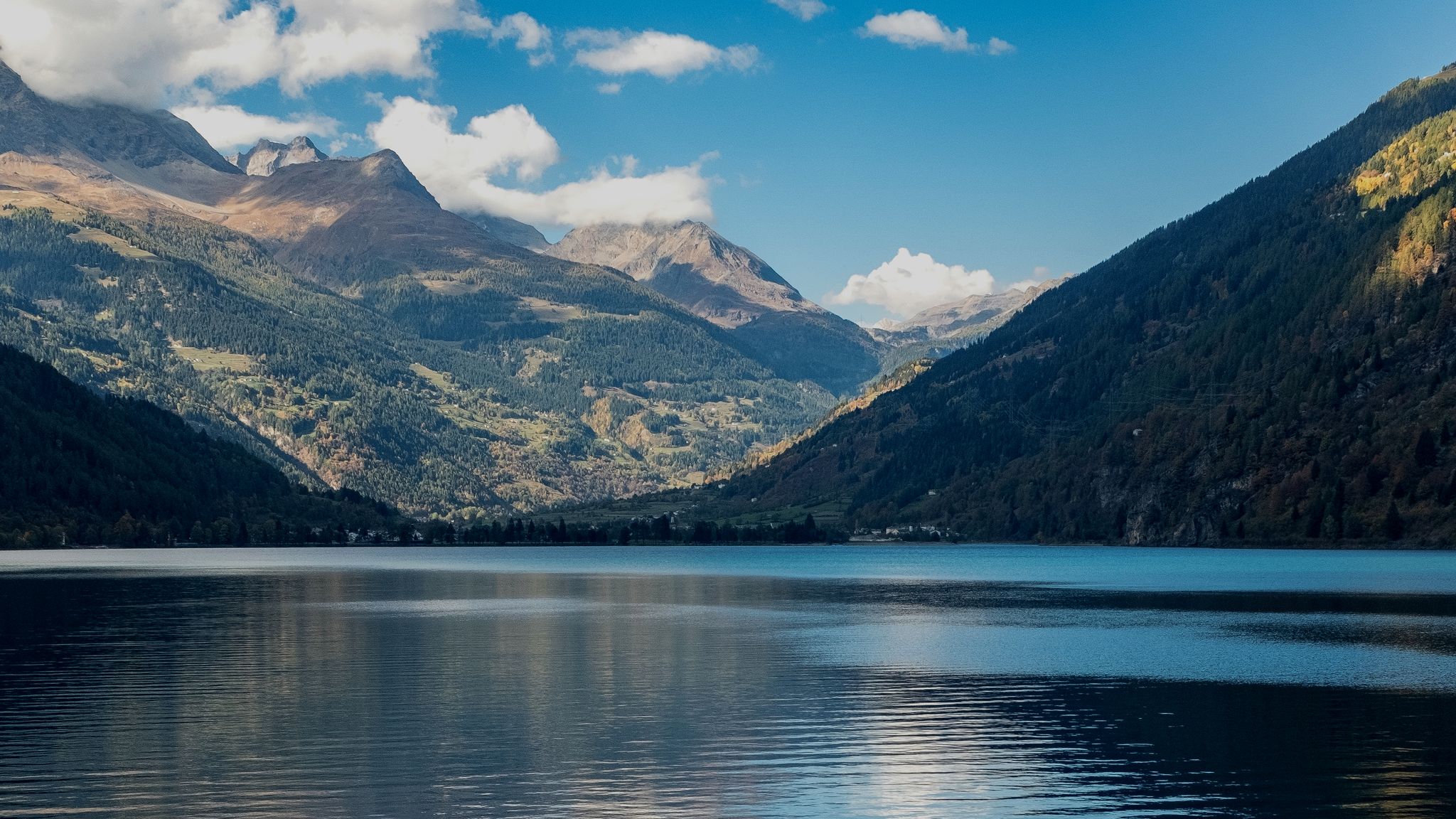
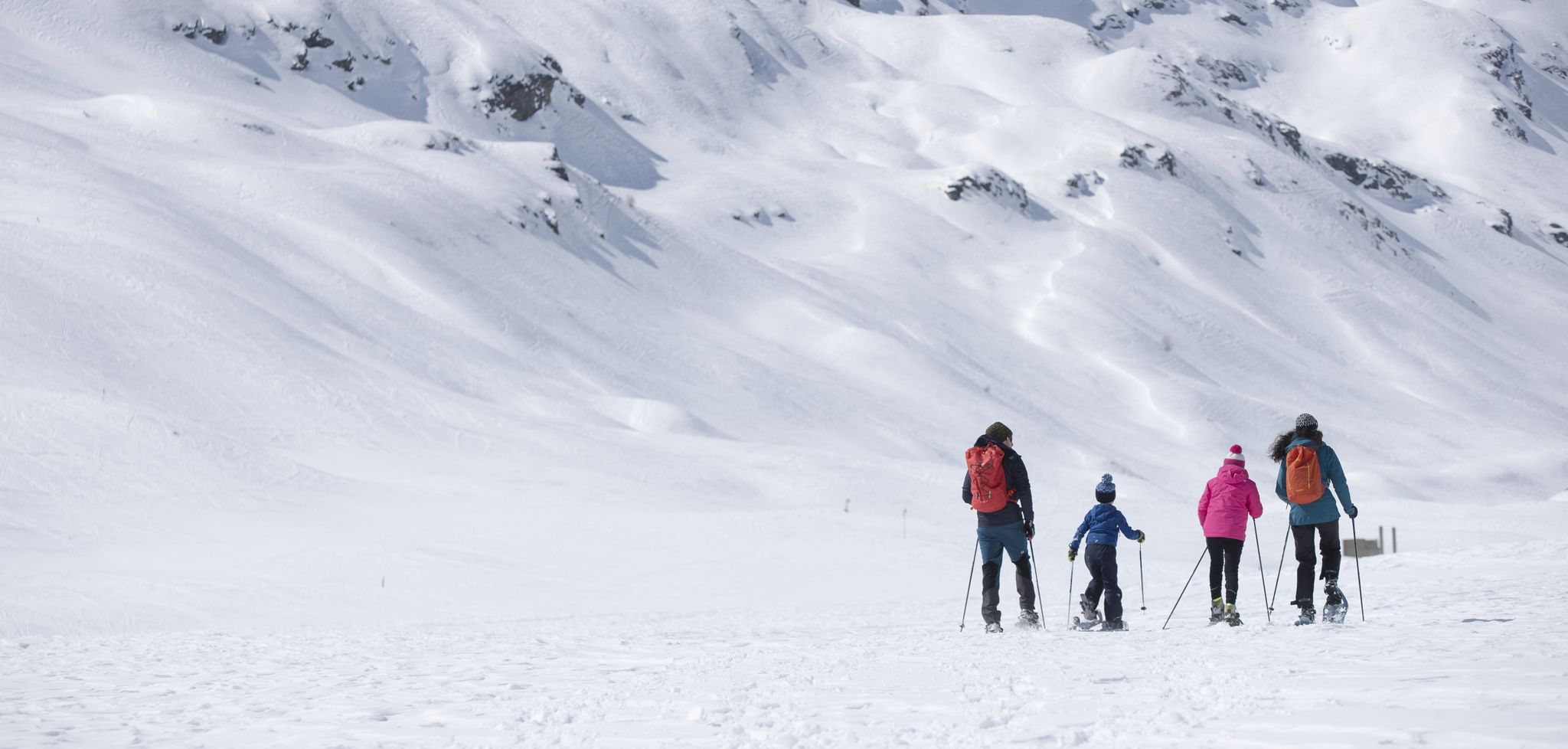

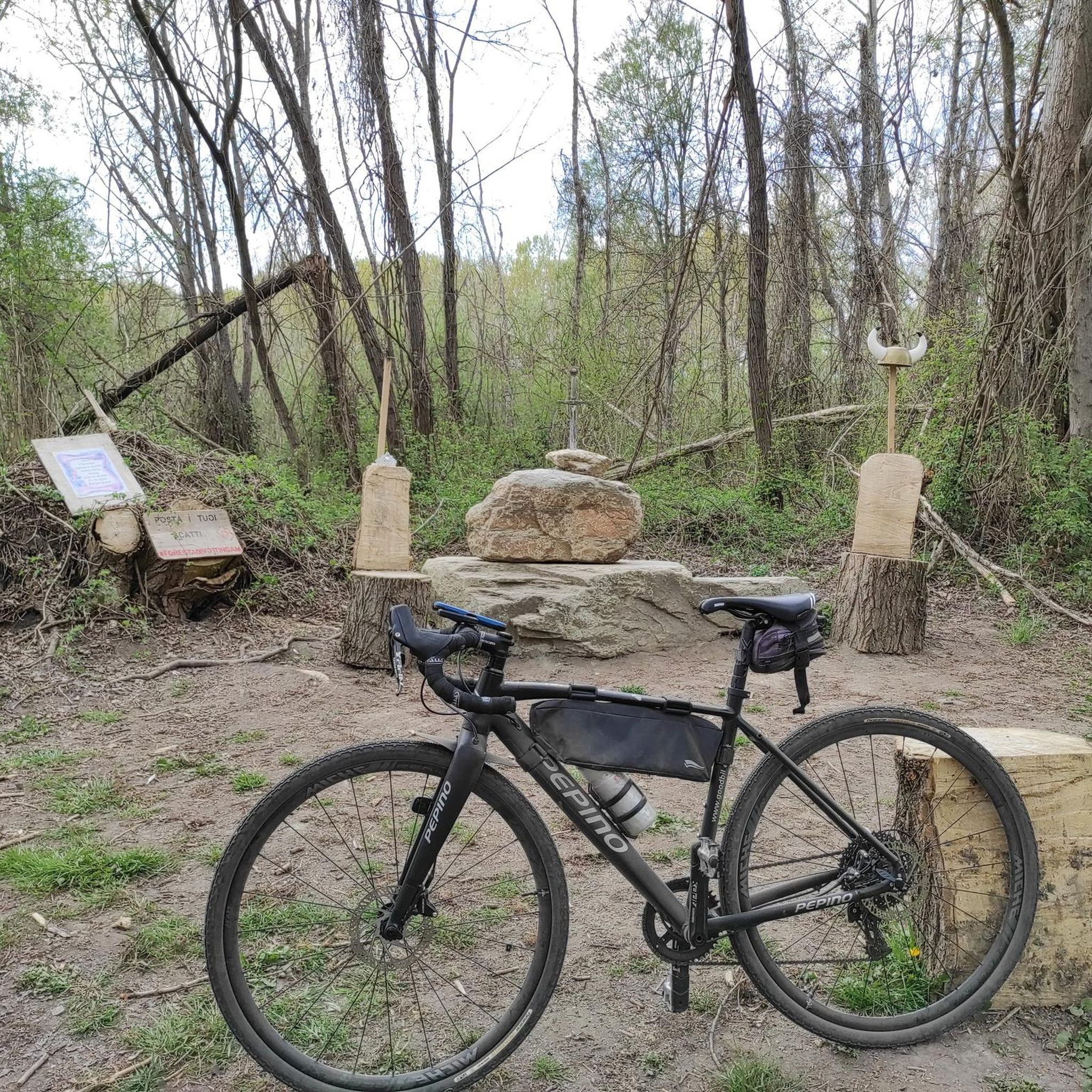
Other adventures around Villa Di Tirano


Tips from the Community

From here you can access the historic center of Tirano.
0
0

The pedestrian bridge is beautifully integrated into the old city fortifications
5
0
The terminus of the Bernina Line. You can also reach it without the Bernina Express by regular regional train. Or by bus from Samedan or Pontresina to La Prese and then change to the regional train for the rest of the journey.
5
0

The station, located at an altitude of 429 meters above sea level, was opened on June 29, 1902, along with the newly constructed line from Sondrio. The placement of the station building on the side was a preliminary construction step for the then-planned but never-realized extension towards Bormio, the so-called Ortler Railway. Since July 1, 1908, Tirano has also served as a transfer station to the Bernina Railway. At that time, the RhB built its own station building on the forecourt of the Italian station. Passenger traffic on the Italian line is now handled by Trenord. Source: https://de.wikipedia.org/wiki/Bahnhof_Tirano
4
0
Tirano is a small Italian town at the entrance to the Veltins mountain range near the Swiss border and is known as the terminus of the Bernina Express, a UNESCO World Heritage Site. The town is home to the Madonna di Tirano pilgrimage church, a stunning 16th-century basilica. Tirano boasts a picturesque old town with stately homes, a medieval city wall, and is a center for local culinary delights and wine tastings.
3
0
The Porta Poschiavina (named after the Poschiavino River) is a square tower and is now integrated into the surrounding buildings. The Porta Poschiavina (Porta Poschiavina sul Bernina, approximately 440 m above sea level) served as a connection to Graubünden via the old bridge (over the Adda River) through two consecutive round arches and a gatehouse with groin vaults. The groove of the portcullis can still be seen on the side of the tower facing the city. The visible frescoes date from the 15th century, including two figures of the Wild Man. Source: https://de.wikipedia.org/wiki/Stadtbefestigung_von_Tirano
3
0

A must-see. Everything to discover.
2
0

A beautiful train station in the small town of Tirano with its approximately 9,000 inhabitants.
6
0
Frequently Asked Questions
How many no-traffic touring cycling routes are available around Villa di Tirano?
There are over 50 dedicated no-traffic touring cycling routes around Villa di Tirano, offering a wide range of options for exploring the beautiful Valtellina region. These routes vary in length and difficulty, ensuring there's something for every cyclist.
Are there family-friendly no-traffic cycling routes suitable for all ages near Villa di Tirano?
Yes, the region is excellent for families. The Torre di Tirano – Lovero Lake loop from Villa di Tirano is an easy option, perfect for a relaxed ride. The Sentiero Valtellina, a largely flat or gently sloping cycle-pedestrian path, is also ideal for families, offering safe and stress-free cycling through picturesque landscapes.
Can I bring my dog on the no-traffic cycling routes in Valtellina?
Many of the no-traffic routes, especially those along the Sentiero Valtellina, are suitable for cycling with dogs, provided they are well-behaved and kept on a leash. Always ensure your dog is comfortable with the distance and terrain, and carry enough water for both of you. Please be mindful of other path users.
What kind of terrain can I expect on the no-traffic touring cycling routes around Villa di Tirano?
The terrain varies significantly. You'll find predominantly flat or gently sloping paths along the Adda River, such as sections of the Sentiero Valtellina, which are perfect for relaxed touring. However, some routes venture into the terraced vineyards or towards the foothills of the Rhaetian and Orobie Alps, offering more challenging climbs and descents. For instance, the Torre di Tirano – Lovero Lake loop from Bianzone includes significant elevation changes.
What are the best times of year to enjoy no-traffic cycling in Villa di Tirano?
The best time to cycle in Valtellina is typically from spring through autumn (April to October). Spring offers lush greenery and blooming orchards, while autumn provides stunning fall colors in the vineyards. Summer is also popular, but it's advisable to start earlier in the day to avoid the midday heat. Winters can be cold with snow, making many routes less suitable for cycling.
Are there any circular no-traffic cycling routes available?
Yes, there are several circular routes designed for touring cyclists seeking a car-free experience. An example is the Chiesetta di Pian di Gembro – Aprica Archway loop from Aprica, which offers a scenic round trip. These loops allow you to start and end at the same point, making logistics easier.
What natural features or viewpoints can I expect to see along these routes?
The routes offer diverse natural beauty. You'll cycle through the picturesque Valtellina valley with its vineyards and apple orchards, alongside the Adda River, and with stunning backdrops of the Rhaetian and Orobie Alps. The Pian di Gembro Nature Reserve is a nearby biodiversity hotspot. Many routes provide panoramic views of the terraced vineyards and the surrounding mountain ranges.
What historical or cultural attractions can I visit along the no-traffic cycling routes?
The region is rich in history and culture. Along your rides, you can visit historical landmarks such as the Collegiate Church of San Lorenzo in Villa di Tirano, known for its frescoes, and the ancient stone bridge, 'punt de sass.' The Tirano Town Center is also easily accessible and offers charming streets and local shops. The Sentiero Valtellina connects various historic villages and castles.
Where can I find parking for my car when starting a no-traffic cycling route in Villa di Tirano?
Villa di Tirano and nearby towns offer various parking options. Look for designated parking areas near the start points of popular routes, especially close to access points for the Sentiero Valtellina. Many villages along the valley are accustomed to cyclists and provide convenient parking facilities.
Are there cafes or restaurants along the no-traffic cycling routes?
Yes, especially along the well-developed Sentiero Valtellina, you'll find numerous cafes, restaurants, and agriturismi in the villages and towns you pass through. These offer opportunities to refuel with local specialties, enjoy a coffee, or taste regional wines, making for a pleasant touring experience.
What do other touring cyclists enjoy most about the no-traffic routes in Villa di Tirano?
The area is highly rated by the komoot community, with an average score of 4.4 stars. Reviewers often praise the tranquility of the routes, the stunning scenery of the Valtellina valley and its vineyards, and the well-maintained paths that allow for a truly immersive and car-free cycling experience. The combination of gentle valley rides and challenging mountain backdrops is also frequently highlighted.
Can I combine cycling with public transport in the Valtellina region?
Yes, Villa di Tirano's strategic location allows for excellent integration of cycling with public transport. The Bernina Railway, a UNESCO World Heritage site, has its terminus in Tirano, offering a unique opportunity to combine cycling with a scenic train journey through the Alps. You can use trains to reach higher altitudes or return to your starting point after a long ride, particularly along the Sentiero Valtellina which often runs parallel to railway lines.
Most popular routes around Villa Di Tirano
Most popular attractions around Villa Di Tirano

Get inspired with the komoot mobile app


Explore more
Browse the best Cycling routes in other regions.
