The best traffic-free bike rides around Casole D'Elsa
4.7
(506)
12,195
riders
11
rides
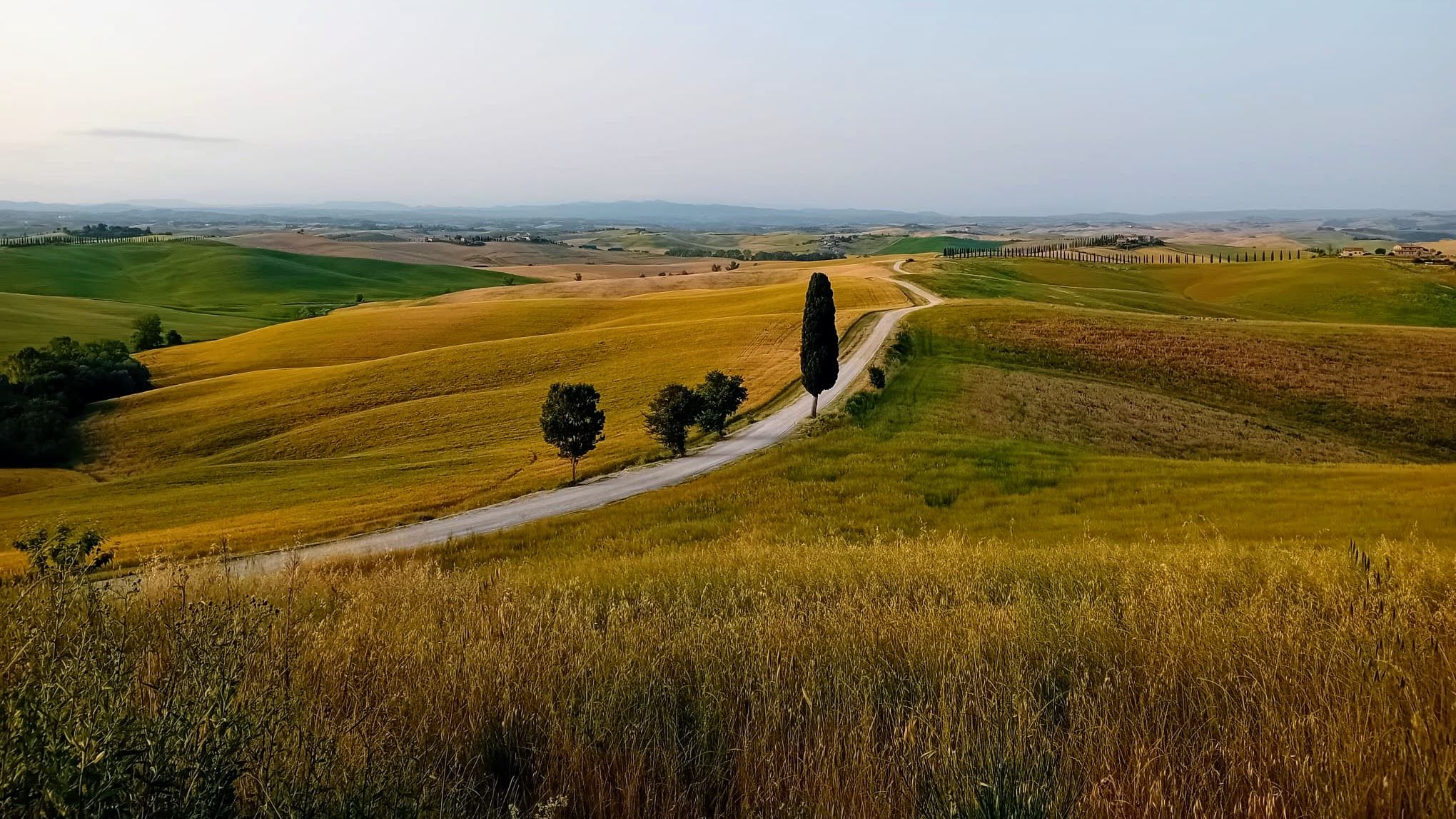
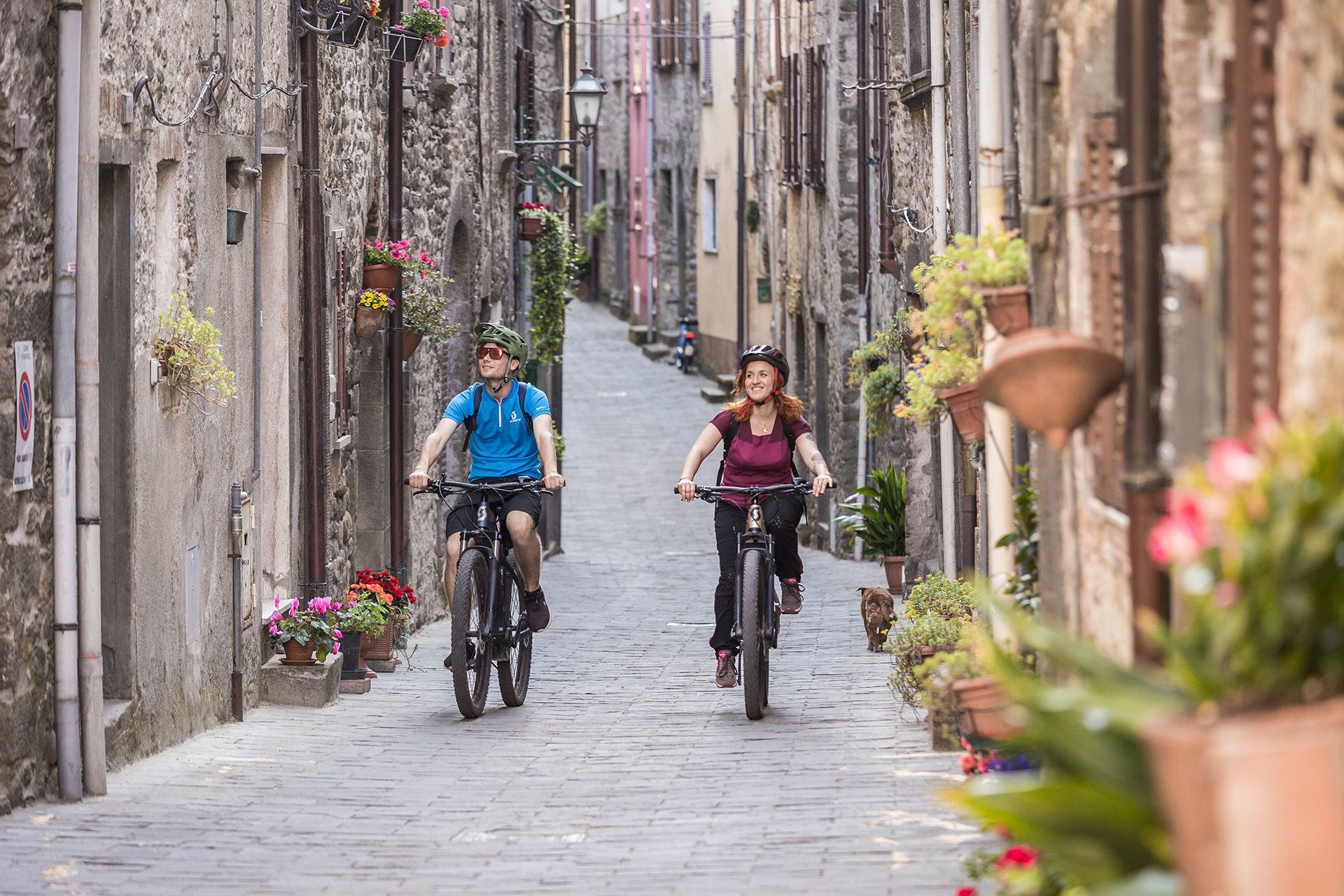
Road cycling around Casole D'Elsa is characterized by rolling hills, extensive vineyards, and ancient olive groves, offering diverse terrain for cyclists. The region features scenic, low-traffic roads that wind through the quintessential Tuscan landscape. Cyclists can explore areas like the Val d'Elsa, which provides open vistas, and the Montagnola Senese, a hilly, forested region. The landscape includes medieval villages and historic sites, providing varied backdrops for rides.
Best no traffic road cycling routes around Casole D'Elsa
- The most popular no…
Last updated: October 31, 2026
5.0
(1)
21
riders
Moderate road ride. Good fitness required. Mostly well-paved surfaces and easy to ride.
14
riders
54.2km
03:09
1,280m
1,280m
Hard road ride. Very good fitness required. Mostly well-paved surfaces and easy to ride.

5.0
(1)
14
riders
27.1km
01:32
610m
610m
Moderate road ride. Good fitness required. Mostly well-paved surfaces and easy to ride.
5.0
(2)
97
riders
145km
06:33
1,610m
1,610m
Hard road ride. Very good fitness required. Mostly well-paved surfaces and easy to ride.
14
riders
24.8km
01:37
570m
570m
Moderate road ride. Good fitness required. Some segments of this route may be unpaved and difficult to ride.
Get access to more routes and recommendations from other explorers.
Already have an account?
Our route recommendations are based on thousands of hikes, rides, and runs completed by other people on komoot.
Start today with a free account
Your next adventure awaits.



Tips from the Community

Micciano is a hamlet in the Italian municipality of Pomarance, located in the province of Pisa, in Tuscany. This small and charming medieval village stands perched on top of a steep hill at about 473 meters above sea level, offering a spectacular panoramic view of the beautiful Val di Cecina. It is believed that the name derives from Castrum Mitiani, linked to the landholdings granted in 59 BC to the Roman legionary Mitius thanks to the Lex Julia desired by Julius Caesar. The first written documents date back to the end of the first millennium. Due to its dominant position, the village was long contested between the monks of the Abbey of San Pietro in Palazzuolo and the Bishops of Volterra, before the population swore allegiance to the Municipality of Volterra in the 13th century.
0
0
The Leopoldina Column (also called the Lorraine column) is an imposing neoclassical signpost structure made of stone and cast iron. It was commissioned in 1840 by the Grand Duke of Tuscany Leopold II of Lorraine. It served to indicate directions and distances along the ancient "royal roads" of the Grand Duchy. Today, only 18 historical examples of these columns survive throughout Tuscany. They represent an exceptional example of enlightened infrastructure and pre-Liberty design.
0
0
The medieval village of Prata (part of Massa Marittima) is located at an altitude of 620 meters. From its dominant position on the Colline Metallifere, it offers a 360-degree panorama ranging from the summit of Monte Amiata to the Gulf of Follonica, even offering views of the Island of Elba and, on the clearest days, Corsica.
0
0
Massa Marittima is visible from many parts of the plain, because it is built in a dominant position, precisely to see what was happening on the plain
2
0
Follonica, one of Tuscany's most beloved seaside destinations, offers everything you could wish for from a beach holiday: sandy beaches with facilities, clear waters, a long seafront promenade full of bars and shops, services for families, and a welcoming but never chaotic atmosphere.
2
0
The Follonica promenade stretches for over 6 km, offering a sandy and well-kept coastline, entirely walkable or cyclable between the cycle path and the ZTL (Limited Traffic Zone). Characterized by shallow and transparent waters, it is ideal for families, with numerous equipped beaches, bathing establishments, bars and restaurants. Sandy coastline, often adjacent to pine forests, with excellent accessibility.
2
0

An ancient castle located north of the Monterufoli Forest, Micciano stands out from its high reddish gabbro cliff called the 'Pinzo', which faces the hill on which the village of Libbiano stands, separated from the deep Adio Valley. Its name appears to derive from the Latin 'Fundus Mitianus or Maecianus', the name of a Roman legionary who, benefiting from the 'Julian Law', was gifted a large plot of land in that area in exchange for valorous military deeds. The oldest document of the small village's history, dating back to 947, is preserved in the Episcopal Curia of Volterra and refers to the investiture of Giovanni di Giovanni as parish priest, while a papal bull from Pope Alexius III, dated 1076, confirms the donation of Micciano and its court to the Abbey of Monteverdi by Emperor Henry II of Saxony.
0
0
Built in the 13th century in Gothic style and dedicated to the saint from Chiusdino, today it is completely in ruins: only the walls remain standing, with the apse still in evidence, perfectly facing east, while on the upper part of the facade there are two pointed windows. The roof of the Abbey of San Galgano is no longer there today. The "official" version says that it deteriorated and then fell over the centuries, while an alternative version, according to some legend and according to others truth, states that it was originally made of lead, and was sold by Girolamo Vitelli in 1550. Whatever the truth behind the roof of the abbey, after some restoration attempts that went badly, at the end of the 18th century it was deconsecrated and left to the elements until the present day. The ruins of the Abbey of San Galgano, with its profile still intact and immersed in the Tuscan countryside, offer a truly incredible and particular view. In addition to the roof, the floor is also missing, which during the summer turns into a grassy blanket, while you can still see a transept with three naves and 4 chapels with cross vaults. Next to the Abbey of San Galgano there is the cloister, which was rebuilt at the beginning of the last century, using the original materials. Some accessory rooms are also very beautiful, which can also be visited with the entrance ticket to the abbey, including the chapter house, where the monks originally met to deliberate the main rules of the community, and the scriptorium, which was the place where the monks copied the manuscripts.
3
0
Frequently Asked Questions
How many no-traffic road cycling routes are available around Casole d'Elsa?
There are over 10 dedicated no-traffic road cycling routes around Casole d'Elsa, offering a variety of experiences from moderate to challenging. These routes are designed to help you explore the beautiful Tuscan countryside with minimal vehicle interference.
What is the best time of year for no-traffic road cycling in Casole d'Elsa?
The spring and autumn months are generally ideal for road cycling in Casole d'Elsa. The weather is pleasant, and the landscapes are particularly vibrant. Summer can be quite warm, so early morning or late afternoon rides are recommended if you visit during peak season.
Are there any easy no-traffic road cycling routes suitable for beginners or families?
Yes, there are routes suitable for those looking for an easier ride. While many routes involve some elevation, you can find options that traverse the gentler parts of the Val d'Elsa, offering wide-open vistas and a more relaxed pace. For example, routes like the one starting from Gracciano dell'Elsa, heading towards the Bicycle Repair Station loop, offer a moderate challenge with manageable climbs.
What kind of terrain can I expect on these no-traffic road cycling routes?
The terrain around Casole d'Elsa is characterized by rolling hills, extensive vineyards, and ancient olive groves. You'll encounter a mix of challenging climbs and scenic descents on well-maintained, low-traffic roads. Routes often wind through idyllic settings, providing breathtaking views of the Sienese countryside.
What natural features or landmarks can I see along the no-traffic road cycling routes?
Many routes offer stunning natural beauty and historical sights. You might cycle through the tranquil Montagnola Senese or along the Elsa River, where you can find the enchanting Diborrato Waterfall. Historic villages like Mensano and Radicondoli are also common stops. For a challenging ride with rewarding views, consider the Chapel of Scorgiano – Passo dell'Incrociati loop.
Are there any loop routes for no-traffic road cycling around Casole d'Elsa?
Yes, many of the no-traffic road cycling routes around Casole d'Elsa are designed as loops, allowing you to start and finish in the same location. An example is the Parish Church of Saint John the Baptist – Passo dell'Incrociati loop from Pievescola, which offers a scenic circular journey through the region.
What historical sites or villages can I visit while cycling in the area?
Beyond Casole d'Elsa itself, with its medieval walls and Rocca, you can cycle to charming medieval villages such as Mensano and Radicondoli. The ancient crossroads of Pievescola is also accessible. For those seeking more extensive historical exploration, the iconic fortified castle town of Monteriggioni is within reach, offering rich historical experiences.
What do other road cyclists enjoy most about cycling in Casole d'Elsa?
The area is highly rated by the komoot community, with an average score of 4.56 stars. Reviewers often praise the quiet, well-maintained roads, the breathtaking panoramic views of the Sienese countryside, and the opportunity to combine challenging rides with cultural exploration of charming medieval villages.
Are there any challenging no-traffic road cycling routes for experienced riders?
Absolutely. For experienced riders seeking a significant challenge, routes like the Micciano Switchbacks – Borgo di Libbiano loop from Riserva Naturale Foresta di Berignone offer substantial elevation gains and longer distances, testing your endurance while providing spectacular views.
Where can I find parking or public transport access to these routes?
Casole d'Elsa and many of the surrounding villages serve as excellent starting points for these routes, often with available parking. While public transport options might be limited directly to every trailhead, major towns in the region are well-connected, and local services often cater to cyclists, including bike rentals and transport. It's advisable to check local transport schedules for specific access points.
Most popular routes around Casole D'Elsa
Most popular attractions around Casole D'Elsa

Get inspired with the komoot mobile app


Explore more
Browse the best Road cycling routes in other regions.
