The best traffic-free bike rides around Pont-Saint-Martin
4.6
(114)
2,099
riders
22
rides
No traffic touring cycling routes around Pont-Saint-Martin offer diverse landscapes for exploration. The region, nestled in Italy's Aosta Valley, features an Alpine environment with scenic valleys and the Lys River. Cyclists encounter varied terrains, including both gravel paths and mostly paved surfaces, often traversing historical areas. The area provides a blend of natural beauty and ancient historical sites, making it suitable for touring cyclists.
Best no traffic touring cycling routes around Pont-Saint-Martin
- The most popular no traffic touring cycling route…
Last updated: May 19, 2026
4.3
(3)
32
riders
35.0km
03:09
1,260m
1,260m
Hard bike ride. Very good fitness required. Mostly paved surfaces. Suitable for all skill levels.
4.0
(1)
9
riders
39.0km
03:17
930m
930m
Hard bike ride. Very good fitness required. Mostly paved surfaces. Suitable for all skill levels.

Sign up for free
5.0
(1)
18
riders
25.9km
02:34
1,240m
1,240m
Hard bike ride. Very good fitness required. Mostly paved surfaces. Suitable for all skill levels.
13
riders
29.3km
02:56
1,210m
1,210m
Hard bike ride. Very good fitness required. You may need to push your bike for some segments of this route.
9
riders
25.6km
01:49
410m
410m
Moderate bike ride. Good fitness required. Mostly paved surfaces. Suitable for all skill levels.
Get access to more routes and recommendations from other explorers.
Sign up for free
Already have an account?
Our route recommendations are based on thousands of hikes, rides, and runs completed by other people on komoot.
Start today with a free account
Your next adventure awaits.
Login or Signup
Popular around Pont-Saint-Martin
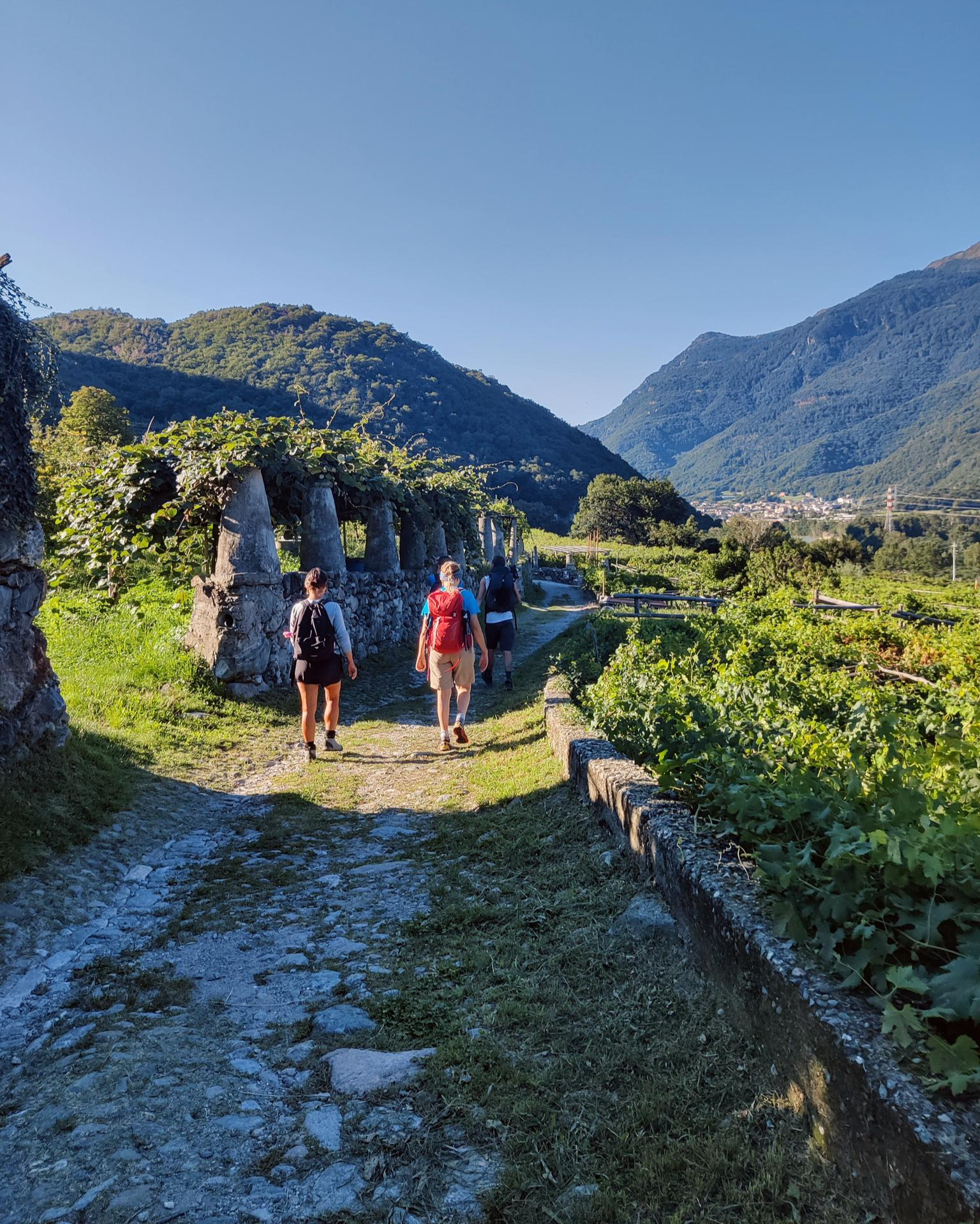
Piemont's Via Francigena
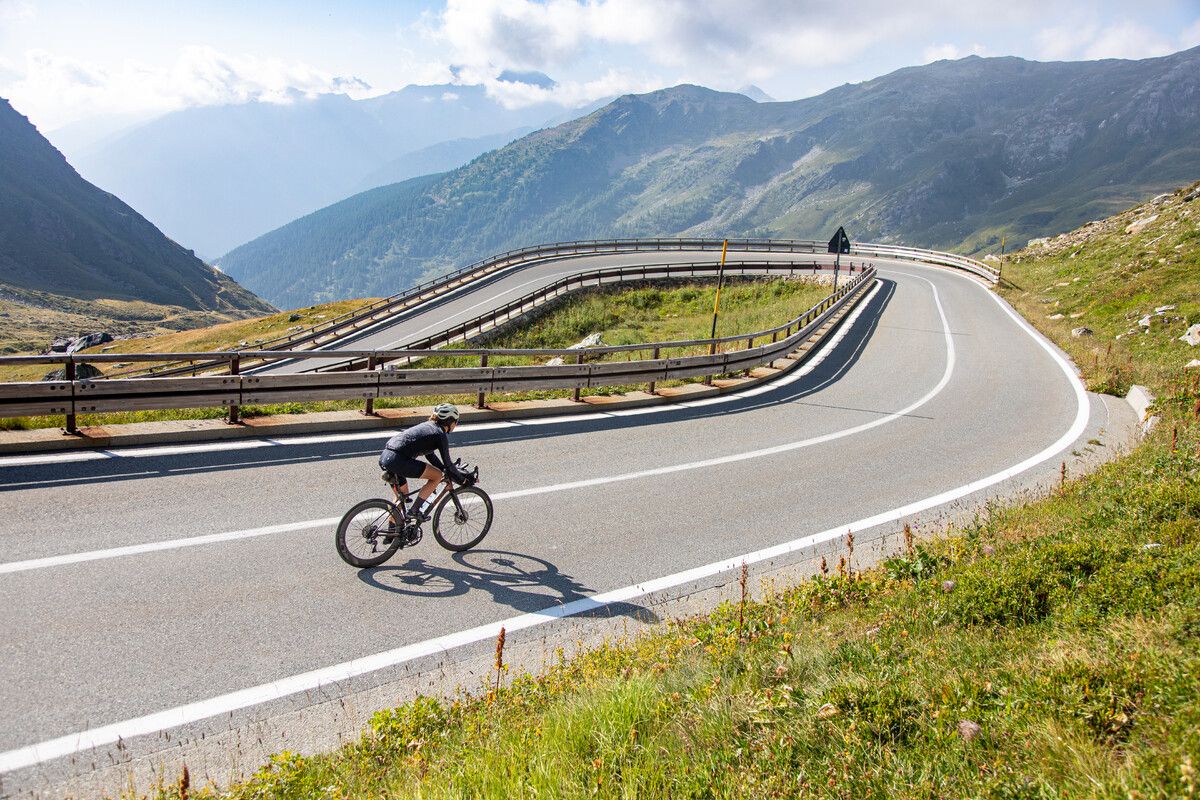
Road cycling in the Aosta Valley – major climbs and alpine routes
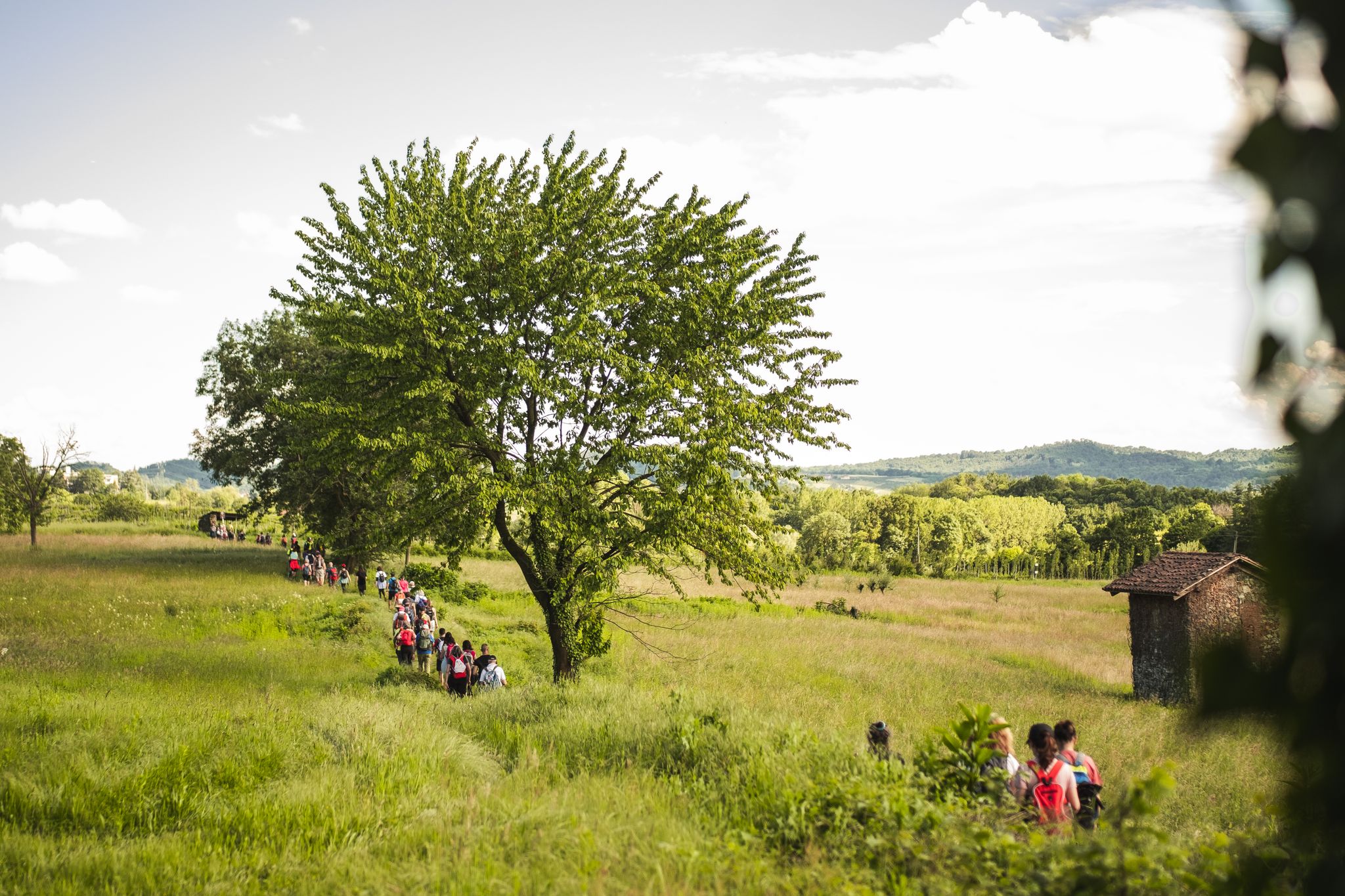
Via Francigena in Canavese – complete route and 'for all' section
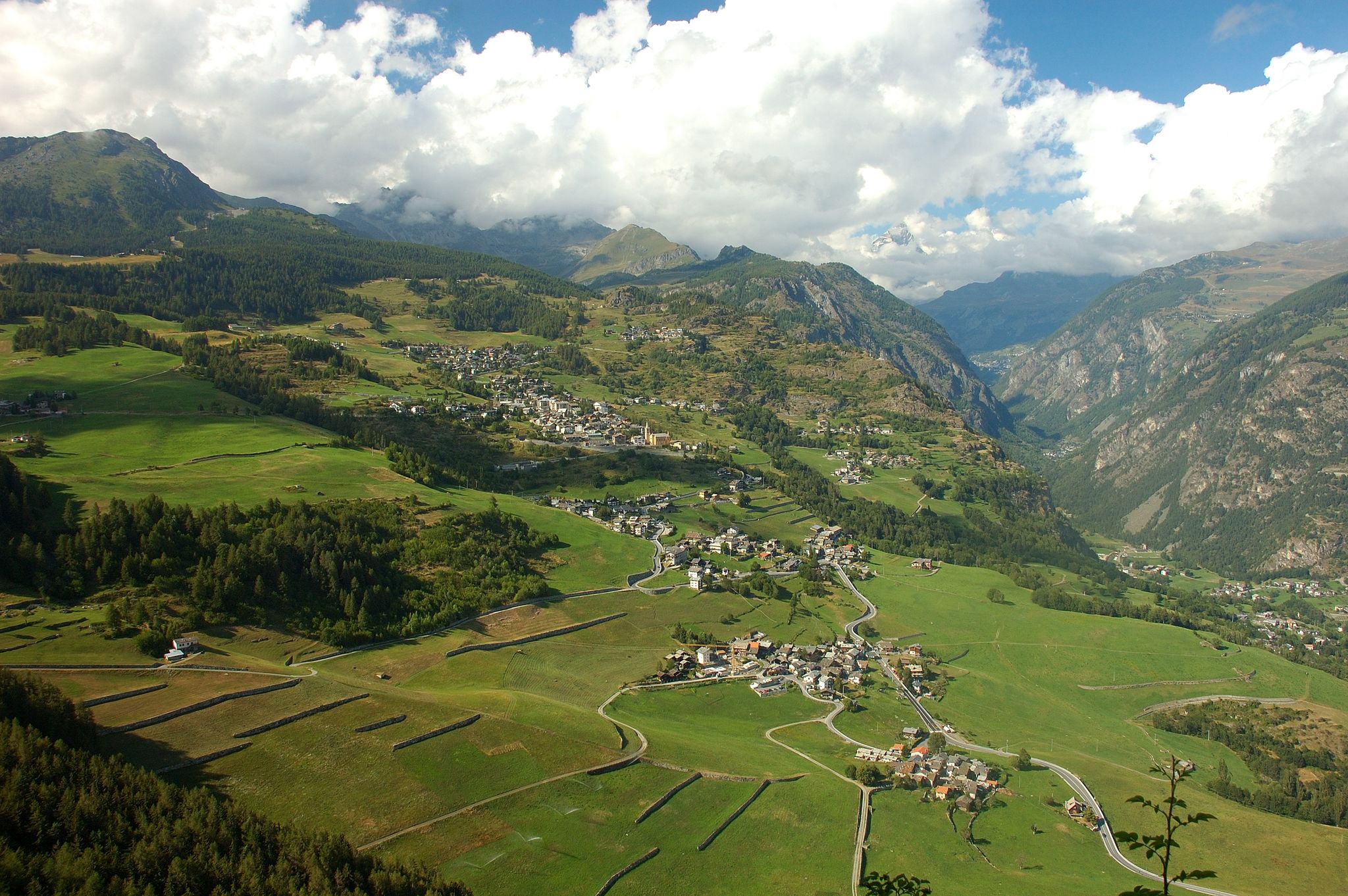
Paths, castles and views of Italy’s Aosta Valley – Cammino Balteo
Traffic-free bike rides around Pont-Saint-Martin
Traffic-free bike rides around Pont-Saint-Martin
Other adventures around Pont-Saint-Martin


Tips from the Community

On the shores of Lake Pistono stands the Archaeological Park, inaugurated in 2017, which features a life-size reconstruction of part of a Neolithic stilt village. In 2003, an excavation campaign promoted by the Soprintendenza per i Beni Archeologici del Piemonte had brought to light in the lake waters the traces of a stilt settlement dating back about 6500 years. The reconstruction includes a dwelling, a storehouse, and an animal shelter with an enclosure, built using the techniques and materials of the time — chestnut and hazel wood for the structure, straw and clay for the walls, lake reeds for the roof — and furnished with reproductions of everyday objects: fish traps, axes made of wood and green stone, baskets made of plant fiber. The park can be reached with a walk of about half an hour from the Exhibition Space housed in the municipal palace of Montalto Dora, where the original findings from the excavations are preserved and where thematic panels reconstruct the daily life, diet, and material culture of the village inhabitants. Lake Pistono is one of the five glacial lakes nestled among the morainic deposits of the Serra di Ivrea.
0
0
The stone bridge of Lillianes, completed in 1733, represents a hydraulic work of exceptional value for the Lys Valley, being the only historic bridge in the region structured on four round arches. The choice of this configuration, supported by robust piers equipped with cut-water spurs, was dictated by the need to span a section of the Lys stream particularly subject to violent floods. The roadway, made with a characteristic donkey-back shape in local stone, hosts a votive shrine dedicated to Saint Roch in the center, historically placed to protect travelers against pestilences. A relevant anecdote concerns the complex financing of the work: the local community, in order not to depend exclusively on central subsidies, chose to heavily tax themselves through the "taglioni" system, a form of mandatory contribution based on land ownership. It is said that the families of the village contributed not only with money but also by providing labor and materials, as the bridge was considered vital for the economy linked to the chestnut trade and transhumance. Another curious detail concerns its incredible resistance: during past floods, while other wooden or lighter structures were swept away, the bridge of Lillianes remained intact, consolidating its fame as an indestructible monument and a symbol of unity for the entire valley population.
0
0
The historic center of Perloz constitutes an architectural nucleus of considerable interest for understanding the social and political dynamics of the lower Aosta Valley. The heart of the settlement is represented by the Casaforte Vallaise, a 14th-century quadrangular structure that served as the administrative and judicial center for the noble family of the same name. The building preserves medieval construction elements, including the coat of arms carved on the portals, a testament to the exercise of jurisdictional power over the territory. A short distance away stands the parish church of San Salvatore, characterized by a facade entirely frescoed with a representation of the Last Judgment dating back to the 17th century, a work that served as a tool for religious instruction for the local population. The monumental route continues with the Museum of the Resistance, housed in premises that recall the historical memory of the "Brigata Lys". Here, documents and artifacts related to the events of 1944 are preserved, when the village became a fundamental operational center for the partisan formations in the area. Walking through the narrow stone streets, one also notices the presence of numerous stone fountains and community ovens, symbols of the collective management of rural resources. This stratification of different eras, from medieval feudalism to contemporary history, makes the center of Perloz a relevant technical and cultural stop for those crossing the slopes of the Lys valley.
0
0

The first few kilometres starting from Andrate are on a dirt road that is not very smooth in some sections.
0
0

It is a unique place of its kind. In a rather small and circumscribed area 2 steps from the Montalto lake (also called "Rabbit" lake) there is an area with a very dark soil composed of water, peat, earth and medium-sized trees. Especially when the ground is wet or it has rained previously if you jump on the surface, it moves creating small waves making the surrounding trees dance. A real show! You can reach the dancing lands from 2 different dirt tracks. For those with good technical skills the entry or exit paths in both directions are also fun to pedal.
0
0

In this beautiful peat bog in Montaldo Dora there is a very particular natural phenomenon, which gives the place its name. The Terre Ballerine are in fact called this way because of the particular consistency of the ground, which makes those who walk on it feel like they are walking on a mattress.
1
0

The Chiesa del Santissimo Salvatore in Quincinetto, Italy, is a beautiful parish church located in the center of the village, near the bell tower. Although there are reports of medieval origins since 1297, the church was rebuilt in 1770 in the current late Baroque style, according to the design of architect Bella. The church is 35 meters long and has three chapels on each side. The facade is decorated with beautiful frescoes by the famous painter Carlo Cogrossi from Treviglio. The facade has two marker bands that divide it into registers. The lower registers contain six niches with statues of saints, while the upper register shows an altar icon of the Redeemer in relief. The church has a spacious and bright single-nave space with twelve windows that illuminate the interior. The walls are decorated with frescoes of the Via Crucis, altars and decorative floral motifs. The presbytery is crowned with a red canopy and houses an impressive altar in brick and imitation marble. Four frescoes in the presbytery show scenes from the life of Jesus. The church also contains a unique painting of Jesus as the Redeemer. The walls of the choir are decorated with biblical scenes set after the Resurrection of Christ, painted by Carlo Antonio Cogrossi.
8
0
The Roman road of the Gauls, built to connect Rome with the Rhone Valley, has in the Donnas section one of its most characteristic and spectacular points, carved out of the living rock over a length of 221 metres. In a place where in ancient times the rocky promontory plunged into the waters of the Dora, the Romans launched a real challenge to nature by carving out a living rock on which they could draw perfectly vertical walls and in whose bosom they cut the roadbed. Exciting and unusual, here the Via delle Gallie gives its best by offering the spectacle of a vaulted passage 4 metres thick, 4 metres high and almost 3 metres wide that eloquently illustrates the amount of rock removed and shows all the refinement of a road engineering never again achieved until viaducts and modern tunnels. In the Middle Ages it served as a gate to the village, which was closed at night; The other defences were of course: on one side the mountain and on the other the river. A fundamental road, much used over the centuries, as evidenced by the deep ruts left by the passage of carts and the wear of the walking surface that has been patched and repaired at various points over time. A little further on, on the right, we recognise the excellent profile of a milestone, also spared in the rocky bank, which informs us of the distance to Augusta Praetoria (the current city of Aosta): XXXVI miles (about 54 km).
6
0
Frequently Asked Questions
How many no-traffic touring cycling routes are available around Pont-Saint-Martin?
Komoot offers nearly 20 dedicated no-traffic touring cycling routes around Pont-Saint-Martin. These routes vary in difficulty, with options for easy, moderate, and challenging rides, ensuring there's something for every cyclist looking to explore the region without vehicle interference.
What kind of terrain can I expect on these traffic-free cycling routes?
The no-traffic routes around Pont-Saint-Martin feature a diverse range of terrain. You'll find gravel paths winding through forested areas, as well as routes with mostly paved surfaces. Many trails follow scenic Alpine valleys and the Lys River, offering varied landscapes from riverbanks to mountainous backdrops.
Are there any family-friendly no-traffic cycling routes in the area?
Yes, there are options suitable for families. While many routes are more challenging, you can find easier paths that combine natural scenery with accessible terrain. Look for routes with lower elevation gain and shorter distances for a more relaxed family outing.
What historical landmarks or natural features can I see along these routes?
Pont-Saint-Martin is rich in history and natural beauty. You can cycle past the spectacular Roman Bridge, the town's namesake, or explore areas near ancient castle ruins. Natural features include the picturesque Lys River, the Mont Mars Nature Reserve, and beautiful spots like Lake Vargno. Other highlights include the Oropa Stream Waterfall and the Barma Lakes.
What do other touring cyclists enjoy most about the no-traffic routes in Pont-Saint-Martin?
The komoot community highly rates the touring cycling experience in Pont-Saint-Martin, with an average score of 4.1 stars. Reviewers often praise the stunning Alpine scenery, the historical points of interest, and the opportunity to explore diverse landscapes away from vehicle traffic.
Are there any loop routes available for no-traffic touring cycling?
Yes, several no-traffic touring cycling routes around Pont-Saint-Martin are designed as loops, allowing you to start and end your ride in the same location. An example is the challenging Pont-Saint-Martin loop from Pont-Saint-Martin, which covers nearly 46 km.
Can I access these routes using public transport with my bike?
The Aosta Valley region generally supports cycling, but specific public transport options for bikes can vary. It's advisable to check local bus and train schedules and their bike carriage policies in advance, especially for regional services connecting to trailheads. Some services may require reservations or have restrictions during peak times.
Where can I park my car when starting a no-traffic cycling route in Pont-Saint-Martin?
Pont-Saint-Martin offers various parking options within the town, often near the starting points of popular routes. Look for designated parking areas in the town center or near major attractions like the Roman Bridge. For routes starting slightly outside the town, check the specific route details on komoot for trailhead parking suggestions.
What is the best time of year to cycle the no-traffic routes around Pont-Saint-Martin?
The best time to cycle in Pont-Saint-Martin is generally from spring to autumn. During these seasons, the weather is most favorable, with pleasant temperatures and less chance of snow at lower elevations. Summer offers lush greenery, while spring and autumn provide beautiful colors and often fewer crowds. Always check local weather forecasts before heading out.
Are there any routes that pass by lakes or waterfalls?
Absolutely. The region boasts several natural water features. For instance, the Lake Vargno – Ponte in Pietra di Lillianes loop from Lillianes will take you past Lake Vargno. You can also find routes that lead to or pass near the Oropa Stream Waterfall and the Barma Lakes, offering refreshing stops and scenic views.
What is the difficulty level of the no-traffic touring cycling routes?
The no-traffic touring cycling routes around Pont-Saint-Martin cater to various skill levels. While there is one easy route and four moderate options, the majority (14 out of 19) are classified as difficult. These more challenging routes often feature significant elevation gains, such as the View of Fort Bard – Echallod Stone Bridge loop from Hône-Bard, which has over 1700 meters of ascent.
Can I find cafes or restaurants along the no-traffic cycling routes?
While many routes offer a sense of wilderness, especially those venturing into natural reserves, you'll find cafes and restaurants in Pont-Saint-Martin itself and in the smaller villages along some of the routes. It's always a good idea to plan your stops in advance, especially on longer or more remote trails, to ensure you have access to refreshments.
Most popular routes around Pont-Saint-Martin
Most popular attractions around Pont-Saint-Martin

Get inspired with the komoot mobile app


Explore more
Browse the best Cycling routes in other regions.
