The best traffic-free bike rides around Gressan
4.3
(523)
9,623
riders
86
rides
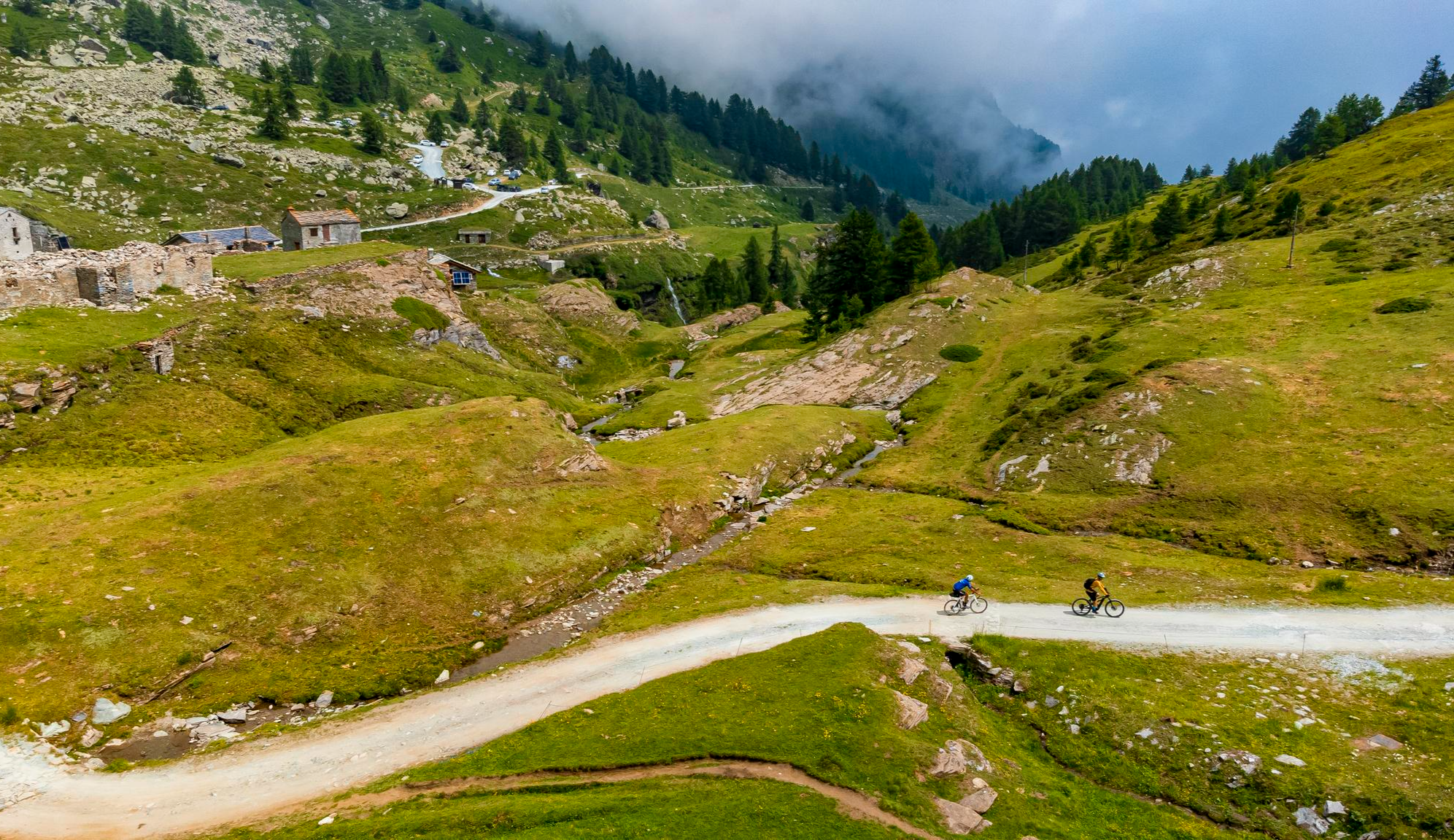
No traffic touring cycling routes around Gressan are characterized by a diverse landscape, ranging from flat riverine plains to challenging alpine ascents. The region is situated in the Aosta Valley, featuring wide orchards and vineyards, with the Dora Baltea river flowing through. Its terrain includes both gentle paths alongside the river and more demanding routes leading to higher elevations like Pila, offering varied experiences for touring cyclists.
Best no traffic touring cycling routes around Gressan
- The most popular no traffic…
Last updated: October 3, 2026
4.5
(2)
82
riders
33.5km
02:45
570m
570m
Hard bike ride. Very good fitness required. Mostly paved surfaces. Suitable for all skill levels.
4.0
(2)
81
riders
11.2km
01:21
470m
470m
Hard bike ride. Very good fitness required. You may need to push your bike for some segments of this route.

4.3
(3)
74
riders
24.1km
02:03
840m
840m
Hard bike ride. Very good fitness required. Mostly paved surfaces. Suitable for all skill levels.
4.9
(7)
74
riders
40.7km
04:16
1,360m
1,360m
Hard bike ride. Very good fitness required. Mostly paved surfaces. Suitable for all skill levels.
3.0
(4)
61
riders
29.5km
02:31
1,040m
1,040m
Hard bike ride. Very good fitness required. Mostly paved surfaces. Suitable for all skill levels.
Get access to more routes and recommendations from other explorers.
Already have an account?
Our route recommendations are based on thousands of hikes, rides, and runs completed by other people on komoot.
Start today with a free account
Your next adventure awaits.



Tips from the Community

An exceptional panoramic view of the city below.
0
0

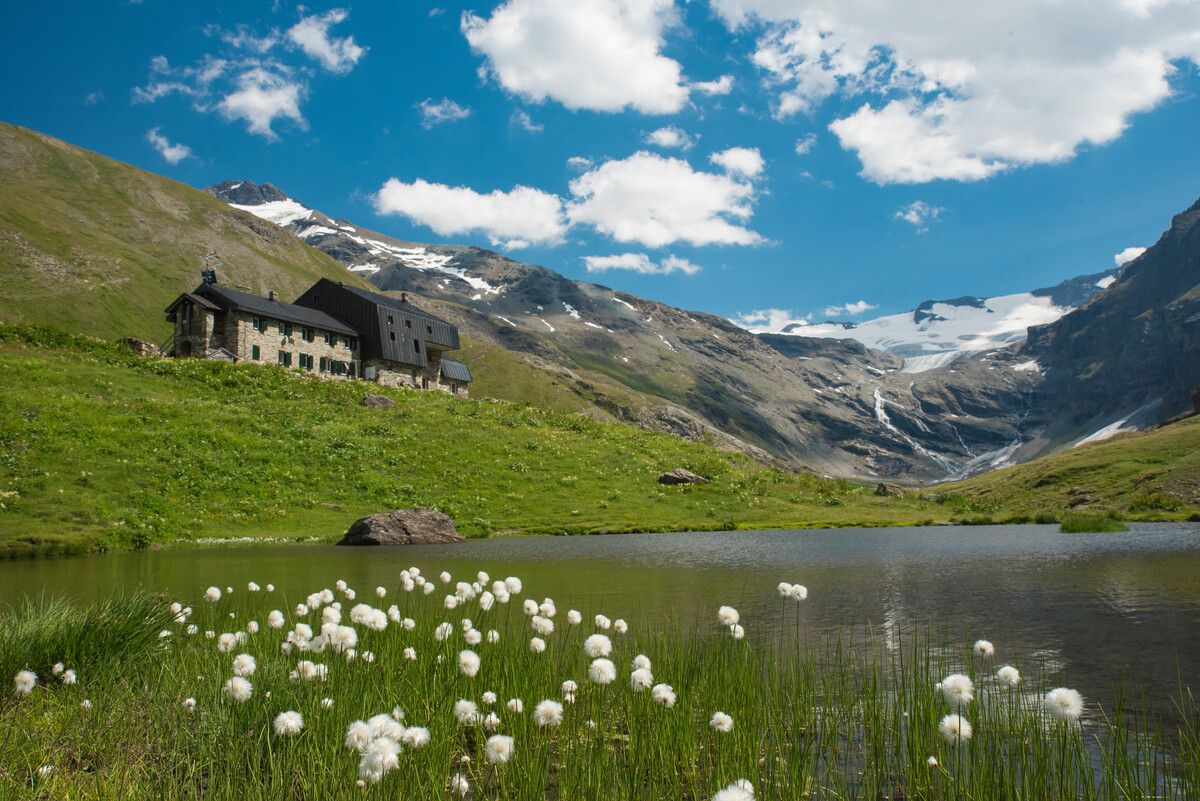
Pila is a mountain resort located at about 1,800 meters above Aosta, known for both winter sports and summer activities. Its position makes it a privileged panoramic viewpoint: on clear days, the view opens up over a large part of the Aosta Valley Alpine arc, from Mont Blanc to the Matterhorn to Monte Rosa.
1
0
Gressan is a municipality at the gates of Aosta, located on the right orographic side of the Dora Baltea and an access point to various climbs towards the higher altitudes of the valley. From here begins one of the most continuous ascents in the area, with regular hairpin bends and constant gradients.
0
0
Valley floor access point a few minutes from Aosta, located near the confluence of the Dora Baltea and the Buthier stream. Several ascents to the surrounding slopes start from here.
0
0


Except for the valley lift, all lifts were closed. With the remaining lifts and the space, they could create a nice bike park, but I think they probably make enough money from their ski tourists that they're not even considering a proper development for bikers.
0
0

Lots of slopes but few people, guaranteed fun
0
0

Immersed in the greenery of the Favret meadows, the small church of Santa Maria Maddalena dates back to the 12th century, when it was an autonomous parish dependent on the Chapter of the Cathedral of Aosta. Its apse and bell tower, characterized by an evocative "spur" that supports the structure, preserve intact the imposing sobriety of the primordial Romanesque. Between 1460 and 1463 the church experienced a second artistic splendor: the nave was enlarged and both the external part (facade) and the interior were decorated with a rich cycle of frescoes by Giacomino da Ivrea and his itinerant workshop. The façade features lively scenes: the Mass of Saint Gregory with the blood of Christ filling the chalice; Saint George facing the dragon; Saint Christopher ferrying the Baby Jesus; and, crowning all, Saint Martha, Saint Mary Magdalene and Saint Lazarus. Inside, in the apse, a majestic Christ Pantocrator is revealed surrounded by the symbols of the four evangelists, while on the side walls the twelve Apostles can be distinguished. Under the arch that divides the choir and the nave, fourteen panels tell the stories of Mary Magdalene. The works of the fifteenth century were commissioned by the noble De Villa (or La Tour de Villa), lords of Gressan, or by Giacomo dei Challant, lord of Aymavilles, whose family appears in the frescoed symbols. The building maintained the status of parish until 1786, when it was incorporated into Santo Stefano, thus becoming a simple chapel. In 1938, the church was the subject of passionate restoration: the paintings, covered with lime for centuries, were recovered and brought back to their ancient splendor.
0
0
Frequently Asked Questions
How many no-traffic touring cycling routes are available in Gressan?
There are over 70 dedicated no-traffic touring cycling routes around Gressan, offering a wide range of options for all skill levels. You'll find 13 easy routes, 22 moderate, and 36 more challenging options.
What do other touring cyclists say about the no-traffic routes in Gressan?
The no-traffic touring cycling routes in Gressan are highly rated by the komoot community, with an average score of 4.5 out of 5 stars from over 350 reviews. Cyclists often praise the serene landscapes, the well-maintained paths, and the stunning views of the Dora Baltea river and surrounding mountains.
Are there any easy, family-friendly no-traffic cycling routes in Gressan?
Yes, Gressan offers several easy, family-friendly routes, particularly along the Dora Baltea river. The Vélodoire Charvensod – Dora Baltea Cycle Path loop from Aosta Istituto is an excellent option, providing a relaxed ride on primarily flat terrain, perfect for enjoying the scenic orchards and river views away from traffic.
What kind of landscapes can I expect on these no-traffic routes?
The no-traffic routes in Gressan showcase a diverse range of landscapes. You'll cycle through vast flat areas with flourishing orchards and vineyards, alongside the Dora Baltea river, and enjoy sumptuous mountain backdrops with views of major Alpine peaks. Some routes, like the one towards Pila, offer more challenging ascents with breathtaking panoramic vistas.
Are there any circular no-traffic touring cycling routes in Gressan?
Yes, many of the no-traffic routes in Gressan are designed as circular loops. For example, the Tour de la Planta – Gressan Green Area loop from Pila offers a challenging circular experience, while the Les Îles Green Area – Gressan Green Area loop from Gressan provides another option to explore the local green areas.
What attractions can I see along the no-traffic touring cycling routes?
Along the no-traffic routes, you can discover various cultural and natural attractions. You might pass by historic sites such as Aymavilles Castle or Quart Castle. The routes also offer access to the Côte de Gargantua Nature Reserve, known for its unique flora and fauna, and the Gressan Sports Area with its amenities.
Where can I park my car to access the no-traffic cycling routes in Gressan?
The Gressan Sports Area is a central hub with parking facilities, providing direct access to the Dora Baltea cycling path and other routes. Given Gressan's proximity to Aosta, you can also find parking options there and connect to the regional cycle paths.
Can I reach the no-traffic cycling routes using public transport?
Gressan is well-connected, and its proximity to Aosta (just 5 km away) means you can often use public transport to reach the area. From Aosta, you can access various cycle paths that lead into Gressan and connect to the no-traffic routes. Check local bus schedules for specific connections to Gressan village or the Sports Area.
Are there any challenging no-traffic touring cycling routes for experienced cyclists?
Absolutely. For experienced cyclists seeking a challenge, routes like the Torre del Lebbroso – Chapel of the Holy Cross loop from Aosta Istituto offer significant elevation gains and demanding terrain. These routes often lead to higher altitudes, providing stunning panoramic views of the Alpine peaks.
What is the best time of year to cycle the no-traffic routes in Gressan?
The best time to cycle the no-traffic routes in Gressan is typically from spring through autumn. During these seasons, the weather is pleasant, the orchards and vineyards are lush, and the mountain views are clear. While some lower-lying paths might be accessible in winter, higher routes can be affected by snow.
Are there places to eat or stay near the no-traffic cycling routes in Gressan?
Yes, Gressan offers various amenities for cyclists. The Gressan Sports Area has dining options, and the village itself provides cafes, pubs, and accommodation. Being close to Aosta also means a wider selection of services is easily accessible, catering to different preferences and budgets.
Most popular attractions around Gressan

Get inspired with the komoot mobile app


Explore more
Browse the best Cycling routes in other regions.
