The best traffic-free bike rides around Introd
4.3
(129)
4,324
riders
1
ride
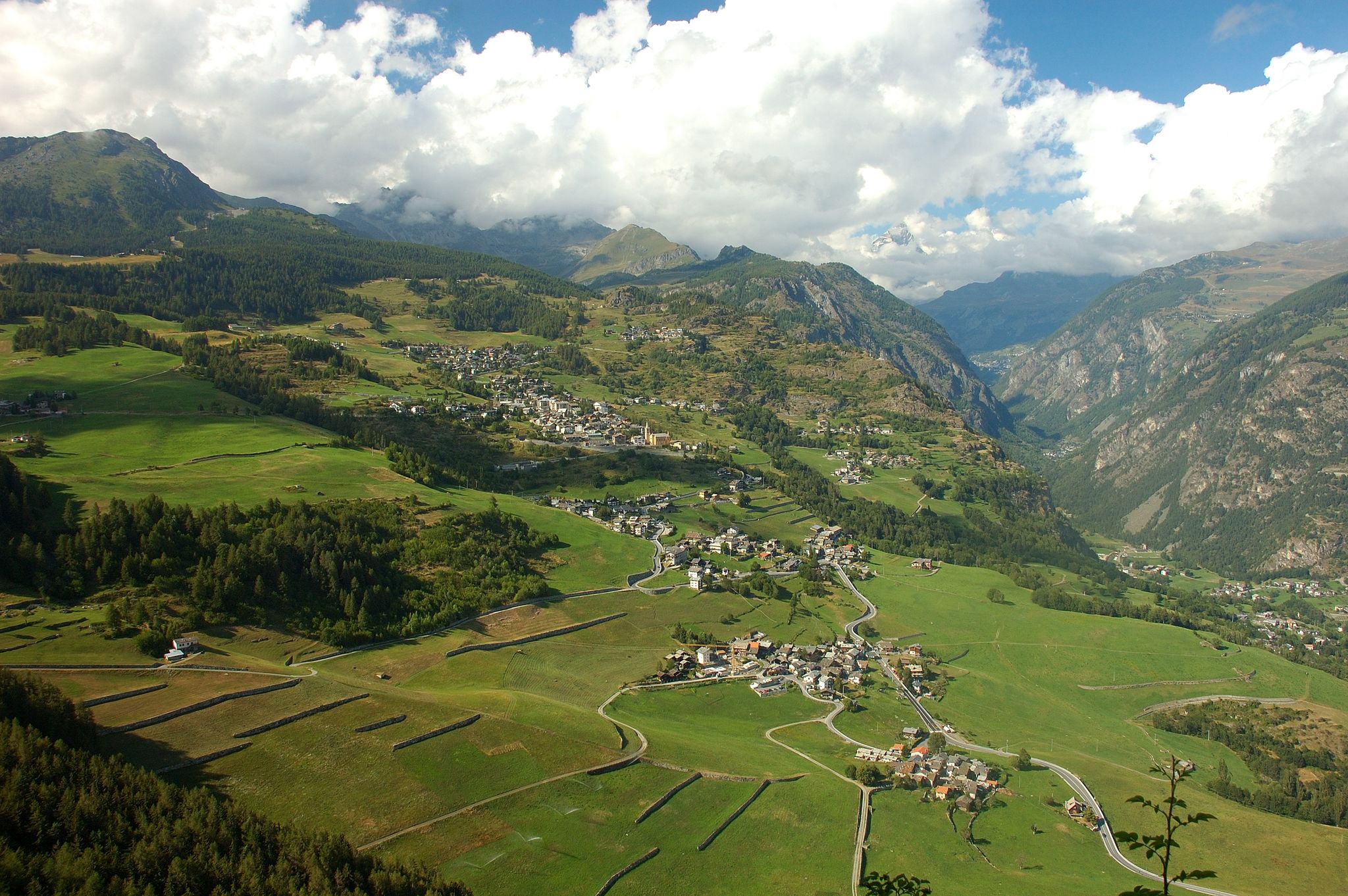
No traffic road cycling routes around Introd are situated in Italy's Aosta Valley, a region characterized by its position between the Dora of Rhêmes river and the Savara torrent. The area sits at an altitude of 880 meters, surrounded by wooded hills and alpine meadows, providing access to the Gran Paradiso National Park. Road cyclists encounter varied terrain, from valley floors to routes with significant elevation changes, set against a backdrop of towering alpine peaks.
Best no traffic road cycling…
Last updated: October 3, 2026
3.0
(1)
9
riders
21.7km
01:40
830m
830m
Moderate road ride. Good fitness required. Mostly well-paved surfaces and easy to ride.
4.5
(4)
16
riders
17.8km
01:14
610m
610m
Moderate road ride. Good fitness required. Mostly well-paved surfaces and easy to ride.

9
riders
11.9km
00:53
430m
430m
Moderate road ride. Good fitness required. Mostly well-paved surfaces and easy to ride.
7
riders
13.4km
00:54
450m
450m
Moderate road ride. Good fitness required. Mostly well-paved surfaces and easy to ride.
Our route recommendations are based on thousands of hikes, rides, and runs completed by other people on komoot.
Start today with a free account
Your next adventure awaits.




Tips from the Community

A long and beautiful ascent at a steady pace that rewards you with exceptional views upon arrival!
0
0
An exceptional panoramic view of the city below.
0
0

Pila is a mountain resort located at about 1,800 meters above Aosta, known for both winter sports and summer activities. Its position makes it a privileged panoramic viewpoint: on clear days, the view opens up over a large part of the Aosta Valley Alpine arc, from Mont Blanc to the Matterhorn to Monte Rosa.
1
0

Beautiful but challenging hike! A steep climb and descent. Beautiful views of the Aosta Valley. Unfortunately, there are no food or drink options at the top in Bellun. You can refill your water bottles there, though.
0
0

The hike is now a mountain bike trail. However, there is a gravel path that is nice.
2
0

Stop to contemplate the queens of this section of the Cammino Balteo, the mountains, which with their austere presence observe your slow progress.
0
0

Possible starting point for hikes below the tree line. It's better to take the chairlift further up to Chamolé and from here start numerous hikes above the tree line.
23
1

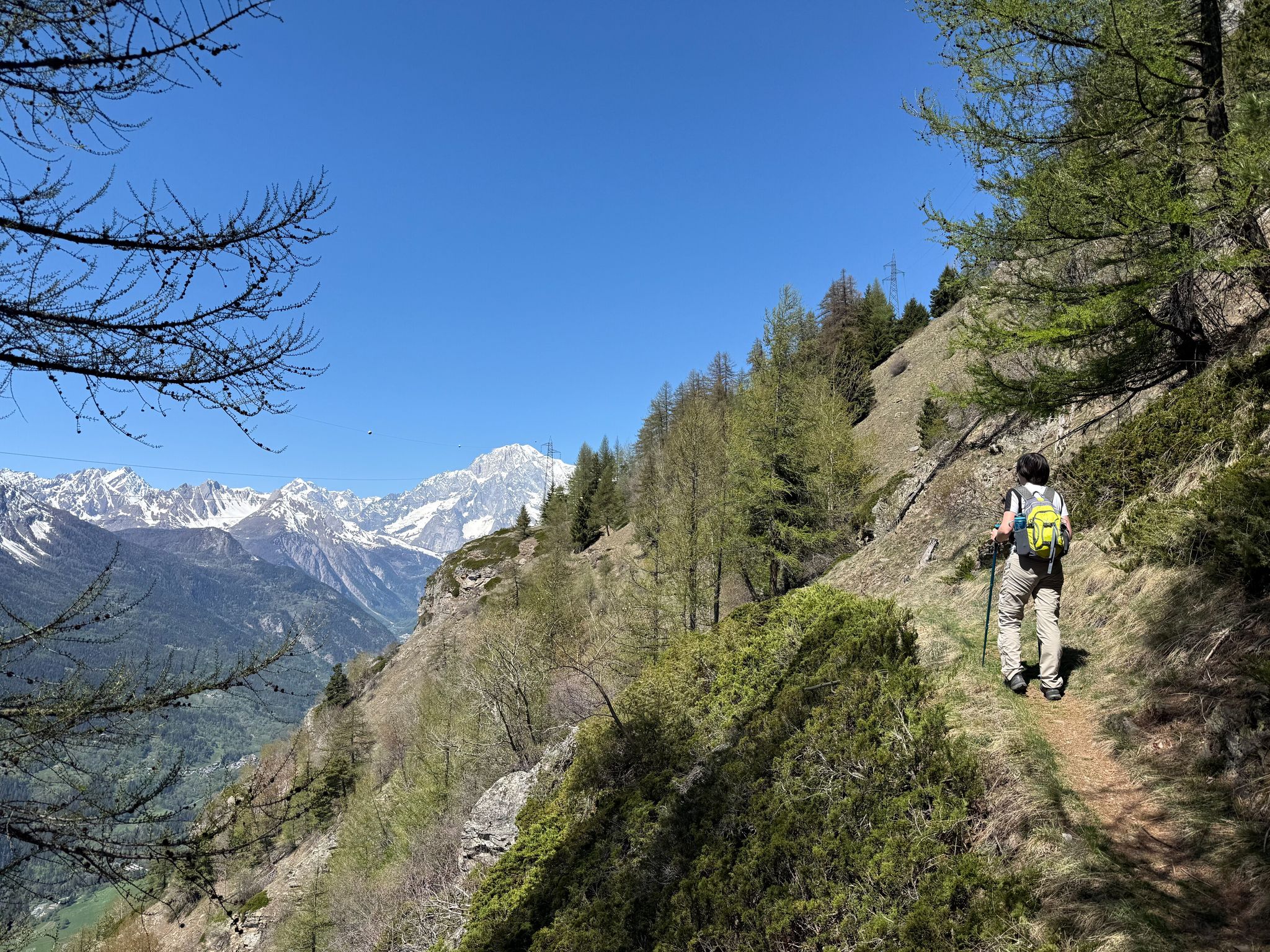
Great alpine panorama with a direct view of Mont Blanc
0
0
Frequently Asked Questions
How many no-traffic road cycling routes are available around Introd?
You can find 5 dedicated no-traffic road cycling routes around Introd on komoot. These routes offer a range of distances and difficulties, allowing you to explore the beautiful Aosta Valley away from heavy vehicle traffic.
What kind of terrain and scenery can I expect on these routes?
The no-traffic road cycling routes around Introd traverse diverse alpine landscapes. You'll experience everything from valley floors along rivers like the Dora of Rhêmes and Savara torrents to ascents into the foothills of the Gran Paradiso National Park. Expect breathtaking views of towering peaks, wooded hills, and alpine meadows, characteristic of the Aosta Valley.
Are there easy no-traffic road cycling routes suitable for beginners or families?
Yes, there are easy no-traffic road cycling routes perfect for beginners or families. For instance, the Porta Pretoria (Aosta) – Émile Chanoux Square loop from Sarre offers a gentle ride with minimal elevation gain, allowing you to enjoy the scenery without significant challenge.
What are some challenging no-traffic road cycling routes for experienced riders?
Experienced cyclists looking for a challenge will find several demanding no-traffic routes. The Aymavilles Castle – Ozein Trail loop from Sarre is a difficult route covering over 41 km with significant elevation, offering a rewarding workout and stunning views.
Can I find circular no-traffic road cycling routes around Introd?
Yes, many of the no-traffic road cycling routes around Introd are designed as loops, allowing you to start and finish at the same point. For example, the Roadbike loop from Sarre is an easy circular route that lets you explore the area efficiently.
What attractions or landmarks can I see along these routes?
While cycling, you can enjoy the natural beauty and historical sites of the Aosta Valley. Some routes might offer glimpses of historic castles like Introd Castle or Aymavilles Castle. You'll also be close to natural highlights such as Lago Djouan or viewpoints like Punta Replan, offering spectacular mountain vistas.
Is it possible to access the Gran Paradiso National Park on a no-traffic road cycling route?
Introd is a gateway to the Gran Paradiso National Park. While specific 'no-traffic' routes directly within the park's deepest areas might be limited to certain roads, routes like those along the Valsavarenche Valley offer access to the park's stunning natural environment on paved surfaces, allowing you to experience its unspoiled beauty.
What is the best time of year for no-traffic road cycling in Introd?
The best time for road cycling in Introd and the Aosta Valley is typically from late spring (May) through early autumn (October). During these months, the weather is generally mild, mountain passes are clear of snow, and the natural landscapes are at their most vibrant. Always check local weather and road conditions before heading out.
Are there places to park my car when starting a no-traffic road cycling route near Introd?
Yes, Introd and nearby towns like Sarre and Arvier, which serve as starting points for many routes, generally offer parking facilities. It's advisable to check specific parking options for your chosen starting point, especially during peak season, to ensure convenient access to the trails.
What do other cyclists say about the no-traffic road cycling routes around Introd?
The no-traffic road cycling routes around Introd are highly rated by the komoot community, with an average score of 4.7 stars. Reviewers often praise the stunning alpine scenery, the tranquility of cycling away from traffic, and the variety of routes that cater to different fitness levels, making it a truly enjoyable experience.
Are there any moderate difficulty no-traffic road cycling routes?
Yes, for those seeking a balanced challenge, there are moderate no-traffic road cycling routes available. The Col d'Introd loop from Arvier is a great option, offering a good distance and elevation gain without being overly strenuous, perfect for building endurance while enjoying the views.
Most popular attractions around Introd

Get inspired with the komoot mobile app


Explore more
Browse the best Road cycling routes in other regions.
