The 20 Most Amazing Peaks around Velebit
Best mountain peaks around Velebit are part of Croatia's largest mountain range, characterized by its distinct karst landscape and diverse ecosystems. The region offers a variety of elevations, from coastal slopes to high alpine environments. Velebit is a significant natural landmark, encompassing national parks and protected areas. Its peaks provide extensive views of the Adriatic Sea and the Croatian interior.
Best mountain peaks around Velebit
- The most popular mountain peak is Velika Kosa Peak, a summit that offers magnificent…
Last updated: September 27, 2026
Velika Kosa Peak
Highlight • Summit
Tip by

Balinovac Peak
Highlight • Summit
Showing Translation
Tip by

Sign up now to discover places like this
Get recommendations on the best single tracks, peaks, & plenty of other exciting outdoor places.
Gromovača Peak
Highlight • Summit
Showing Translation
Tip by
Ljubičko Brdo
Highlight • Summit
Translated by Google •
Tip by

Sveto Brdo Summit
Highlight • Summit
Translated by Google •
Tip by

Sign up for free to discover even more peaks around Velebit.
Already have an account?
Start today with a free account
Your next adventure awaits.
Popular around Velebit

Triathlon 360 – my journey around the world
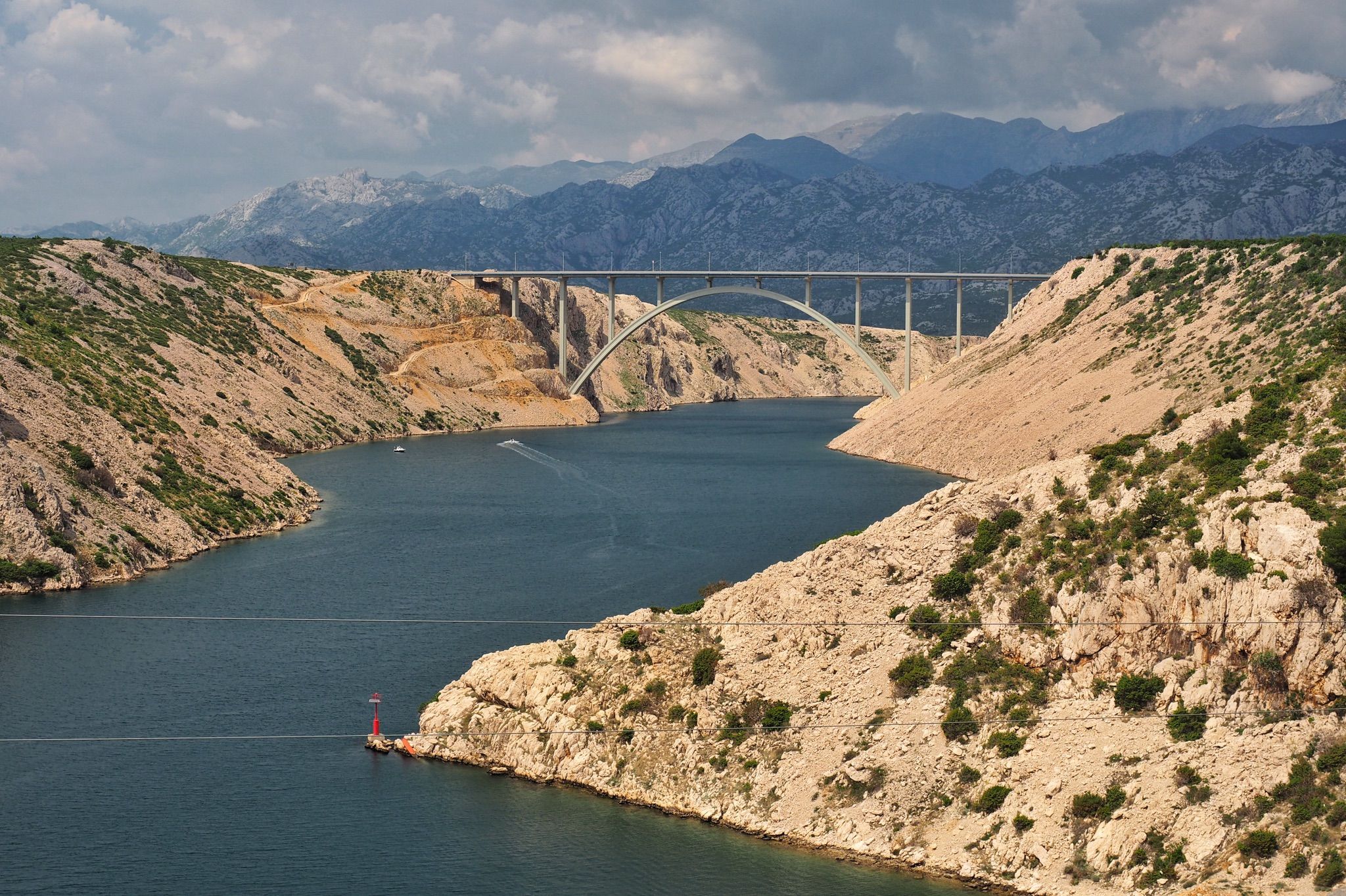
The Dinaric Alps – explore the Adriatic Sea in a different way
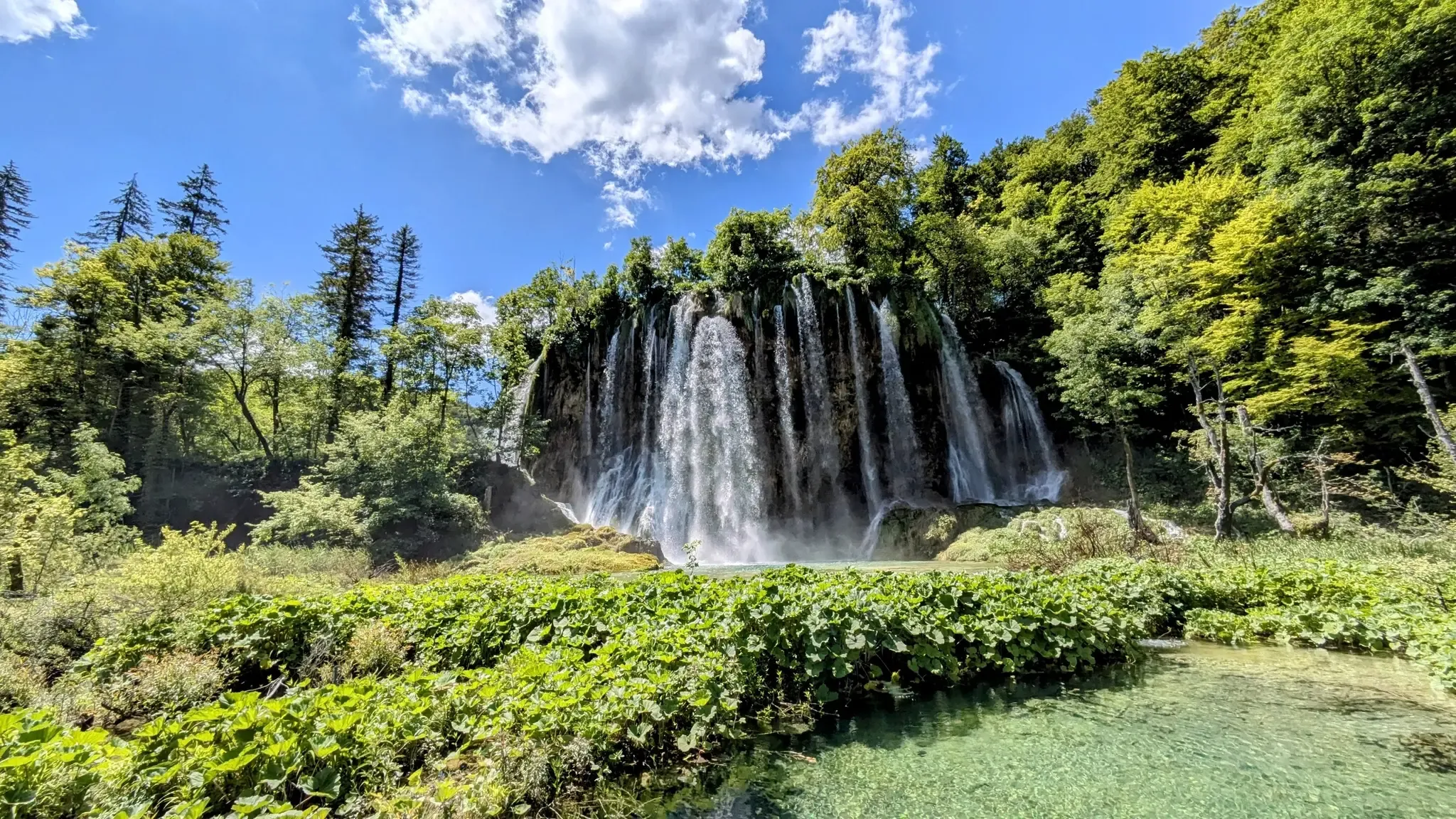
Green Wilderness, Blue Adriatic – Hiking in Croatia's National Parks
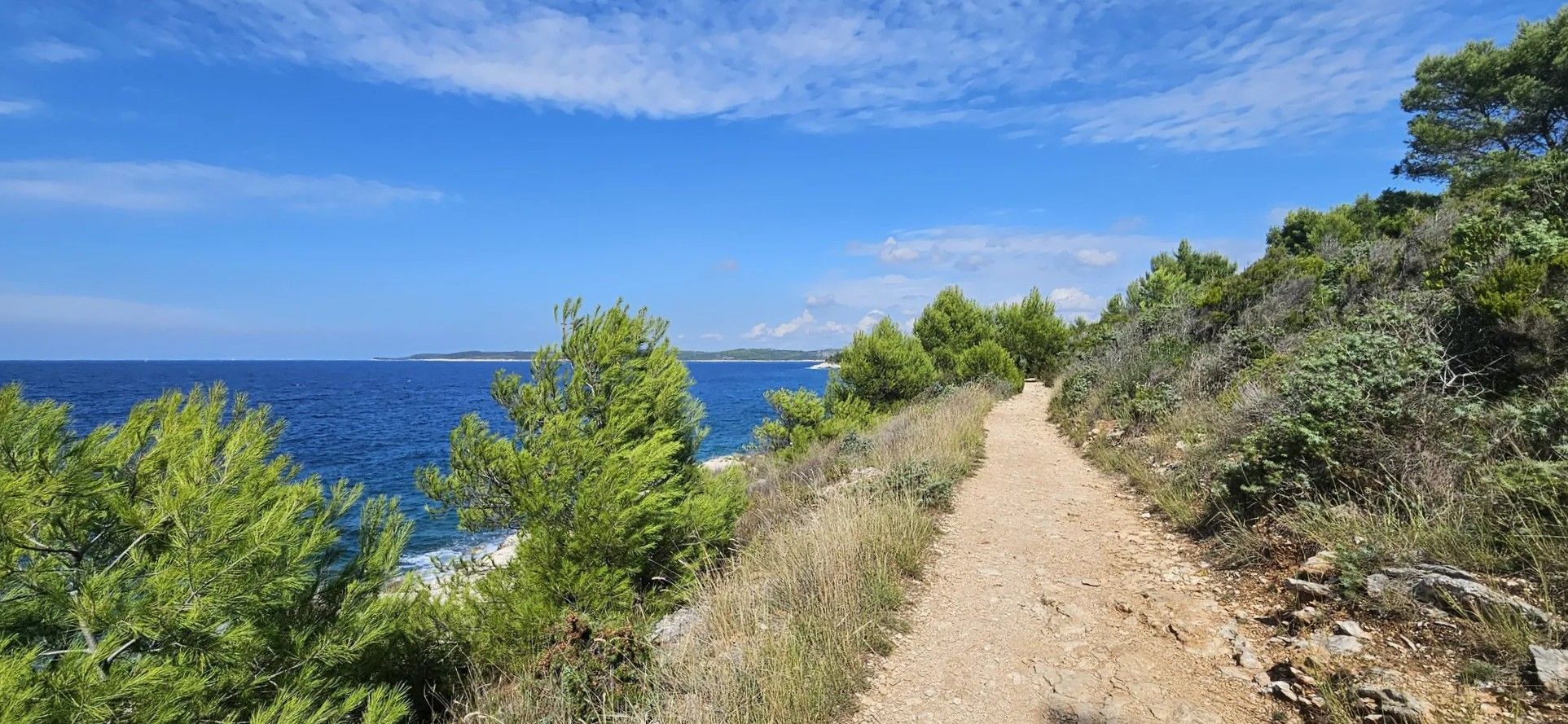
From Sea to Summit: Trail Running in Croatia
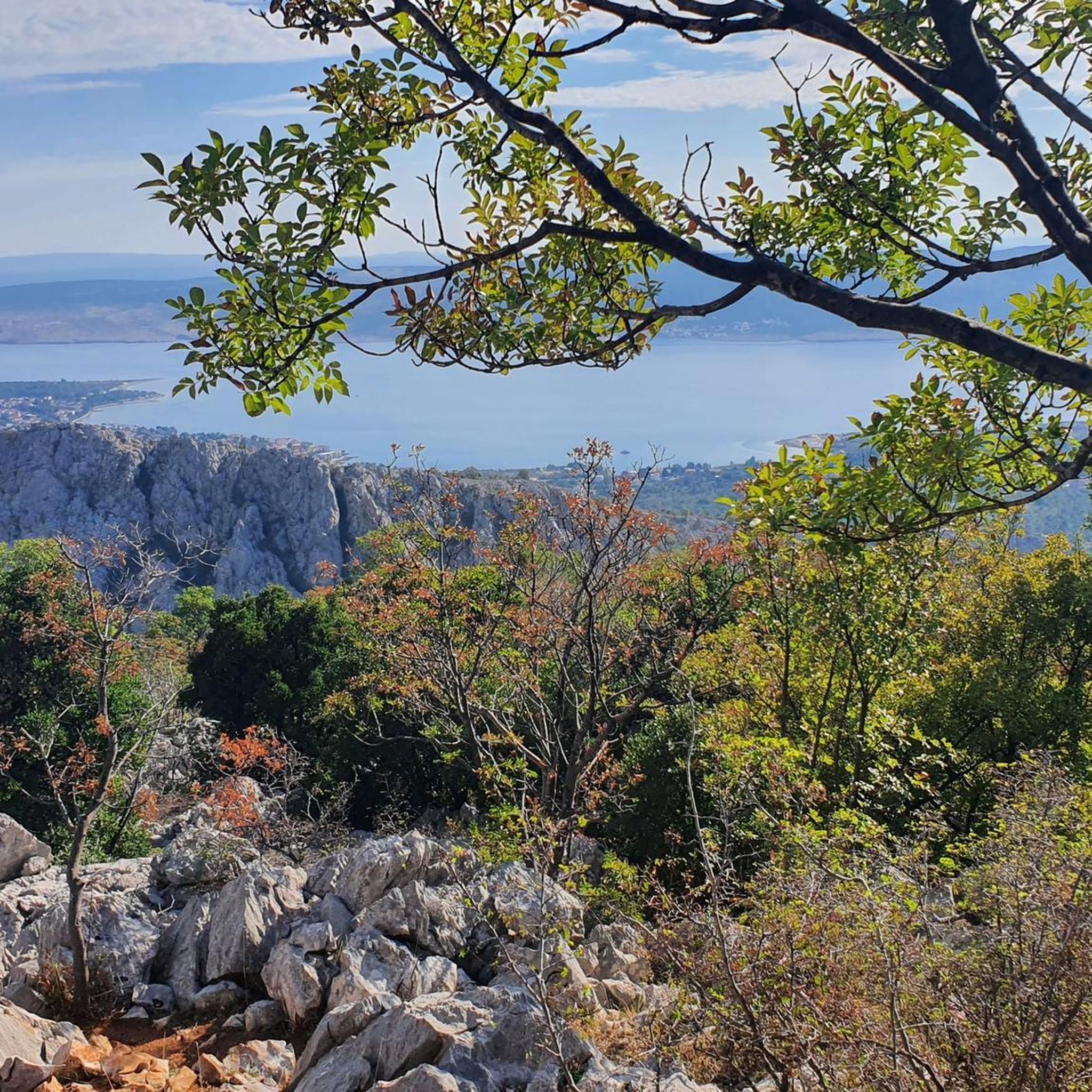
Hiking around Velebit
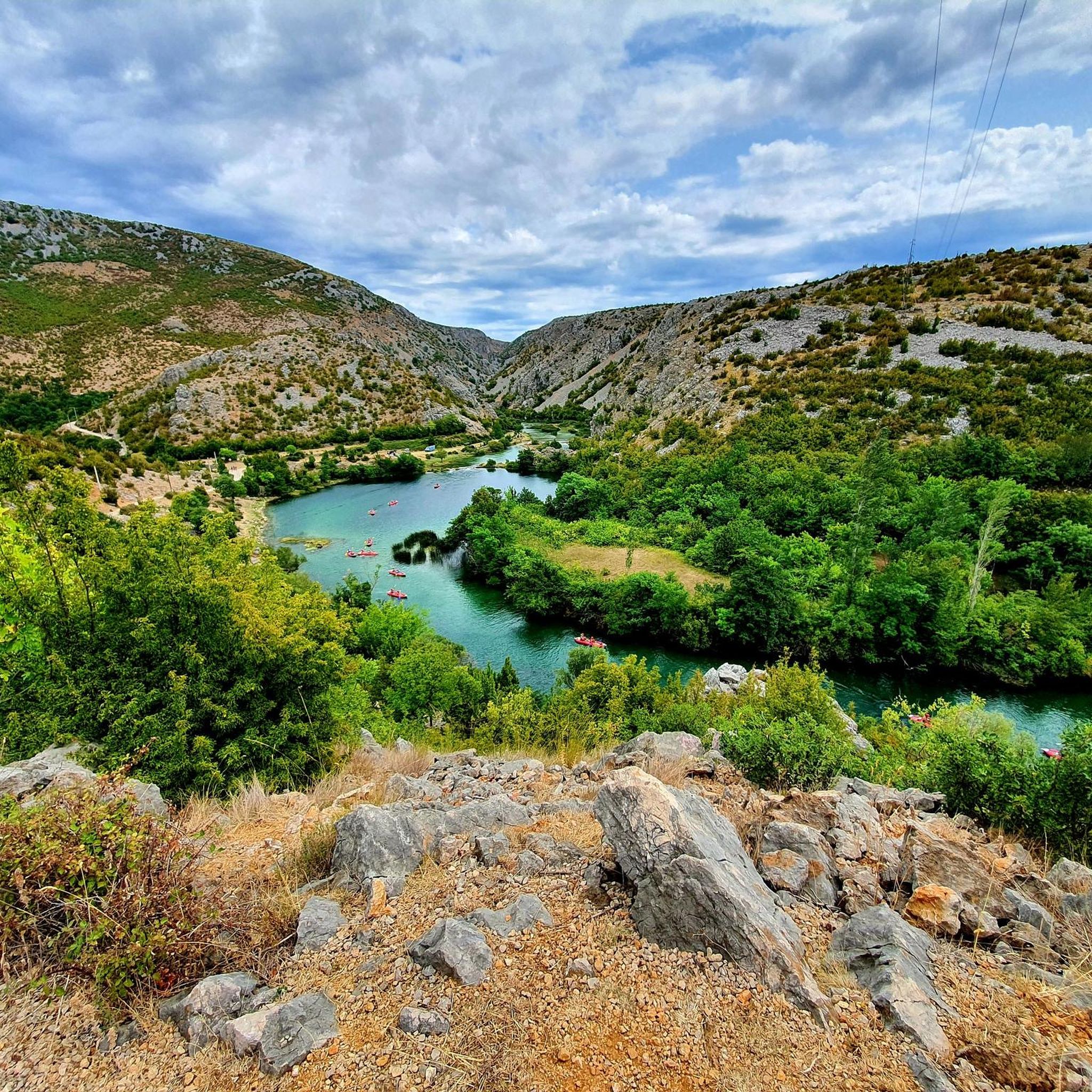
MTB Trails around Velebit
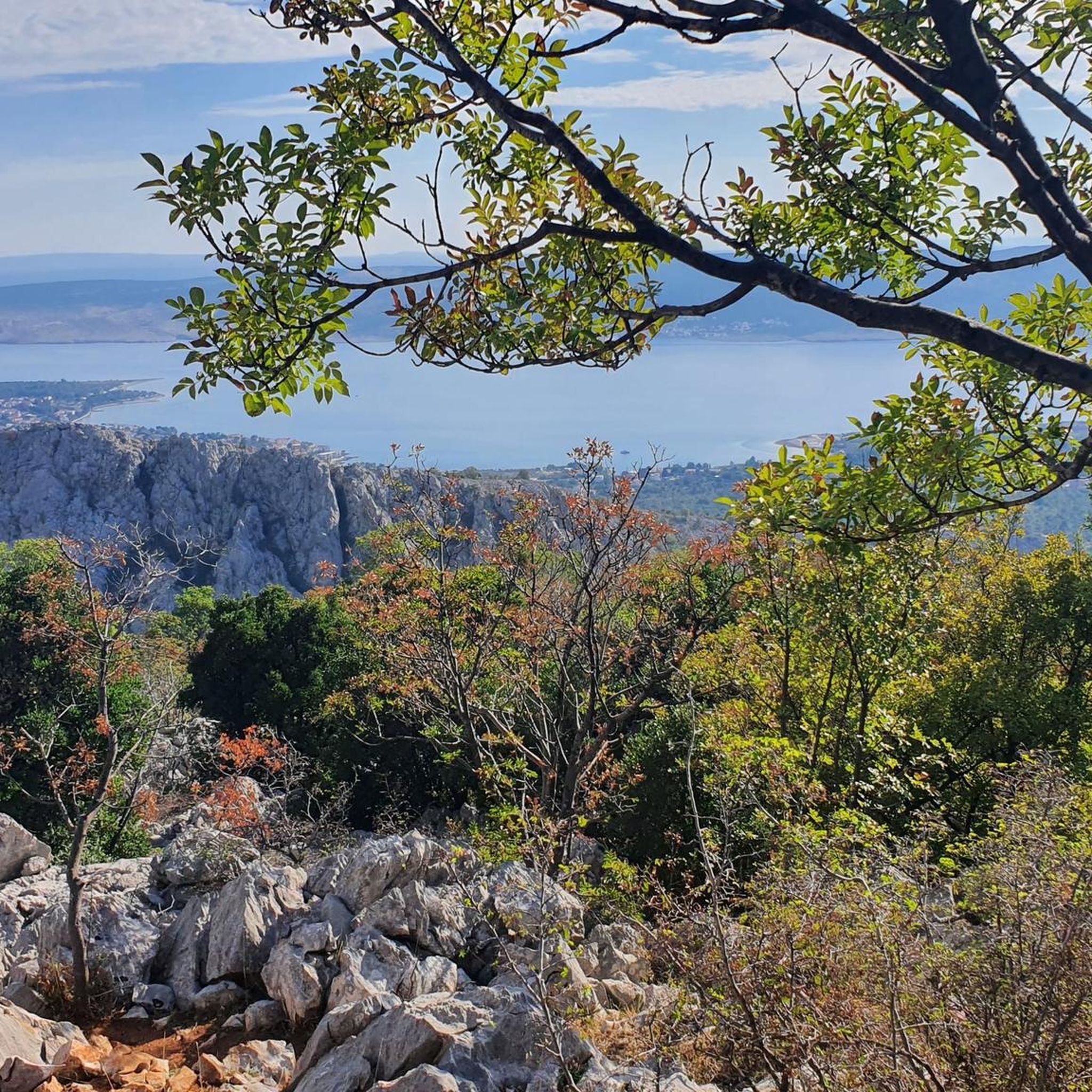
Cycling around Velebit
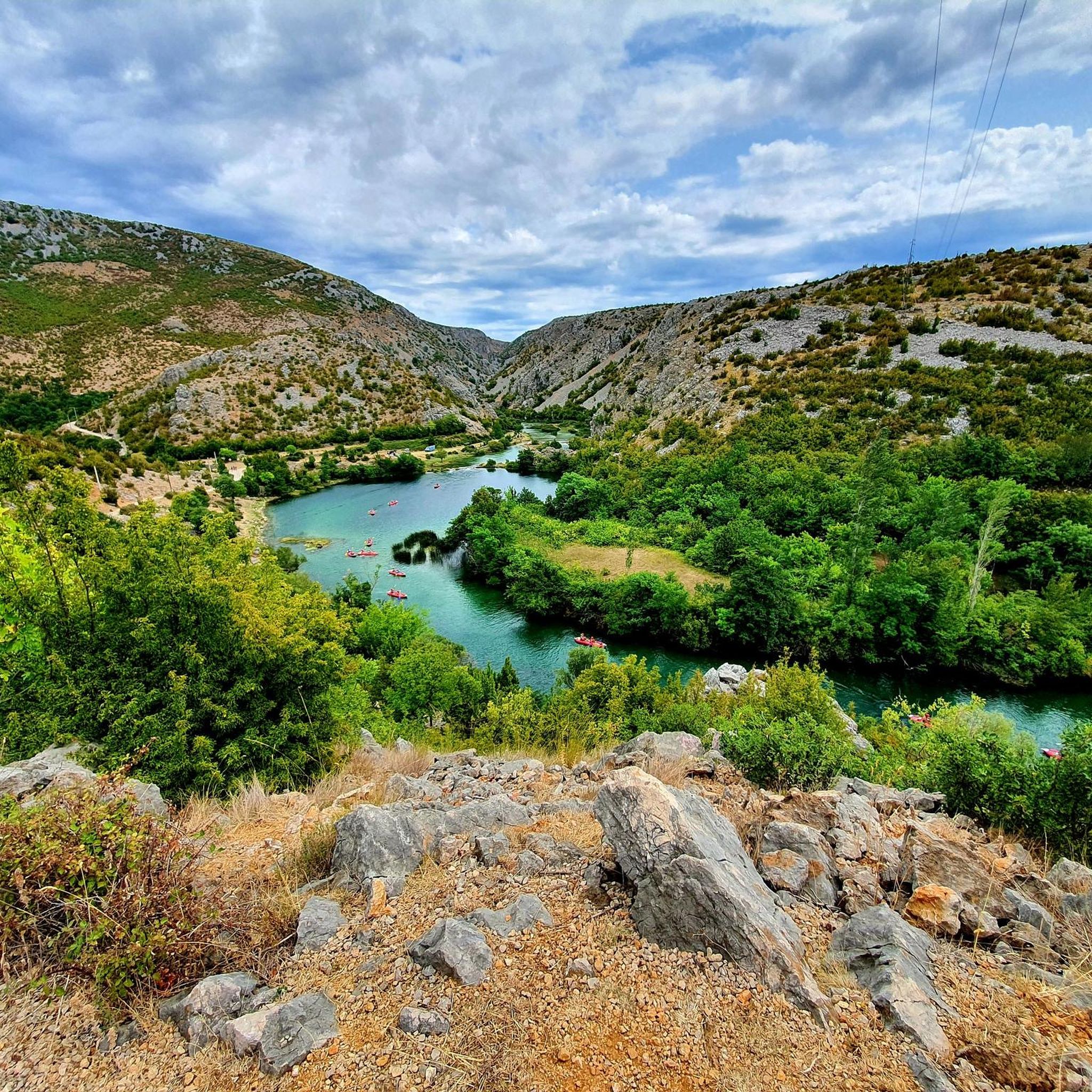
Road Cycling Routes around Velebit
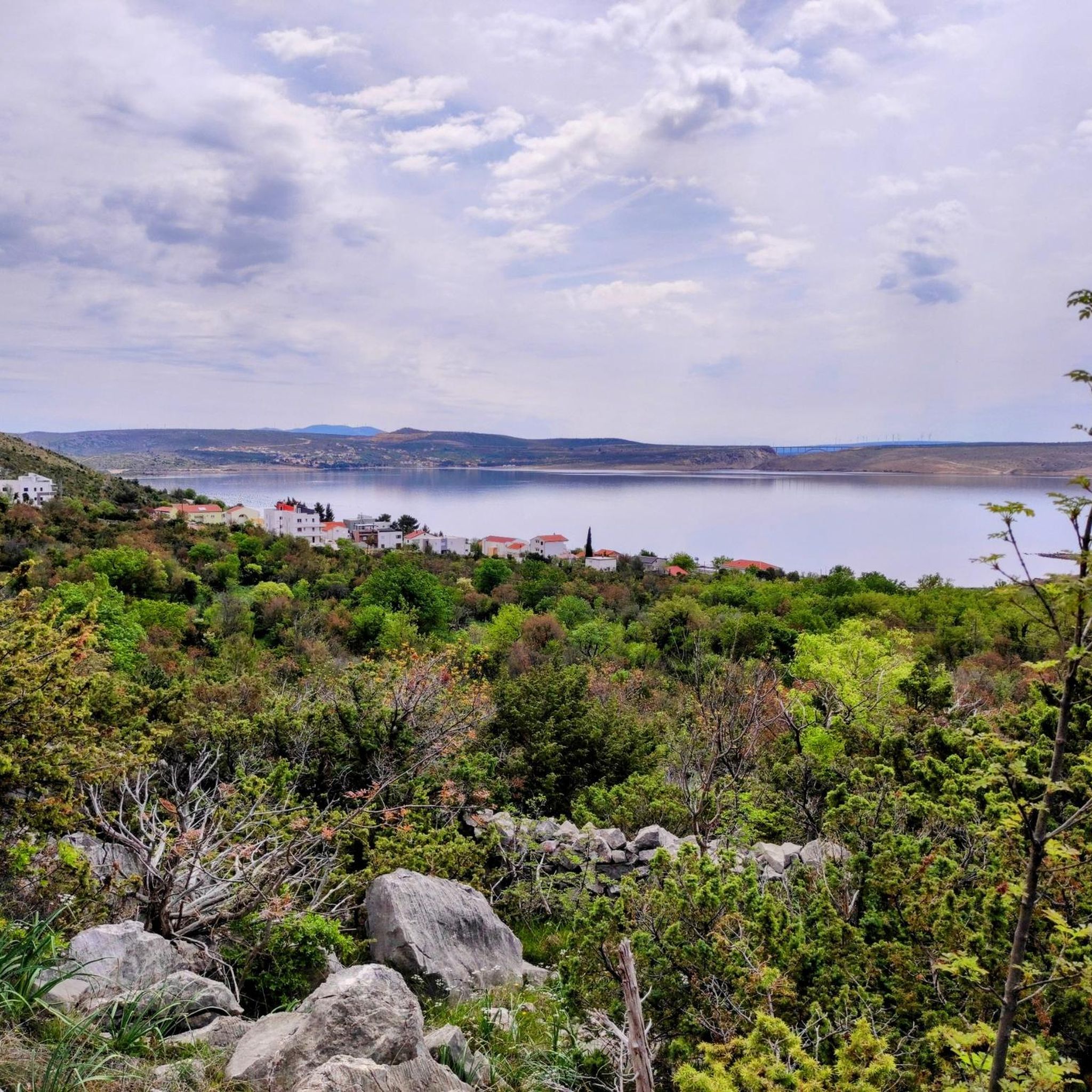
Running Trails around Velebit
Mountain Hikes around Velebit
Other adventures around Velebit


Tips from the Community

At 1,676 meters, Gromovača is the highest peak of Rožanski kukovi and one of the most beautiful viewpoints in the northern Velebit. A gentle detour from the Premužić Trail leads up in just a few minutes. At the top, a fantastic panoramic view opens up. To the west, your gaze wanders over the rugged sea of rock towers to the Adriatic Sea with the islands of Rab, Pag, and Krk; to the east, it stretches far into the mountainous Lika region. The name derives from the Croatian word for thunder, a reference to the violent thunderstorms that can discharge at these exposed heights.
1
0
The Balinovac is located at an altitude of around 1,600 meters. A detour to the rocky summit is worthwhile. From here, your gaze wanders over the rugged karst peaks of the Northern Velebit to the Kvarner Bay with its islands.
1
0

Near the trail, a gentle uphill climb to the top offers a beautiful view of the Kukovi rocks, the Adriatic Sea and islands.
1
1

One of the peaks on Dabarski kukov
0
0
The highest peak of Velebit and very beautiful
1
0
The highest peak of Velebit and very visited
1
0


Better to hike counter-clockwise! There are some spots to climb. Good footwear and mountain experience assumed.
0
0
Frequently Asked Questions
What is the general hiking difficulty for Velebit mountain peaks?
Velebit offers a range of hiking difficulties. Peaks like Velika Kosa Peak are considered intermediate with a short ascent from the Zavižan mountain hut. More challenging climbs include Balinovac Peak and Vaganski Peak, which require surefootedness and good physical condition. Always check specific trail descriptions for details.
Which Velebit peaks offer the best panoramic views?
Several peaks in Velebit are renowned for their panoramic views. Velika Kosa Peak provides magnificent views across the Velebit massif and out to the Adriatic Sea islands. Sveto Brdo Summit offers excellent views in all directions, including Maslenica, Zadar, and other Velebit peaks. Ljubičko Brdo also provides an all-round view of the surrounding mountains.
Are permits required for hiking trails in Northern Velebit National Park?
Yes, Northern Velebit National Park generally requires an entrance fee or permit for access to its trails and protected areas. It's advisable to check the official national park website for the most current information on fees and regulations before your visit.
How long does it typically take to hike to Vaganski Peak?
The hike to Vaganski Peak from the Lika side (east of the peak) is well-marked and typically takes 3-4 hours in one direction. The route from the coast side is considered more difficult. The road to the parking spot on the Lika side can be challenging for ordinary cars.
Are there family-friendly hiking options around Velebit peaks?
While many Velebit peaks involve intermediate to challenging climbs, there are easier routes available in the broader Velebit region. For family-friendly options, consider exploring the trails listed in the Easy hikes around Velebit guide, which includes routes like the Rock Tunnel – Zavratnica Bay loop.
What is the best time of year to hike the Velebit peaks?
The best time to hike Velebit peaks is generally from late spring to early autumn (May to October). During these months, the weather is more stable, temperatures are pleasant, and trails are typically free of snow. Summer offers warmer conditions, while spring and autumn provide beautiful flora and changing foliage.
Can I hike Velebit peaks in winter?
Winter hiking in Velebit is possible but requires significant preparation, experience, and appropriate gear due to snow, ice, and potentially harsh weather conditions. Some peaks and trails may be inaccessible or require specialized equipment like snowshoes or crampons. It's recommended for experienced winter hikers only, and checking weather forecasts and trail conditions is crucial.
What kind of wildlife can I expect to see in the Velebit mountains?
Velebit is a protected area known for its rich biodiversity. You might encounter various species, including brown bears, wolves, lynx, chamois, and numerous bird species. The region is also home to a wide array of endemic plants, especially in areas like the Velebit Botanical Garden near Velika Kosa Peak.
Are there any circular hiking routes around Velebit peaks?
Yes, Velebit offers circular hiking routes. For example, a popular loop from the Zavižan hut can take you to Velika Kosa Peak, then to Balinovac Peak, through the botanical garden, and back to the hut. The Mountain Hikes around Velebit guide also lists routes like the Ljubičko Brdo loop.
What other outdoor activities can I do near Velebit's mountain peaks?
Beyond peak bagging, Velebit offers diverse outdoor activities. You can explore easy hikes, as detailed in the Easy hikes around Velebit guide, or embark on more challenging mountaineering routes from the Mountain Hikes around Velebit guide. There are also opportunities for waterfall hikes, such as those found in the Waterfall hikes around Velebit guide, offering different scenic experiences.
Are dogs allowed on Velebit mountain trails?
Regulations regarding dogs can vary within Velebit, especially in national parks like Northern Velebit and Paklenica. Generally, dogs are allowed on many trails but must be kept on a leash. It's always best to check the specific rules for the area you plan to visit, particularly within protected zones, to ensure compliance.
Are there cafes or mountain huts near Velebit hiking trails?
Yes, there are mountain huts and sometimes cafes available, particularly in more popular areas. For instance, Velika Kosa Peak is a short ascent from the Zavižan mountain hut, which often provides food and accommodation. The village of Baške Oštarije, a starting point for hikes to Ljubičko Brdo, also offers hostels and a campsite.
Most popular routes around Velebit
Most popular attractions around Velebit

Get inspired with the komoot mobile app


Explore more
See even more amazing summits around Velebit with these guides:
