The best traffic-free bike rides around Cassano D'Adda
4.2
(821)
13,189
riders
121
rides
No traffic road cycling routes around Cassano D'Adda are primarily characterized by the flat plains of Lombardy, offering extensive cycling along the Adda River and the historic Naviglio Martesana canal. The region features dedicated bike paths that traverse lush riparian landscapes and natural parks, providing a consistent surface for road cyclists. This area is well-suited for varied cycling experiences, from leisurely rides to longer routes, with minimal elevation changes.
Best no traffic road cycling routes around Cassano D'Adda
- The most…
Last updated: August 24, 2026
4.4
(145)
1,509
riders
65.7km
02:38
150m
150m
Embark on the Martesana Cycle Route for a refreshing racebike journey that quickly transports you from Milan's urban edge into the tranquil Lombardy countryside. This moderate route spans 40.8 miles…
4.5
(103)
1,062
riders
Easy road ride. Great for any fitness level. Mostly well-paved surfaces and easy to ride.

Sign up for free
4.1
(10)
170
riders
47.5km
01:50
110m
110m
Easy road ride. Great for any fitness level. Mostly well-paved surfaces and easy to ride.
3.2
(5)
90
riders
Easy road ride. Great for any fitness level. Mostly well-paved surfaces and easy to ride.
4.0
(1)
46
riders
33.4km
01:23
80m
80m
Moderate road ride. Great for any fitness level. Some segments of this route may be unpaved and difficult to ride.
Get access to more routes and recommendations from other explorers.
Sign up for free
Already have an account?
Our route recommendations are based on thousands of hikes, rides, and runs completed by other people on komoot.
Start today with a free account
Your next adventure awaits.
Login or Signup



Tips from the Community

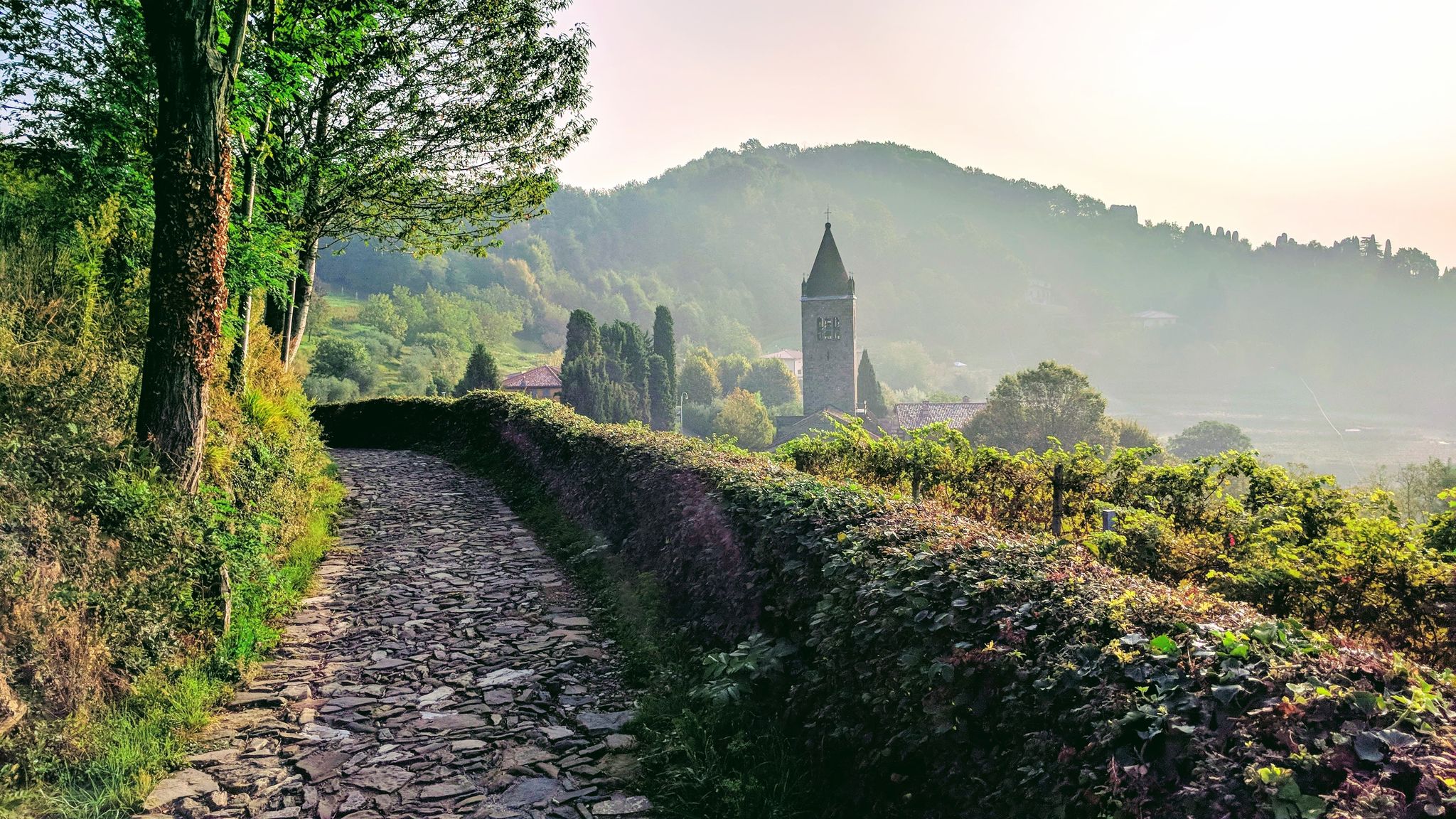
The bridge over the Muzza Canal, located in Lavagna (a hamlet of the municipality of Comazzo in the province of Lodi), is a historical landmark for crossing this ancient artificial waterway. The Muzza is a branch of the Adda river, known for being one of the oldest canals in Europe. Lavagna Lodigiana is a small rural village immersed in the countryside that develops right next to the canal. The bridge area is frequented by cyclists and hikers who travel along the Muzza cycle path or the Muzza-Ponte di Lavagna route, enjoying the river landscape.
0
0

It's a shame they didn't open the store anymore...
0
0
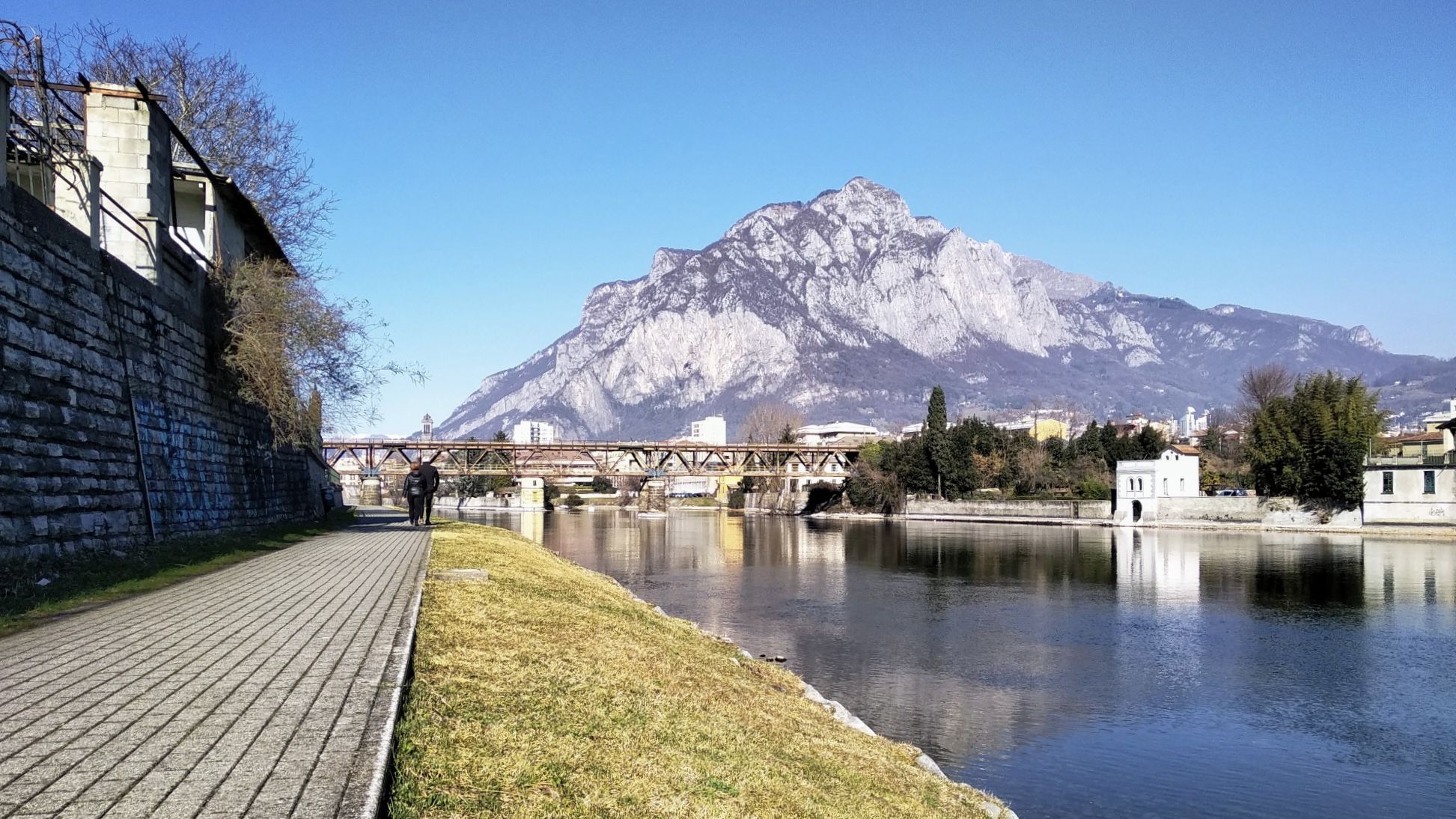
The Muzza Canal is one of the most important and oldest hydraulic engineering works in Europe. It is a large artificial branch of the Adda river that crosses the Lombard plain. For centuries, it has represented the main resource for irrigating the lands of the province of Lodi and southern Milan. It originates in Cassano d'Adda (Milan), drawing water directly from the Adda near the Visconti castle. It ends its course after about 39-40 kilometers (over 60 km considering the entire main network), rejoining the Adda at Castiglione d'Adda (Lodi).
0
0
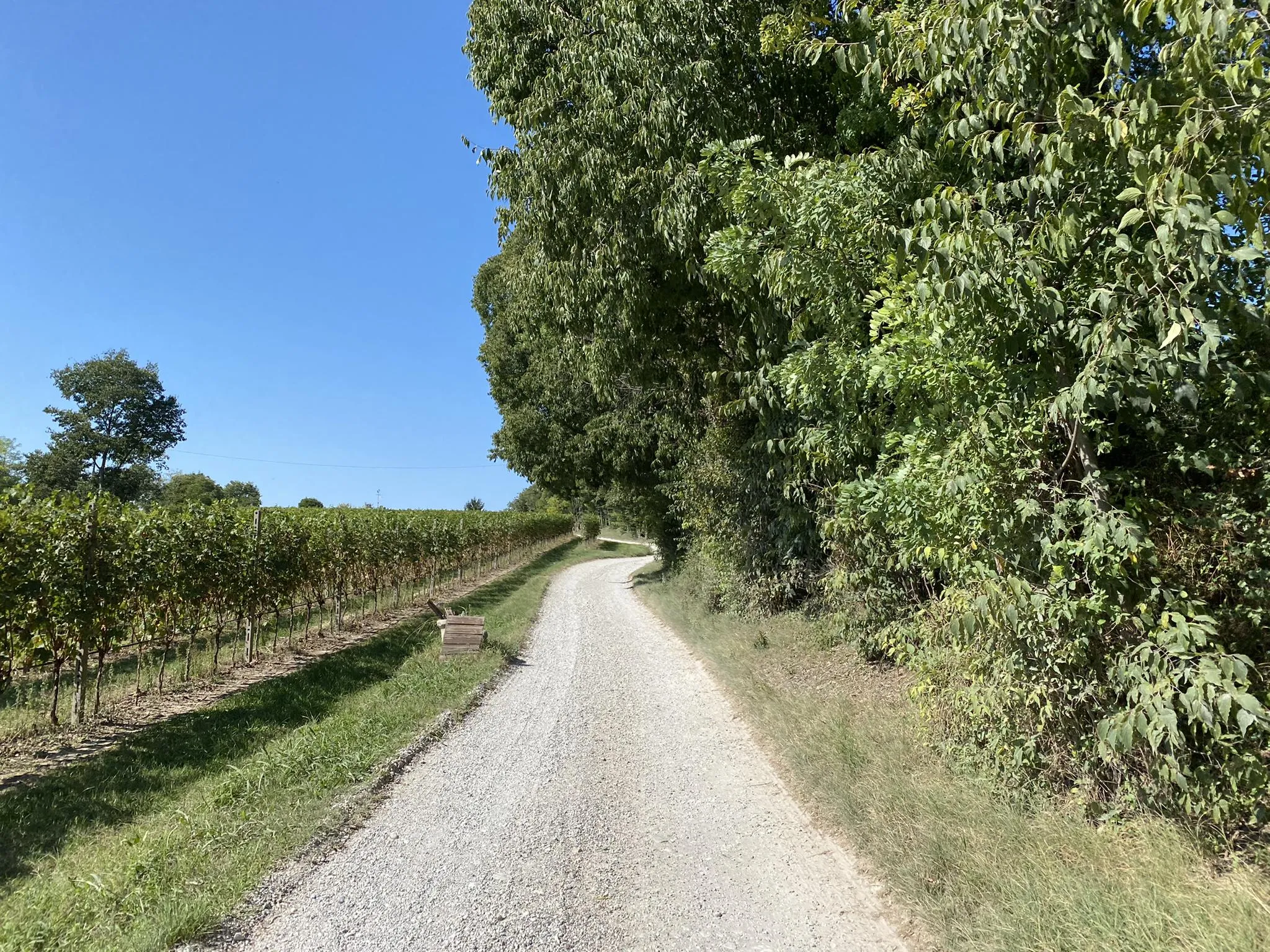
The Locks of Bellinzago Lombardo are an important historical hydraulic engineering work located along the course of the Naviglio della Martesana. They represent one of the best-known stopping and points of interest for cyclists and hikers who frequent the canal bank. These historical hydraulic systems (locks or sluices) originally served to regulate the flow of water and allow commercial navigation between the Adda and Milan.
0
0
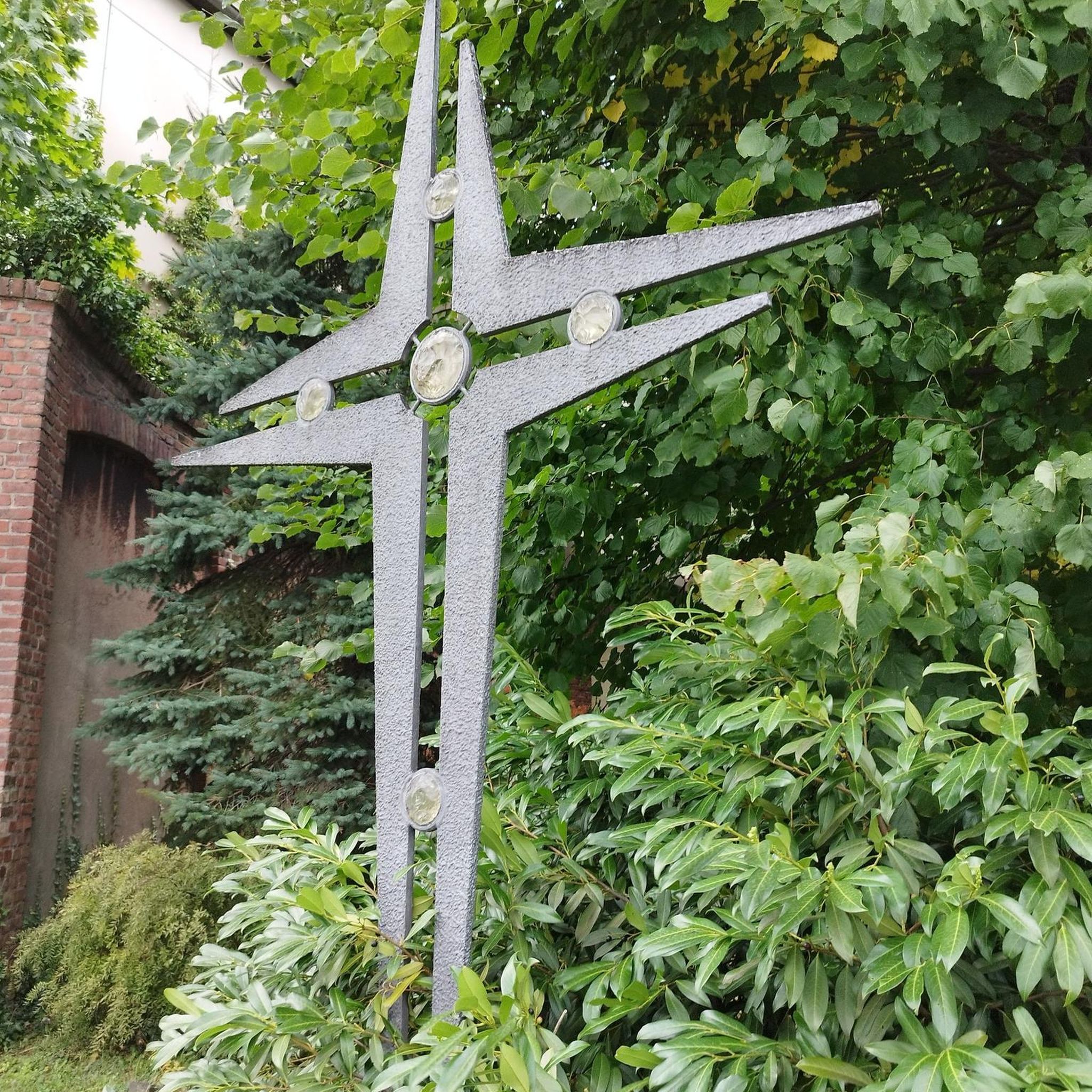
The Martesana cycle path starts from Cassina de' Pomm at the corner of via Melchiorre Gioia and extends for 30 km passing through the municipalities of Cologno Monzese, Vimodrone, Cernusco sul Naviglio, Cassina dei Pecchi, Bussero, Gorgonzola, Gessate, Inzago and Cassano d'Adda
1
0

The two eye-like spherical openings and a mouth-like rectangular slit make it a nice attraction
1
0
I was curious to see it up close, and so it was
1
0

The Muzza Canal is the oldest in Europe and this year, its 800th anniversary was celebrated by the Municipality of Paullo in collaboration with the Pro Loco and other Municipalities. Its origin dates back to the year 1220, when Frederick II of Swabia, crowned emperor of the Holy Roman Empire, issued an imperial edict that granted the people of Lodi the right to use the waters flowing through their territory. The current route, about 60 km long, receives the waters of the Adda at Cassano d’Adda, at an altitude of 120 m above sea level, crosses the Lodi territory for about 40 km up to near Castiglione d’Adda, at an altitude of 45 m above sea level, and here it releases them back into the Adda. It has a regulated water regime, with a flow rate, depending on the seasons, of about 200,000 liters of water per second; an initial width of 50 meters which reduces to a few meters at the end of its course and an average depth of 2 meters.
1
0
Frequently Asked Questions
Are there easy, no-traffic road cycling routes suitable for beginners in Cassano D'Adda?
Yes, Cassano D'Adda offers numerous easy, no-traffic road cycling routes perfect for beginners. Many paths along the Adda River and Naviglio Martesana canal are mostly flat and well-maintained. For example, the Bellinzago Lombardo Locks – Martesana Canal loop from Cassano d'Adda is an easy 20 km route, ideal for a relaxed ride.
Are the no-traffic road cycling routes in Cassano D'Adda suitable for families?
Absolutely. The region's focus on dedicated bike paths, especially along the Adda River and Naviglio Martesana, makes many routes very family-friendly. These car-free environments provide a safe and enjoyable experience for cyclists of all ages. Routes like the Park Fountain – Bellinzago Lombardo Locks loop from Trezzano Rosa offer gentle terrain suitable for a family outing.
Can I find circular no-traffic road cycling routes around Cassano D'Adda?
Yes, many of the no-traffic road cycling routes in Cassano D'Adda are designed as loops, allowing you to start and finish in the same location. This is particularly convenient for exploring the scenic canals and riverbanks. An example is the Martesana Cycle Path – Martesana Canal Cycle Path loop from Pozzuolo Martesana, which offers a pleasant circular ride.
What historical landmarks or natural sights can I see along the no-traffic road cycling routes?
The no-traffic routes around Cassano D'Adda are rich in both history and natural beauty. Along the Adda River and Naviglio Martesana, you can encounter sites like the historic Rudun Water Wheel, believed to be designed by Leonardo da Vinci, and the impressive Taccani Hydroelectric Power Plant and Trezzo Castle Tower. Natural highlights include the serene Pignone Park and Waterfall on the Adda River and the peaceful Le Foppe Oasis of Cavenago Brianza.
Is there parking available near the starting points of these no-traffic routes?
Yes, Cassano D'Adda and the surrounding towns typically offer various parking options, including public parking lots, which are often conveniently located near access points to the main cycling paths along the Adda River and Naviglio Martesana. It's advisable to check local signage for specific parking regulations.
Can I reach the no-traffic road cycling routes by public transport?
Cassano D'Adda is accessible by public transport, primarily by train, which connects it to larger cities like Milan. Many of the cycling routes, especially those along the Naviglio Martesana, are easily reachable from the town center or nearby train stations, making it convenient to start your ride without a car.
Are there places to stop for refreshments or food along the no-traffic routes?
Yes, the routes often pass through or near charming towns and villages along the Adda River and Naviglio Martesana. You'll find various cafes, restaurants, and trattorias where you can stop for a coffee, a meal, or to refill your water bottles. Cassano D'Adda itself offers several options, and smaller establishments are dotted along the canals.
What is the best time of year for no-traffic road cycling in Cassano D'Adda?
The best time for no-traffic road cycling in Cassano D'Adda is generally from spring (April-May) through early autumn (September-October). During these months, the weather is typically mild and pleasant, with less rainfall, making for ideal cycling conditions. Summer can be warm, but the shaded paths along the river and canal offer some respite.
Are dogs allowed on the no-traffic road cycling routes?
Many of the dedicated bike paths and natural parks around Cassano D'Adda are dog-friendly, provided dogs are kept on a leash. It's always a good idea to bring water for your pet and be mindful of other cyclists and pedestrians. Specific regulations may vary by park or municipality, so look for local signage.
How many no-traffic road cycling routes are available in Cassano D'Adda?
There are over 120 no-traffic road cycling routes available around Cassano D'Adda, catering to various skill levels. This extensive network ensures a wide choice of scenic and car-free rides for every cyclist.
What do other cyclists say about the no-traffic road cycling routes in Cassano D'Adda?
The no-traffic road cycling routes in Cassano D'Adda are highly rated by the komoot community, with an average score of 4.55 stars. Cyclists frequently praise the peaceful, car-free environment, the picturesque scenery along the Adda River and Naviglio Martesana, and the well-maintained paths that make for a relaxing and enjoyable ride.
Are there any routes that follow the historic Naviglio Martesana canal?
Yes, the Naviglio Martesana canal is a central feature for no-traffic road cycling in the area. Routes like the Martesana Cycle Route offer extensive stretches along this historic waterway, providing charming views of ancient locks and quaint towns. The canal path is known for being flat and well-suited for leisurely rides.
What are the typical distances of the no-traffic road cycling routes?
The no-traffic road cycling routes around Cassano D'Adda vary significantly in distance, offering options for short excursions and longer rides. You can find routes as short as 20 km, like the Bellinzago Lombardo Locks loop, up to over 65 km, such as the Martesana Cycle Route, allowing you to choose a distance that suits your fitness level and available time.
Most popular routes around Cassano D'Adda
Most popular attractions around Cassano D'Adda

Get inspired with the komoot mobile app


Explore more
Browse the best Road cycling routes in other regions.
