The best traffic-free bike rides around Olen
4.6
(35)
3,367
riders
119
rides
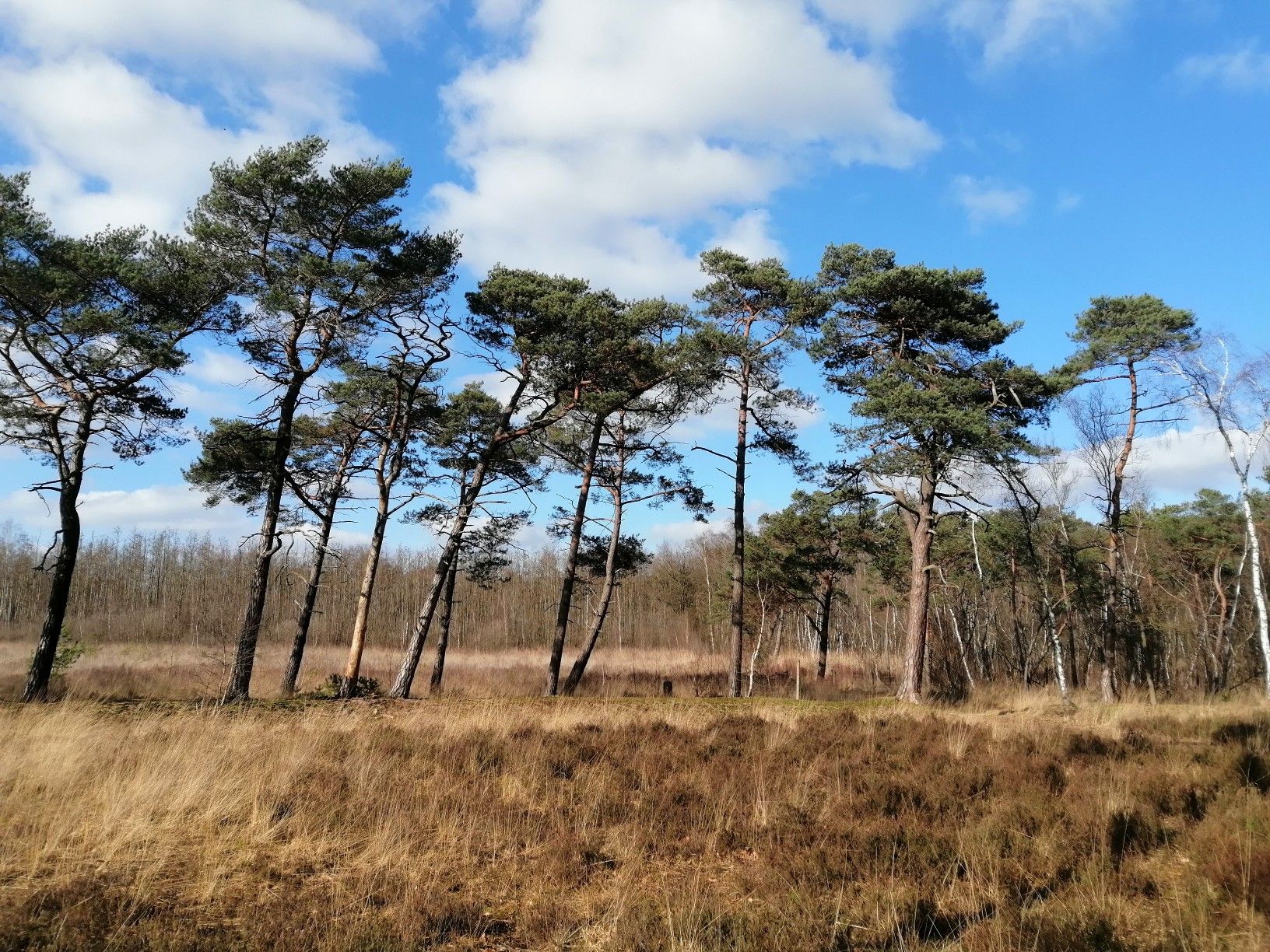
No traffic road cycling routes around Olen are characterized by the varied terrain of the Kempen region, offering extensive cycling infrastructure. The landscape features flat, accessible paths, shaded forests, and expansive heathlands. Many routes follow canals and rivers, providing gentle gradients and picturesque views. The area also includes natural reserves such as Olens Broek and the Teunenberg Domain, contributing to a diverse cycling environment.
Best no traffic road cycling routes around Olen
- The most popular no traffic road cycling route…
Last updated: May 3, 2026
4.8
(8)
260
riders
46.2km
01:48
50m
50m
Easy road ride. Great for any fitness level. Mostly well-paved surfaces and easy to ride.
5.0
(5)
221
riders
56.0km
02:22
70m
70m
Moderate road ride. Good fitness required. Some segments of this route may be unpaved and difficult to ride.

Sign up for free
177
riders
129km
05:53
420m
420m
Hard road ride. Very good fitness required. Some segments of this route may be unpaved and difficult to ride.
4.3
(3)
169
riders
50.6km
02:22
80m
80m
Moderate road ride. Good fitness required. Some segments of this route may be unpaved and difficult to ride.
3.0
(1)
126
riders
87.7km
04:06
330m
330m
Moderate road ride. Good fitness required. Some segments of this route may be unpaved and difficult to ride.
Get access to more routes and recommendations from other explorers.
Sign up for free
Already have an account?
Our route recommendations are based on thousands of hikes, rides, and runs completed by other people on komoot.
Start today with a free account
Your next adventure awaits.
Login or Signup

Other adventures around Olen

Tips from the Community

Webbekoms Broek is part of the Webbekomsbroek-Borchbeemden Flemish Nature Reserve, a contiguous area of 397 hectares managed by the Flemish Agency for Nature and Forests. This also includes the Diesters Broek, the Schaffens Broek, and the Borchbeemden: Rotbroek, Gorenbroek, and Sint-Jansberg. Several watercourses flow through the area. The most important of these is the Demer. The others are primarily its tributary, the Zwarte Beek, the Grote Leigracht, and the Leigracht. The Demer Valley has been plagued by floods for centuries. The most severe floods in recent history date back to 1998. There were also serious floods in Diest in 2008. To prevent severe water damage, retention basins and floodplains were installed. The Webbekoms Broek and its surroundings constitute a floodplain. In September 1998, a retention basin with a surface area of 144 hectares was put into operation in the Webbekoms Broek. The area can hold 3.5 million m³ of water. There is an inner basin and an outer basin. The inner basin is surrounded by dikes. The remainder forms the outer basin, which primarily functions as a nature reserve.
1
1

The Schulensmeer is the largest inland lake in Flanders. Numerous benches invite you to take a break.
5
0
The forest is characterized by a wide variety of tree species of various ages. Surrounded by agricultural lands and old standard orchards, some trees in this forest have survived since 1900. It's no wonder that tree-dwellers like the squirrel and the woodpecker thrive in Sint-Jansberg. Even the deadwood teems with life. Its history is closely linked to the neighboring Carthusian Monastery, so the estate forest also holds significant archaeological value. So far, eight hectares of the field surrounding the Carthusian Monastery has been reforested with native tree species. Sint-Jansberg, along with Rotbroek and Gorenbroek, forms part of the larger Borchbeemden area.
8
0

beautiful windmill that can sometimes be visited.
2
0
Farm with a beautiful windmill, the mill still works and is occasionally open to visitors.
1
0
In the heart of Herentals stands the Cloth Hall, the most important witness to Herentals' rich past. The building was built in the early fifteenth century by wealthy wool weavers and cloth makers to conduct their trade. In 1512, the building was almost completely destroyed by fire. Reconstruction was completed in 1534. Over the years, the town hall has undergone numerous repairs and renovations. The last major renovation took place in 2010. The Cloth Hall is a simple, rectangular building. The tower is approximately 35 meters high. Since the mid-sixteenth century, a carillon has hung in the belfry. The fifty bells together weigh almost four tons. The carillon is still played regularly. The oldest sources refer to the building as the "gulden huys," "meethuys," or "loothuys." Around 1430, the building was officially given the name "town hall." Since 1998, it has officially been called the Cloth Hall. The belfry is a UNESCO World Heritage Site. The Cloth Hall now serves a socio-cultural purpose, regularly hosting exhibitions and concerts. During exhibitions, the Cloth Hall is freely accessible. The belfry is not open to the public. Source: https://www.herentals.be/lakenhal
0
0


You feel the peace here, especially when you're on the other side and can admire the horses and sheep nearby in the beautiful open countryside. I'll definitely come back here for a walk. Wonderful 😎
1
0
Frequently Asked Questions
How many no traffic road cycling routes are available around Olen?
There are over 110 dedicated no traffic road cycling routes around Olen, offering a wide range of options for cyclists. These routes vary in difficulty, ensuring there's something for every skill level.
What kind of terrain can I expect on no traffic road cycling routes in Olen?
The no traffic road cycling routes around Olen primarily feature varied terrain characteristic of the Kempen region. You'll find many flat, accessible paths, ideal for relaxed rides. Routes often pass through shaded forests, expansive heathlands, and along picturesque waterways like canals and rivers, including tranquil towpaths. While generally not mountainous, some routes may include gentle slopes that offer beautiful vistas.
Are there easy no traffic road cycling routes suitable for beginners or families in Olen?
Yes, Olen offers several easy no traffic road cycling routes perfect for beginners or families. Many paths are almost entirely flat, making them suitable for all abilities. For example, the Molen van 't Veld – SAS4 Observation Tower loop from Olen is an easy 46 km route with minimal elevation gain, offering a pleasant ride through the local landscape.
What are the typical distances of the traffic-free road cycling routes around Olen?
The traffic-free road cycling routes around Olen vary significantly in length. You can find shorter, easy routes around 45-50 km, such as the Molen van 't Veld – SAS4 Observation Tower loop from Olen. Moderate routes typically range from 50 km to 90 km, like the Gerhagen Nature Reserve – Houterenberg Climb loop from Olen at 87 km. For more experienced cyclists, there are also longer, challenging routes exceeding 100 km.
Are there circular no traffic road cycling routes available in Olen?
Yes, many of the no traffic road cycling routes around Olen are designed as circular loops, allowing you to start and end your ride in the same location. This makes planning your trip convenient, especially if you're driving to a starting point. Examples include the Cycle Path Along Engels Kamp – Kleine Nete Towpath loop from Olen and the Zen in Mol – SAS4 Observation Tower loop from Olen.
What natural features or scenic spots can I see along the no traffic road cycling routes in Olen?
Olen's no traffic road cycling routes offer access to beautiful natural features. You can cycle through areas like the Olens Broek nature reserve, known for its diverse biotopes, or the Teunenberg Domain with its developing heaths and varied forest edges. Many routes also follow tranquil waterways, providing picturesque views. The broader Kempen region, easily accessible from Olen, features expansive heathlands and forests, with some routes even leading towards the Hoge Kempen National Park.
Are there any historical landmarks or castles accessible from the no traffic road cycling routes?
Yes, while focusing on natural beauty, some routes bring you close to historical landmarks. The region around Olen is home to several castles. You might encounter highlights such as Borrekens Castle or De Merode Castle, Westerlo, offering a glimpse into the area's rich heritage. These can make for interesting stops during your ride.
Can I find viewpoints along the traffic-free road cycling routes in Olen?
Yes, while Olen's landscape is generally flat, some routes offer opportunities for scenic views. The Molen van 't Veld – SAS4 Observation Tower loop from Olen, for instance, includes the SAS4 Observation Tower, which provides elevated perspectives of the surrounding area. Additionally, the De Paepekelders Tourist Tower is another highlight in the vicinity that offers panoramic views.
What is the best time of year for no traffic road cycling in Olen?
The best time for no traffic road cycling in Olen is generally from spring through autumn. During these seasons, the weather is typically mild and pleasant, making for comfortable rides. Spring brings blooming nature, while autumn offers beautiful foliage. The extensive Flemish Cycle Junction Network ensures well-maintained paths are enjoyable throughout these months.
Is parking available near the starting points of these quiet road cycling routes?
Yes, parking is generally available near the starting points of many quiet road cycling routes in and around Olen. As the region is well-equipped for cyclists, you'll often find designated parking areas in towns or near popular trailheads, making it convenient to access the traffic-free paths.
What do other road cyclists enjoy the most about road cycling in Olen?
The area is highly rated by the komoot community, with an average score of 4.4 stars. Reviewers often praise the tranquil experience of cycling through quiet woodlands and expansive heathlands, the well-maintained paths of the Flemish Cycle Junction Network, and the picturesque routes along canals and rivers. The absence of traffic on these dedicated routes is a frequently highlighted positive aspect.
Are there cafes or pubs along the no traffic road cycling routes in Olen?
Yes, the Kempen region is known for its hospitality, and you'll often find cafes, pubs, or 'fietscafés' (cycling cafes) strategically located along or near popular cycling routes. These establishments provide convenient spots to take a break, refuel with local treats, or enjoy a refreshing drink, enhancing your cycling experience.
Most popular attractions around Olen

Get inspired with the komoot mobile app


Explore more
Browse the best Road cycling routes in other regions.
