The best traffic-free bike rides around Rotselaar
4.5
(327)
5,409
riders
228
rides
Gravel biking around Rotselaar offers diverse landscapes for cyclists seeking no traffic gravel bike trails. The region, situated in the Hageland, is characterized by rolling hills, extensive forests such as Dijpe Forest and Eikenbos Forest, and tranquil waterways including the Demer and Dijle rivers. This varied terrain provides a mix of gradients and scenic backdrops, ideal for different gravel biking experiences. Klarenbeek Lake (Plas van Rotselaar) also contributes to the area's natural appeal.
Best no traffic gravel bike trails in…
Last updated: July 14, 2026
5.0
(3)
119
riders
66.7km
03:26
90m
90m
Moderate gravel ride. Good fitness required. Mostly paved surfaces. Suitable for all skill levels.
5.0
(1)
51
riders
81.7km
04:43
270m
270m
Moderate gravel ride. Good fitness required. Mostly paved surfaces. Suitable for all skill levels.

Sign up for free
5.0
(2)
62
riders
50.2km
02:44
120m
120m
Moderate gravel ride. Good fitness required. Mostly paved surfaces. Suitable for all skill levels.
5.0
(1)
34
riders
59.2km
03:22
190m
190m
Moderate gravel ride. Good fitness required. Mostly paved surfaces. Suitable for all skill levels.
4.8
(8)
125
riders
47.0km
02:16
50m
50m
Moderate gravel ride. Good fitness required. Mostly paved surfaces. Suitable for all skill levels.
Get access to more routes and recommendations from other explorers.
Sign up for free
Already have an account?
Our route recommendations are based on thousands of hikes, rides, and runs completed by other people on komoot.
Start today with a free account
Your next adventure awaits.
Login or Signup
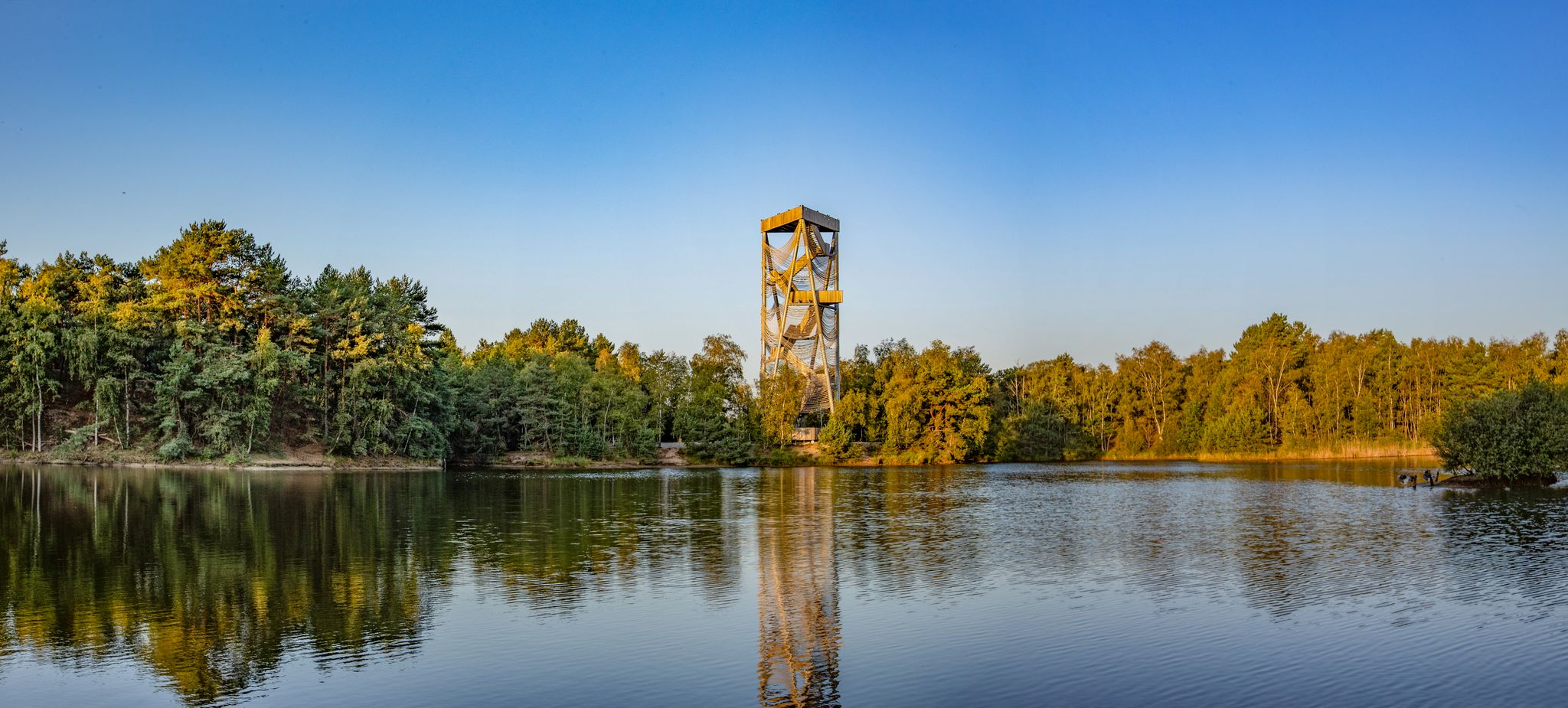
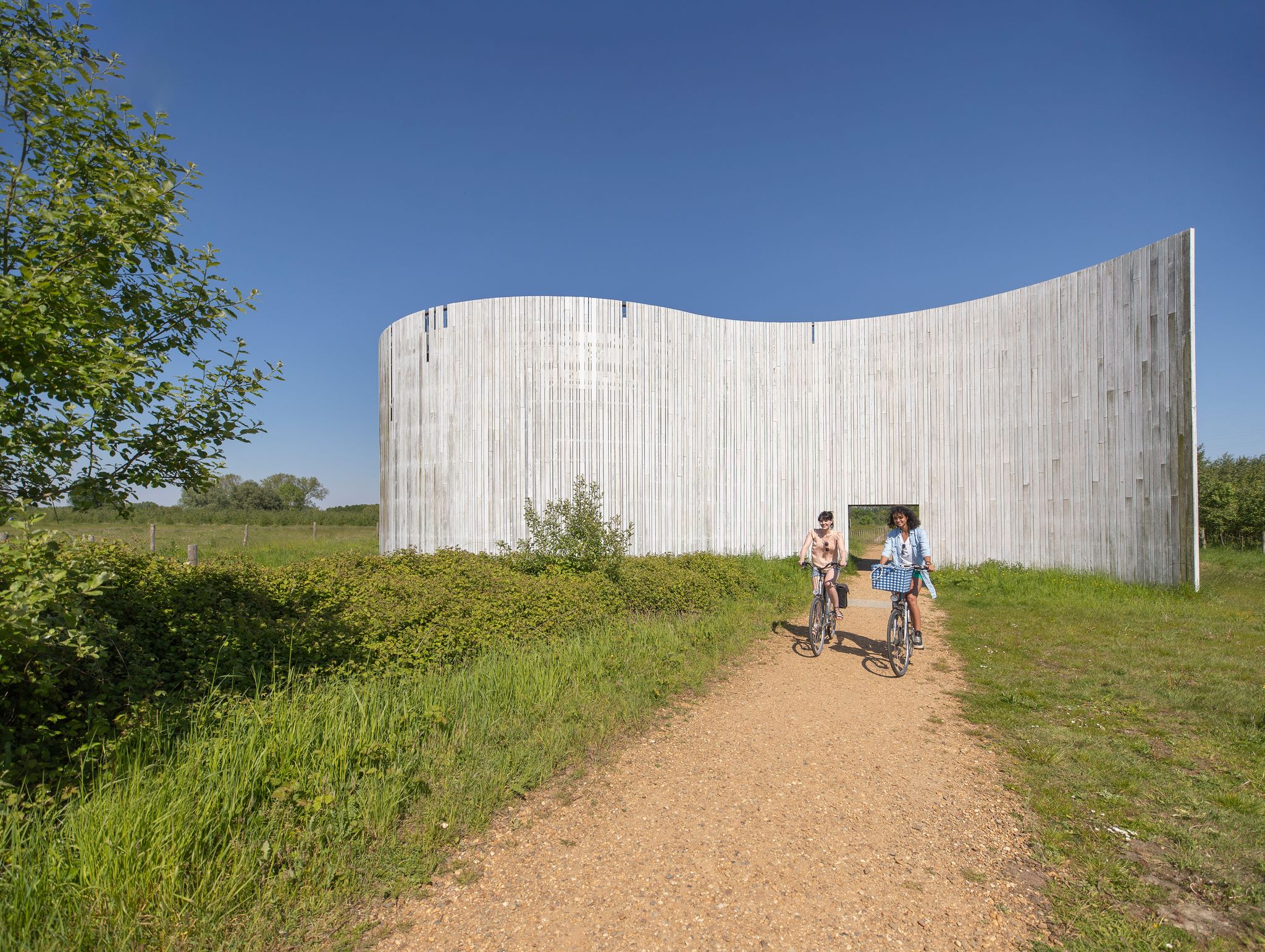
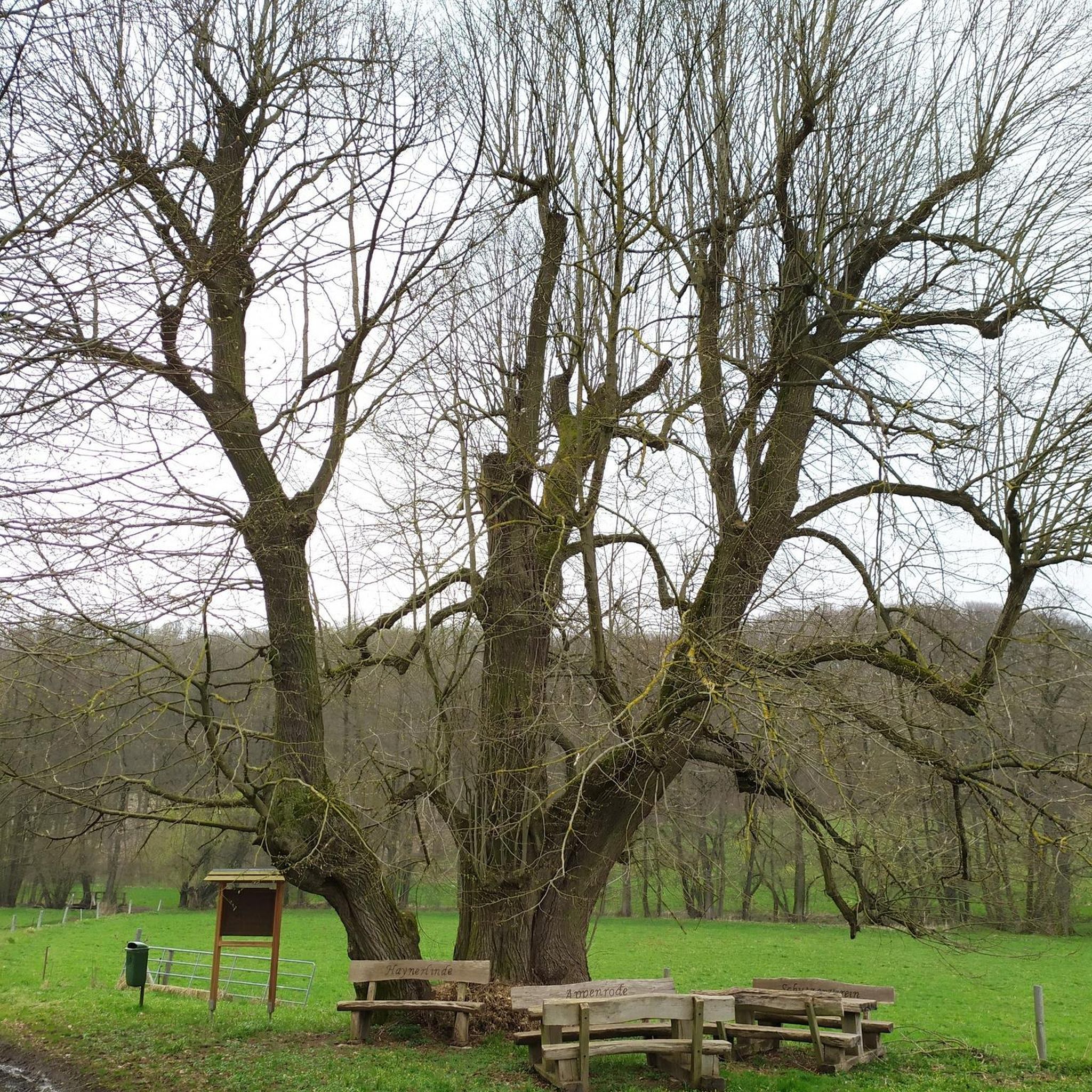

Tips from the Community


Ideal for speeding up (if the wind is favorable)
0
0
Ideal for speeding up (if the wind is favorable)
0
0

Single track descending towards Gelrode.
0
0

The 2-meter-high wooden statue of Father Damien was placed on the west side of the Damien Bridge on August 22, 2013, and was donated by Lizette Cresens from Haacht. The statue was made by an artist from Wolfsdonk. Source: https://www.tremelo.be/product/2172/15-standbeeld-damiaan-damiaanbrug The bicycle and pedestrian bridge itself was put into use in 2012 and is located near the Damien Museum in Ninde (at the end of the road). The two Dijle dikes that are connected by it are called the Pater Damiaandijk (on the Ninde side) and the Schipstrekkersdijk (the Haacht side). Near the bridge, the Grote Laak flows into the Dijle. That's a river that splits off from the Demer near Aarschot and is also known as the Laak and formerly the Meetshovense Laak.
6
0

Nice quiet place for cycling.
0
0
Frequently Asked Questions
How many traffic-free gravel bike trails can I find around Rotselaar?
Rotselaar offers a wide selection of traffic-free gravel biking opportunities. You can explore over 190 routes that are suitable for gravel biking, ensuring a diverse range of options for your next adventure.
What kind of terrain can I expect on the no-traffic gravel trails in Rotselaar?
The no-traffic gravel trails in Rotselaar offer a varied and engaging experience. You'll encounter the rolling hills of Hageland, providing both challenging ascents and exhilarating descents. The routes often wind through lush forests like Dijpe Forest and Eikenbos, and along serene waterways such as the Demer and Dijle rivers, and around Klarenbeek Lake (Plas van Rotselaar). This blend of landscapes ensures a dynamic ride.
What do other gravel bikers say about the no-traffic trails in Rotselaar?
The komoot community highly rates the gravel biking experience in Rotselaar, with an average score of 4.6 stars from over 230 ratings. Riders often praise the region's diverse landscapes, the quiet nature of the trails, and the beautiful scenery found along routes that avoid heavy traffic.
Are there any family-friendly, traffic-free gravel routes in Rotselaar?
While many routes are moderate, some sections of the trails along the Demer and Dijle rivers offer flatter, more accessible terrain that can be suitable for families. For a scenic and relatively gentle ride, consider exploring paths around Rotselaar Lake (Ter Heide), which often have less traffic and provide beautiful views.
Can I bring my dog on the gravel bike trails around Rotselaar?
Many natural areas and trails in Rotselaar are dog-friendly, especially those through forests and along riverbanks. However, it's always best to keep your dog on a leash, especially in nature reserves or areas with wildlife, and to check local regulations for specific trails. Ensure your dog is comfortable with the distance and terrain.
Are there circular no-traffic gravel routes available?
Yes, many of the no-traffic gravel routes in Rotselaar are designed as circular loops, allowing you to start and end at the same point without retracing your steps. An example is the 'Meerdaal Forest and Heverlee Forest – Gravel path through Heverleebos loop from Wezemaal' tour, which offers a substantial circular ride through beautiful woodlands. You can find more circular options by filtering tours on komoot.
Where can I park my car when accessing traffic-free gravel trails in Rotselaar?
Parking is generally available near popular access points to the trails, especially close to natural parks, lakes, or village centers. For instance, if you plan to ride the ’s Hertogenmolens, Aarschot – Beautiful avenue loop from Wezemaal, you can often find parking in or around Wezemaal. Similarly, areas near Rotselaar Lake or the larger forest entrances usually have designated parking facilities.
Is it possible to reach the no-traffic gravel trails in Rotselaar using public transport?
Rotselaar is accessible by public transport, primarily buses, which can connect you to various starting points for gravel trails. While bringing a bike on public transport might have restrictions, you can often find bus stops close to trailheads or village centers, allowing you to start your ride after a short walk or cycle from the stop. Check local bus schedules for specific routes and stops.
What natural features or landmarks can I see along the traffic-free gravel bike trails?
Along the traffic-free gravel trails, you can discover a wealth of natural beauty and historical landmarks. Highlights include the picturesque Horst Castle, a stunning moated castle from the 13th century. You might also pass through the tranquil Mispeldonk Nature Reserve, or cycle alongside Rotselaar Lake (Ter Heide). Some routes also feature unique geological formations like the 'double sunken lane' or 'collapsed hollow ways' such as Kleine Reedelle.
Are there any challenging car-free gravel routes for experienced riders?
Yes, Rotselaar offers challenging car-free gravel routes that cater to experienced riders seeking more demanding terrain. The region's rolling hills, particularly within the Hagelandse Heuvels, provide significant elevation changes. Routes like the Meerdaal Forest and Heverlee Forest – Gravel path through Heverleebos loop from Wezemaal, with over 360 meters of elevation gain, offer a good test of endurance and skill on varied surfaces.
What is the best time of year to ride the no-traffic gravel trails in Rotselaar?
Spring and autumn are generally considered the best seasons for gravel biking in Rotselaar. The weather is typically mild, and the natural landscapes are at their most vibrant, with blooming flowers in spring and colorful foliage in autumn. Summer can also be pleasant, but be mindful of potential heat, especially on longer rides. Winter rides are possible, but trails might be muddy or slippery, requiring appropriate gear.
Are there any cafes or places to stop for refreshments along the no-traffic gravel routes?
Many gravel routes in Rotselaar pass through or near charming villages and towns where you can find cafes, bakeries, or local pubs (cafés) for refreshments. For example, routes that go through Wezemaal or Aarschot will offer opportunities to refuel. It's always a good idea to check your chosen route on komoot for specific points of interest or towns along the way where you can plan a stop.
Most popular attractions around Rotselaar

Get inspired with the komoot mobile app


Explore more
Browse the best Gravel rides in other regions.
