The best traffic-free bike rides around Boortmeerbeek
4.5
(156)
2,440
riders
70
rides
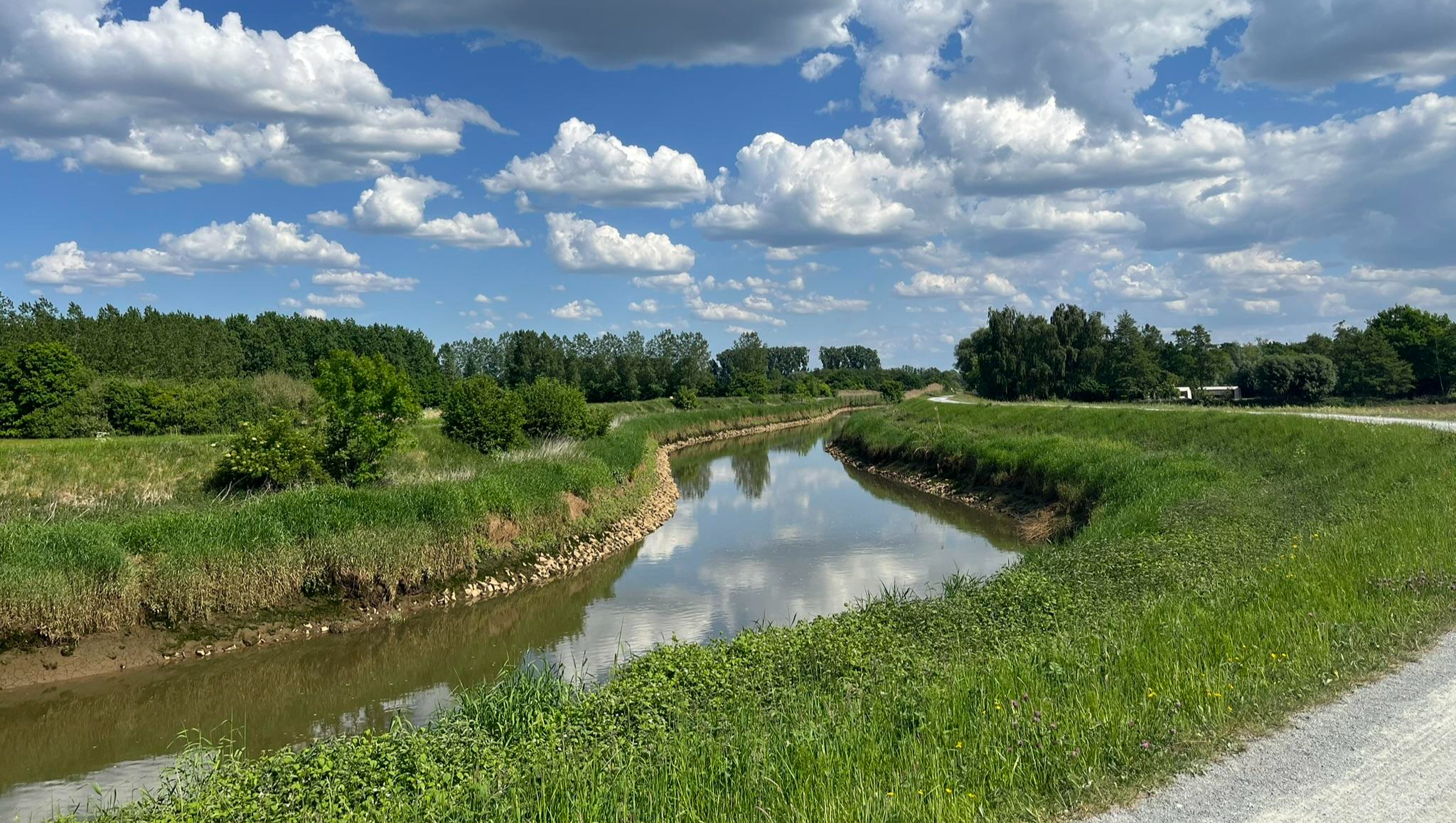
No traffic touring cycling routes around Boortmeerbeek traverse a landscape characterized by diverse natural features, including the significant Dijle flood plain and its associated wet meadows and meandering waterways. The region offers a blend of ecological richness, with areas like the Mispeldonk Nature Reserve providing habitats for various plant and animal species. The terrain generally features low elevation gains, making it suitable for accessible touring cycling. This area is well-equipped with dedicated cycling infrastructure, often utilizing paved roads and car-free…
Last updated: October 4, 2026
4.6
(23)
332
riders
Easy bike ride. Great for any fitness level. Mostly paved surfaces. Suitable for all skill levels.
4.1
(16)
196
riders
61.6km
03:30
100m
100m
Moderate bike ride. Good fitness required. Mostly paved surfaces. Suitable for all skill levels.

4.3
(19)
186
riders
40.5km
02:43
60m
60m
Hard bike ride. Good fitness required. You may need to push your bike for some segments of this route.
4.6
(5)
39
riders
66.6km
04:01
280m
280m
Moderate bike ride. Good fitness required. Mostly paved surfaces. Suitable for all skill levels.
5.0
(1)
117
riders
66.9km
04:42
470m
470m
Hard bike ride. Very good fitness required. Mostly paved surfaces. Suitable for all skill levels.
Get access to more routes and recommendations from other explorers.
Already have an account?
Our route recommendations are based on thousands of hikes, rides, and runs completed by other people on komoot.
Start today with a free account
Your next adventure awaits.




Tips from the Community

Meanwhile, a tunnel has been provided for cyclists...
3
0
The flour mill from the time of then...
2
0
Known as the boarding school of Rotselaar...
4
0
Indeed, a large number of birds have their habitat here...
3
0

Since 1763, Cafe´ Maritime has been the name of the lock house along the Leuven-Dijle canal, already a cafe-restaurant back then. It is the only 18th-century lock house along the canal that has been preserved, along with the one at Zennegat. This protected monument in the classicist style dates from the period of Prince Charles of Lorraine, the Austrian Governor-General of the Netherlands. He dug the first spade for "the canal" on February 9, 1750. This was done with a silver spade, after which about 500 workers completed the 30-kilometer-long canal in 2 years. It was filled with water on December 21, 1752. The considerable water level difference was managed by 3 locks: Kampenhout, Mechelen, and 1 at Zennegat. After a number of dike and lock breaches, the task of the Mechelen lock had to be taken over by building 3 new locks: Boortmeerbeek, Battel, and Tildonk, which were ready in 1763. The lock in Tildonk is of the "buiksas" type, so named after the semicircular indentations in the walls. The walls of the 18th-century lock are still practically entirely authentic everywhere. It is a double lock with 2 consecutive basins of the "buik" type, from which the intermediate gates were removed (for long ships). Operation was previously done using capstans, capstan winches. Along with the lock, the lock keeper's house was also built, intended not only as a dwelling but also as a cafe, restaurant, and hotel. In the beautiful vaulted cellars, the draft horses could rest. Skippers and fishermen could get a drink and a bite there. Local residents came to pick up their stock of mussels, which were transported by horse-drawn barge from Zennegat via Mechelen. After standing "dry" along the water for half a century, this inn was restored and reopened by Brouwerij Palm during the summer of the millennium year 2000. The monumental wooden staircase and a beautiful tiled floor are the first eye-catchers, soon followed by the bow of the late "Balboa" which serves as a bar. The inauguration of this historically classified monument took place on May 29, 2000, by Steve Stevaert, then vice-president of the Flemish government and supervisory minister of NV Zeekanaal.
1
0
Frequently Asked Questions
How many no-traffic touring cycling routes are available around Boortmeerbeek?
There are over 50 dedicated no-traffic touring cycling routes around Boortmeerbeek. These routes cater to various skill levels, with 26 easy, 20 moderate, and 11 difficult options to explore.
What kind of natural landscapes can I expect to see on these routes?
Boortmeerbeek's no-traffic routes traverse diverse natural landscapes. You'll encounter the ecological richness of the Dijle flood plain, wet meadows, and meandering waterways. The region is known for its natural monuments and areas like the Mispeldonk Nature Reserve, which is home to various plant and animal species, including kingfishers along the Boeimeerbeek river.
Are there any family-friendly no-traffic cycling routes in Boortmeerbeek?
Yes, Boortmeerbeek offers several family-friendly options. Many routes utilize dedicated bike paths and car-free sections, ensuring a safe and enjoyable experience for all ages. For an easy and accessible ride, consider the Leuven–Dijle Canal Cycle Path – Leuven–Dijle Canal loop from Boortmeerbeek, which is just over 13 km long.
Can I find circular no-traffic cycling routes in the area?
Absolutely. Many of the no-traffic touring cycling routes around Boortmeerbeek are designed as loops, allowing you to start and end at the same point. An example is the A bird paradise – Cycle path along the Nete loop from Hever, which offers a moderate 51 km circular ride.
What are some interesting landmarks or attractions along the no-traffic routes?
Beyond the natural beauty, you can discover several points of interest. The Leuven–Dijle Canal itself is a prominent feature, often accompanied by dedicated cycling paths like the Cycling Highway Leuven-Mechelen Along the Leuven-Dijle Canal. The historic Mechelen with its impressive St. Rumbold's Cathedral is also accessible via some routes, such as the Mechelen – Zennegat loop from Hever.
Are there any routes that offer opportunities for wildlife spotting?
Yes, the region's rich biodiversity provides excellent opportunities for wildlife spotting, especially in protected areas. The Mispeldonk Nature Reserve, part of the Dijle flood plain, is a vital habitat for rare marsh marigolds, cuckoo flowers, water violets, bluethroats, water rails, and reed warblers. The Boeimeerbeek river is known for kingfishers, and its grasslands attract butterflies and grasshoppers.
What is the best time of year to go touring cycling in Boortmeerbeek?
Boortmeerbeek is enjoyable for touring cycling throughout much of the year. The diverse landscapes and dedicated paths make it suitable for spring, summer, and autumn. Spring and early summer offer lush greenery and blooming flora, while autumn provides beautiful colors. Always check local weather forecasts before heading out.
Are there any challenging no-traffic routes for experienced cyclists?
Yes, for experienced cyclists seeking a challenge, there are 11 difficult no-traffic routes. These can include longer distances, more elevation gain, or sections with loose gravel. An example is the Kampenhout Lock – Boortmeerbeek Lock loop from Boortmeerbeek, a difficult 56 km route with over 300 meters of elevation gain.
What do other touring cyclists enjoy most about the no-traffic routes in Boortmeerbeek?
The no-traffic touring cycling routes around Boortmeerbeek are highly rated by the komoot community, with an average score of 4.3 stars. Reviewers often praise the peaceful, car-free sections, the beautiful natural scenery, and the well-maintained paths that make for a relaxing and immersive cycling experience.
Are there any gravel sections on the no-traffic touring routes?
Yes, some no-traffic touring routes in Boortmeerbeek do feature gravel sections, offering a varied terrain experience. For instance, the Dreef with Loose Gravel – Pikhakendonk Nature Reserve loop from Haacht is a difficult 40 km route that includes gravel paths, suitable for those looking for a more adventurous ride.
Is public transport available to access the starting points of these routes?
Boortmeerbeek benefits from good regional connectivity. While specific public transport details for every trailhead are not provided, the broader Limburg region, which Boortmeerbeek is part of, generally has good public transport links. It's advisable to check local bus or train schedules to plan your access to specific starting points.
Most popular routes around Boortmeerbeek
Most popular attractions around Boortmeerbeek

Get inspired with the komoot mobile app


Explore more
Browse the best Cycling routes in other regions.
