The best hikes from bus stations around South Somerset
4.3
(729)
4,284
hikers
134
hikes
Bus station hiking trails around South Somerset traverse a landscape characterized by wide clay vales, rolling lowlands, and limestone outcrops. The region features significant river systems, wetlands, and ancient woodlands, offering diverse terrain for hikers. Notable natural features include areas around Iron Age hillforts, country parks with waterfalls, and nature reserves centered on reservoirs. This varied topography provides a range of walking experiences, from gentle riverside paths to trails with modest elevation changes.
Best bus station hiking trails in South…
Last updated: July 14, 2026
5.0
(3)
31
hikers
7.49km
01:54
20m
20m
Easy hike. Great for any fitness level. Easily-accessible paths. Suitable for all skill levels.
5.0
(2)
27
hikers
Moderate hike. Good fitness required. Easily-accessible paths. Suitable for all skill levels.

Sign up for free
4.5
(2)
24
hikers
14.2km
03:39
70m
70m
Moderate hike. Good fitness required. Easily-accessible paths. Suitable for all skill levels.
4.7
(3)
28
hikers
10.2km
02:45
120m
120m
Moderate hike. Good fitness required. Easily-accessible paths. Suitable for all skill levels.
5.0
(5)
14
hikers
5.20km
01:22
40m
40m
Easy hike. Great for any fitness level. Easily-accessible paths. Suitable for all skill levels.
Get access to more routes and recommendations from other explorers.
Sign up for free
Already have an account?
Our route recommendations are based on thousands of hikes, rides, and runs completed by other people on komoot.
Start today with a free account
Your next adventure awaits.
Login or Signup
Popular around South Somerset

Hikes from bus stations around Chard Reservoir
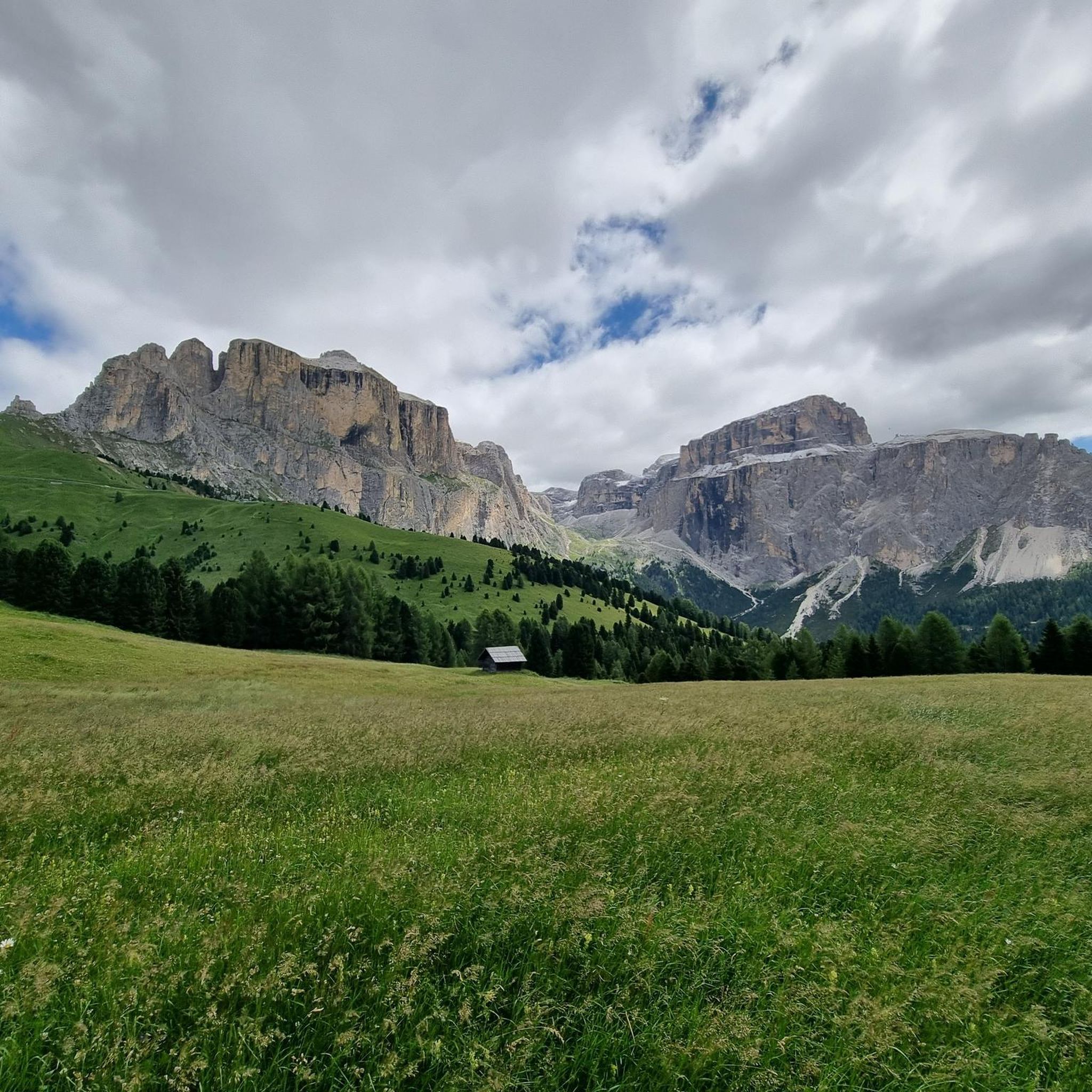
Hikes from bus stations in Hardington Moor National Nature Reserve

Hikes from bus stations around Yeovil
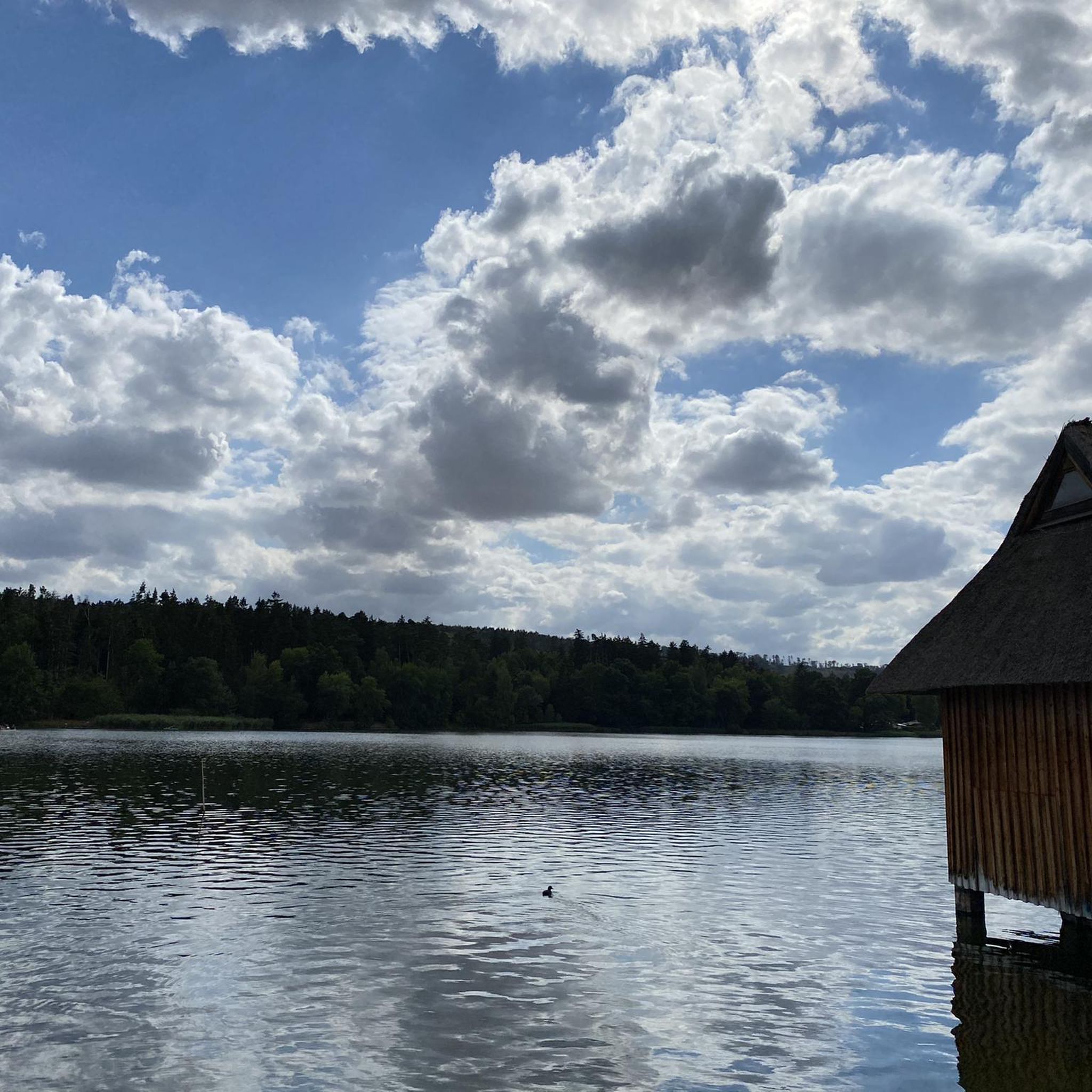
Hikes from bus stations around Yeovil Without
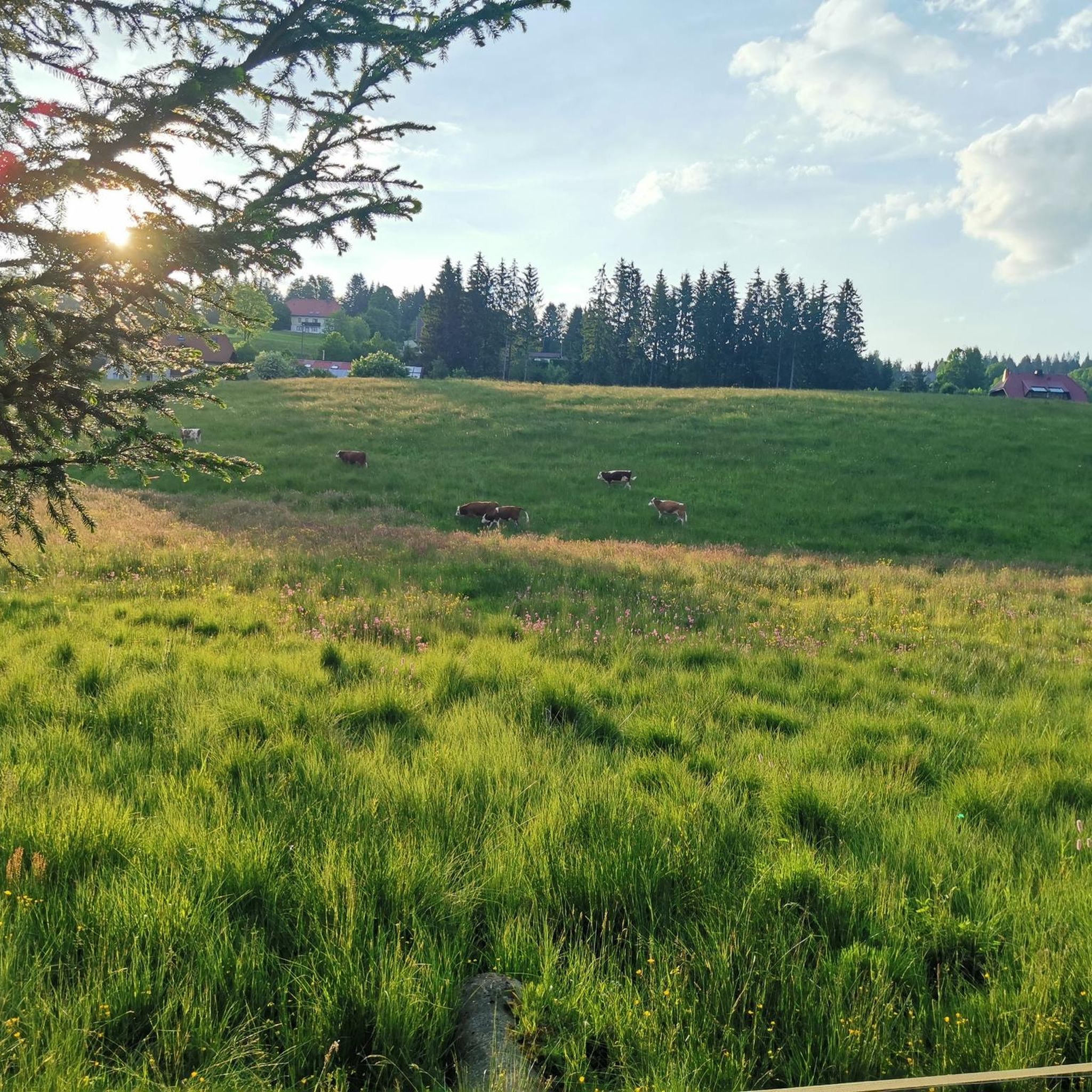
Hikes from bus stations in Barrington Hill National Nature Reserve
Hikes from bus stations around Brympton
Hikes from bus stations around Ilminster
Hikes from bus stations around Somerton
Hikes from bus stations around Montacute

Hikes from bus stations around Compton Dundon
Other adventures around South Somerset


Tips from the Community

Grade 2 listed building .. built around 1828 From the early nineteenth century Yeovil developed into one of the country's main centres for leather production and glove making. Documentary sources indicate that by 1840 approximately 75% of the town's population were employed in the leather or gloving industries. Also, as these industries grew, so the population of the town grew - fourfold between 1801 and 1851 (2,774 to 8,739). It remained Yeovil's principal industry throughout the nineteenth century and continued to thrive until the mid-twentieth century. Many leather and gloving factories sprang up in the town but there is little today to remind us of these former industries. Around 1828 (not 1850 as frequently recorded) William Bide Snr, a prominent leather and glove manufacturer, built the large leather dressing factory with a four-storey leather-dressing warehouse on the corner of Kiddles Lane (now Eastland Road) and Reckleford. William died in 1830 and the factory was left to his son, William Bide Jnr, and described in his will as a "newly-built glove factory, a yard and an old loft adjoining and around with a wall and parting door." William Jnr employed over 250 men and women, with more than 2,000 outworkers. These outworkers were usually women and girls who undertook sewing in their own homes, collecting and returning their bundles each week. In the outlying villages delivery of leather and collection of gloves was carried out weekly by Bide’s own transport. William Jnr erected stone-built cottages for his employees in Reckleford, on land adjoining the factory, at the same time providing pumps for the water supply. These cottages were only demolished for the widening of Reckleford in the 1960’s. The Eastland Road Dressing Yard and Tannery, one of the town's last links with its industrial past, was originally four storeys, the lower three storeys built in stone while the top storey, now removed, was in timber as seen in some of the photographs below. The main building was built in random coursed local stone, with some brick piers with timber infill at high level under slated roofs (now removed). The original and main block, along Eastland Road, was of four storeys with a double pitch gable end valley roof It had six arched windows at the lowest level, with windows with semi-circular arched heads at first and second floor levels as well as central doors to both levels, with a hoist and roller tackle projecting bar. The building was sold in 1883, at which time it was occupied by Whitby Brothers, and the sale description in the Western Gazette described the property as follows "A Leather Dressing Yard, with the Outbuildings and other Premises belonging thereto, situate in Kiddle's Lane, comprising a substantial stone-built and slate-covered building, 137 feet long by 44 feet wide, and four stories high, the ground floor containing 24 pits, and the upper floors forming spacious lofts 133 feet long by 40 feet wide; and also a stone-built and slated building (adjoining the above premises) three stories high, and 122 feet long by 21 feet 6 inches wide, containing alum houses, drying stoves, and large and well ventilated drying lofts. The above premises are well supplied with water from a well and from a rivulet (Milford Brook) running through the yard." Internally brick piers ran up through the full height of the building. The floors were broad elm boards except at attic level, where small boards alternated with spaces between the joists. This wooden upper storey was used for drying the wool from the skins, and these gaps, coupled with louvres in the timber infill of the outer walls, assisted the process. The machinery was originally steam-powered but later driven by electricity and included combing tanks and dressing drums. A second, later, building runs parallel to the main block at the rear of the site, and was joined to it by a twentieth century single storey link block constructed of concrete blocks with corrugated asbestos sheet roof, now demolished. Bide's account books for 1851 indicate that he held a considerable stock of 33,000 skins and finished pairs of gloves, amounting to a total value of £15,000. After William Bide's death in 1864 the Eastland Road Dressing Yard and Tannery was sold to glove manufacturer William Raymond of Goldcroft and was, later still, owned and operated by the leather dressing and glove manufacturing business of the Goldcroft Leather Co Ltd. Latterly it was occupied by the Perrin Leather Co Ltd. Today it is, sadly, derelict. Source : https://www.yeovilhistory.info/bide-leatherworks.htm
0
0

The weir has a bench, spaces to park vehicles and situated next to many trail paths.
1
0
Donyatt Halt Records for Donyatt Halt state: "This halt, opened on May 5th, 1928, has a single platform edged with wooden sleepers, and a small wooden shelter. A pathway leads up from the platform to the road, which crosses the line by an overbridge at the Ilminster end of the platform. An ornate oil lamp stands at the top of the path and there are various posts with brackets for hanging oil lamps in winter." It would be the guard's duty to light and extinguish these lamps. Five trains a day operated in each direction taking about 45 minutes for the 15 - mile journey from Taunton to Chard, having made stops at Thornfalcon, Hatch, Ilton, Ilminster and Donyatt. Donyatt.com
0
0

The Anglican Church was built in the 13th century. It is a grade || listed building
1
0
Situated in Golden Stones car park directly down from Coopers Mill
1
0
Frequently Asked Questions
How many bus station hiking trails are available in South Somerset?
There are over 130 hiking trails in South Somerset that are accessible from bus stations. These routes offer a wide range of experiences, from easy strolls to more challenging treks, allowing you to explore the region's diverse landscapes using public transport.
Are there easy, beginner-friendly bus accessible hikes in South Somerset?
Yes, South Somerset offers many easy, beginner-friendly hikes accessible by bus. Around half of the routes in this guide are rated as easy. An example is the Pil Bridge – Grassy Path Near the Bridge loop from Ilchester, which offers a gentle walk through the countryside.
What kind of terrain and natural features can I expect on these bus station hikes?
South Somerset's landscape is diverse, featuring rolling lowlands, wide clay vales, and limestone outcrops. You can expect to encounter river valleys, such as those along the River Parrett, ancient woodlands, and species-rich grasslands. Some routes may also offer views towards the nearby Blackdown Hills or Mendip Hills AONBs.
Are there any circular routes starting from bus stations?
Yes, many of the bus station accessible routes in South Somerset are circular, allowing you to return to your starting point without needing additional transport. The West Lydford Wild Swim Spot loop from Keinton Mandeville is a good example of an easy circular route.
Can I find hikes that pass by interesting landmarks or points of interest?
Absolutely. Many routes will take you past notable attractions. For instance, you might find trails near historic sites like Castle Neroche Iron Age Hill Fort or beautiful estates such as Forde Abbey and Gardens. The region also features natural highlights like Sutton Bingham Reservoir.
Are there any bus accessible hikes that are suitable for families?
Yes, South Somerset has several family-friendly bus accessible hikes. Many of the easier, shorter routes are ideal for families. Look for trails that pass through country parks or nature reserves, which often have well-maintained paths and amenities. The Summerhouse Hill – Ninesprings Café loop from Yeovil is a moderate option that includes a café stop, which can be great for families.
What do other hikers enjoy most about hiking in South Somerset?
The area is highly rated by the komoot community, with an average score of 4.3 stars from over 660 ratings. Reviewers often praise the peaceful rural settings, the variety of landscapes from wetlands to rolling hills, and the accessibility of trails from public transport hubs.
Are there any bus accessible routes that include nature reserves or wildlife spotting opportunities?
Yes, South Somerset is rich in nature reserves. The Donyatt Halt – Chard Reservoir Nature Reserve loop from Ilminster is a great option, taking you to Chard Reservoir Nature Reserve, known for bird watching and walking paths through meadows and woodlands. Other reserves like Shapwick Heath and Ham Wall (part of the Avalon Marshes) are also significant for wildlife, though some trails may have dog restrictions due to sensitive habitats.
What is the best time of year to go hiking from bus stations in South Somerset?
Spring and autumn are particularly pleasant for hiking in South Somerset. In spring, the wildflowers are in bloom, and the weather is generally mild. Autumn offers beautiful foliage and comfortable temperatures. Summer can be lovely, but trails might be busier. Winter walks are also possible, especially on lower-lying routes, but be prepared for potentially muddy conditions.
Where can I find more information about public transport schedules in South Somerset?
For detailed and up-to-date information on bus routes and schedules in South Somerset, it's best to consult the official local transport authority website. You can find general information about walks and trails, which often includes transport links, on the Somerset Council website.
Most popular routes around South Somerset
Most popular attractions around South Somerset

Get inspired with the komoot mobile app


Didn’t find what you were looking for?
Check out more Hikes throughout South Somerset below and find the perfect route in your destination.
Explore more
Browse the best Hikes in other regions.
