Attractions and Places To See around Powidzki Park Krajobrazowy - Top 20
Best attractions and places to see around Powidzki Park Krajobrazowy, a protected area in west-central Poland, is characterized by its diverse post-glacial landscape and rich biodiversity. The park features over a dozen deep ribbon lakes, including Lake Powidzkie, known for its high water clarity. Abundant forests, primarily pine, along with valuable oak woods, contribute to the natural appeal. The region also holds historical significance, with sites marking the former Prussian-Russian border and archaeological reconstructions.
Best attractions and places to see…
Last updated: October 4, 2026
Former Prussian-Russian Border Crossing at Anastazewo
Highlight • Historical Site
After Napoleon's fall, the border between Prussia and Russia was finally moved and …
Translated by Google •
Tip by

Wooden Church
Highlight • Religious Site
🪵 History and Construction
- The church was founded in 1749 by the village owner, Sebastian …
Translated by Google •
Tip by

Sign up now to discover places like this
Get recommendations on the best single tracks, peaks, & plenty of other exciting outdoor places.
Moran Hotel, Spa & Marina
Highlight • Rest Area
Showing Translation
Tip by

Archaeological Open-Air Museum in Kownaty-Mrówki
Highlight • Historical Site
Translated by Google •
Tip by

Evangelical-Augsburg Cemetery in Kochowo
Highlight • Historical Site
The cemetery is marked out on …
Translated by Google •
Tip by
Sign up for free to discover even more attractions around Powidzki Park Krajobrazowy.
Already have an account?
Start today with a free account
Your next adventure awaits.
Popular around Powidzki Park Krajobrazowy

Tips from the Community

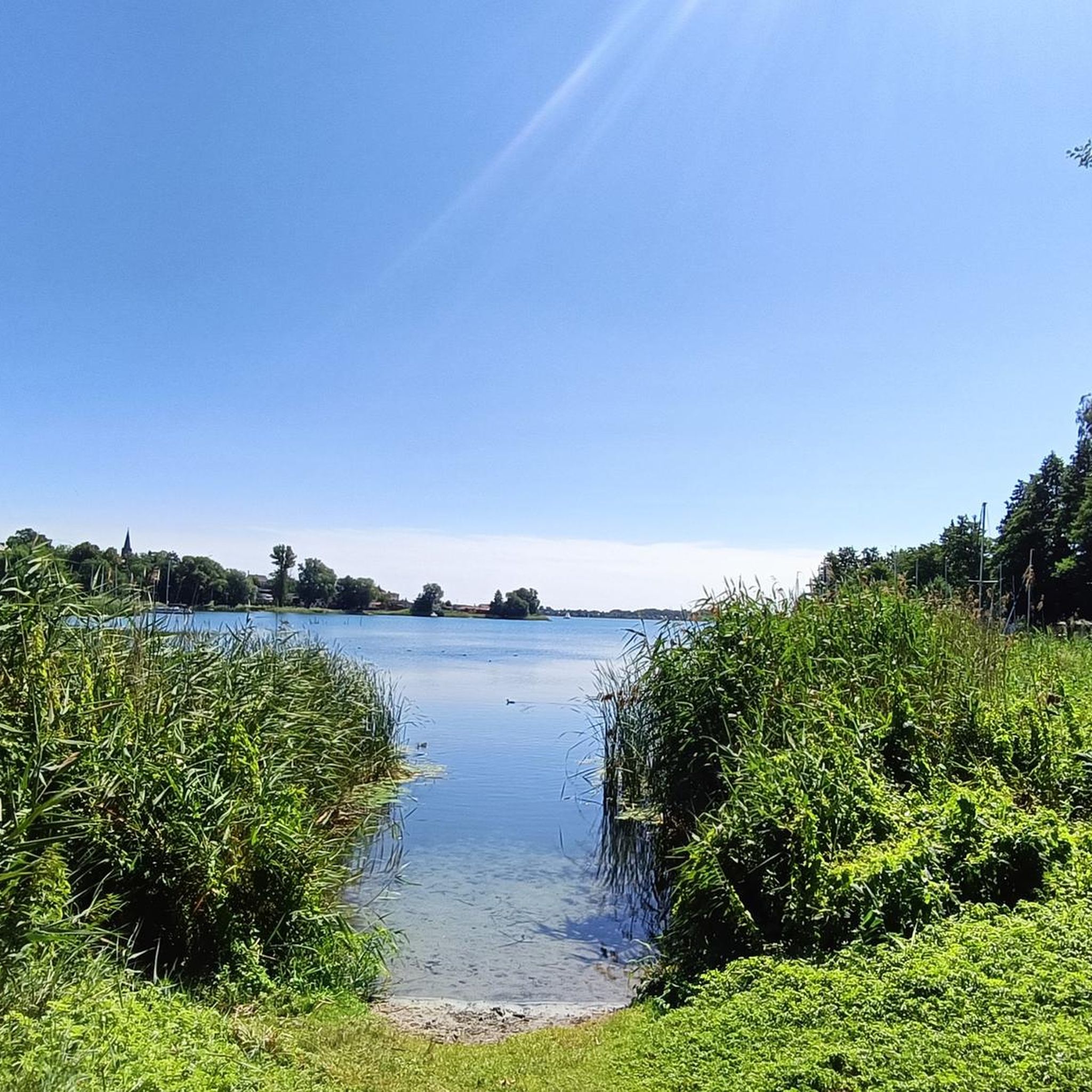
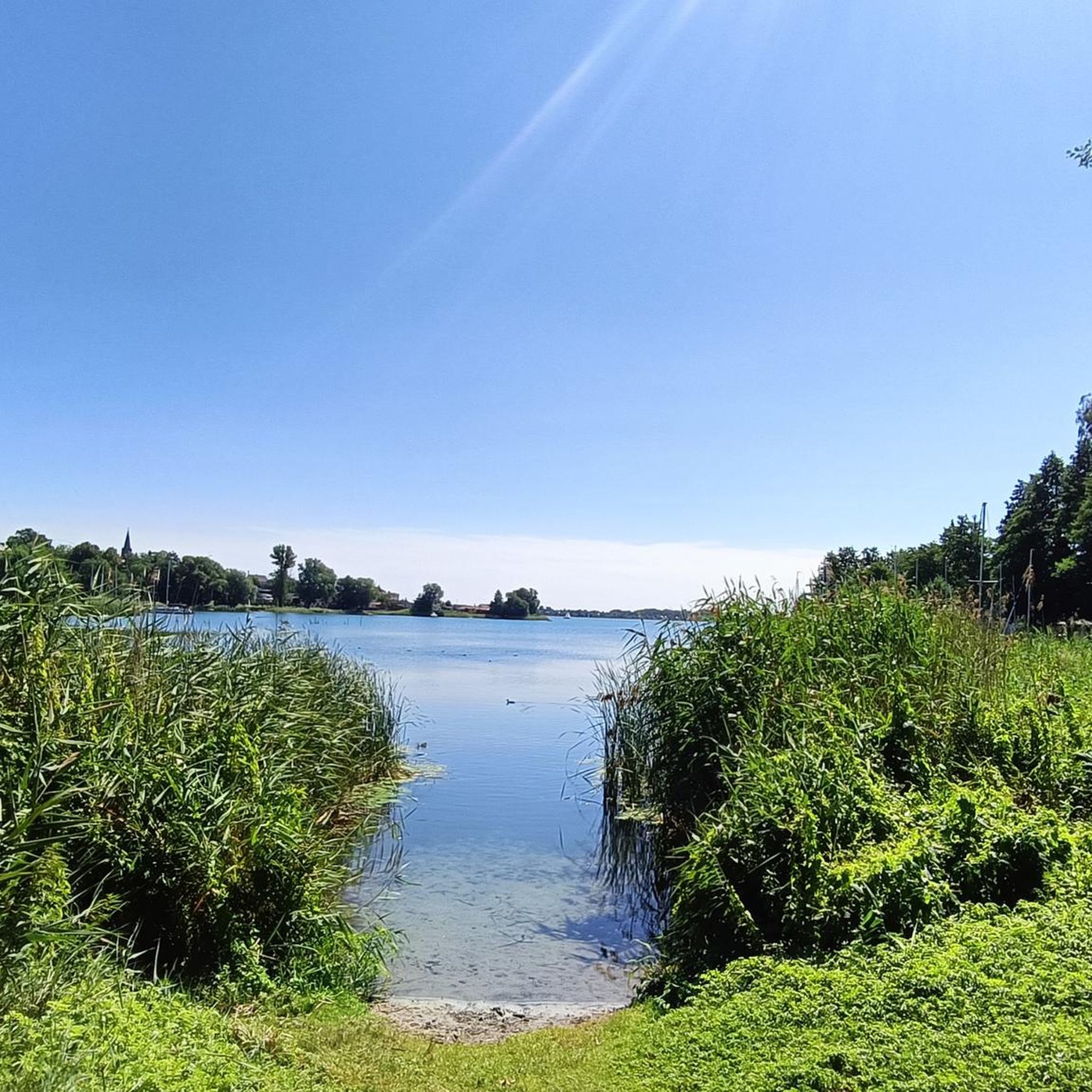
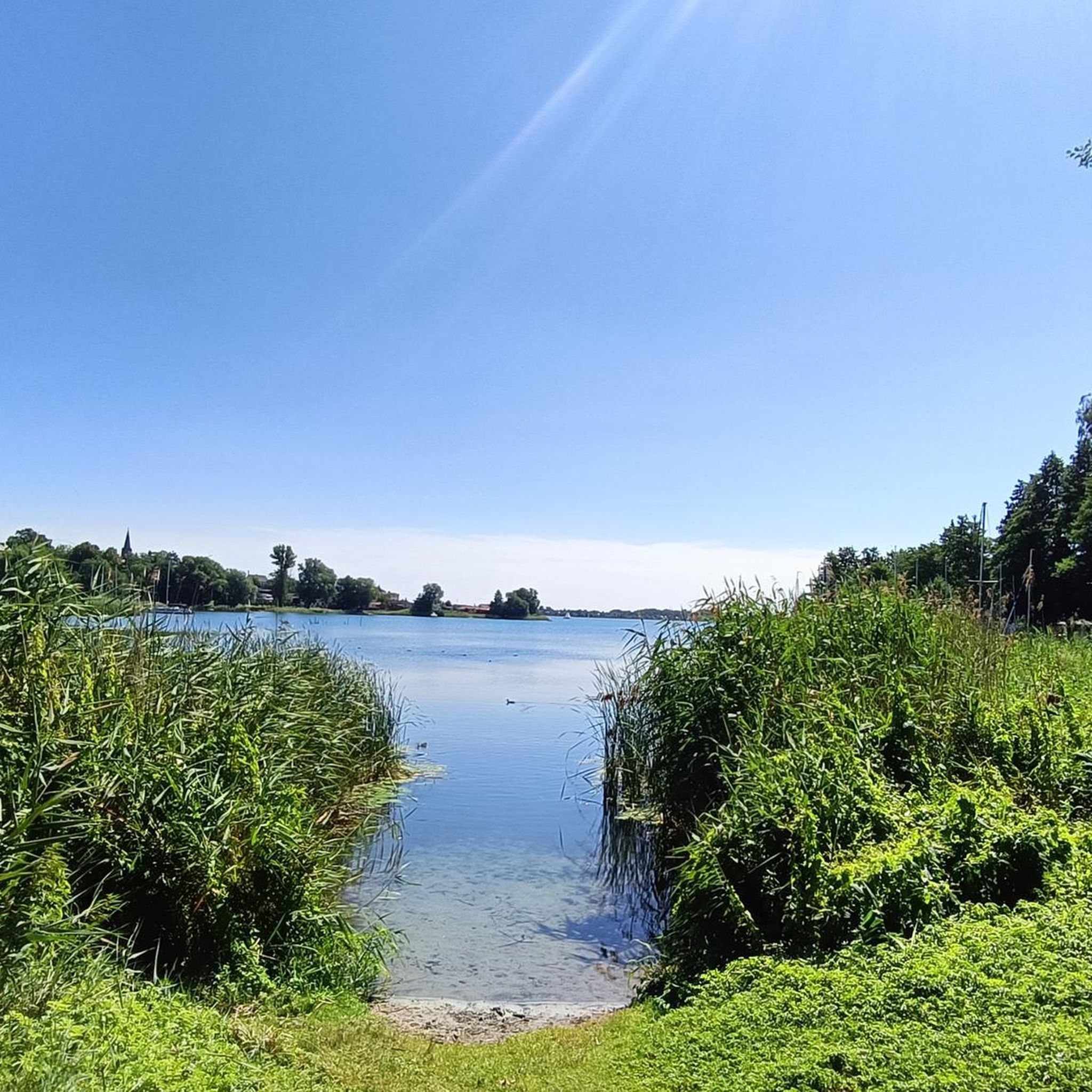
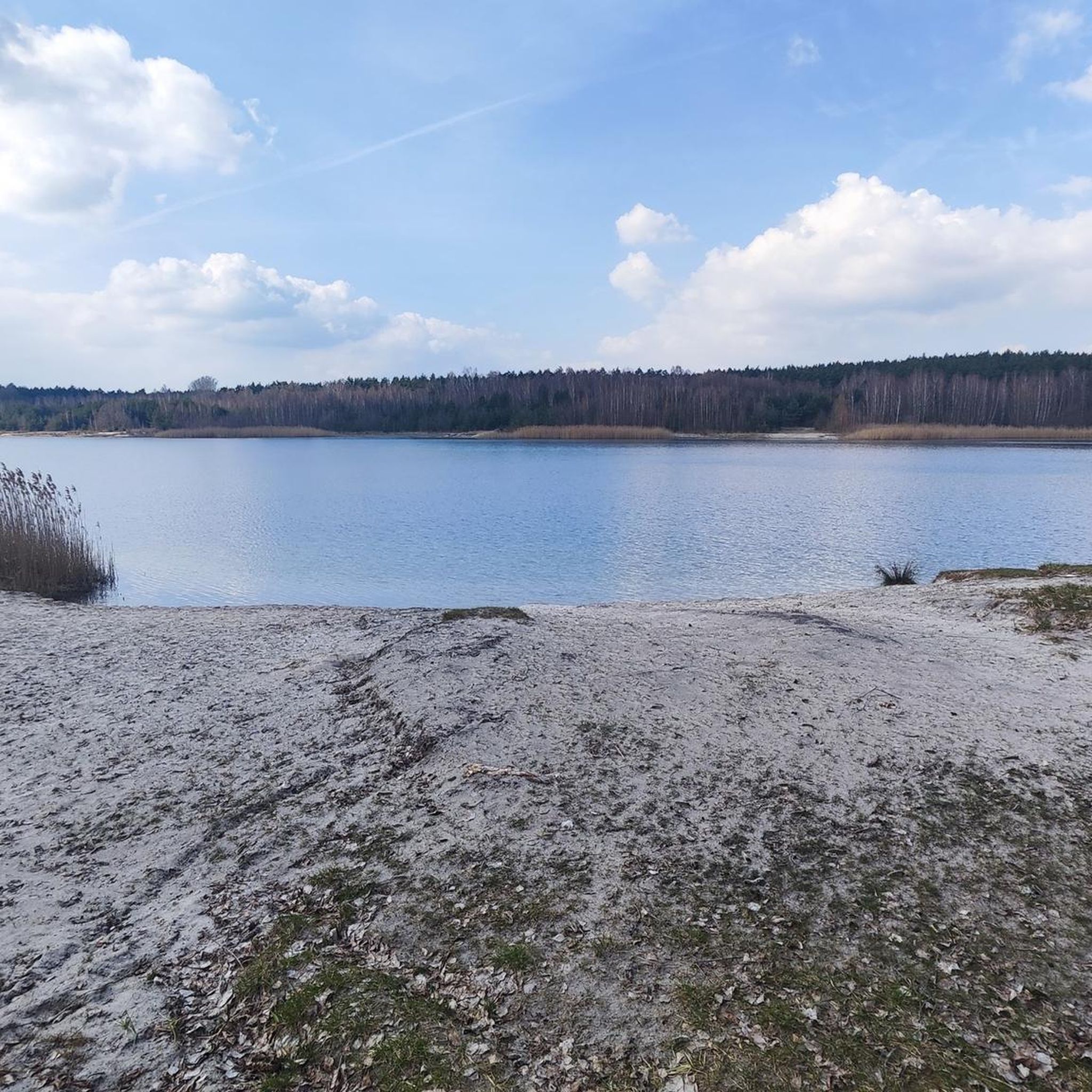
The hotel is indeed run by the Moran Cycling Club and their official "Coffee for Cyclist" initiative: you arrive by bike, and a QR code leads you to their Strava community. They even have their own gravel routes shared directly in Komoot. Moran Cycling Club – the official page of Moran Hotel & SPA https://hotelmoran.pl/moran-cycling-club?utm_source=chatgpt.com. Interestingly, it was precisely this point that I had previously consciously removed from my trip plan – it seemed unappealing to me, as what could be interesting for a cyclist in visiting a hotel complex? As it turned out – one can be very wrong sometimes. A cyclist entering the hotel grounds can spend two hours for free on the beautiful, sandy beach, and if you have the Strava app installed – receive a free coffee. A small, but truly friendly gesture towards cyclists. And perhaps it is precisely such surprises that are the best part of trips. A chance encounter on the route with a person who showed me this place and led me there, gave this excursion a completely different dimension. A place that I had crossed off my plan myself, ultimately became one of the most pleasant surprises on the route. Directions: From Ostrów, about 2.3 km of forest road leads to the Moran Hotel. Access by bike is hassle-free – it's worth heading directly to the Moran Hotel, even though the facility is located slightly off the main route. Don't be discouraged by the forest access – at the end, a beautiful location directly on Lake Powidzkie and the beach awaits.
1
0

St. Martin's Church in Linówiec – a wooden branch church dedicated to St. Martin. 🪵 History and Construction - The church was founded in 1749 by the village owner, Sebastian Cząstkowski. - Built using log construction on a stone foundation, it is timbered and oriented – in keeping with tradition, the chancel faces east. - The church has a hall-like layout, without a separate chancel, and is enclosed on three sides. - The mansard roof, covered with sheet metal, is topped by an octagonal bell tower with an onion-shaped dome and a lantern. 🎨 Interior and Furnishings - The interior is covered with a flat ceiling with a coving, and the choir loft, supported by two columns, houses the organ case. - The main altar comes from the Reformed Friars Minor monastery in Pakość – Baroque, from the first quarter of the 18th century, with sculptures of adoring angels and a painting of the Marriage of the Blessed Virgin Mary to Joseph – a rare motif in church iconography. - At the top of the altar is an oval painting of St. Martin. - The side altar and pulpit represent the Baroque-folk style, from the turn of the 18th and 19th centuries. - Remnants of polychrome paintings have survived, as well as a granite stoup and a processional cross with the date "1756."
0
0

The archaeological open-air museum in Mrówki is a unique place on the map of Wielkopolska, which takes visitors back to the early Middle Ages. There are reconstructions of old strongholds, cottages and defensive fortifications, allowing you to see how the inhabitants of these areas lived centuries ago. The open-air museum is part of an archaeological reserve, and the area around it is rich in traces of an old settlement. It is an ideal place for a historical bike trip, especially for lovers of old cultures and educational attractions. It is worth taking comfortable shoes, because the walk around the open-air museum includes uneven, forest paths.
1
0

Historic place.
0
0

Founded in the first half of the 19th century in the village of Kochowo, mainly for the needs of the villagers of German origin. The cemetery is marked out on a rectangular plan with an area of 0.12 ha and is located among fields, on the southern side of the road running through the village, 600 meters from the intersection with the Słupca - Giewartów district road. The oldest tombstone in the cemetery is a monument erected at the burial site of Emma Stiller in 1870, but there are many unidentified graves there that have not survived to this day. In the early 1990s, many graves were liquidated as a result of exhumations and transfer of the ashes of the deceased by the descendants of the people buried there. (Wikipedia)
0
0

looks nice unfortunately it was closed because they open from 10
0
0
After the Second Partition of Poland, the surrounding areas were incorporated into Prussia, but not for long. After Napoleon's fall, the border between Prussia and Russia was finally moved and ran between the lakes: Kownackie, Suszewskie, Budzisławskie and Powidzkie. The areas east of the border fell under the rule of Tsarist Russia, and the western area was incorporated into the Kingdom of Prussia. The shifting of the border resulted in restrictions on free movement between the partitions. To cross the border, you had to obtain a special pass, the so-called ticket. A very important border point was Anastazewo. The Prussian-Russian border was located here, and for this reason a border crossing with a customs office was established here. In connection with the functioning of the border crossing between the partitions, it was necessary to organize a customs post. The Prussian one was located in a tall building built of red brick in a characteristic Prussian style, and it was located right by the road. Another interesting building is of course the Russian watchtower, which is a few dozen meters away in the tiny village of Salamonowo. It was the road between these two watchtowers that marked the borders between the partitions. /pojezierze24.pl/
2
0

There is a restaurant and a beach bar on site. Expensive but nice.
0
0
Frequently Asked Questions
What natural features can I explore in Powidzki Park Krajobrazowy?
The park is renowned for its diverse post-glacial landscape, featuring over a dozen deep ribbon lakes. Lake Powidzkie is the largest and known for its exceptional water clarity, making it popular for diving. Other notable lakes include Lake Niedzięgiel (Skorzęcińskie Lake). The park also boasts abundant forests, primarily pine, with valuable tracts of thermophilous oak woods near Skorzęcin.
What historical and cultural sites are worth visiting in the park?
You can explore the Former Prussian-Russian Border Crossing at Anastazewo, which marks the historical border between Prussia and Russia. Another significant site is the Archaeological Open-Air Museum in Kownaty-Mrówki, offering reconstructions of early medieval strongholds and cottages. Additionally, there's a Historic Windmill with a Museum in Budzisław Kościelny and the Skansen nad potokiem in Słowikowo, both showcasing rural life and agricultural history.
Are there family-friendly attractions in Powidzki Park Krajobrazowy?
Yes, the park offers several family-friendly options. The Archaeological Open-Air Museum in Kownaty-Mrówki is an educational and engaging experience for all ages. During summer, a ride on the Gniezno Narrow Gauge Railway is a popular attraction. The Skorzęcin Pier on Lake Niedzięgiel is also a lively spot with various activities.
What water sports can I enjoy on the lakes in the park?
The lakes, especially Lake Powidzkie, are excellent for various water sports. You can enjoy sailing, windsurfing, kayaking, and stand-up paddling. Lake Powidzkie's high water clarity also makes it a popular destination for diving enthusiasts.
Are there any unique natural monuments to see?
Absolutely! The Napoleon Oak is an impressive natural monument, an English oak believed to be 250-300 years old. According to legend, Napoleon Bonaparte rested under this majestic tree.
What cycling opportunities are available in Powidzki Park Krajobrazowy?
The park offers extensive cycling opportunities with over 200 kilometers of designated paths, complete with information boards and resting areas. For specific routes, you can explore options like the 'Przybrodzin Beach loop from Budzisław Kościelny' or the 'Piłka Lake – Skorzęcin Pier loop from Piłka'. Find more routes in the MTB Trails around Powidzki Park Krajobrazowy guide.
Are there hiking trails suitable for different skill levels?
Yes, Powidzki Park Krajobrazowy provides a variety of hiking trails. You can find easy walks like the 'Skorzęcin Beach - Piłka - Skorzęcin Beach Trail' or more moderate options such as the 'Wilczogóra - Strzelno Trail'. Several educational walking trails, like 'Przygoda z przyrodą' and 'Mrówki', also showcase the park's flora, fauna, and history. Discover more in the Hiking around Powidzki Park Krajobrazowy guide.
What do visitors particularly enjoy about the Skorzęcin Pier?
Visitors appreciate the Skorzęcin Pier as a central point for activities on Lake Niedzięgiel. It's known for daily fun with live music during peak season, a beach, and various water equipment rentals. Many recommend visiting outside the main holiday season for a more relaxed experience.
What kind of wildlife can I expect to see in the park?
The park is dedicated to protecting its rich biodiversity. It's home to 196 bird species, 34 mammal species (including otters and beavers), 12 amphibian species, and 5 reptile species. The lakes are also a haven for 22 species of fish. Over 990 plant species have been identified, with 50 under legal protection, such as the insectivorous bladderwort and various orchids.
Are there options for horseback riding in the park?
Yes, horseback riding can be enjoyed at the stud farm located in Mieczownica, offering a unique way to experience the park's natural beauty.
What are the best times of year to visit Powidzki Park Krajobrazowy?
The park's diverse landscape and water activities make it appealing throughout the warmer months, typically from spring to early autumn. Summer is ideal for water sports and enjoying the lively atmosphere around places like Skorzęcin. Spring and autumn offer pleasant temperatures for hiking and cycling, with beautiful natural scenery.
Are there any unique local experiences or quests available?
For those interested in history, the 'Do Powidza po rozum' quest allows visitors to discover the past of Powidz, particularly its role during the partitions, the Greater Poland Uprising, and its development as a health resort.
Most popular routes around Powidzki Park Krajobrazowy
Most popular attractions around Powidzki Park Krajobrazowy

Get inspired with the komoot mobile app


Explore more
Still not found the Highlight you’re looking for? See guides of the top attractions in other regions:
