The best traffic-free bike rides around Culla
5.0
(7)
927
riders
3
rides
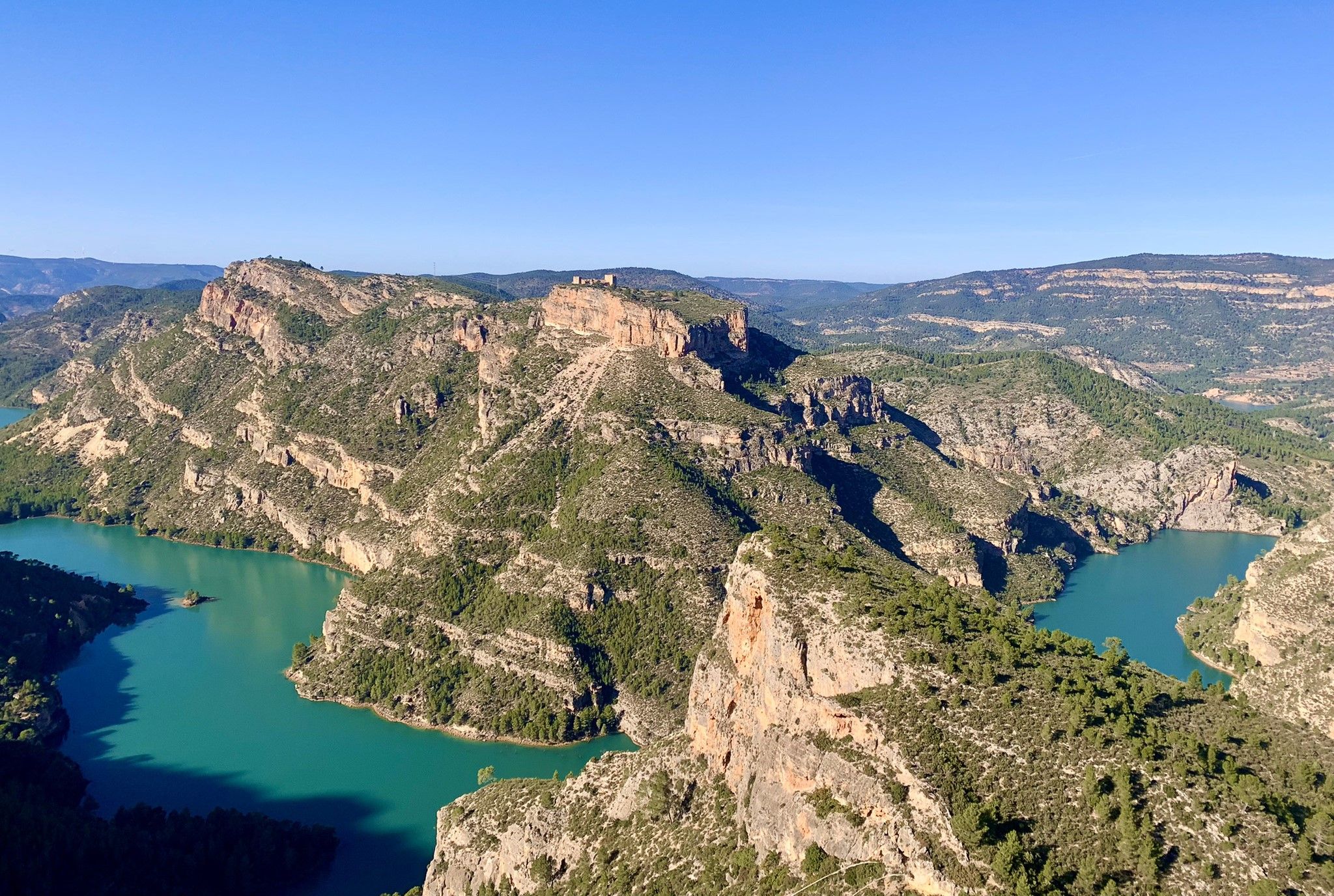
No traffic road cycling routes around Culla traverse a landscape characterized by valleys, ravines, and mountains, offering varied terrain for cyclists. The region features significant elevation changes and mostly well-paved surfaces, making it suitable for different fitness levels. Culla's setting in the Alt Maestrat region provides a blend of natural beauty and historical elements along its routes.
Best no traffic road cycling routes around Culla
- The most popular no traffic road cycling route is Ermita de Santa Bárbara – Albocàsser…
Last updated: May 4, 2026
14
riders
55.4km
02:33
520m
520m
Moderate road ride. Good fitness required. Mostly well-paved surfaces and easy to ride.
14
riders
40.5km
02:01
640m
630m
Moderate road ride. Good fitness required. Mostly well-paved surfaces and easy to ride.

Sign up for free
10
riders
24.7km
01:12
360m
360m
Moderate road ride. Good fitness required. Mostly well-paved surfaces and easy to ride.
3
riders
20.7km
00:56
160m
160m
Easy road ride. Great for any fitness level. Mostly well-paved surfaces and easy to ride.
3
riders
41.2km
01:50
370m
370m
Moderate road ride. Good fitness required. Mostly well-paved surfaces and easy to ride.
Our route recommendations are based on thousands of hikes, rides, and runs completed by other people on komoot.
Start today with a free account
Your next adventure awaits.
Login or Signup

Other adventures around Culla

Tips from the Community

This is a monument in memory of the local painter Ouig Roda, from the town of Tirig. It is a public park and rest area.
0
0

I've seen it dry for many years. This year it has a lot of water. Let's see if it continues.
0
0
Albocàsser, in the Alt Maestrat region, is a very old town, founded in no less than 1239 and in its upper part contains the most interesting points for a visit to its urban area. There you can find in the main square the Parish Church of the Assumption, built in a severe Baroque style on the original Gothic temple and which preserves an altarpiece and interesting examples of goldsmithing inside. Another architectural treasure that has survived the passage of time is the hermitage of Santos Juanes, from the end of the 13th century, a simple and rustic temple with a lot of charm that you should not miss the opportunity to visit if you are sightseeing in Albocàsser. A little further away is the hermitage and inn of Sant Pau, built between the 16th and 17th centuries and with a beautiful façade with a bell tower. Neighbors come to it in pilgrimage and celebrate traditional dances. Continuing with the list of things to do in Albocàsser, we cannot fail to remind you that its municipal area is part of the Valltorta-Gasulla Cultural Park, which protects shelters with cave paintings. In addition to these interesting relics of the past, you can go hiking in places such as the Barranco de les Calçades, the Mas de les Llomes, the Font del Bosq, els Tolls, Las Devesas and the Barranc de la Selda and a good number of routes further. Finally, you can buy high-quality local olive oil or taste their sweets made with almonds. And don't leave without trying their grilled meats, the typical pot or their heavenly coca!
0
0
Monument dedicated to the native painter of the town Puig Roda, located at the exit of the Cuevas de Vinromá/Albocasser farm.
0
0
At this roundabout we can take the road towards Cuevas de Vinromà and Valltorta Museum or the one that goes towards Albocasser.
0
0
Tírig, located in the Valltorta valley, is surrounded by a unique area where important cultural and ecological values are concentrated. You will discover shelters where you can admire cave paintings declared a World Heritage Site by UNESCO and a Museum dedicated to prehistoric art. Participate in the events organized in Tírig throughout the year: the Prehistoric Exhibition, the festivities of San Jaime, the pilgrimage of Santa Bárbara and Holy Week with the festival of fifths or the Coetà.
0
0
Well where farm animals and livestock were previously watered.
0
0
Monument with a cross at the exit of Cabanes in its northern part.
0
0
Frequently Asked Questions
How many no-traffic road cycling routes are available around Culla?
There are several dedicated no-traffic road cycling routes around Culla. This guide features 3 routes, with a total of 5 routes available on komoot that are specifically designed for a quiet road cycling experience, ranging from easy to moderate difficulty.
What kind of terrain and elevation can I expect on Culla's no-traffic road cycling routes?
Culla's no-traffic road cycling routes offer diverse and engaging terrain. You can expect significant elevation changes, with routes featuring climbs ranging from around 150 meters to over 600 meters. The landscape includes valleys, ravines, and mountains, providing both challenging ascents and scenic descents on mostly well-paved surfaces. For example, the Quiet Country Road – Historic Center of Benassal loop includes over 600 meters of elevation gain.
Are there any easy no-traffic road cycling routes suitable for beginners or families in Culla?
Yes, Culla offers easy no-traffic road cycling options. The Arch of Cabanes – Roman Arch of Cabanes loop is an easy route, covering just over 20 km with minimal elevation gain, making it a great choice for beginners or families looking for a relaxed ride away from traffic.
What natural landmarks or historical sites can I see along these quiet cycling routes?
The routes often pass by or are close to significant natural and historical attractions. You can explore the medieval atmosphere of Culla Historic Village, with its narrow streets and castle ruins. Natural highlights include the majestic Carrasca de Culla, a centuries-old oak tree, and various natural water sources like Font del Mas de Calaf. Some routes might also bring you near the El Rivet Municipal Nature Park.
What is the best time of year to enjoy no-traffic road cycling in Culla?
The region's climate makes spring and autumn ideal for road cycling in Culla. The weather is generally milder, offering comfortable temperatures for longer rides and enjoying the scenic landscapes without the intense heat of summer. Winter can also be an option, but check local weather conditions for cooler temperatures and potential for rain.
Are there any circular no-traffic road cycling routes in the Culla area?
Yes, many of the no-traffic road cycling routes in Culla are designed as loops, allowing you to start and end at the same point. Examples include the Ermita de Santa Bárbara – Albocàsser to Tírig Road loop and the Cabanes Pass – Arch of Cabanes loop, providing convenient round trips.
Is Culla well-equipped for cyclists with amenities like cafes or restaurants?
Culla and its surrounding villages are welcoming to visitors. While specific cyclist-focused cafes might be limited, you'll find local restaurants and cafes in the historic centers of towns like Culla and Benassal where you can refuel and rest. It's always a good idea to carry sufficient water and snacks, especially on longer routes, as services might be sparse between villages.
What are the parking options for cyclists looking to explore Culla's quiet roads?
Parking is generally available in the villages that serve as starting points for these routes, such as Culla itself or nearby Vilafranca. Look for public parking areas within the towns. It's advisable to arrive early, especially during peak seasons, to secure a convenient spot.
What do other cyclists say about the no-traffic road cycling experience in Culla?
The komoot community highly rates the cycling experience in Culla, with an average score of 5.0 stars. Cyclists often praise the quiet, well-maintained roads, the stunning natural landscapes, and the sense of tranquility offered by these no-traffic routes. The challenging climbs and rewarding views are frequently highlighted as key attractions.
Are there any specific historical attractions worth visiting near these routes?
Absolutely. Beyond the Culla Historic Village and its castle ruins, the region is rich in history. You can find beautiful hermitages, a restored old mill now serving as the Interpretation Centre 'El Molí de l'Orde,' and the medieval 'Torre Matella.' The Atzeneta del Maestrat Castle is another notable historical site in the wider area.
How long do the no-traffic road cycling routes typically take to complete?
The duration varies significantly based on the route's length and your cycling pace. For example, the moderate Castellfort – Villafranca del Cid loop, at about 24.7 km, typically takes around 1 hour and 12 minutes. Longer routes, like the Ermita de Santa Bárbara – Albocàsser to Tírig Road loop (55.3 km), can take over 2 hours and 30 minutes. Always check the estimated duration for each specific route on komoot.
Most popular attractions around Culla

Get inspired with the komoot mobile app


Explore more
Browse the best Road cycling routes in other regions.
