The best traffic-free bike rides around Villarrubia De Los Ojos
10
riders
2
rides
Traffic-Free gravel bike trails around Villarrubia De Los Ojos traverse a diverse landscape where the Llanura Manchega plains meet the foothills of the Montes de Toledo. The region features extensive Vías Pecuarias, ancient cattle trails that now serve as natural routes, alongside paths along the Gigüela River. Gravel bikers can explore routes through steppeland, wetlands, and areas bordering the Tablas de Daimiel National Park, offering varied terrain away from main roads. These routes often utilize separated bike paths, forest tracks,…
Last updated: May 20, 2026
1
riders
Moderate gravel ride. Good fitness required. Mostly paved surfaces. Suitable for all skill levels.
4.0
(1)
3
riders
Moderate gravel ride. Good fitness required. Mostly paved surfaces. Suitable for all skill levels.

Sign up for free
3.0
(1)
3
riders
33.7km
02:27
130m
130m
Moderate gravel ride. Good fitness required. Mostly paved surfaces. Suitable for all skill levels.
1
riders
39.2km
02:37
140m
140m
Moderate gravel ride. Good fitness required. Mostly paved surfaces. Suitable for all skill levels.
1
riders
44.0km
02:53
160m
160m
Moderate gravel ride. Good fitness required. Mostly paved surfaces. Suitable for all skill levels.
Our route recommendations are based on thousands of hikes, rides, and runs completed by other people on komoot.
Start today with a free account
Your next adventure awaits.
Login or Signup

Other adventures around Villarrubia De Los Ojos


Tips from the Community

The intersection of the A-43 and the Camino de Manzanares in Daimiel is located in a rural area southeast of the town, very close to the Azuer River and the surroundings of Motilla del Azuer.
19
0
The area known as Argamasilla (not to be confused with Argamasilla de Calatrava) is located southeast of the town center, near the Camino del Carrerón, the Azuer River, and the Motilla del Azuer. This level crossing crosses the Ciudad Real–Manzanares railway line and connects rural roads running south to north, particularly the Camino del Carrerón. It is used by agricultural vehicles and hikers accessing the Motilla del Azuer or nearby farms.
19
0
The Camino del Carrerón crosses the Ciudad Real–Manzanares railway line. This crossing connects the agricultural areas south of the Azuer River with those north of it, allowing the passage of agricultural vehicles and access to the Motilla del Azuer.
19
0
The intersection of the Camino del Carrerón and the road to Manzanares is located in the municipality of Daimiel, in the province of Ciudad Real, Castilla-La Mancha. This point is located in a rural area southeast of the urban center of Daimiel, very close to the Azuer River and the Motilla del Azuer.
19
0

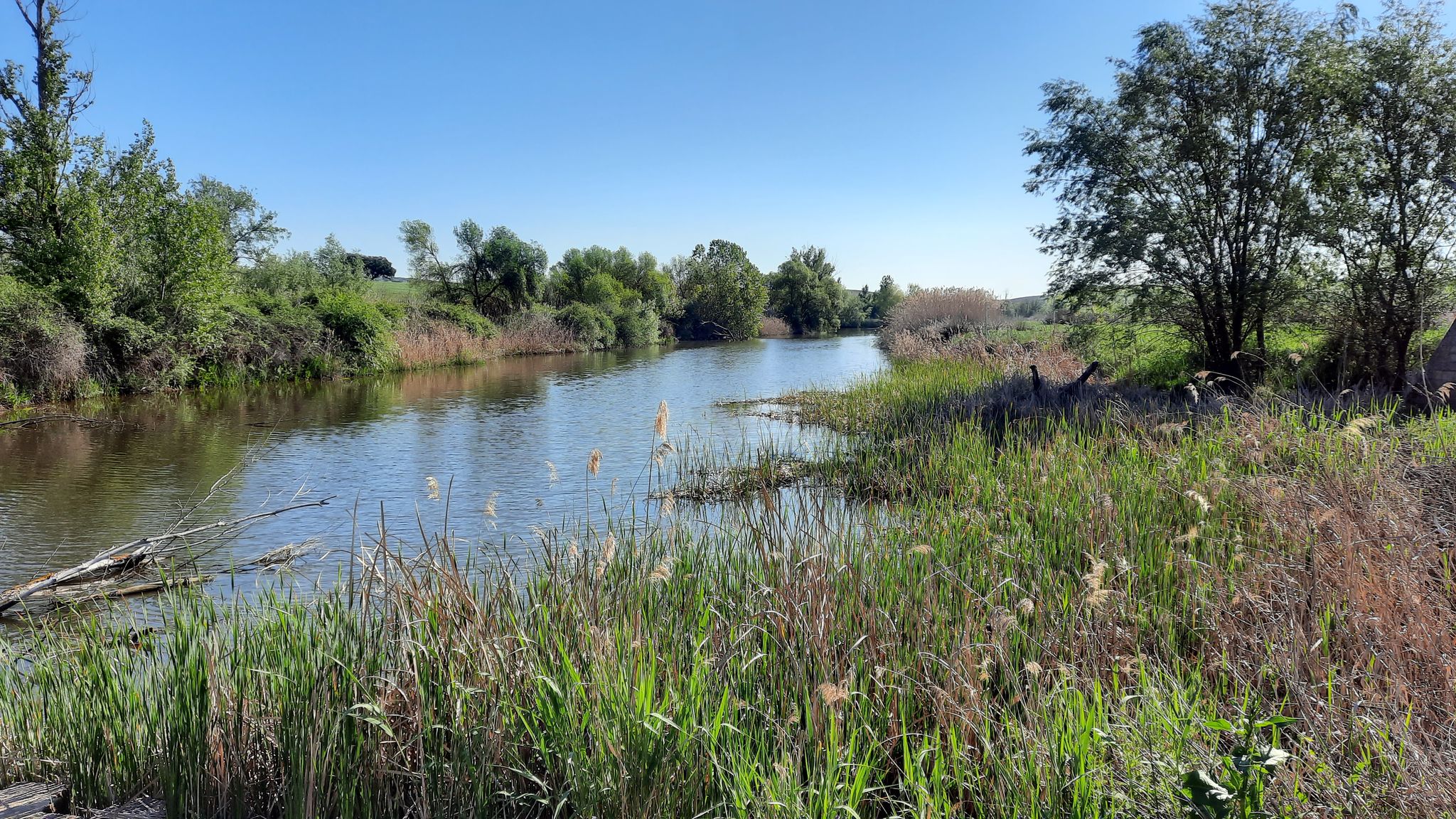
The Cigüela River is curious because of the vegetation that populates it.
1
0
La Venta de Borondo is a historic inn located between Bolaños de Calatrava and Manzanares, in the province of Ciudad Real, Castilla-La Mancha. Built in the 16th century, this inn is known for its typical period architecture, with a rectangular floor plan, two floors, a turret on one corner, and a central courtyard. It is believed that La Venta de Borondo may have inspired Miguel de Cervantes in his work "Don Quixote de la Mancha," as these inns were common during long voyages of the time. Currently, the inn is used as a farmhouse and second home.
12
0
Detour on the Manzanares Road that allows us to cut across to get onto the highway towards Valdepeñas.
20
0
Along the Manzanares road, you can find several nurseries offering a wide variety of plants and gardening services. One of the most notable is Vivero Lomas de Manzanares, located at 800 Mitre Avenue, Manzanares Access, Route 8, Km 60. This nursery specializes in specimen plants and palm trees, and offers landscaping and irrigation services.
20
0
Frequently Asked Questions
How many traffic-free gravel bike trails are available around Villarrubia De Los Ojos?
There are several traffic-free gravel bike trails around Villarrubia De Los Ojos, offering a safe and enjoyable experience away from motor traffic. These routes primarily utilize quiet country roads, ancient Vías Pecuarias (cattle trails), and dedicated paths, perfect for exploring the natural landscape.
What kind of terrain can I expect on these traffic-free gravel routes?
The traffic-free gravel routes in this region offer a varied terrain. You'll find paths traversing the extensive flat plains of La Mancha, as well as routes that venture into the foothills of the Montes de Toledo, providing a mix of gentle gradients and slightly more challenging sections. Many routes follow ancient tracks and paths, ensuring a true gravel experience.
Are these traffic-free routes suitable for families or less experienced riders?
Yes, many of the traffic-free routes are ideal for families and less experienced riders due to their separation from main roads and generally moderate difficulty. The focus on quiet tracks and paths, such as those along the Gigüela River or within the Tablas de Daimiel surrounding areas, provides a safe environment for all skill levels to enjoy the scenery.
What natural landmarks can I see along the traffic-free gravel bike trails?
You can explore several significant natural landmarks. The routes often pass near the unique wetlands of Tablas de Daimiel National Park, offering opportunities for birdwatching. You might also encounter the historic Fuente del Umbrión or the impressive Ancient Olive Tree in Plaza de la Memoria, Daimiel. The region's blend of plains and mountains also offers panoramic views, such as from the 'Balcón de La Mancha'.
Are there any cultural attractions accessible from these routes?
Yes, some routes allow you to discover cultural highlights. For instance, you might find trails that lead towards the iconic Puerto Lápice Windmills, a classic symbol of La Mancha. Other routes may pass by historical religious sites like the Church of San Pedro Apóstol (Daimiel) or the Sanctuary of Our Lady of the Crosses.
What is the best time of year for gravel biking in Villarrubia De Los Ojos?
The best time for gravel biking in Villarrubia De Los Ojos is typically during spring (March to May) and autumn (September to November). During these seasons, the weather is milder, making for more comfortable rides. Summers can be very hot, and winters can be chilly, though sunny days are still possible.
Are there any loop routes available for traffic-free gravel biking?
Yes, all the traffic-free gravel routes featured in this guide are convenient loop routes. This means you can start and finish your ride in the same location, such as the popular Molino de Melocho – Zacatena Cheese Dairy (Daimiel) loop from Villarrubia de los Ojos or the Navaseca Lagoon – Navaseca Lagoon (Daimiel) loop from Daimiel.
Can I bring my dog on these traffic-free gravel trails?
Many of the Vías Pecuarias and natural paths are suitable for cycling with dogs, provided they are well-behaved and kept under control, especially around wildlife or livestock. Always check local regulations for specific areas, particularly within protected zones like the Tablas de Daimiel National Park, where restrictions might apply.
Where can I find parking for these gravel bike trails?
Many of the routes start from towns like Villarrubia de los Ojos or Daimiel, where public parking is generally available. For routes that venture into natural areas, look for designated parking spots near trailheads or points of interest. It's advisable to check the specific route details on Komoot for recommended starting points and parking information.
Are there cafes or places to stop for refreshments along the routes?
While the traffic-free nature of these routes means you'll often be away from urban centers, many trails either start or pass through villages and towns where you can find cafes, restaurants, and shops. For example, routes like the Hermitage of San Isidro (Daimiel) – Venta de Borondo loop from Daimiel or the Cristo de la Luz Hermitage – Church of Peace (Daimiel) loop from Daimiel offer opportunities to refuel in Daimiel or nearby hamlets. Always carry sufficient water and snacks, especially on longer stretches.
What is the typical difficulty level of these traffic-free gravel routes?
The traffic-free gravel routes around Villarrubia De Los Ojos are generally classified as moderate. This means they are suitable for most riders with a basic level of fitness, featuring manageable distances and elevation gains. They are designed to be enjoyable without being overly strenuous, perfect for a relaxed day out on your gravel bike.
Most popular routes around Villarrubia De Los Ojos
Most popular attractions around Villarrubia De Los Ojos

Get inspired with the komoot mobile app


Explore more
Browse the best Gravel rides in other regions.
