The best traffic-free bike rides around Jimera De Líbar
3.0
(1)
16
riders
1
ride
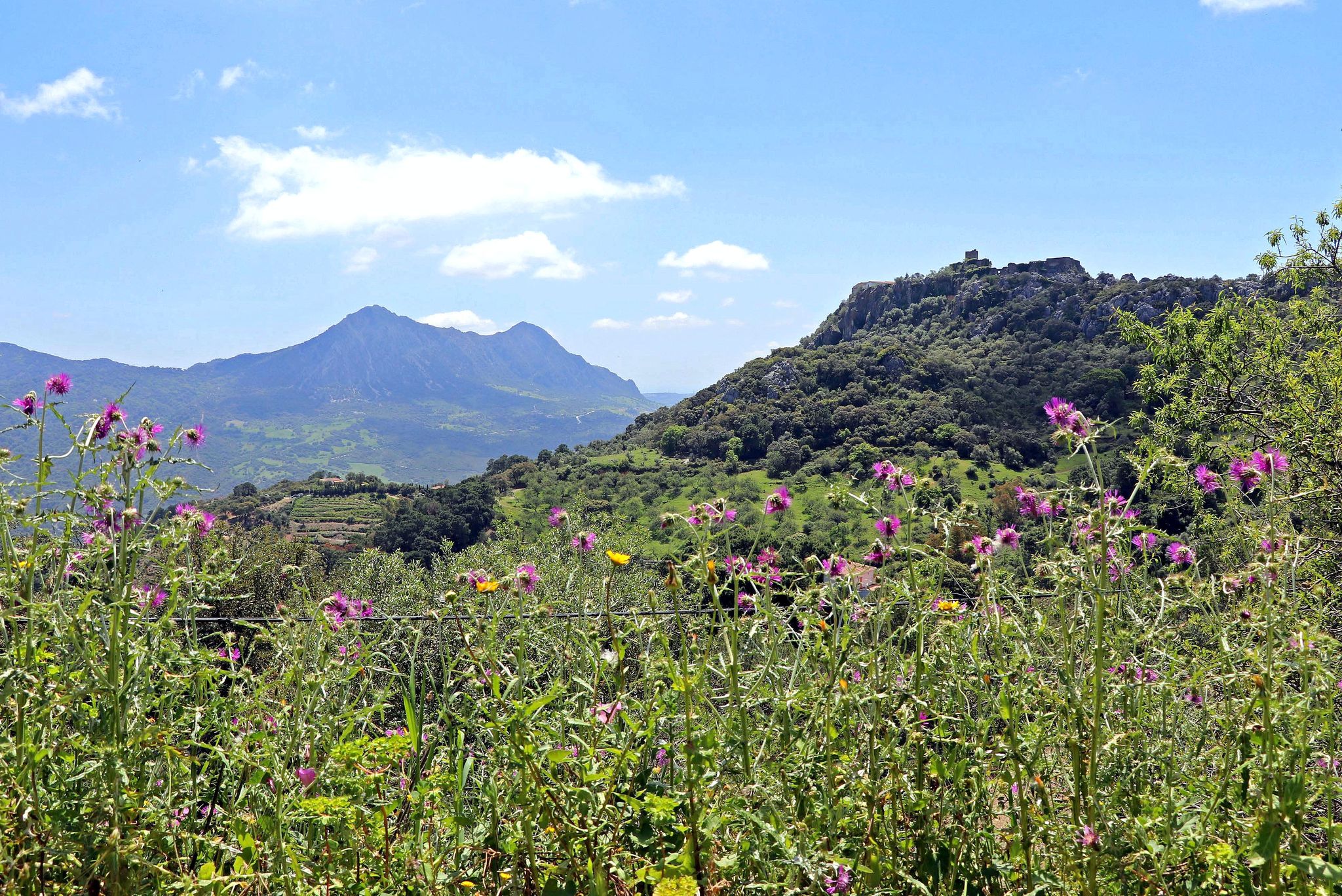
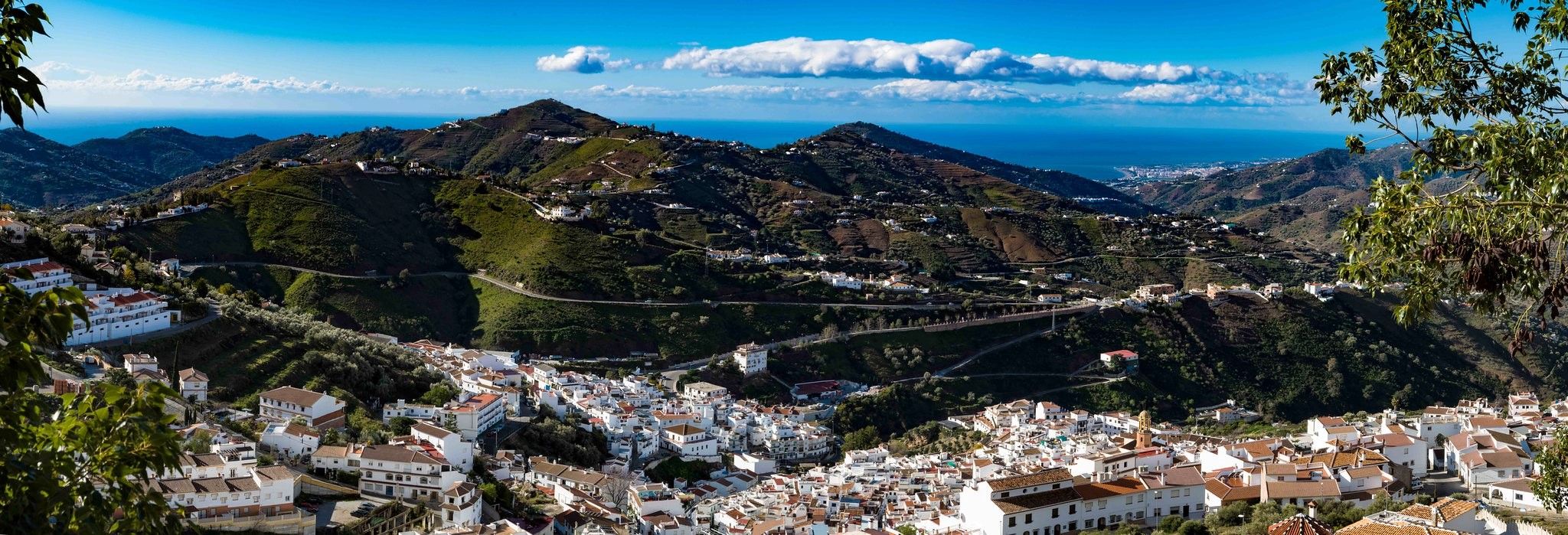
Gravel biking around Jimera De Líbar offers diverse terrain within Andalusia's Serranía de Ronda and the Sierra de Grazalema Natural Park. The region is characterized by dramatic karst limestone landscapes, the scenic Guadiaro Valley, and the Líbar mountain range. Riders can navigate a network of unpaved tracks and secondary roads with minimal traffic, traversing areas shaped by the Guadiaro River. This environment provides varied elevation profiles and natural features suitable for gravel cycling.
Best no traffic gravel bike trails around…
Last updated: May 4, 2026
3.0
(1)
9
riders
54.2km
03:28
500m
500m
Hard gravel ride. Very good fitness required. Mostly paved surfaces. Suitable for all skill levels.
2
riders
20.9km
01:48
610m
610m
Hard gravel ride. Very good fitness required. Mostly paved surfaces. Suitable for all skill levels.

Sign up for free
2
riders
38.0km
02:56
1,080m
1,080m
Hard gravel ride. Very good fitness required. Mostly paved surfaces. Suitable for all skill levels.
Our route recommendations are based on thousands of hikes, rides, and runs completed by other people on komoot.
Start today with a free account
Your next adventure awaits.
Login or Signup


Tips from the Community

A tough climb, but definitely recommended for the views of the gorge. Its name, "cachondeo" (a joke for foreigners), refers to its steep slopes and the spirit with which it's usually taken. You have to put your heart into it 😅💪🏻
0
0

Away from the well-known sights of Andalusia, the Puente de la Ventilla hides a silent testament to past times, which impresses above all with its location and simple architecture. The historic stone bridge spans a narrow, partly steeply cut gorge, through which the Arroyo de la Ventilla winds, and blends harmoniously into the surrounding landscape. Today, the bridge seems out of time and attracts above all tourists who are travelling off the beaten track.
5
0
Ronda literally sits perched on the steep cliffs and seems almost interwoven with the landscape. On the paths below the town, Ronda reveals itself as a spectacularly situated collection of whitewashed buildings perched on a high plateau. The view of Ronda is breathtaking and one of the most impressive scenes in Andalusia.
2
0
The Puente de la Ventilla is a picturesque, historic stone bridge that elegantly spans the deep gorge of the Arroyo de la Ventilla near Arriate in the Andalusian province of Málaga. At approximately 25 meters high, it offers an imposing sight and is one of the region's lesser-known, yet impressive, structures. The bridge once served as a means of local transport between rural farms and the nearby village of Arriate. Its robust natural stone construction continues to withstand the forces of nature, lending it a rustic, authentic charm.
5
0


The Acueducto de la Hidalga y Coca is a historic aqueduct located in the city of Ronda. It was built in 1789 and its purpose was to transport water from the Hidalga and Coca springs to the city of Ronda over a distance of 9.5 kilometres. The aqueduct consists of several steps of higher height as it approaches the city and is made of brick and masonry. The aqueduct spanned the Tajo River and distributed the water to six fountains, of which only the Fuente de los Ocho Caños still remains. Unfortunately, the aqueduct has fallen into disuse and is currently in disrepair, but some parts of the arcades are still visible along the road that connects Ronda to the town of El Burgo.
10
0
The square is a historic place in the old town of Ronda. It is located in the oldest part of the city, which lies outside the old city walls. The square is characterized by traditional Andalusian architecture, with white houses, cobblestones and small shops. It offers a relaxed atmosphere and is less crowded with tourists than the more popular squares in the center of Ronda. The place is a good starting point for exploring the historic old town of Ronda or taking a break in one of the small restaurants.
8
0
The statue of San Francisco stands on top of a fountain surrounded by a beautiful garden, just before the "Puerta de Almocábar", in the lowest part of Ronda. She holds a staff in her hand, reminiscent of the Franciscan Order and the Dominicans. It is a very symbolic image that represents an important part of the history of Ronda in the sixteenth century.
7
0
Frequently Asked Questions
What kind of terrain can I expect on no-traffic gravel bike trails around Jimera de Líbar?
The no-traffic gravel bike trails around Jimera de Líbar offer a diverse mix of terrain. You'll encounter unpaved tracks, quiet secondary roads, and natural trails, often winding through the dramatic karst landscapes of the Sierra de Grazalema Natural Park and along the scenic Guadiaro Valley. Expect varied surfaces, from compact gravel to more rugged sections, providing a true gravel biking experience.
Are there any family-friendly no-traffic gravel routes in the Jimera de Líbar area?
While many routes in the region can be challenging, the Guadiaro Valley offers flatter sections that can be more suitable for families. Look for routes that stick closer to the river, as they tend to have less elevation gain. The area's extensive trail network means you can often find quieter paths away from main roads, perfect for a relaxed family outing. For more general family-friendly outdoor ideas in the Sierra de Grazalema, you can visit Costa del Sol's blog.
What are some scenic viewpoints or natural landmarks I can reach on a no-traffic gravel bike ride?
The region is rich in natural beauty. You can ride to locations offering panoramic views of the Guadiaro Valley, such as the Cross of Ventura. The Sierra de Grazalema Natural Park itself is a UNESCO Biosphere Reserve with stunning karst formations. While not directly on a gravel trail, the dramatic Tajo de Ronda (Ronda Gorge) and the iconic Puente Nuevo (New Bridge) in Ronda are significant attractions nearby that offer breathtaking vistas and are worth exploring after your ride.
Are there any historical sites or 'White Villages' I can explore on a no-traffic gravel bike route?
Absolutely. Jimera de Líbar is one of the picturesque 'White Villages' (Pueblos Blancos) itself, and many gravel routes connect these charming settlements. You might encounter historical points of interest like the remains of a Roman bridge near Molino La Flor. The area's old Roman roads, which once linked ancient sites, now provide excellent gravel biking paths, blending cultural immersion with active exploration.
What is the best season for gravel biking in Jimera de Líbar to avoid traffic and enjoy good weather?
The mild temperatures throughout the year in the Guadiaro Valley make Jimera de Líbar an ideal destination for outdoor excursions. Spring (March-May) and Autumn (September-November) are generally considered the best, offering pleasant temperatures and lush scenery. Winter can also be good due to the mild climate, though some higher elevation trails might be cooler. Summer can be very hot, so early morning or late afternoon rides are recommended if cycling during this season.
Can I find circular no-traffic gravel bike routes around Jimera de Líbar?
Yes, the region offers several excellent circular routes that allow you to start and end in the same location, minimizing logistical concerns. For example, the challenging Gravel loop from Montejaque provides a substantial ride with significant elevation, while the Cat Cave – Almocábar Gate loop from Ronda offers another option for a rewarding circular gravel experience.
Where can I park my car to access no-traffic gravel bike trails in Jimera de Líbar?
Jimera de Líbar, being a smaller village, typically offers street parking or designated small parking areas that provide convenient access to local trailheads. Many routes also start from nearby towns like Ronda or Montejaque, where you can find more established parking facilities. It's always a good idea to check the specific starting point of your chosen route for the most convenient parking options.
Are there any cafes or places to eat along the no-traffic gravel bike routes?
While the 'no-traffic' nature of these routes often means you'll be away from bustling centers, many routes connect the charming 'White Villages' where you can find local cafes and restaurants. Jimera de Líbar itself has options, and if your route passes through or near other villages like Montejaque or Benaoján, you'll likely find places to refuel and enjoy local Andalusian cuisine.
What is the general difficulty level of no-traffic gravel bike trails in this area?
The gravel bike trails around Jimera de Líbar can range from moderate to difficult. The region's mountainous terrain, particularly within the Sierra de Grazalema, means many routes involve significant climbs and descents. For instance, routes like the Acueducto de la Hidalga y Coca – Puente de la Ventilla loop from Ronda feature considerable elevation gain, making them suitable for experienced gravel bikers looking for a challenge.
Can I use public transport to reach the starting points of gravel bike trails with my bike?
Jimera de Líbar has a train station (Jimera de Líbar-Líbar) on the Algeciras-Bobadilla line, which can be a convenient way to access the area. It's advisable to check with the specific train operator (Renfe) regarding their policies for transporting bicycles, as rules can vary. This allows you to reach the heart of the Guadiaro Valley and start your no-traffic gravel adventure directly from the village.
Most popular routes around Jimera De Líbar
Most popular attractions around Jimera De Líbar

Get inspired with the komoot mobile app


Explore more
Browse the best Gravel rides in other regions.
