The best traffic-free bike rides around Caleruela
9
riders
3
rides
Gravel biking around Caleruela, located in the province of Toledo, Spain, offers diverse landscapes suitable for off-road cycling. The region features a varied topography, including plains and mountainous areas such as the Sierra de la Ventosilla with hills like Navarra, Gatos, and Canchera. Extensive holm oak forests, scrubland, and unique granite rock formations provide scenic routes for no traffic cycling routes in rural Spain. River systems and countryside views further enhance the experience for gravel bikers exploring this part of…
Last updated: May 20, 2026
3
riders
41.4km
03:20
400m
400m
Moderate gravel ride. Good fitness required. Mostly paved surfaces. Suitable for all skill levels.
4
riders
Hard gravel ride. Very good fitness required. Mostly paved surfaces. Suitable for all skill levels.

Sign up for free
2
riders
Moderate gravel ride. Good fitness required. Mostly paved surfaces. Suitable for all skill levels.
Our route recommendations are based on thousands of hikes, rides, and runs completed by other people on komoot.
Start today with a free account
Your next adventure awaits.
Login or Signup
Popular around Caleruela
Tips from the Community

The Camino Real de Guadalupe by bike, especially the Oropesa – Alcañizo section: Approximate distance: 24–25 km (depending on the exact route). Terrain: rural tracks and roads, with some paved sections. Difficulty: Moderate, with no major mountain passes on this section. Surroundings: Toledo countryside, cereal fields, and pastures. Oropesa is notable for its castle and Renaissance palace (now a Parador).
4
0
The Count's Palace of Oropesa, located in the province of Toledo, is an architectural gem with a rich history and great heritage value. The Old Palace (or Doña Elvira Palace): in the Mudejar Gothic style, built in the 14th century. The New Palace: in the Renaissance style, built in the 15th century. It stands out for its original coffered ceiling, its balconies with the coat of arms of the Counts of Oropesa, and a large interior courtyard that was even used as a bullring. Together with the adjacent castle, it forms a complex declared a Historic-Artistic Monument in 1923. In 1931, it was incorporated into the National Parador Network, becoming the first Parador built on a historic building.
4
0

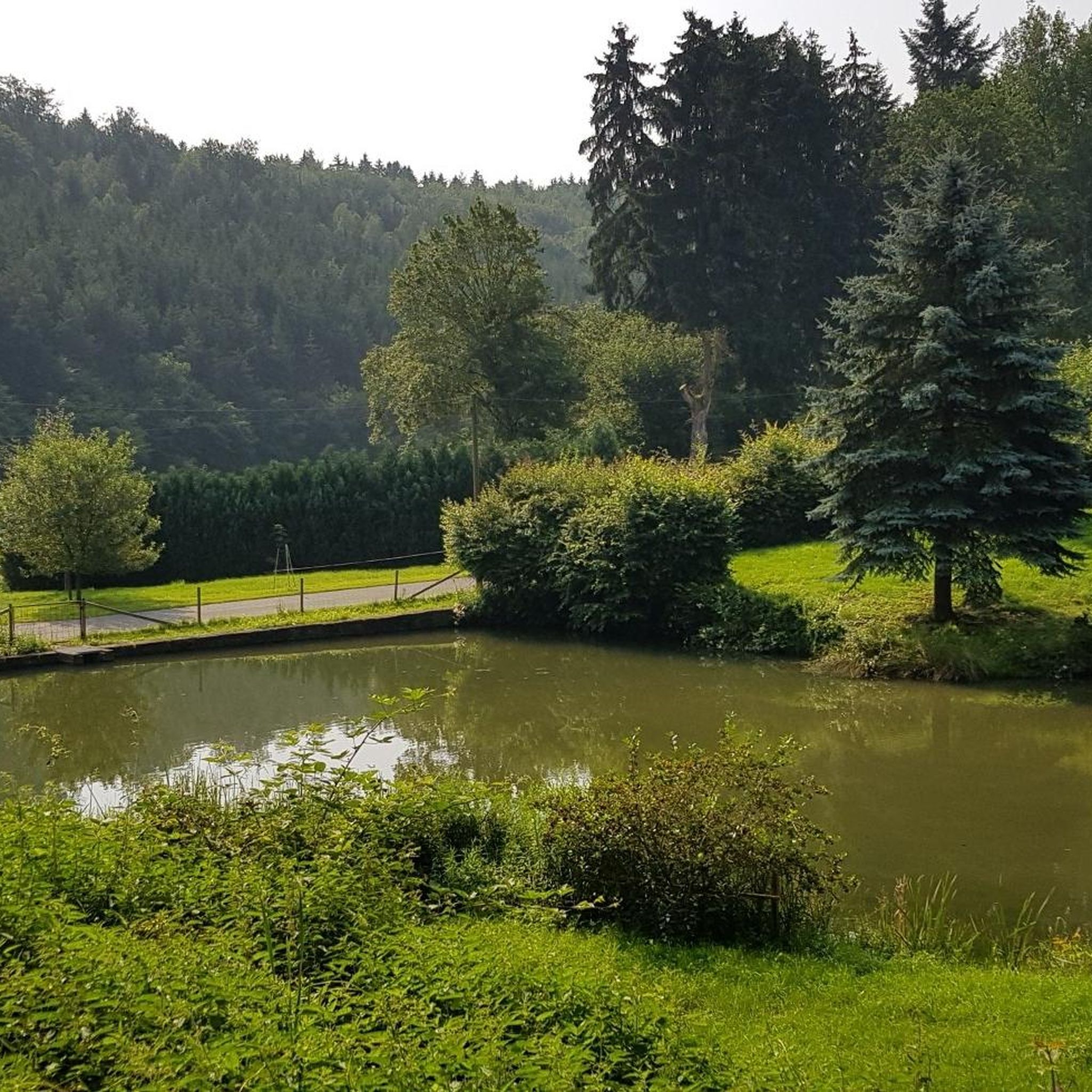
Using the power of moving water to drive a mill wheel is an ancient invention that dates back to pre-Christian times. Thanks to such a construction, human or animal muscle power could be easily replaced by a watercourse - natural or artificially created - in order to grind grain into corn, for example. There are essentially two different ways of driving watermills: Either the water simply hits the blades of the water wheel from below to set it in motion; or the water is guided above the wheel and falls onto the blades; this type of construction is more efficient due to natural gravity.
0
1

The Archbishop's Bridge is a municipality in Toledo that takes its name from its beautiful Gothic bridge with 11 arches that crosses the waters of the Tagus River. The town is famous for its ceramics, and together with Talavera de la Reina, it is the largest pottery center in Spain.
1
1

The Archbishop's Bridge is a magnificent example of medieval engineering. The bridge was built to allow trade and pilgrims to cross the Tagus River in 1380, but was further widened in the 18th century to allow passage after floods.
1
0

Another section of the picturesque Camino Real de Guadalupe, in this case joining Oropesa with the town of Alcañizo.
1
1

This great bridge with eleven eyes over the Tagus River gives its name to the Toledo town in which it is located, although the left bank of the river is already considered Cáceres and forms part of the municipality of Villar del Pedroso. It was built between 1383 and 1388 by order of the Archbishop of Toledo Pedro Tenorio.
2
1
Although what stands out most to the naked eye in Oropesa is its spectacular castle, it is worth taking a walk through the town and breathing its marked medieval air. So much so that every April the Medieval Days are held and its streets are filled with snake tamers, buffoons, parades, horseback riding tournaments, acrobats... There is even a princess rescue show.
2
1
Frequently Asked Questions
How many no-traffic gravel bike trails are available around Caleruela?
Currently, komoot features three dedicated no-traffic gravel bike routes in the Caleruela area. These routes offer a mix of moderate and difficult challenges, perfect for exploring the region's diverse landscapes away from cars.
What kind of terrain can I expect on these gravel bike trails?
The gravel trails around Caleruela traverse a varied landscape, including unpaved roads, dirt paths, and potentially some rocky sections. You'll encounter plains, mountainous areas like the Sierra de la Ventosilla, and scenic holm oak forests, providing a true gravel biking experience.
Are there any circular gravel bike routes available?
Yes, all three featured no-traffic gravel routes around Caleruela are circular. For example, you can enjoy the moderate El Puente del Arzobispo – Puente del Arzobispo loop from El Puente del Arzobispo, which covers nearly 40 km.
What are some interesting sights or landmarks I can see along the routes?
Many routes offer glimpses of the region's rich history and natural beauty. You might pass by the historic Puente del Arzobispo, a significant bridge, or explore areas near the impressive Count’s Palace of Oropesa and Oropesa Castle. The region is also known for its unique granite rock formations, especially around Canchera.
Are there any easy no-traffic gravel bike routes suitable for beginners or families?
While the current selection includes moderate and difficult routes, the varied terrain and existing hiking trails in the area suggest that some sections could be adapted for easier rides. The region's focus on diverse trails means that with careful planning, less challenging gravel paths can be found, particularly in the flatter areas or along established paths like the Camino Real de Guadalupe.
What is the best season for gravel biking in Caleruela?
Given the climate of Toledo, Spain, spring and autumn are generally the best seasons for gravel biking in Caleruela. Temperatures are milder, and the natural landscapes are vibrant. Summers can be very hot, and winters can be cooler and wetter, so checking local weather conditions is always recommended.
Are there any longer, more challenging no-traffic gravel routes for experienced riders?
Absolutely. For experienced riders seeking a challenge, the Puente del Arzobispo – El Puente del Arzobispo loop from Oropesa de Toledo is a difficult route spanning over 93 km with significant elevation gain, offering a demanding and rewarding experience.
Can I find places to explore or stop for a break along these routes?
Yes, the routes often pass through or near charming villages and natural points of interest. The region's historical sites, such as those around Oropesa, and natural features like river systems and holm oak forests, provide ample opportunities for scenic breaks and exploration. You might even find local cafes or restaurants in nearby towns.
Is public transport available to reach the starting points of these gravel trails?
While Caleruela itself is a smaller town, nearby larger towns like Oropesa de Toledo or El Puente del Arzobispo, which serve as starting points for some routes, may have better public transport connections. It's advisable to check local bus schedules to these towns, though a car is often the most flexible option for accessing trailheads in rural Spain.
Where can I park my car when starting a gravel bike tour?
When starting a tour from towns like Lagartera, Oropesa de Toledo, or El Puente del Arzobispo, you can typically find public parking areas. These towns are accustomed to visitors, and parking is generally available, especially near the main squares or designated parking zones. Always check local signage for any restrictions.
Are there any routes that offer scenic viewpoints?
The varied topography of the Caleruela region, with its mountainous areas like the Sierra de la Ventosilla and unique granite formations, naturally offers many scenic viewpoints. Routes that traverse higher elevations or follow river systems, such as those near El Puente del Arzobispo, are likely to provide expansive views of the surrounding countryside and natural landscapes.
Most popular attractions around Caleruela

Get inspired with the komoot mobile app


Explore more
Browse the best Gravel rides in other regions.
