The best traffic-free bike rides around Marcilla
5.0
(1)
11
riders
5
rides
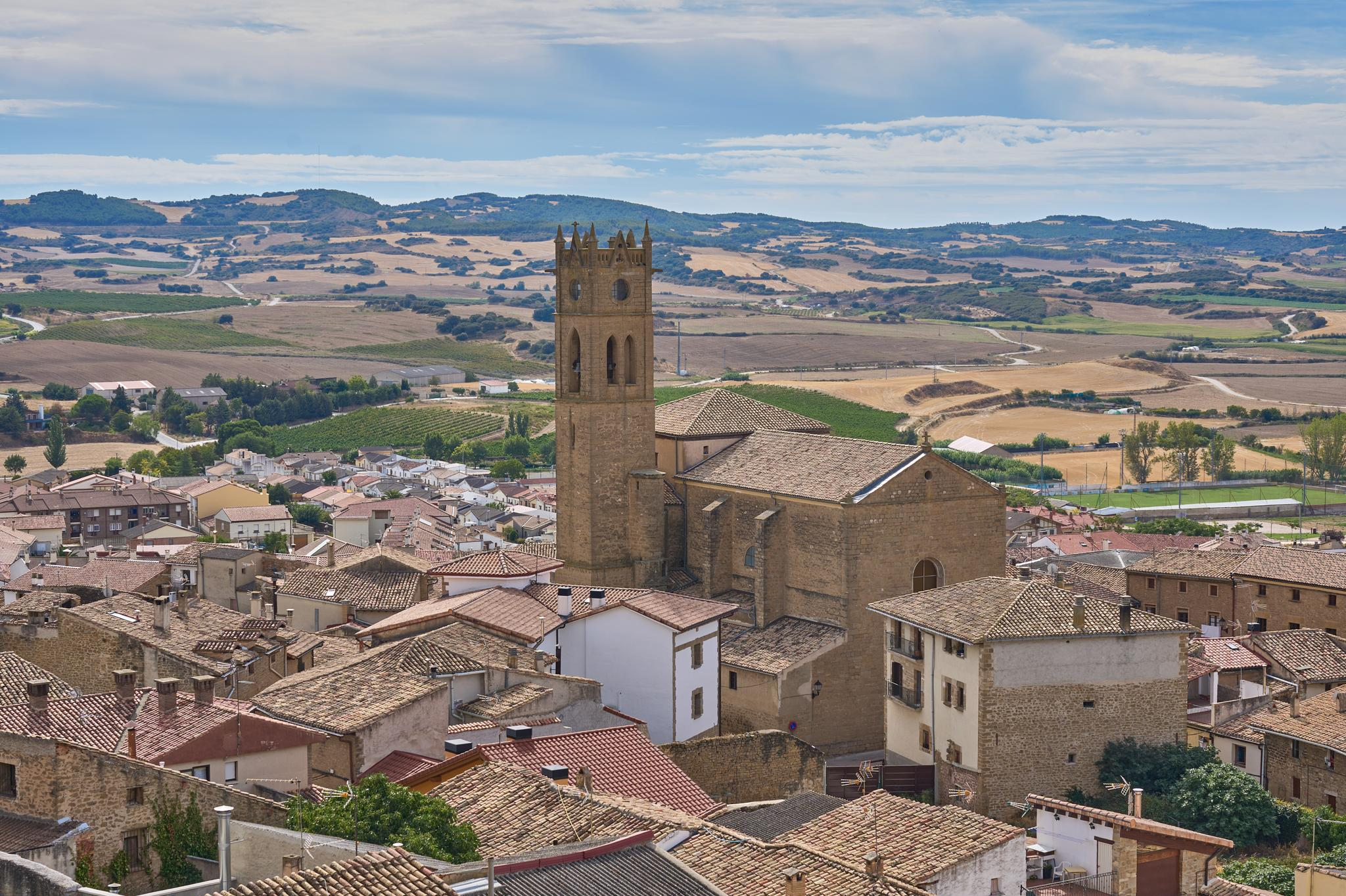
Gravel biking around Marcilla offers diverse terrain within the Ribera of Navarra, Spain. The region is characterized by the Aragón River and its associated groves, providing scenic riverbank routes. Further afield, the semi-desert landscape of Bardenas Reales presents unique arid, sculpted terrain. This area combines extensive forests, river valleys, and rolling hills, suitable for various gravel biking experiences.
Best no traffic gravel bike trails around Marcilla
- The most popular no traffic gravel bike trail is Castildetierra – Castildetierra Hill loop…
Last updated: May 4, 2026
5.0
(1)
4
riders
108km
07:50
880m
880m
Hard gravel ride. Very good fitness required. Mostly paved surfaces. Suitable for all skill levels.
2
riders
Moderate gravel ride. Good fitness required. Mostly paved surfaces. Suitable for all skill levels.

Sign up for free
2
riders
40.4km
02:40
250m
250m
Moderate gravel ride. Good fitness required. Mostly paved surfaces. Suitable for all skill levels.
2
riders
65.3km
04:37
650m
650m
Hard gravel ride. Very good fitness required. Mostly paved surfaces. Suitable for all skill levels.
1
riders
38.3km
02:45
300m
300m
Moderate gravel ride. Good fitness required. Mostly paved surfaces. Suitable for all skill levels.
Our route recommendations are based on thousands of hikes, rides, and runs completed by other people on komoot.
Start today with a free account
Your next adventure awaits.
Login or Signup
Other adventures around Marcilla

Tips from the Community

The Iglesia de Santa Eufemia in Villafranca (Navarra) is a particularly important example of Baroque church architecture in northern Spain. The church was built in the 18th century and is considered one of the most important Baroque buildings in Navarra. It was built partly on the remains of older (Gothic) predecessor buildings and therefore combines different construction phases. Characteristic is its floor plan in the form of a Latin cross with a single, spacious nave and side chapels. Inside, the baroque vaults with lunettes and a dome on so-called pendentives above the crossing are particularly impressive. La iglesia de Santa Eufemia en Villafranca (Navarra) is a particularly important example of Baroque architecture in northern Spain. Built in the 18th century, the church is considered one of the most important Baroque buildings in Navarra. It was built partly on the remains of earlier (Gothic) buildings, thus combining different construction phases. Its plan is characteristic: a Latin cross with a single, spacious nave and side chapels. Inside, the baroque vaults with lunettes and the dome on pendentives of the transept stand out.
0
0

The viewpoint offers a vertical drop of approximately 392 meters, where on clear days you can see the Bardenas Reales, Villafranca, Marcilla, and even the Pyrenees. The landscape is xerophytic, composed of gypsum and eroded clay, overlooking the confluence of the Arga and Aragón rivers before they flow into the Ebro.
3
0
The Peñalén Ravine, also known as the King's Ravine, is a stunning natural spot located about 7 km from Funes, in the Ribera Alta region of Navarre. The viewpoint offers a vertical drop of approximately 392 m, where on clear days you can see the Bardenas Reales, Villafranca, Marcilla, and even the Pyrenees.
2
0
What to see and do Church of St. James the Apostle ("La Giraldilla") A 17th-century Renaissance building with a lookout tower and Baroque altarpieces by Vicente Berdusán. Peñalén Ravine (King's Ravine) A canyon with spectacular natural beauty and historical significance: the site of the death of Sancho IV. It offers circular routes (approximately 13 km), ideal for hiking or mountain biking. Mount Gurugú / Stations of the Cross – Hermitage of Our Lady of Portegado A route for pilgrims to a viewpoint with panoramic views, offering much-loved nighttime vistas. Roman Wineries along the Ebro River An archaeological site dating back to the 1st century BC, with four preserved wine presses, reflecting the region's winemaking tradition.
3
0
Funes is a destination with great diversity in a compact area. It offers history (Roman and medieval), stunning natural beauty (ravines, rivers, viewpoints), a unique winemaking heritage, and excellent hiking and biking trails without the need for long journeys. The contrast between the robust heritage and the serenity of the riverside landscape creates an immersive and authentic experience. Ideal for those seeking a blend of cultural and natural activities, whether as a couple, in a group, or alone.
3
0
It is located at Plaza de la Cava, 1, in the town center of Marcilla (Navarra), easily accessible and surrounded by bars and a children's playground. This 15th-century Gothic fortress was built of brick on a stone foundation by Mosén Pierres de Peralta, with material and financial support from Charles III the Noble. It served both as a defensive stronghold and as a palatial residence for the Marquesses of Falces, descendants of Peralta. In 1516, the Marchioness Ana de Velasco saved the castle from being demolished by order of Cardinal Cisneros.
5
0

There are many beautiful views here. This mountain is the highlight for many.
17
0

Castildetierra is a natural formation created by water and wind erosion; a stone placed on top protected the ground below, creating a sort of earth pyramid. The soil has different shades, and at sunrise and sunset it takes on extraordinary reddish hues.
2
0
Frequently Asked Questions
How many no-traffic gravel bike trails are available around Marcilla?
There are 5 dedicated no-traffic gravel bike trails around Marcilla featured in this guide, offering a range of experiences from moderate to difficult. These routes are carefully selected to ensure a peaceful ride away from motorized vehicles.
What kind of landscapes can I expect on these traffic-free gravel routes near Marcilla?
The no-traffic gravel routes around Marcilla offer a diverse range of landscapes. You can expect scenic rides along the Aragón River with its lush ecosystems and earthy cliffs, as well as routes that traverse the broader Ribera de Navarra region with its forests and rolling hills. Some routes also provide access to the unique semi-desert terrain of the Bardenas Reales, known for its 'lunar landscape' and distinctive clay formations.
Are there any easy, beginner-friendly no-traffic gravel bike trails in the Marcilla area?
While the routes in this guide are generally rated moderate to difficult, the region's extensive network of greenways and riverbank paths often provides gentler sections suitable for less experienced riders. For a moderate option that follows river valleys, consider the Church of Saint Euphemia – Aragón River and Arga River loop from Villafranca de Navarra, which offers a good balance of distance and elevation.
Can I find challenging traffic-free gravel routes for experienced riders around Marcilla?
Absolutely. For experienced riders seeking a challenge, routes like the Castildetierra – Castildetierra Hill loop from Villafranca de Navarra offer significant distance (over 100 km) and elevation gain, taking you through the unique landscapes of the Bardenas Reales. Another challenging option is the Church of San Pedro, Funes – Artajona loop from Falces, which also features considerable elevation.
Are there circular no-traffic gravel bike routes available near Marcilla?
Yes, all the no-traffic gravel bike routes featured in this guide are circular loops, allowing you to start and end at the same point. This includes routes such as the Peñalén Gorge – Marcilla Castle loop from Funes and the Funes – Peñalén Gorge loop from Villafranca de Navarra.
What historical sites or attractions can I visit along the traffic-free gravel trails?
Many routes offer opportunities to explore the rich history of the region. The iconic Marcilla Castle, a well-preserved 15th-century fortress, is a notable landmark that can be integrated into your ride, as seen in the Peñalén Gorge – Marcilla Castle loop from Funes. The broader 'Route of the Castles and Fortresses of Navarre' suggests other medieval structures might be encountered.
Are there any natural highlights or scenic viewpoints on the no-traffic gravel routes?
Absolutely. The routes often follow the Aragón River, providing views of its unique ecosystems. You can also find natural wonders like the Peñalén Gorge, which is part of several routes. Additionally, the View of Barranco del Rey and the confluence of the Arga and Aragón rivers offers a stunning panoramic vista.
What is the best time of year to go gravel biking on traffic-free trails in Marcilla?
The Ribera of Navarra, where Marcilla is located, generally enjoys a Mediterranean climate. Spring and autumn are often ideal, offering pleasant temperatures and vibrant landscapes. Summers can be hot, especially in areas like Bardenas Reales, so early mornings or late afternoons are recommended if riding during this season. Winters are generally mild, making year-round biking possible, though some paths might be muddy after rain.
Where can I park my car when starting a no-traffic gravel bike trail near Marcilla?
Many of the routes start from nearby towns like Villafranca de Navarra or Funes, which typically offer public parking facilities. When planning your route on komoot, you can often find specific starting points and parking suggestions within the tour details or by checking the map for designated parking areas in these villages.
Are there any family-friendly no-traffic gravel bike routes suitable for all ages?
While this guide features routes of moderate to difficult grades, the general presence of historic greenways and riverbank paths in Navarra suggests that flatter, less technical sections could be found for family rides. For a moderate option, the Church of Saint Euphemia – Aragón River and Arga River loop from Villafranca de Navarra offers a scenic ride along the rivers, which might be adaptable for families depending on their experience and the full distance.
What do other komoot users say about the no-traffic gravel bike trails around Marcilla?
The komoot community highly rates the gravel biking experience around Marcilla, with an average score of 5.0 out of 5 stars. Users often praise the tranquility of the routes, the diverse landscapes ranging from river valleys to semi-desert, and the opportunity to combine cycling with exploring historical landmarks like Marcilla Castle.
Most popular attractions around Marcilla

Get inspired with the komoot mobile app


Explore more
Browse the best Gravel rides in other regions.
