The best traffic-free bike rides around Tordera
5.0
(10)
400
riders
26
rides
No traffic touring cycling routes around Tordera traverse a diverse landscape in Catalonia, Spain. The region features mountainous terrain within the Montnegre i el Corredor Nature Reserve, dense Mediterranean forests, and important wetlands. The Tordera River forms a green corridor, offering riverside paths, while the area's proximity to the coast provides varied cycling experiences. This mix of environments creates a range of routes suitable for different skill levels.
Best no traffic touring cycling routes around Tordera
- The most popular no…
Last updated: July 15, 2026
41
riders
34.1km
03:05
520m
520m
Hard bike ride. Very good fitness required. Mostly paved surfaces. Suitable for all skill levels.
35
riders
44.6km
03:21
570m
570m
Hard bike ride. Very good fitness required. Mostly paved surfaces. Suitable for all skill levels.

Sign up for free
25
riders
48.7km
03:59
760m
760m
Hard bike ride. Very good fitness required. Mostly paved surfaces. Suitable for all skill levels.
5.0
(1)
24
riders
24.7km
02:01
310m
310m
Moderate bike ride. Good fitness required. Mostly paved surfaces. Suitable for all skill levels.
5.0
(1)
15
riders
28.2km
02:24
640m
640m
Hard bike ride. Very good fitness required. Mostly paved surfaces. Suitable for all skill levels.
Get access to more routes and recommendations from other explorers.
Sign up for free
Already have an account?
Our route recommendations are based on thousands of hikes, rides, and runs completed by other people on komoot.
Start today with a free account
Your next adventure awaits.
Login or Signup



Tips from the Community

Església de Sant Llop d'Hortsavinyà El document més antic on s'esmenta Hortsavinyà és del 1101, i el primer de l'església, del 1301, si bé la primitiva esglesiola podria ser del segle IX o X. La major part de l'edifici actual és del segle XVIII. Sant Llop n'és el patró (1 de setembre), i per això se celebra la festa major en aquestes dates, coincidint amb el primer diumenge del mes. I si sant Llop és el patró de l'església, santa Eulàlia ho és del poble, i pels volts del 10 de desembre se celebra la festa major petita d'Hortsavinyà. Tradicionalment, sant Llop fou l'encarregat, en la fe cristiana, de guarir el mal de coll i l'afonia, i se'l relacionava amb alguns comportaments dels llops. Tot això ens porta a cercar els seus orígens en un personatge precristià, el pare Llop, un home que convivia amb un ramat de llops a les muntanyes. Una vegada a l'any baixava a les masies a cobrar un tribut, que calia pagar si es volia evitar l'atac dels llops al bestiar i a les persones. També era creença general, segons podem llegir als bestiaris medievals catalans, que si un home veia un llop abans que el llop a ell, la bèstia restava muda per sempre més, però si era el llop qui el veia primer, qui perdia la veu era l'home. Això darrer es produïa per l'ensurt que patia la persona en trobar-se el llop. D'aquí ve la relació de sant Llop amb l'afonia. Font: XPN
0
0
Sant Miquel de Vallmanya L'església està documentada des de l'any 1021. L'actual edifici és, però, molt posterior, del segle XVI, modificat de nou el 1826, segons es pot llegir a la porta. La façana té el coronament ondulat típicament barroc. El campanar, quadrat, té el tram superior de maó vist i està cobert amb una cúpula. adossada a l'església hi ha la casa del sagristà. Font: Pobles de Catalunya
0
0

The river here isn't channeled: it expands, dries up, or overflows depending on the season, creating a changing landscape of riparian forest and gravel. It's a great place to understand how a real Mediterranean river works and to ride at a leisurely pace, letting the terrain and surroundings set the rhythm.
0
0
Beyond the usual features, what's interesting is that it wasn't just a parish church, but a key crossroads between isolated farmhouses and forest trails. For centuries it also served as a meeting place for the foresters, who used the porch to exchange warnings about snowfalls, fires, or lost livestock. Inside, remnants of badly worn mural paintings were found, indicating that it was once more important than it appears today. The surrounding area retains that secluded and remote atmosphere that has always characterized Sant Llop.
0
0
Amidst ruins and wind, this castle holds a little-known curiosity: on one of its walls, stonemasons' marks in the shape of a cross were found. According to some historians, these are not religious symbols but rather the "signatures" of the workers who were paid per stone laid. They say each mark represented a payment. From the summit, the sea and Montseny seem closer, as if the castle still serves as a lookout, this time not for armies, but for horizons.
2
0

Good flat gravel bike route to give it a go.
0
0
Good route and beautiful views
0
0

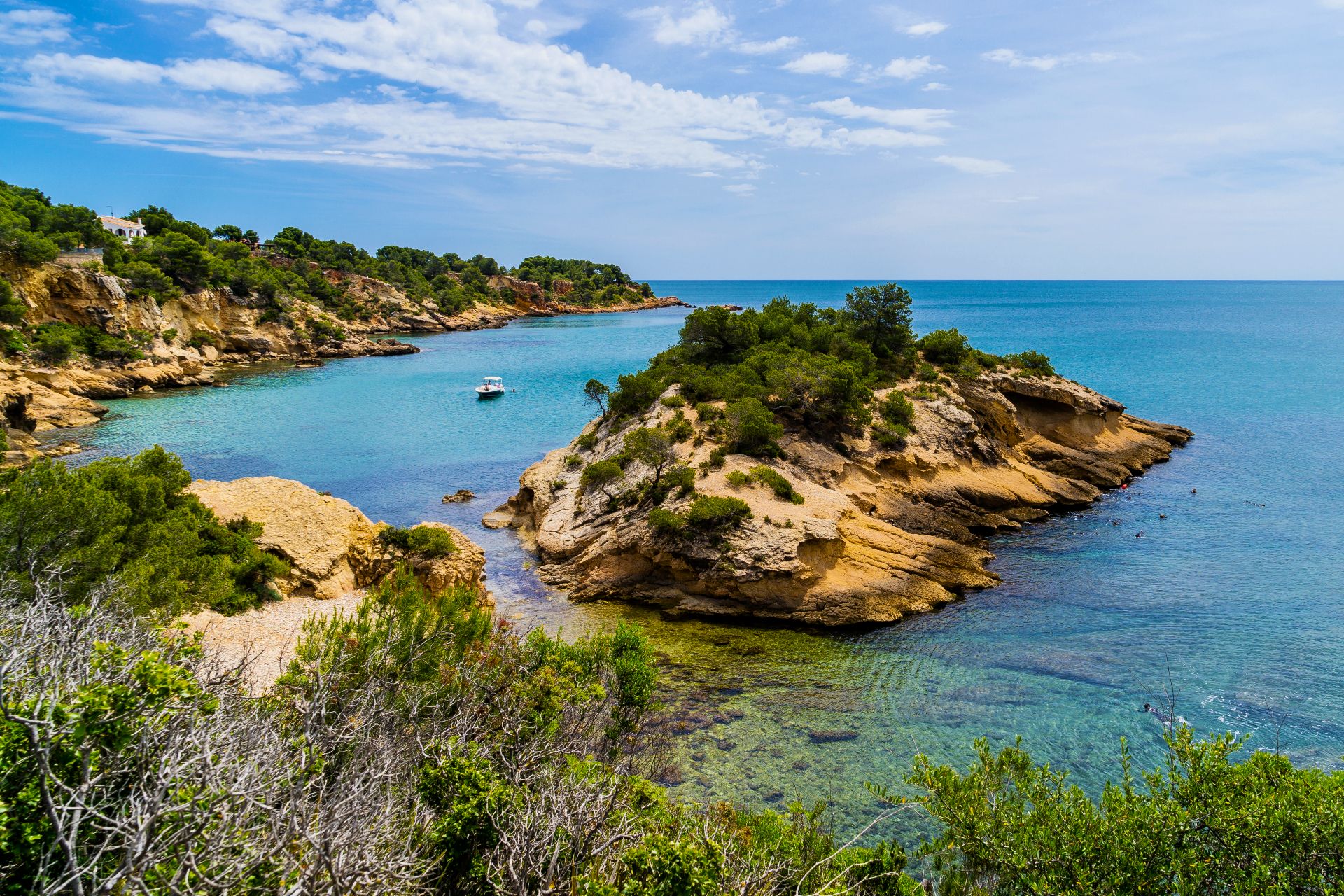
Platja de la Punta de la Tordera is a beautiful beach in the coastal town of Malgrat de Mar, in the Catalonia region of Spain. This beach is known for its unique natural features, including the type of sand and the surrounding environment. The beach is a popular tourist attraction, known for its tranquility and clean waters, making it a favorite spot for swimming and fishing. The natural beauty of Platja de la Punta de la Tordera is not limited to its sandy beaches, but also extends to a spectacular stretch of coastline that visitors can enjoy even on colder, windy, or rainy days. Its tranquil atmosphere and picturesque views make it a popular destination for tourists and locals alike. Platja de la Punta de la Tordera offers a variety of amenities and services to cater to all visitors.
0
0
Frequently Asked Questions
How many no-traffic touring cycling routes are available around Tordera?
There are over 20 no-traffic touring cycling routes around Tordera listed on komoot. These routes offer a variety of experiences, from easy riverside paths to more challenging mountain trails, ensuring options for different skill levels.
What kind of terrain can I expect on the no-traffic touring cycling routes in Tordera?
Tordera's no-traffic routes offer diverse terrain, ranging from flat riverside paths along the Tordera River to more undulating and mountainous sections within the Montnegre i el Corredor Nature Reserve. You'll encounter a mix of natural mountain biking trails, forest routes, and dedicated cycle tracks, providing varied surfaces and elevations.
Are there any family-friendly no-traffic cycling routes in Tordera?
Yes, Tordera offers family-friendly options, particularly along the Tordera River path towards Palafolls, which is relatively flat and suitable for a relaxed ride. While many routes have moderate to difficult sections, some parts of the river path are ideal for families looking for a gentle, traffic-free experience.
What historical landmarks or natural features can I see along the routes?
Many routes pass by significant historical and natural points of interest. You might encounter the Romanesque church of Sant Esteve, the old bridge over the Tordera river (Pont de Ferro), or various hermitages like Sant Vicenç. Natural features include the Montnegre i el Corredor Nature Reserve and the Tordera River itself. For specific highlights, consider exploring Montpalau Castle or the Puigmarí Telegraph Tower.
What is the best time of year to go touring cycling in Tordera?
The best time for touring cycling in Tordera is generally during spring (April-May) and autumn (September-October). The weather is typically mild and pleasant, avoiding the heat of summer and the cooler, potentially wetter conditions of winter. This allows for comfortable exploration of both coastal and mountainous areas.
Are there any circular no-traffic touring cycling routes available?
Yes, many of the no-traffic touring cycling routes in Tordera are designed as loops. For example, the Trail to the Creu del Vilar – El Vilar loop from Tordera offers a challenging circular ride, and the Castell de Sant Miquel – Castillo de Palafolls loop from Tordera provides a moderate option. These circular routes allow you to start and end in the same location without retracing your steps.
What do other touring cyclists enjoy most about cycling in Tordera?
The komoot community highly rates the touring cycling experience in Tordera, with an average score of 4.8 stars. Reviewers often praise the region's diverse landscapes, the tranquility of the no-traffic routes, and the blend of natural beauty with historical points of interest. The variety of terrain, from riverside paths to forest trails, is also frequently highlighted.
Are there any routes that combine coastal views with inland cycling?
While Tordera itself is inland, its proximity to the coast means some routes venture towards the sea. The Garbí Beach – Les Caletes Beach loop from Tordera is an excellent example, offering a challenging ride that takes you towards the golden beaches, allowing you to combine the rural soul of Tordera with coastal scenery.
What are the difficulty levels of the no-traffic touring cycling routes?
The no-traffic touring cycling routes around Tordera cater to various skill levels. While there is 1 easy route, the majority are more challenging, with 5 moderate and 18 difficult routes. This means you can find options for a relaxed ride or a more demanding adventure, often involving significant elevation changes.
Can I find dedicated cycle paths in Tordera?
Yes, Tordera features dedicated cycle paths, particularly along the Tordera River. The 'Tourdera' route, which traces the river's length, offers sections specifically designed for cycling, providing a safe and traffic-free environment. These paths are great for enjoying the natural green corridor of the river.
Are there any routes that explore the Montnegre i el Corredor Nature Reserve?
Absolutely. A significant portion of Tordera lies within the Montnegre i el Corredor Nature Reserve, and many no-traffic routes traverse this area. These routes offer picturesque landscapes, Mediterranean forests, and opportunities to discover the scenic and natural heritage of the region, such as the Marcedor de la Serpula – Next to river la Tordera loop from Tordera.
Most popular attractions around Tordera

Get inspired with the komoot mobile app


Explore more
Browse the best Cycling routes in other regions.
