The best traffic-free bike rides around La Iruela
4.7
(11)
412
riders
12
rides
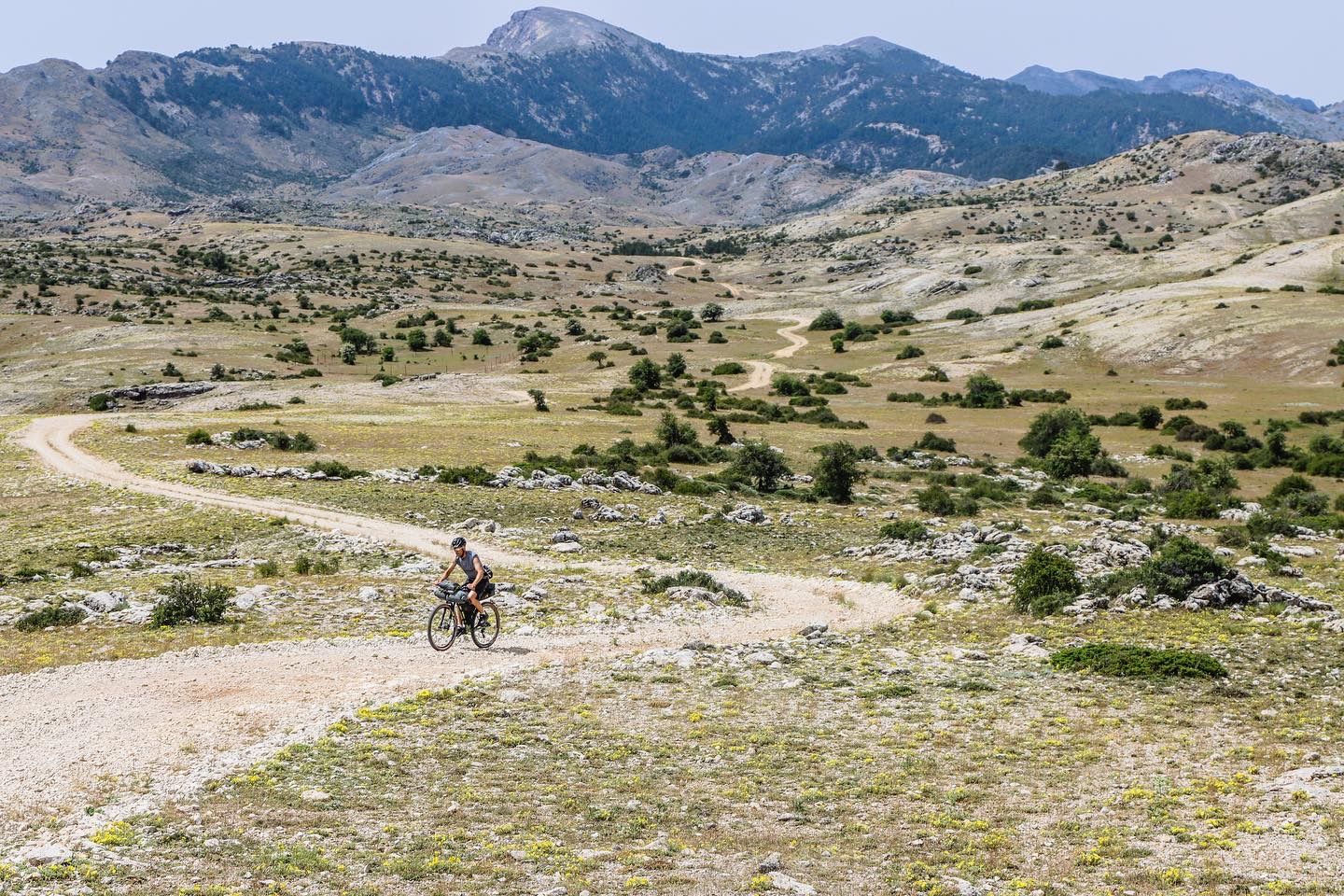
No traffic touring cycling routes around La Iruela are set within the Sierra de Cazorla, offering a diverse landscape for cyclists. The region is characterized by mountainous terrain, with routes traversing the slopes of the Sierra de Cazorla and overlooking the Guadalquivir valley. Natural features include the vast Sierra de Cazorla, Segura, and Las Villas Natural Park, along with rivers and reservoirs such as the Tranco de Beas. Elevations vary, providing options for different cycling proficiencies.
Best no traffic touring…
Last updated: May 4, 2026
11
riders
32.4km
03:04
920m
920m
This difficult 20.1-mile gravel touring cycling route through Cazorla y la Iruela offers stunning mountain views and historic landmarks.
42
riders
41.3km
04:15
1,200m
1,200m
Hard bike ride. Very good fitness required. Mostly paved surfaces. Suitable for all skill levels.

Sign up for free
8
riders
39.1km
03:01
630m
630m
Hard bike ride. Very good fitness required. Mostly paved surfaces. Suitable for all skill levels.
6
riders
22.0km
02:04
370m
370m
Moderate bike ride. Good fitness required. Mostly paved surfaces. Suitable for all skill levels.
6
riders
40.5km
03:44
640m
640m
Hard bike ride. Very good fitness required. Mostly paved surfaces. Suitable for all skill levels.
Get access to more routes and recommendations from other explorers.
Sign up for free
Already have an account?
Our route recommendations are based on thousands of hikes, rides, and runs completed by other people on komoot.
Start today with a free account
Your next adventure awaits.
Login or Signup



Tips from the Community

This bivouac shelter is a very unique construction, basically composed of a room with a door, windows, and a cistern to collect rainwater, with a manual pump for its extraction. It should be remembered that this is, therefore, water without any sanitary treatment. It is especially important to be respectful in the use of these shelters, whose maintenance and good condition are basic for shepherds in an area as isolated as this. If you walk the marked trail Bosques del Sur, you will find it at kilometer 11.4 of stage number 15.
1
0
El Refugio del Collado Zamora (often associated with the route to Gilillo) is a rehabilitated forest refuge located in the Sierra de Cazorla, key to the GR-247 trail. It is frequently used as a starting point or stopover to ascend to Gilillo or connect to areas such as Cuerda del Gilillo.
0
0


Cazorla is a gateway to the vast Sierras de Cazorla, Segura y Las Villas Natural Park, renowned for its natural beauty, rich biodiversity and the Guadalquivir River which rises there
15
0

Pine tree in tribute to Felix Rodriguez de la Fuente. Some of the episodes this naturalist filmed (where the vulture is the protagonist) were recorded in the mountains that can be seen behind the trail.
0
0

The Mirador de la Barranda is a beautiful viewpoint in Quesada located within the old fortified walls (Murallas de Quesada). From this viewpoint you have a panoramic view of the surrounding area, including the Sierras de Cazorla, Segura y Las Villas and the extensive campiña.
9
0
The Iglesia de San Pedro y San Pablo in Quesada has a rich history dating back to the 14th century. The church was built on the site of an old Visigothic church that was later converted into a mosque under the Moors. After the definitive reconquest of Quesada by the Christians on 29 June 1310, the church was given its current name in honour of the apostles San Pedro and San Pablo. The church is built in the neoclassical style and has a plan in the form of a Latin cross. The interior consists of three naves, of which the central nave is higher. The cross arch of the transept is an oval dome, and there is a high choir at the bottom. The church also has a tower with four sections, of which the first two are made of masonry and the last two of tombstones. Interior: The interior of the church is richly decorated with baroque elements and neoclassical details. The wooden cross arches and the famous wall decorations are beautifully preserved. Exterior: The exterior of the church is less striking, but the 18th century bronze-hinged entrance gate is a highlight.
8
0
The Restos de Columnas in Quesada refer to the ruins of an ancient Roman temple found in the city. These ruins are located around the Plaza de la Lonja and the Iglesia de San Pedro y San Pablo. The area is known for its rich archaeological finds and offers a glimpse into the Roman history of the region.
10
0
Frequently Asked Questions
How many no-traffic touring cycling routes are available around La Iruela?
There are 12 dedicated no-traffic touring cycling routes around La Iruela. These routes offer a range of experiences, with 5 classified as moderate and 7 as difficult, catering to various fitness levels within the stunning Sierra de Cazorla landscape.
Are there any family-friendly no-traffic touring cycling routes in La Iruela?
While the guide primarily features moderate to difficult routes, the region around La Iruela does offer varied terrain. For families or those seeking easier rides, it's best to look for routes with minimal elevation gain. The Torre Mocha of Peal de Becerro – Chapel loop from Peal de Becerro is a moderate option with less elevation compared to others, which might be suitable for more experienced cycling families.
What kind of landscapes can I expect on these traffic-free cycling routes?
The routes around La Iruela traverse diverse landscapes within the Sierra de Cazorla, Segura, and Las Villas Natural Park. You can expect mountainous terrain, often with panoramic views, and areas near rivers like the Cerezuelo. Some routes may also offer glimpses of reservoirs such as the Tranco de Beas, providing a rich tapestry of natural beauty.
Are there any circular no-traffic touring cycling routes?
Yes, many of the no-traffic touring cycling routes around La Iruela are designed as loops. For example, the Cazorla - Gilillo Loop and the Cazorla – Collado Zamora Refuge loop from Cazorla are excellent circular options, allowing you to start and finish at the same point without retracing your path.
What attractions or viewpoints can I find along the no-traffic routes?
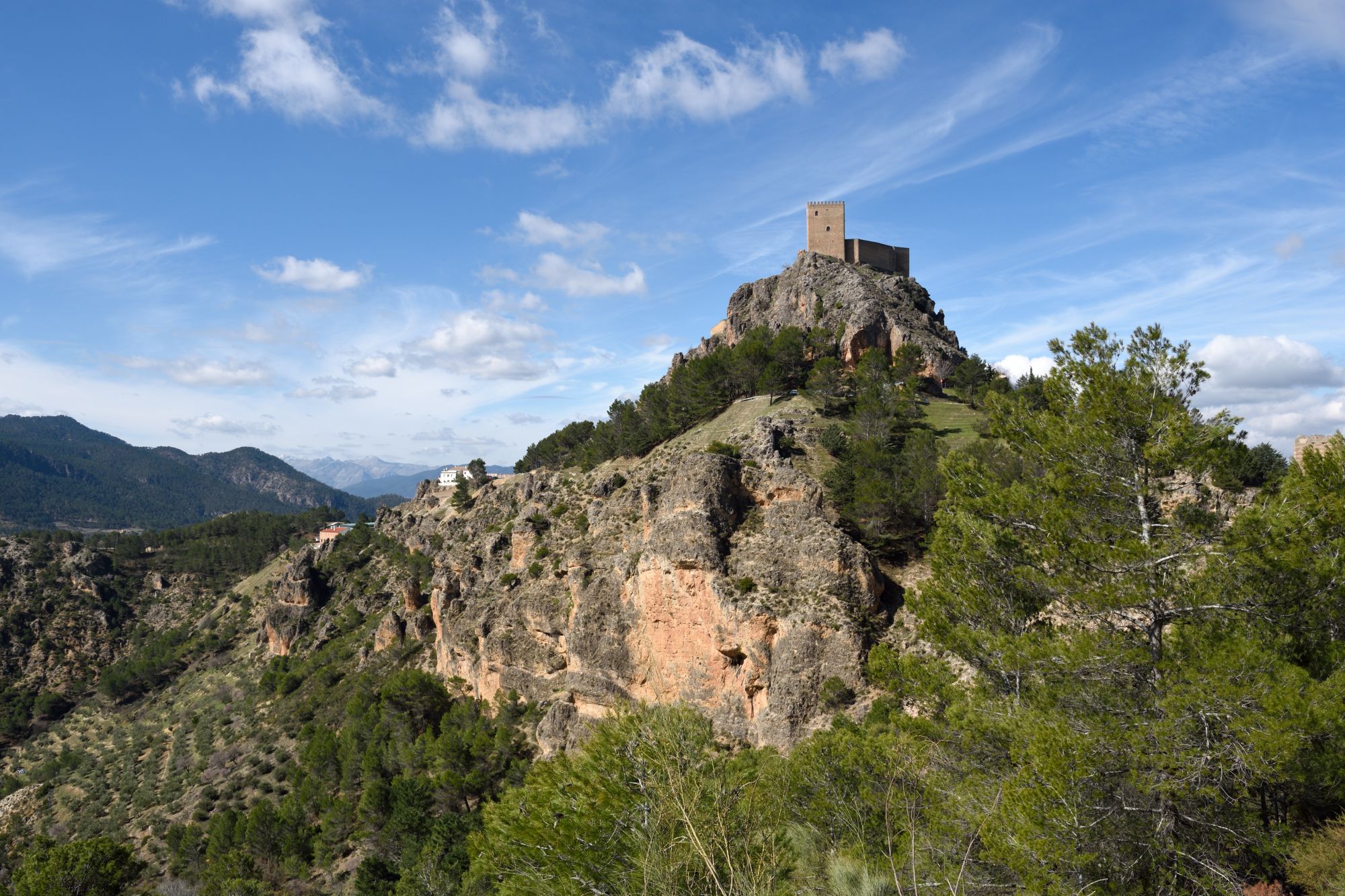
The region is rich in natural and historical attractions. You might encounter stunning viewpoints like Mirador Del Chorro or Mirador Paso Del Aire, offering breathtaking vistas of the natural park. Historical sites such as Castillo de La Iruela or the Ruins of the Church of Santa María are also nearby. For natural wonders, the spectacular Salto de los Órganos Waterfall is a notable highlight in the area, though accessing it directly by bike might require some challenging sections.
What is the best time of year to cycle these traffic-free routes?
The Sierra de Cazorla region offers cycling opportunities throughout much of the year. Spring and autumn generally provide the most pleasant temperatures for touring cycling, with lush landscapes in spring and vibrant colors in autumn. Summers can be hot, especially at lower elevations, while winters can bring colder temperatures and occasional snow at higher altitudes, making some routes more challenging or inaccessible.
Where can I park my car when starting a traffic-free cycling route in La Iruela?
Parking availability can vary depending on the specific starting point of your chosen route. Generally, you'll find parking options in and around La Iruela village or in nearby towns like Cazorla or Peal de Becerro, which serve as common access points for the natural park. It's advisable to check the specific route details on Komoot for recommended parking areas near the trailhead.
Are there any routes that offer a significant challenge for advanced cyclists?
Absolutely. The Sierra de Cazorla is known for its demanding terrain. Routes like the Cazorla – Collado Zamora Refuge loop from Cazorla, with over 1,100 meters of elevation gain, or the Rambla Seca Shelter – Campos de Hernán Perea loop from Nava de San Pedro, offer significant climbs and distances, requiring very good fitness and sure-footedness for an advanced touring cyclist.
What do other touring cyclists enjoy most about cycling in La Iruela?
The area is highly rated by the komoot community, with an average score of 4.7 stars. Reviewers often praise the stunning natural beauty, the tranquility of the traffic-free paths, and the rewarding panoramic views from elevated points like Pico Gilillo. The diverse terrain and the opportunity to explore the vast natural park are frequently highlighted as key attractions.
Can I find cafes or places to stop for refreshments along these routes?
While many of these routes venture into wild, natural areas, some may pass through or near small villages where you can find local cafes or shops. It's always recommended to carry sufficient water and snacks, especially on longer or more remote routes. Planning your stops in advance by checking the route map for nearby settlements is a good practice.
Are there opportunities for wildlife spotting on the no-traffic touring routes?
Yes, the Sierra de Cazorla, Segura, and Las Villas Natural Park is a biodiversity hotspot. Cycling on these quiet, traffic-free routes increases your chances of spotting local wildlife, which can include various bird species, deer, and wild boar. Early mornings or late afternoons are often the best times for wildlife observation.
Most popular attractions around La Iruela

Get inspired with the komoot mobile app


Explore more
Browse the best Cycling routes in other regions.
