The best traffic-free bike rides around Onís
4.6
(79)
6,126
riders
7
rides
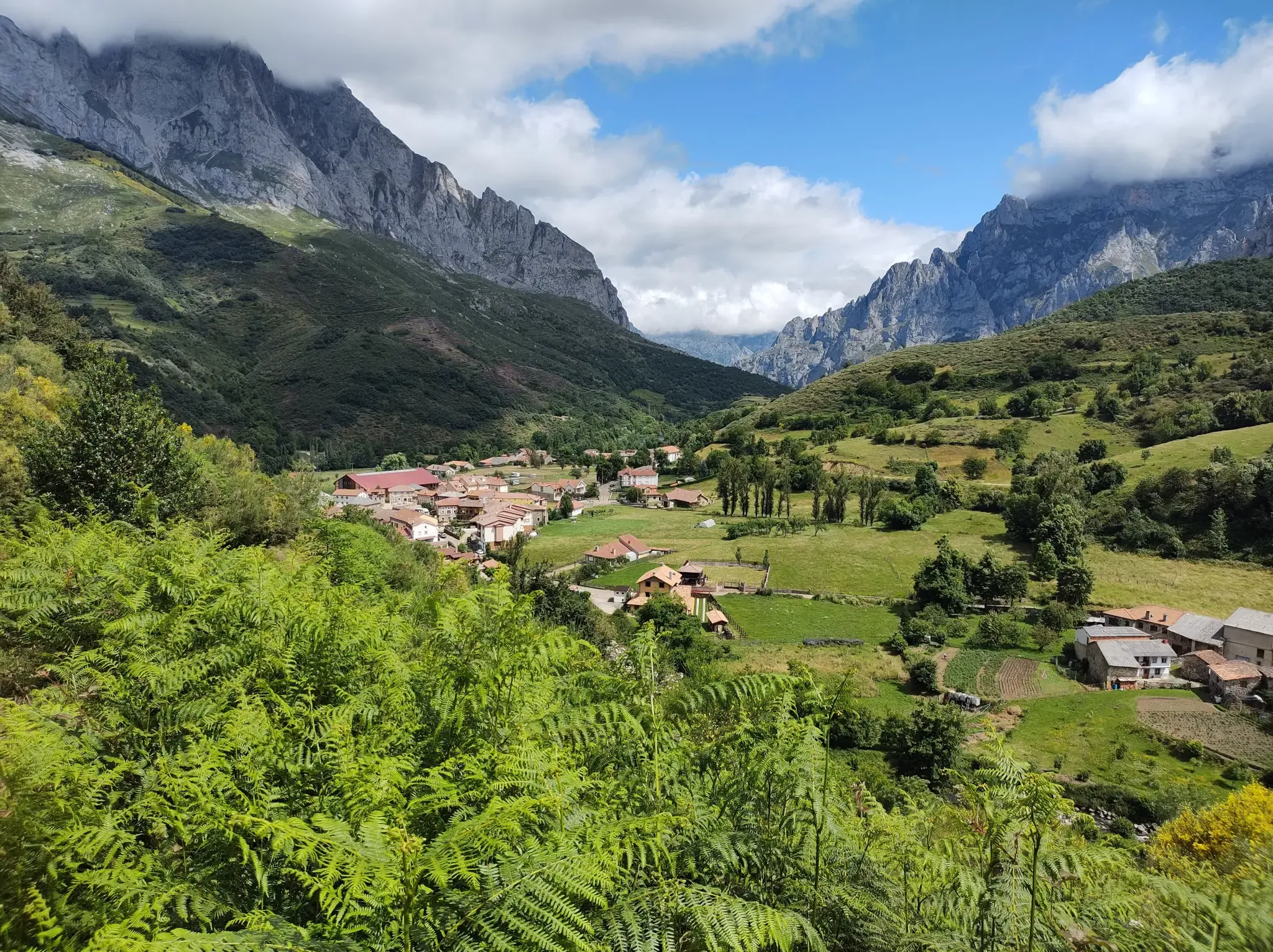
No traffic road cycling routes around Onís are set within the dramatic landscapes of Asturias, Spain, offering diverse terrain for cyclists. The region is characterized by the rugged peaks and deep valleys of the Picos de Europa National Park, alongside the Sella River. Limestone cliffs, verdant pastures, and significant elevation changes define the cycling experience.
Best no traffic road cycling routes around Onís
- The most popular no traffic road cycling route is Holy Cave of Covadonga – Queen's Viewpoint loop…
Last updated: October 18, 2026
4.8
(4)
490
riders
30.4km
02:16
1,140m
1,140m
Hard road ride. Very good fitness required. Some segments of this route may be unpaved and difficult to ride.
4.5
(2)
259
riders
24.2km
01:53
1,030m
1,030m
Hard road ride. Very good fitness required. Mostly well-paved surfaces and easy to ride.

18
riders
37.5km
02:32
1,230m
1,220m
Hard road ride. Very good fitness required. Mostly well-paved surfaces and easy to ride.
14
riders
20.6km
01:18
560m
560m
Moderate road ride. Good fitness required. Mostly well-paved surfaces and easy to ride.
11
riders
36.0km
02:10
950m
950m
Hard road ride. Very good fitness required. Mostly well-paved surfaces and easy to ride.
Get access to more routes and recommendations from other explorers.
Already have an account?
Our route recommendations are based on thousands of hikes, rides, and runs completed by other people on komoot.
Start today with a free account
Your next adventure awaits.
Popular around Onís
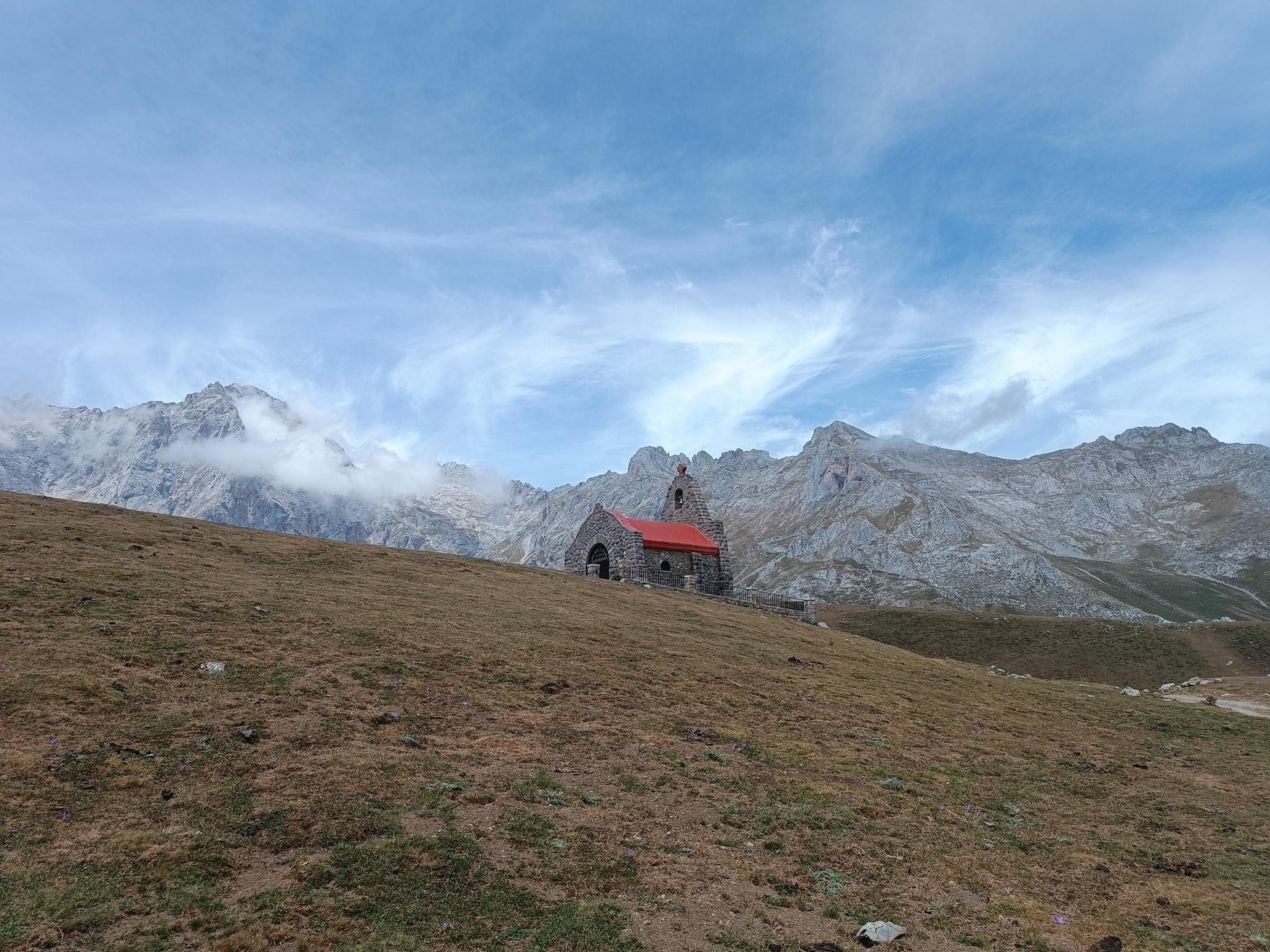
A pilgrimage to the peaks – Camino de los Santuarios
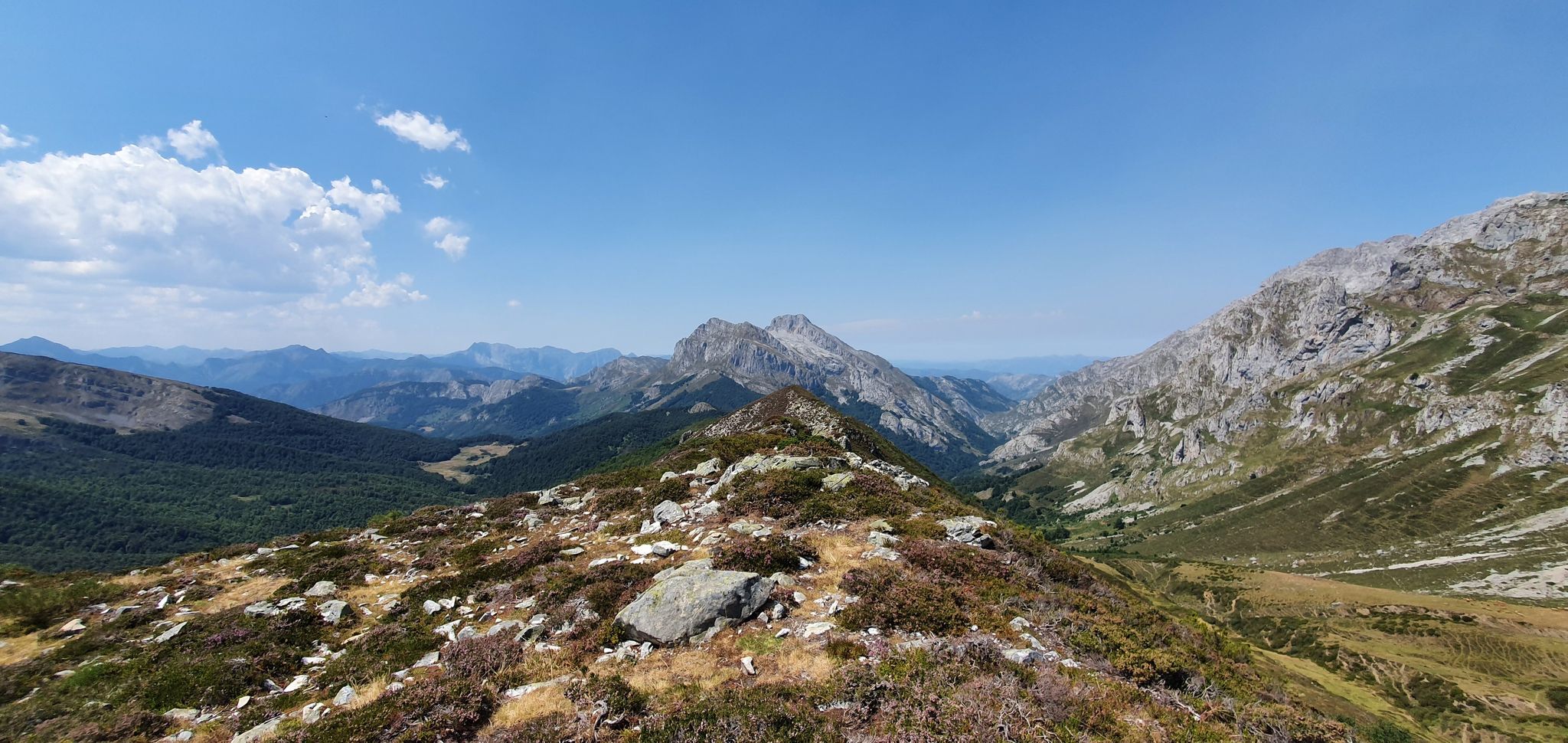
Four days hiking in Spain’s Picos de Europa – Anillo Vindio
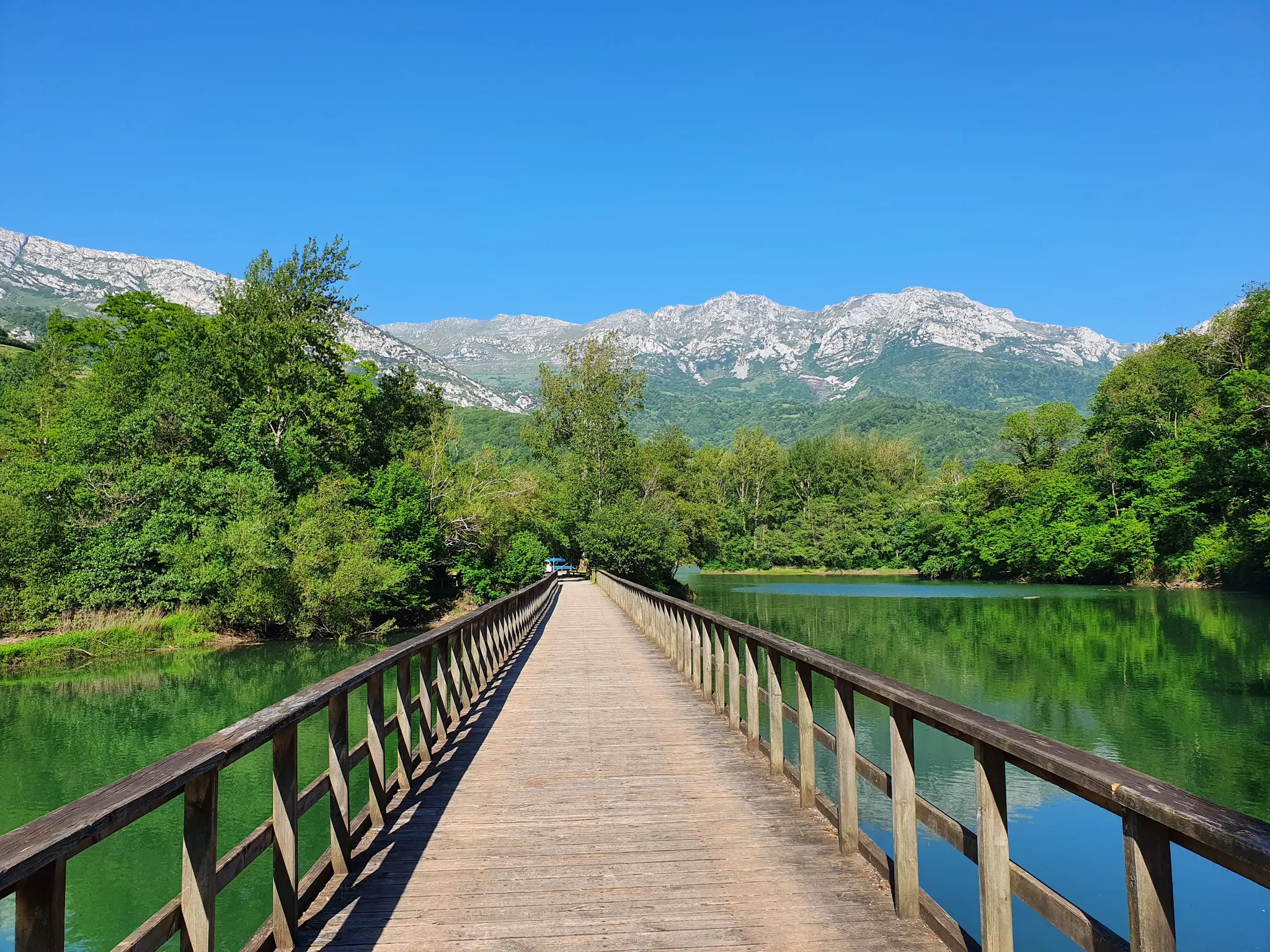
The secrets of the Cantabrian Mountains – GR 109 Asturias Interior
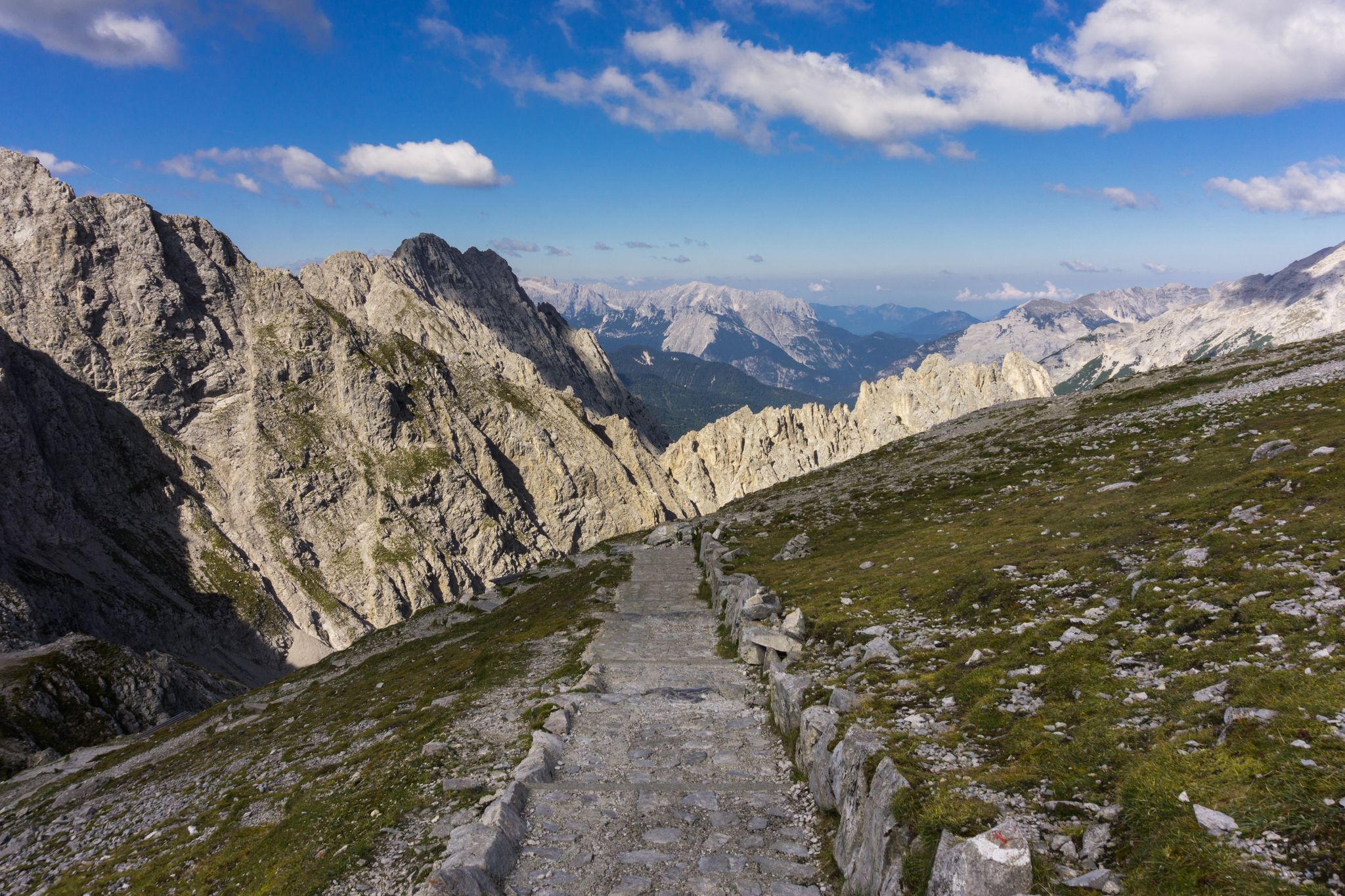
Las Cumbres Reinas de España — Spanish mountain trail races
Hike Spain’s Picos de Europa – Ring of Peaks, Three Massifs

Traffic-free bike rides around Onís

Traffic-free bike rides around Onís
Other adventures around Onís


Tips from the Community

Lake Enol is the largest of the famous Covadonga lakes. It is located in the municipality of Cangas de Onís, in the heart of the Picos de Europa National Park in Asturias. Altitude: It is located 1,070 meters above sea level. Dimensions: It is 750 meters long and has a maximum depth of about 25 meters. This differentiates it from its neighbor, Lake Ercina, which is much shallower. Origin: It is a glacial lake with crystalline waters in emerald green tones. The submerged Santina: At its bottom rests a figure of the Virgin of Covadonga. Every September 8th (Asturias Day), a group of divers retrieves it to carry it in procession.
0
0
Ascent to the Lagos de Covadonga: Distance: About 14 kilometers from the village or sanctuary of Covadonga to Lake Ercina. Elevation gain: Around 1014 meters of climbing with an average gradient close to 7.4%. La Huesera: The most famous and difficult section, with 1.5 kilometers at 12% and maximum peaks of 15%. Tips for the Ascent Pace: Save your energy for the second half, as the first kilometers through the forest are demanding but steady (7% to 10%). Gearing: Bring a generous cassette with comfortable gears so you don't suffer too much on the double-digit gradients. Weather: The weather changes quickly in the mountains; check the sky before you leave and adjust your clothing accordingly.
0
0

On June 12, 1987, one of the greatest tragedies in the history of the Picos de Europa occurred. A Civil Guard helicopter was flying over the Lakes of Covadonga in a large-scale operation to find Germán Quintana, a 13-year-old boy who had disappeared days earlier. Difficult conditions and dense fog caused the aircraft to collide with the slope of the Sohornín peak, crashing near the road that connects the Enol and Ercina lakes. All seven occupants died in the accident: four Civil Guard officers and three canine guides from the Ertzaintza who had joined the search as volunteers with their dogs. Tragically, the boy was never found. This double tragedy shocked the country, and the rescuers are still remembered today with this stone monument erected at the site of the crash.
0
0
It's better to stop to see it on your way back to the sanctuary.
0
0
Also known as La peña del Elefante, or Elefante de Teon.
0
0

Nice village in the middle of the Valdeón valley. Nicely traditional in the middle of the high mountains.
0
0

The Mirador del Tombo is one of the most impressive views in the Valdeón Valley, in the Picos de Europa. Located very close to the village of Cordiñanes de Valdeón, it offers spectacular views of the Cares Gorge and the Central Massif of the Picos de Europa.
4
0
Frequently Asked Questions
How many no-traffic road cycling routes are available in Onís?
There are 5 carefully selected no-traffic road cycling routes in Onís, offering a range of experiences from moderate to difficult. These routes are designed to provide serene rides away from heavy vehicle traffic.
Are there any circular no-traffic road cycling routes in Onís?
Yes, several routes are designed as loops, allowing you to start and end in the same location. For example, the Holy Cave of Covadonga – Queen's Viewpoint loop from Cangas de Onís offers a challenging circular ride, while the Mestas de Con loop from Santa Eulalia/Santolaya provides a moderate option.
What natural landmarks or attractions can I see along these routes?
The routes often pass through or near the stunning Picos de Europa National Park. You can experience the legendary Lagos de Covadonga, the Sella River valley, and dramatic limestone cliffs. Specific highlights include the Alto de la Tornería Scenic Road and the Alto de Ortiguero Descent, offering panoramic views of the surrounding mountains.
Are there routes suitable for beginners or families looking for a moderate ride?
While many routes in the region are challenging, there are moderate options available. The Holy Cave of Covadonga – Covadonga Sanctuary loop from Samartín de Grazanes is a moderate route that allows you to experience the beauty of the area without extreme difficulty. Another moderate choice is The Fountain – Start of the Pass loop from Rales.
What are some of the most challenging no-traffic road cycling routes in Onís?
For experienced cyclists seeking a challenge, the region offers demanding climbs. The Holy Cave of Covadonga – Queen's Viewpoint loop from Cangas de Onís features significant elevation gain, leading to iconic viewpoints. Another difficult option is the Tombo Viewpoint – Cordiñanes de Valdeón loop from Caín de Valdeón, known for its substantial ascent.
When is the best time of year for no-traffic road cycling in Onís?
The best time for road cycling in Onís is typically from late spring through early autumn (May to October). During these months, the weather is generally milder, and the stunning landscapes of the Picos de Europa are at their most vibrant. Always check local weather forecasts before heading out, especially for mountain routes.
Is there a chance to see wildlife on these routes?
Cycling through the Picos de Europa National Park and its surrounding areas offers opportunities to observe local wildlife. The park is home to a rich array of fauna, including chamois, various bird species, and occasionally larger mammals. Keep an eye out, especially in quieter sections of the routes.
What do other cyclists say about the no-traffic road cycling routes in Onís?
The no-traffic road cycling routes in Onís are highly rated by the komoot community, with an average score of 4.7 stars from 56 reviews. Cyclists often praise the breathtaking scenery, the challenging climbs, and the peaceful experience of riding on quiet roads through the Picos de Europa.
Are there places to stop for refreshments or food along the routes?
Many routes pass through or near charming Asturian villages and towns like Cangas de Onís. These places often have traditional cider houses, cafes, and restaurants where you can refuel and experience local cuisine. It's always a good idea to carry some snacks and water, especially on longer or more remote sections.
Can I find routes that include mountain passes?
Yes, the region is renowned for its challenging mountain passes. You can explore routes that incorporate features like the Puerto de la Tornería and Los Corros or the Las Colladinas, offering rewarding climbs and spectacular views of the Picos de Europa.
Where can I find parking near the no-traffic road cycling routes?
Many of the routes start from towns or villages such as Cangas de Onís, Samartín de Grazanes, or Santa Eulalia/Santolaya, where public parking is generally available. It's advisable to check specific starting points for parking options when planning your ride.
Most popular attractions around Onís

Get inspired with the komoot mobile app


Explore more
Browse the best Road cycling routes in other regions.
