The best traffic-free bike rides around Estepona
4.4
(147)
2,178
riders
22
rides
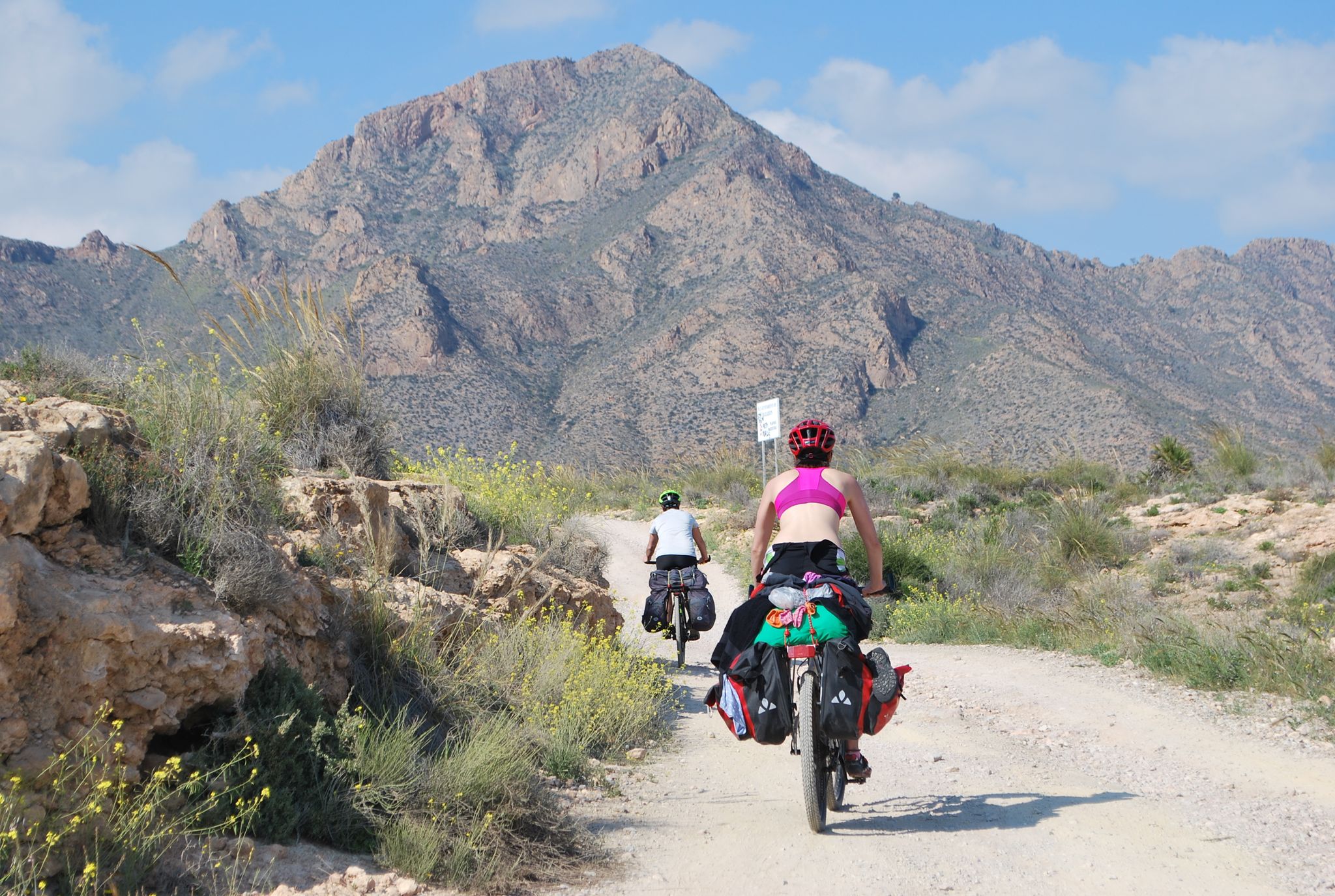
Estepona no traffic touring cycling routes traverse a diverse landscape situated between the Mediterranean Sea and the Sierra Bermeja mountains. The region features dedicated coastal paths, inland country lanes winding through vineyards and olive groves, and more challenging mountain trails. Elevation changes range from gentle coastal gradients to significant ascents in the Sierra Bermeja, offering varied terrain for touring cyclists.
Best no traffic touring cycling routes in Estepona
- The most popular no traffic touring cycling route is Estepona – Estepona…
Last updated: May 5, 2026
5.0
(7)
183
riders
39.5km
03:08
1,070m
1,070m
Hard bike ride. Very good fitness required. Mostly paved surfaces. Suitable for all skill levels.
4.8
(8)
163
riders
54.4km
04:19
1,210m
1,200m
Hard bike ride. Very good fitness required. Mostly paved surfaces. Suitable for all skill levels.

Sign up for free
4.1
(9)
94
riders
21.7km
01:32
100m
100m
Easy bike ride. Great for any fitness level. Mostly paved surfaces. Suitable for all skill levels.
4.3
(4)
60
riders
44.5km
04:03
830m
830m
Hard bike ride. Very good fitness required. Mostly paved surfaces. Suitable for all skill levels.
48
riders
69.9km
06:39
1,410m
1,410m
Hard bike ride. Very good fitness required. Mostly paved surfaces. Suitable for all skill levels.
Get access to more routes and recommendations from other explorers.
Sign up for free
Already have an account?
Our route recommendations are based on thousands of hikes, rides, and runs completed by other people on komoot.
Start today with a free account
Your next adventure awaits.
Login or Signup




Tips from the Community

The mural "The Last Supper" in Estepona is a modern interpretation of Leonardo da Vinci's famous work and part of the Ruta de Murales Artísticos (Artistic Mural Route). Created by the artist Curro Leyton, it is located on a building facade near Calle Madrid. This large-scale mural contributes to Estepona's transformation into an open-air art museum, blending classical themes with contemporary street art.
1
0
The Torre El Velerín is a historic coastal watchtower on the Senda Litoral near Estepona. It was built in the 16th century as part of a coastal defense system designed to protect against pirate attacks. From the tower, movements at sea were observed and warning signals were relayed to neighboring watchtowers. Its distinctive features are its round shape and elevated entrance. Today, the Torre El Velerín is a listed historical monument and a testament to coastal history.
1
0
The Puerto Deportivo de Estepona is the city's modern marina, located directly on Playa de la Rada. Along the promenade, there are numerous restaurants, bars, and cafés with sea views. Boat tours depart from the marina, including dolphin watching excursions and coastal trips. Especially in the evenings, the illuminated marina invites visitors to enjoy leisurely bike rides along the coast.
2
0
“Ecos del Mar” is a mural created in 2024 by the artist Felipe Pincel, commissioned as part of the III Concurso Internacional de Murales de Estepona. Located on Calle José Luis Díez, it depicts a striking maritime scene: a weather-beaten sailor gazes thoughtfully into the distance, flanked by a boat and a lighthouse, while seagulls circle the scene. The work reflects Estepona's close connection to the sea and its traditional fishing trade, blending realistic depiction with a poetic atmosphere. With its monumental scale and serene, narrative imagery, “Ecos del Mar” integrates seamlessly into the city's artistic identity and is among the most distinctive new murals on Estepona's “Ruta de Murales” (Mural Route).
1
0

Located on the waterfront promenade, this park features many sculptures. All are freely accessible and well-made. A visit is definitely worthwhile.
0
0
The open-air museum in Estepona features sculptures by the Spanish sculptor Santiago de Santiago. Among the twelve works on display are a homage to Francisco de Goya, as well as figures such as Kalima, Némesis, Diana de Estepona, and Piedad. The exhibition is complemented by conceptual works by the artist, showcasing his diverse artistic range. Santiago de Santiago is internationally renowned: his works have been exhibited in museums in Saint Petersburg, Moscow, and Tokyo, and he has also created numerous public monuments and busts of prominent figures from the worlds of politics and business.
1
0
The Acueducto del Ángel in Estepona is an impressive relic from the 18th century, reminiscent of the region's agricultural past. It is located in the area of Parque del Ángel, near Arroyo de Hornacinos and Calle Terral, not far from the modern residential complex Playa del Ángel. The historical structure once served to irrigate the surrounding fields and was part of an extensive water supply system that connected springs and water reservoirs. The aqueduct consists of multi-arched masonry viaducts that carried water over an elevated structure, likely to mills or agricultural facilities in the area. After years of decay, it was restored by the city of Estepona as part of a project to upgrade the coastal park and made accessible again. Today, it is surrounded by a small park with walking paths and information boards and can be visited freely. The Acueducto del Ángel is thus not only a technical monument but also a symbol of the connection between history, landscape, and water management in Andalusia. Between modern development and proximity to the sea, it tells of a time when water was a valuable commodity and the engineering skills of the Moors and their successors created the foundation for fertile fields and flourishing gardens.
2
0
The Parque del Ángel in Estepona is a spacious, modernly designed green area near the coast that combines nature, culture, and recreation. Amidst Mediterranean plantings, palm trees, and open meadows, there is a restored aqueduct that gives the park a historical element. A wooden bridge over the small Hornacinos stream connects the surrounding neighborhoods and blends harmoniously into the landscape. In addition, several sculptures by the artist Santiago de Santiago enrich the park like a small open-air museum, while a landscaped noria recalls old irrigation systems. The offering is complemented by a modern calisthenics zone and quiet paths, making the Parque del Ángel a beautiful place for relaxation, sports, and photo opportunities.
1
0
Frequently Asked Questions
How many no traffic touring cycling routes are available around Estepona?
There are over 20 no traffic touring cycling routes around Estepona, offering a variety of experiences. These include options for different skill levels, from easy coastal rides to more challenging inland loops.
What is the best time of year for no traffic touring cycling in Estepona?
Estepona benefits from a mild climate and year-round sunshine, making it ideal for cycling throughout the year. The spring and autumn months offer particularly pleasant temperatures for longer rides, while winter provides a welcome escape from colder climates elsewhere.
What kind of terrain can I expect on these no traffic routes?
The no traffic touring cycling routes in Estepona offer diverse terrain. You'll find flat, dedicated coastal paths like sections of the Senda Litoral, as well as rolling hills and country lanes through vineyards and olive groves inland. For more adventurous cyclists, routes venturing towards the Sierra Bermeja mountains include significant climbs and forest tracks.
Are there easy no traffic touring cycling routes suitable for beginners in Estepona?
Yes, Estepona offers several easy no traffic touring cycling routes perfect for beginners or those seeking a relaxed ride. An excellent option is the Mural "Echoes of the Sea". – Torre de la Sal loop from Estepona, which is mostly flat and offers scenic coastal views.
What natural features or landmarks can I see along no traffic touring cycling routes in Estepona?
Many routes offer stunning views and pass by notable landmarks. You can cycle along the beautiful Estepona coastline, with views of Gibraltar and Africa on clear days. Inland, you might encounter picturesque white villages like Casares. For natural beauty, the Sierra Bermeja Natural Area is accessible, offering panoramic views from peaks like Pico de los Reales — Summit View, and the unique Pinsapar forest. Some routes also pass near the Guadalmina Gorge.
Are there any circular no traffic touring cycling routes in Estepona?
Yes, many of the no traffic touring cycling routes in Estepona are designed as loops, allowing you to start and end in the same location. For example, the challenging Estepona – Estepona Old Town loop from Estepona offers a substantial circular ride through varied terrain.
Is parking available near the starting points of these no traffic routes?
Estepona has various parking options, especially near the town center and coastal areas, which often serve as starting points for these routes. Many public parking facilities are available, particularly around the marina and promenade, providing convenient access to the car-free coastal paths and routes heading inland.
Can I access these no traffic cycling routes using public transport?
Estepona is well-connected by local and regional bus services, which can help you reach various parts of the town and surrounding areas. While direct public transport access to every single route start might vary, the town's central location and coastal path connections make many routes accessible by combining a short ride from a bus stop with your cycling tour.
Are these no traffic touring cycling routes family-friendly?
Yes, several no traffic routes are suitable for families, particularly the flatter sections along the coastal path (Senda Litoral). These paths offer a safe environment away from vehicle traffic, with plenty of opportunities to stop at beaches, parks, and cafes. Always check the route's difficulty and length to ensure it matches your family's capabilities.
What do other touring cyclists enjoy the most about touring cycling in Estepona?
The area is highly rated by the komoot community, with an average score of 4.5 stars. Reviewers often praise the stunning coastal views, the tranquility of the inland country lanes, and the variety of terrain that caters to all skill levels. The pleasant year-round climate is also frequently highlighted as a major draw.
How challenging are the more difficult no traffic touring cycling routes?
The more difficult no traffic touring cycling routes in Estepona, such as the Senda Litoral Coastal Path – Estepona Old Town loop from Las Dunas Park, can be quite challenging. They often feature significant elevation gains, sometimes exceeding 1000 meters, and cover longer distances. These routes are best suited for experienced cyclists with good fitness levels.
Most popular attractions around Estepona

Get inspired with the komoot mobile app


Explore more
Browse the best Cycling routes in other regions.
