The best traffic-free bike rides around Porto
111
riders
3
rides
Road cycling around Porto is characterized by its diverse geography, offering varied terrain from the Atlantic coastline to the dramatic Douro River valley and challenging inland hills. The region provides a mix of relatively flat coastal paths and dedicated cycleways, alongside routes with significant elevation gains through vineyard landscapes and mountainous areas. Cyclists can explore routes along the Foz do Douro estuary or venture into areas with centuries-old olive groves and almond trees.
Best no traffic road cycling routes around…
Last updated: May 5, 2026
2
riders
97.5km
05:01
1,690m
1,690m
This difficult 60.6-mile (97.5 km) road cycling route takes you through rugged landscapes, glacial lakes, and charming villages.
44.1km
02:36
1,020m
1,020m
This difficult 27.4-mile road cycling route through the Peña Maseira Special Area of Conservation offers challenging climbs and scenic views

Sign up for free
1
riders
53.5km
02:59
1,110m
1,110m
Hard road ride. Very good fitness required. Mostly well-paved surfaces and easy to ride.
Our route recommendations are based on thousands of hikes, rides, and runs completed by other people on komoot.
Start today with a free account
Your next adventure awaits.
Login or Signup



Tips from the Community

The Portela da Canda Pass, also known as the Canda Pass or simply A Canda, is a mountain pass of great geographical, historical, and cultural value that connects Galicia (province of Ourense) with Castile and León (province of Zamora). Located in the Sierra Segundera mountain range, within the Galician Massif, it has traditionally been a crossing point for travelers, merchants, and pilgrims. It forms part of the Sanabrés Way of St. James, an extension of the Silver Route (Vía de la Plata), and is the entry point into Galicia for pilgrims coming from the south. The surrounding area features Jacobean sculptures and wayside crosses (cruceiros) that guide the route, the work of the artist Nicanor Carballo.
5
0

Portilla de la Canda is a mountain pass at 1260m above sea level and is the crossing point between the provinces of (Ourense) Galicia and Zamora (Castilla y León). There is a water feature and great views of the mountains and the highway road tunnel below.
1
1
Brief but pronounced 2 km cycling climb with an average gradient of 8.9%. The path begins to ascend as soon as you cross the 18th century masonry bridge over the Tuela River on the outskirts of Hermisende.
1
0
Crossing from Castilla y León to Galicia on the National highway, you can tunnel but please do so carefully and lights on or you can take the scenic road and go up the Portela da Canda tunnel.
1
0
Small mountain village at 1000m altitude on the trade route between Castilla y León and Galicia with traditional rural houses made of stone and wood.
1
0
Stone bridge over the Bibei river as it approaches the mountain town of Porto. The cradle of the Bibei River is a magical place that makes you feel like you are at the end of the world.
1
1

Over the Bibey river, we find this bridge in Porto de Sanabria, one more sample of the typical traditional architecture of the Sanabresa area. Apart from the bridge, in Porto we can find medieval bread ovens, old flour mills, looms, fountains, etc.
2
0
At an altitude of 700 m, the small town of Viana del Bollo located on the banks of the Bao Reservoir is surrounded by native Galician oak and chestnut forest. The city's history dates back to Roman times, with its famous mineral mines still in operation today.
1
0
Frequently Asked Questions
How many no traffic road cycling routes are available around Porto?
Currently, there are 3 dedicated no traffic road cycling routes around Porto featured in this guide. These routes are specifically curated for a peaceful cycling experience away from vehicular traffic.
What is the best time of year for no traffic road cycling in Porto?
The generally mild temperatures during spring and autumn make these seasons ideal for no traffic road cycling in Porto. The weather is pleasant, allowing you to fully enjoy the coastal paths, river valleys, and surrounding hills without extreme heat or cold.
Are there any beginner-friendly no traffic road cycling routes in Porto?
While the routes in this guide are generally classified as difficult, Porto's region offers many flatter sections, especially along the Atlantic coastline and parts of the Douro River. For beginners, consider exploring dedicated coastal paths like the Ciclovia da Foz or wooden beach boardwalks towards Espinho, which provide a gentler, car-free experience. These are excellent for building confidence before tackling more challenging routes.
What about more challenging no traffic road cycling routes for advanced riders?
For advanced riders seeking a challenge, the routes in this guide offer significant elevation gains and distances. Consider the Porto and San Sebastián Dam Loop from Lubián, which covers nearly 97.5 km with over 1,600 meters of ascent. Another demanding option is the Alto de Covelo – View of Embalse do Bao loop from Centro Astronómico de Trevinca, offering over 1,100 meters of climbing over 53 km.
Are there circular no traffic road cycling routes around Porto?
Yes, all the no traffic road cycling routes featured in this guide are circular, allowing you to start and end at the same point. Examples include the challenging Porto and San Sebastián Dam Loop from Lubián and the Alto do Ladiairo and Hermisende Loop.
Can I find no traffic road cycling routes with scenic viewpoints?
Absolutely. The Porto region is rich in scenic beauty. While specific viewpoints vary by route, the Douro River valley routes offer breathtaking views of terraced vineyards and the river itself. Inland routes often provide panoramic vistas from higher elevations, such as those found on the Alto de Covelo – View of Embalse do Bao loop from Centro Astronómico de Trevinca, which offers views of Embalse do Bao.
What natural attractions can I see along these no traffic road cycling routes?
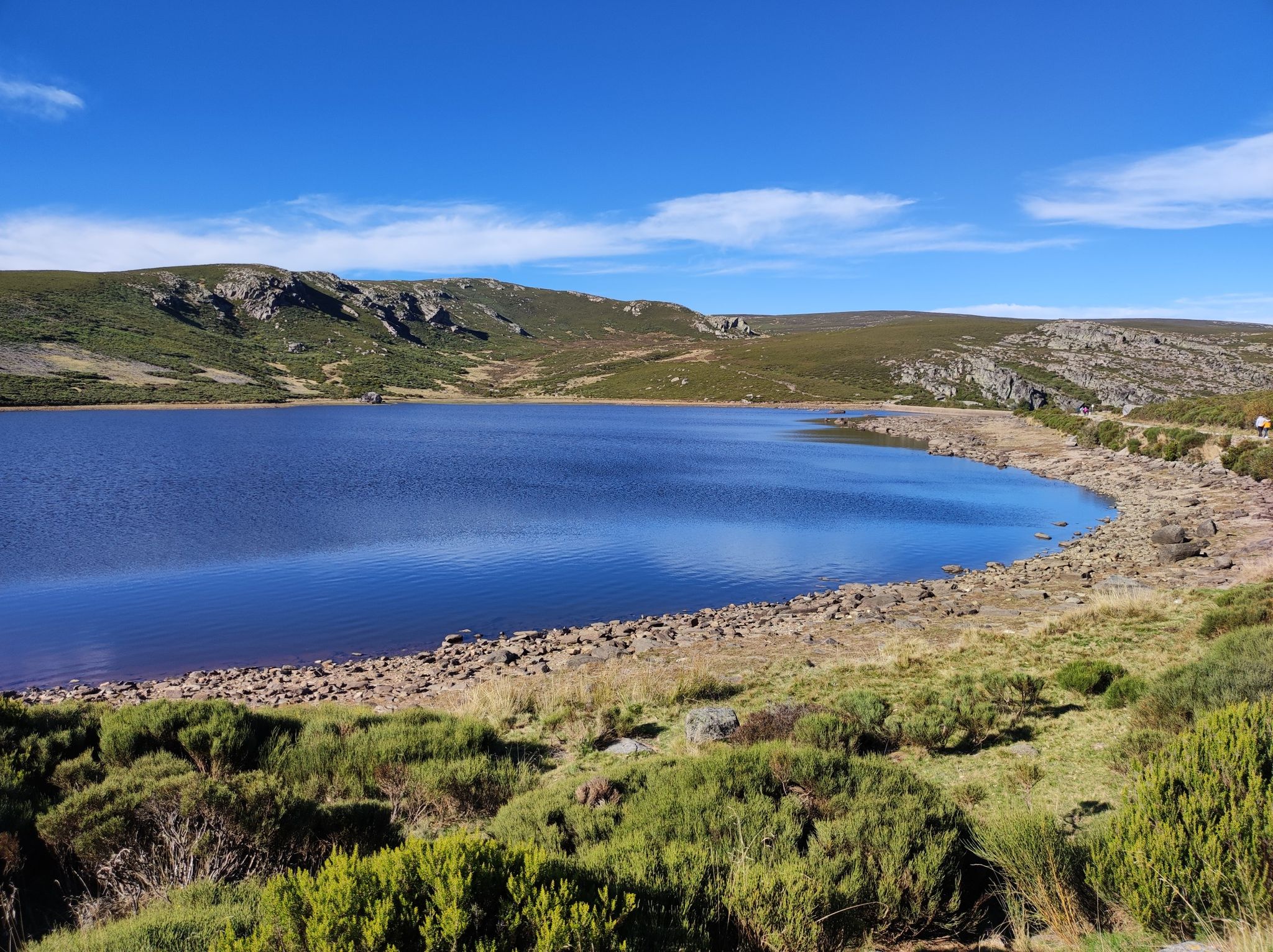
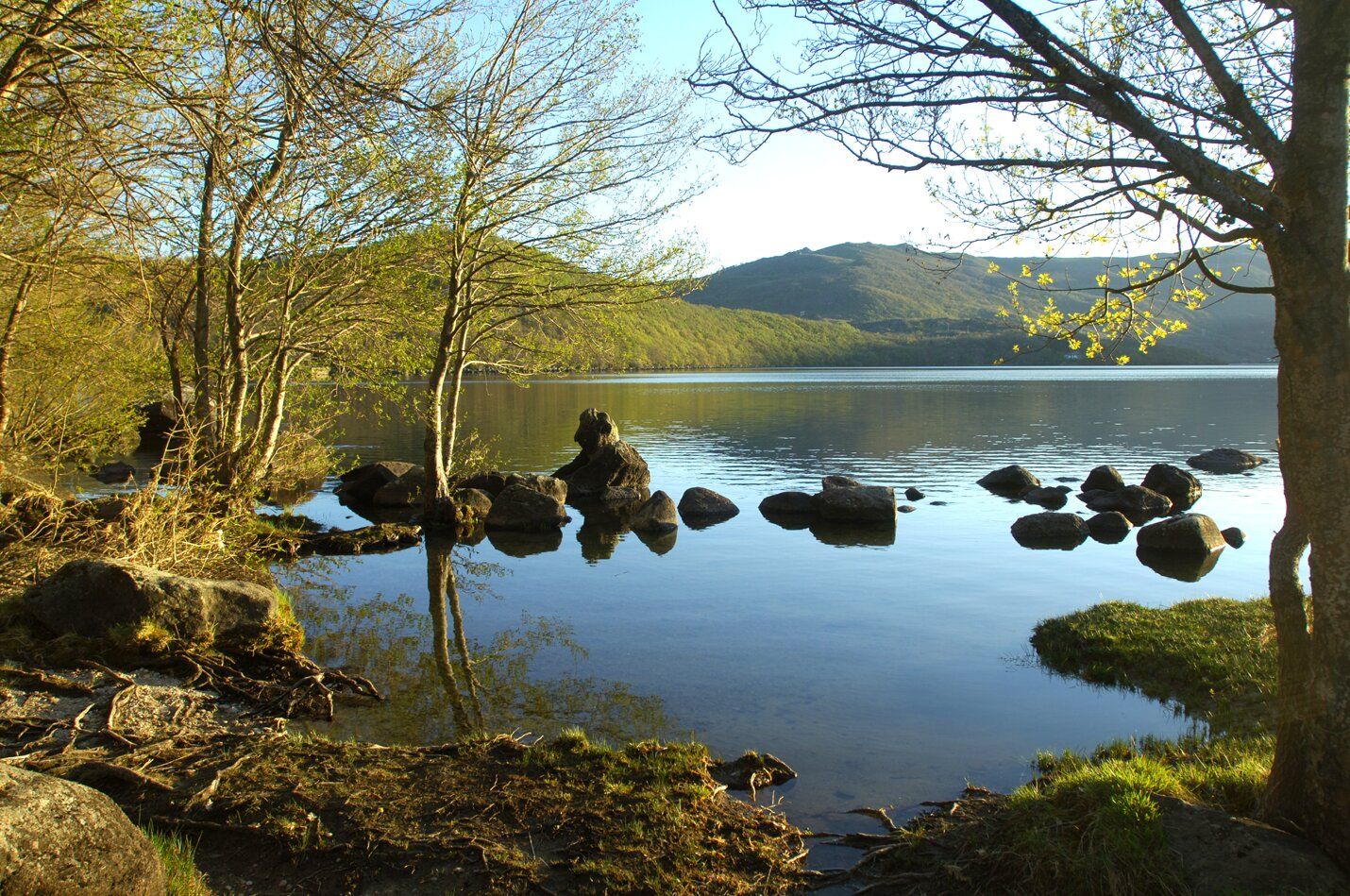
While the routes in this guide are primarily focused on the cycling experience, the broader Porto region is home to stunning natural features. You can explore areas with centuries-old olive groves and almond trees, or dramatic cliffs along the Douro Canyon. For specific natural highlights, consider visiting the Sotillo Waterfall or the serene Laguna de los Peces, which are nearby attractions.
Are there any waterfalls near the no traffic road cycling routes?
Yes, the region around Porto features several beautiful waterfalls. While not directly on every route, you can find highlights like the Sotillo Waterfall, Los Vados Waterfall, and Aguas Cernidas Waterfall in the wider area. These can be excellent detours or destinations for a post-ride exploration.
Is parking available near the starting points of these no traffic road cycling routes?
Parking availability varies by the specific starting point of each route. Generally, in less urbanized areas where many no traffic routes begin, you can often find roadside parking or designated small parking areas. For routes starting in smaller villages or near natural parks, look for public parking signs. It's always advisable to check the specific route details on komoot for recommended starting points and parking information.
How can I reach these no traffic road cycling routes using public transport?
Reaching the starting points of these specific no traffic road cycling routes by public transport can be challenging, as they often begin in more remote, less populated areas designed for minimal traffic. While Porto itself has good public transport, accessing the more distant, challenging routes might require a car or a combination of public transport and a short taxi ride. For coastal routes closer to the city, public transport options like trains or buses might be more feasible, especially if they allow bikes.
Are there cafes or places to stop for refreshments along these no traffic road cycling routes?
Given that these routes are designed to be traffic-free, they often pass through rural or natural landscapes where amenities might be sparse. However, many routes will pass through small villages or towns where you can find local cafes, bakeries, or small shops for refreshments. It's always a good idea to carry sufficient water and snacks, especially on longer routes like the Alto do Ladiairo and Hermisende Loop, and check the komoot route planner for points of interest along your chosen path.
Are these no traffic road cycling routes suitable for families?
The no traffic road cycling routes listed in this guide are classified as difficult due to their significant distance and elevation gain, making them generally less suitable for young children or families seeking a leisurely ride. For family-friendly, car-free cycling, consider the dedicated coastal cycle paths around Porto, such as those in Matosinhos or extending south towards Espinho, which offer flatter terrain and a safer environment for all ages.
Most popular attractions around Porto

Get inspired with the komoot mobile app


Explore more
Browse the best Road cycling routes in other regions.
