The best traffic-free bike rides around Pozo Alcón
47
riders
7
rides
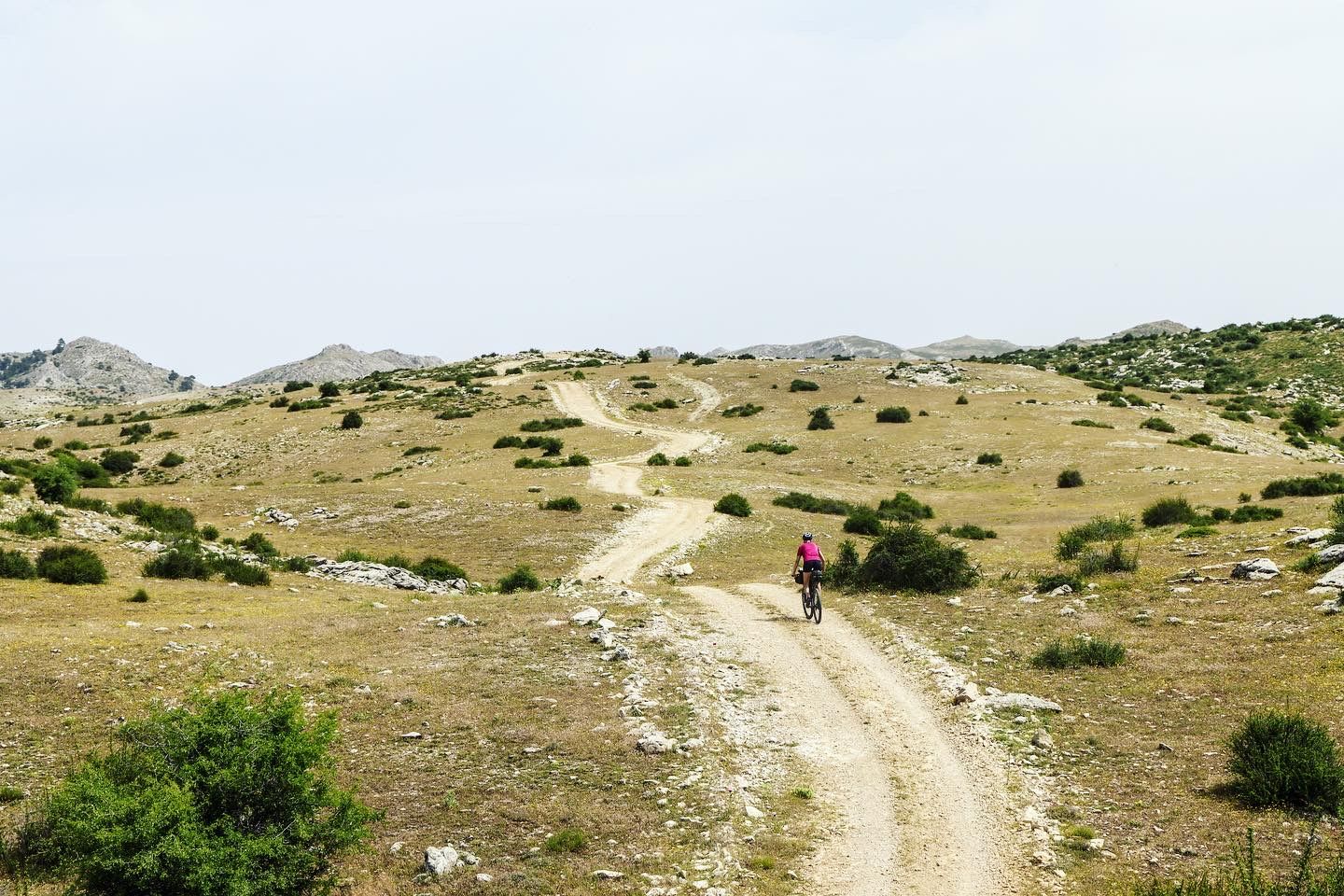
Gravel biking around Pozo Alcón offers diverse landscapes, from mountainous terrain and river valleys to unique "red desert" badlands and semi-desert areas. The region serves as a gateway to the Sierras de Cazorla, Segura y Las Villas Natural Park, which features an "orographic labyrinth" of valleys, gorges, and high-altitude plateaus. Cyclists can traverse extensive olive and almond groves, transitioning into dense pine forests as routes ascend into the mountains. The area provides a network of gravel paths suitable for various…
Last updated: May 5, 2026
18
riders
Hard gravel ride. Very good fitness required. Mostly paved surfaces. Suitable for all skill levels.
7
riders
66.0km
05:30
1,320m
1,320m
Hard gravel ride. Very good fitness required. Mostly paved surfaces. Suitable for all skill levels.

Sign up for free
8
riders
57.2km
04:11
920m
920m
Hard gravel ride. Very good fitness required. Mostly paved surfaces. Suitable for all skill levels.
5
riders
36.5km
02:45
620m
620m
Hard gravel ride. Very good fitness required. Mostly paved surfaces. Suitable for all skill levels.
8
riders
Hard gravel ride. Very good fitness required. Mostly paved surfaces. Suitable for all skill levels.
Get access to more routes and recommendations from other explorers.
Sign up for free
Already have an account?
Our route recommendations are based on thousands of hikes, rides, and runs completed by other people on komoot.
Start today with a free account
Your next adventure awaits.
Login or Signup


Other adventures around Pozo Alcón


Tips from the Community

The Guadahortuna River is an important waterway in the Granada region. The river rises in Montejícar and flows through several municipalities, including Alicún de Ortega, before finally flowing into the Guadiana Menor River. The name "Guadahortuna" means "River of Fortuna" and has its origins in Moorish times. The area served as a border area during the Middle Ages, where Christian troops drove out the Moors.
7
0
Small extended viewpoint with two benches and the coat of arms of Alicun de Ortega.
7
0
The church is now in a pitiful state. I could not find out whether this is permanent or whether they are going to restore it.
7
0
The church was built in the 16th century, during the Reconquista period. The church has undergone several restorations to preserve its original Mudéjar style and ensure its structural integrity. The church is built in the Mudéjar style, a unique combination of Islamic and Christian architecture typical of the region. The building has a basilica design with a single nave and a wooden ceiling (artesonado) typical of Mudéjar architecture. The interior is decorated with beautiful religious artwork and paintings that highlight the rich religious tradition of the church. The church is an important heritage site for Dehesas de Guadix and attracts visitors for its historical and architectural value.
7
0
Dehesas de Guadix is a small municipality. It is located in the northeast of the comarca of Los Montes and has an area of approximately 57 km²1. The municipality has approximately 426 inhabitants (2016). The history of Dehesas de Guadix goes back to the time of the Reconquista, when the kings of Spain reconquered the area from the Moors. The village was officially founded in the 15th century, when Don Diego Fernández de Iranzo received the land from the kings. One of the most remarkable features of Dehesas de Guadix is the troglodyte dwellings, which are typical of the region. These underground houses are built into the rocks and offer a unique glimpse into the traditional architecture of the area.
7
0
The coat of arms of Dehesas de Guadix is a beautiful symbol that represents the history and identity of the municipality. Here are some important elements of the coat of arms: The coat of arms is divided into three parts. First part: This part shows a mountain (monte) of sinople (green) with a house-cuve (a typical building in the region) of silver, matched with red (gules). Second part: This part shows three oliviers of sinople (green) on a field of gold (oro). Point part: This part shows wavy lines of silver and blue (azur). These elements combine natural and architectural features that are important to the region.
7
0
Beautiful striking landscape. Towards Dehesas de Guadix it starts to climb. After all we leave the valley of the Rio Fardes and drive to the valley of the rio Guadahortuna.
6
0

Frequently Asked Questions
How many no-traffic gravel bike trails are available around Pozo Alcón?
This guide features 7 dedicated no-traffic gravel bike trails around Pozo Alcón. These routes offer a variety of experiences, from challenging desert loops to scenic mountain climbs, all designed to keep you away from vehicular traffic.
What kind of landscapes can I expect on these gravel bike trails?
The no-traffic gravel bike trails around Pozo Alcón traverse incredibly diverse landscapes. You'll encounter unique "red desert" badlands, extensive olive and almond groves, dense pine forests as you ascend into the mountains, and the rugged terrain of the Sierras de Cazorla, Segura y Las Villas Natural Park. Some routes even lead to the vast, high-altitude limestone plateau of Campos de Hernán Perea.
Are there any easy, no-traffic gravel routes suitable for beginners or families?
While many routes in the area are quite challenging, Pozo Alcón does offer some easier options. For instance, the region is known for circular gravel paths that are less demanding. Look for routes with lower elevation gain if you're seeking a more relaxed ride.
What are some interesting natural attractions or landmarks I can see along these routes?
You can discover several natural wonders and landmarks. The Malena Waterfall and the Cave of the Virgin of Tíscar and Waterfall are notable highlights. The Bácor Cave Village and Rock Carving also offers a unique cultural stop. Additionally, the Embalse de la Bolera reservoir is a beautiful spot for a break.
What is the best time of year to go gravel biking in Pozo Alcón?
Spring and autumn are generally the best times for gravel biking in Pozo Alcón. The temperatures are milder, and the natural scenery is vibrant. Summers can be very hot, especially in the "red desert" areas, while winters, particularly on higher plateaus like Campos de Hernán Perea, can be very cold.
Are there any circular no-traffic gravel routes available?
Yes, many of the no-traffic gravel routes in Pozo Alcón are designed as loops, allowing you to start and finish at the same point. Examples include the challenging Gorafe Desert – Puntal de Don Diego Viewpoint loop from Playa de Freila or the Desert of Gorafe – Gravel Climb of Dreams loop from Haza del Reloj, which offers a significant climb.
What kind of fitness level is required for the no-traffic gravel trails?
The trails vary significantly in difficulty. While some easier circular paths exist, many routes, especially those venturing into the Sierras de Cazorla or the Gorafe Desert, are rated as difficult. These can involve significant climbing, with some routes featuring over 1,300 meters of ascent and distances up to 118 km, requiring a very good fitness level.
What type of tires are recommended for gravel biking in this region?
Given the varied terrain, which can include loose gravel, rocky sections, and potentially muddy areas, wide tires (50mm+) with good mud clearance are highly recommended for the more strenuous and technical routes. This will provide better grip and comfort.
Are there places to stay or eat near the gravel trails in Pozo Alcón?
Pozo Alcón and its surrounding villages offer various accommodation options, including hotels, guesthouses, and rural cottages. You'll also find local restaurants and cafes to refuel after your ride. For a unique experience, consider staying near one of the refuges like Collado Zamora Refuge or El Hornico Hostel and Nature Center, some of which are accessible from the trails.
Is public transport available to access the trailheads?
Public transport options directly to specific trailheads within the Sierras de Cazorla, Segura y Las Villas Natural Park can be limited. It's often more convenient to use a personal vehicle to reach starting points, especially for the more remote no-traffic gravel routes. Check local bus schedules for connections to Pozo Alcón itself from larger towns.
Are there any permits required for cycling in the Sierras de Cazorla Natural Park?
Generally, no specific permits are required for cycling on established trails and tracks within the Sierras de Cazorla, Segura y Las Villas Natural Park. However, it's always advisable to respect park regulations, stay on marked paths, and be aware of any temporary restrictions, especially during fire season or for protected areas.
Can I spot wildlife while gravel biking in Pozo Alcón?
Yes, the Sierras de Cazorla, Segura y Las Villas Natural Park is renowned for its rich wildlife. Keep an eye out for deer, wild boar, and various bird species, including raptors, especially in the quieter, no-traffic sections of the trails. Early mornings or late afternoons often provide the best opportunities for wildlife spotting.
Most popular attractions around Pozo Alcón

Get inspired with the komoot mobile app


