The best city hikes and walks around Auxerre
4.5
(1363)
6,141
hikers
31
hikes
Urban hiking trails around Auxerre offer a diverse landscape for exploration, characterized by the meandering River Yonne and the historic Canal du Nivernais. The city is set within a region of picturesque hilly terrain, with many routes providing views of vineyards and green spaces. The urban environment blends with natural features, including renovated quays and extensive forests in the broader Auxerrois area.
Best urban hiking trails around Auxerre
- The most popular urban hiking route is Coulée Verte Trail, a…
Last updated: July 16, 2026
4.8
(25)
50
hikers
10.1km
02:34
20m
20m
Hike the 6.3-mile Coulée Verte Trail, a moderate route with 73 feet of elevation gain, offering urban views and green spaces in Auxerre.
4.0
(1)
7
hikers
5.34km
01:24
40m
40m
Easy hike. Great for any fitness level. Easily-accessible paths. Suitable for all skill levels.

Sign up for free
4.7
(18)
123
hikers
6.24km
01:41
80m
80m
Easy hike. Great for any fitness level. Easily-accessible paths. Suitable for all skill levels.
4.5
(8)
70
hikers
9.64km
02:32
80m
80m
Moderate hike. Good fitness required. Easily-accessible paths. Suitable for all skill levels.
5.0
(1)
30
hikers
4.18km
01:04
10m
10m
Easy hike. Great for any fitness level. Easily-accessible paths. Suitable for all skill levels.
Get access to more routes and recommendations from other explorers.
Sign up for free
Already have an account?
Our route recommendations are based on thousands of hikes, rides, and runs completed by other people on komoot.
Start today with a free account
Your next adventure awaits.
Login or Signup



Tips from the Community

A simply stunning view of Auxerre and its magnificent cathedral, as well as the Vonne River with its many boats, and Auxerre with everything your heart desires. Plenty of places to rest and, of course, all sorts of restaurants.
1
0

There is no place for the waterway but rather for the coach, a means of transport to reach Paris by river and not a place to bring together women of easy virtue, although
0
1

The site is open from 10 a.m. and can be visited free of charge. There are deckchairs in the cloister for a shady and quiet break. The museums are worth a visit. You learn a lot about the history of the city, which dates back to at least the 5th century. You can see from the church that it has been rebuilt several times. The archaeological crypt, which is located under the forecourt of today's church, is very impressive. You should plan enough time for a visit. It took me almost two hours to get an initial overview. "The former abbey of Saint-Germain d'Auxerre is located north of the city center of Auxerre. Bishop Germanus of Auxerre founded it and provided his family's land outside the former city walls as well as land to ensure its existence. The first building of the monastery was a simple chapel. At the beginning of the 6th century, the Merovingian Queen Chrodechild, the wife of King Clovis I, had the chapel expanded into a basilica. Fires in the 11th and 12th centuries required extensive renovation work on the nave in the second half of the 12th century; Of the Romanesque double tower facade that was built, only the southern tower has been preserved. The monastery was partially destroyed by Huguenots in 1567, secularized in 1810 and partially demolished the following year. The nave was reduced to its Gothic parts, which were given a neo-Gothic façade in 1817: As a result of this measure, the remaining south tower now has no connection to the basilica. Today the Musée-Abbaye Saint-Germain is located on the site of the abbey. Musée d'Art et d'Histoire d'Auxerre." More about the history here: https://de.wikipedia.org/wiki/Saint-Germain_d%E2%80%99Auxerre
0
0

A magnificent view of Auxerre (especially the cathedral) on the Yonne river. Auxerre is the capital of the Yonne department, and there you will find many cafes, restaurants, shops and beautiful places along the river.
1
0
At the statue of the namesake Paul Bert you will find a small balcony from which you can enjoy the view of the old town in peace.
1
1
The site is open from 10 a.m. and can be visited free of charge. Deckchairs are available in the cloister for a shady and quiet break. The museums are worth a visit. You learn a lot about the history of the city, which dates back to at least the 5th century. The church shows that it has been rebuilt several times. The archaeological crypt located under the forecourt of today's church is very impressive. You should plan enough time for a visit. It took me almost two hours to get a first overview. "The former Abbey of Saint-Germain d'Auxerre is located north of the city center of Auxerre. Bishop Germanus of Auxerre founded it and provided his family with land outside the then city walls and lands to ensure its existence. The first building of the monastery was a simple chapel. At the beginning of the 6th century, the Merovingian Queen Chrodechild, the wife of King Clovis I, had the chapel converted into a basilica. Fires in the 11th and 12th centuries necessitated extensive renovations to the nave in the second half of the 12th century; Only the southern tower of the Romanesque double-tower facade that was erected at the time has survived. The monastery was partially destroyed by Huguenots in 1567, secularized in 1810 and partially demolished the following year. The nave was reduced to its Gothic parts, which were given a neo-Gothic facade in 1817: the preserved south tower is now not connected to the basilica as a result of this measure. The Musée-Abbaye Saint-Germain is now on the site of the abbey. Musée d'Art et d'Histoire d'Auxerre." More about the story here: https://de.wikipedia.org/wiki/Saint-Germain_d%E2%80%99Auxerre
1
0
The cathedral is open for tours during the day and this is not to be missed! It is a major work of French Gothic architecture and impresses with its high, light-flooded vaults and colorful windows. "The cathedral is located in the center of the old town on a hill above the Yonne. Saint-Étienne was begun in 1215. Today's Gothic cathedral is the fifth building on this site. In 1567 the Huguenots sacked the city and the cathedral, which necessitated repairs, particularly to the choir glazing. The French Revolution caused countless damage to the building and its furnishings. The goldsmith's work was melted down, the church was transformed into a temple of reason, and the important statue of the suffering Stephen on the high altar only escaped destruction because it was turned into a suffering Marat in the bath. In 1840 Prosper Mérimée placed the cathedral under monument protection. Extensive restoration work took place throughout the 19th century." Much more about the history here: https://de.wikipedia.org/wiki/Kathedrale_von_Auxerre
2
0
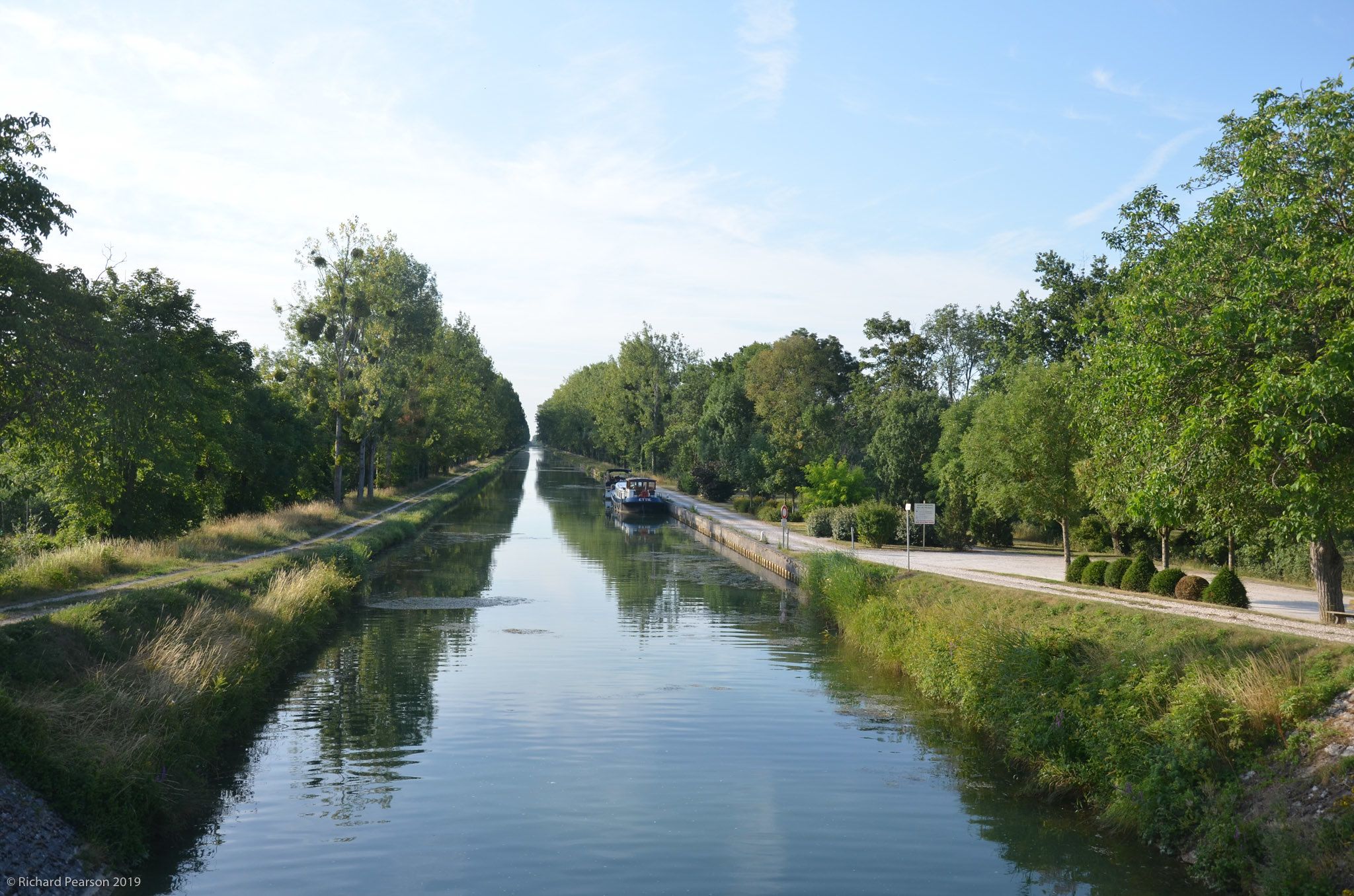
The Bartardeau lock on the Nivermais canal, near the pleasure island (L'Île aux Plaisirs). Here you will find many old photos of the lock system with explanations.
1
0
Frequently Asked Questions
How many urban hiking trails are available in Auxerre?
Auxerre offers a wide variety of urban hiking experiences. On komoot, you'll find over 30 routes, ranging from easy strolls through the city to more moderate paths exploring its green spaces and riverbanks. This includes 23 easy routes and 9 moderate routes, ensuring there's something for every fitness level.
Are there any easy urban hikes suitable for families or beginners in Auxerre?
Yes, Auxerre is very welcoming for families and beginners. Many of the urban trails are designed to be easy and accessible. For instance, the Around Auxerre — loop is an easy option, perfect for a relaxed outing. These routes often stick to paved paths or well-maintained green corridors, making them enjoyable for all ages.
What kind of landscapes can I expect on urban hikes in Auxerre?
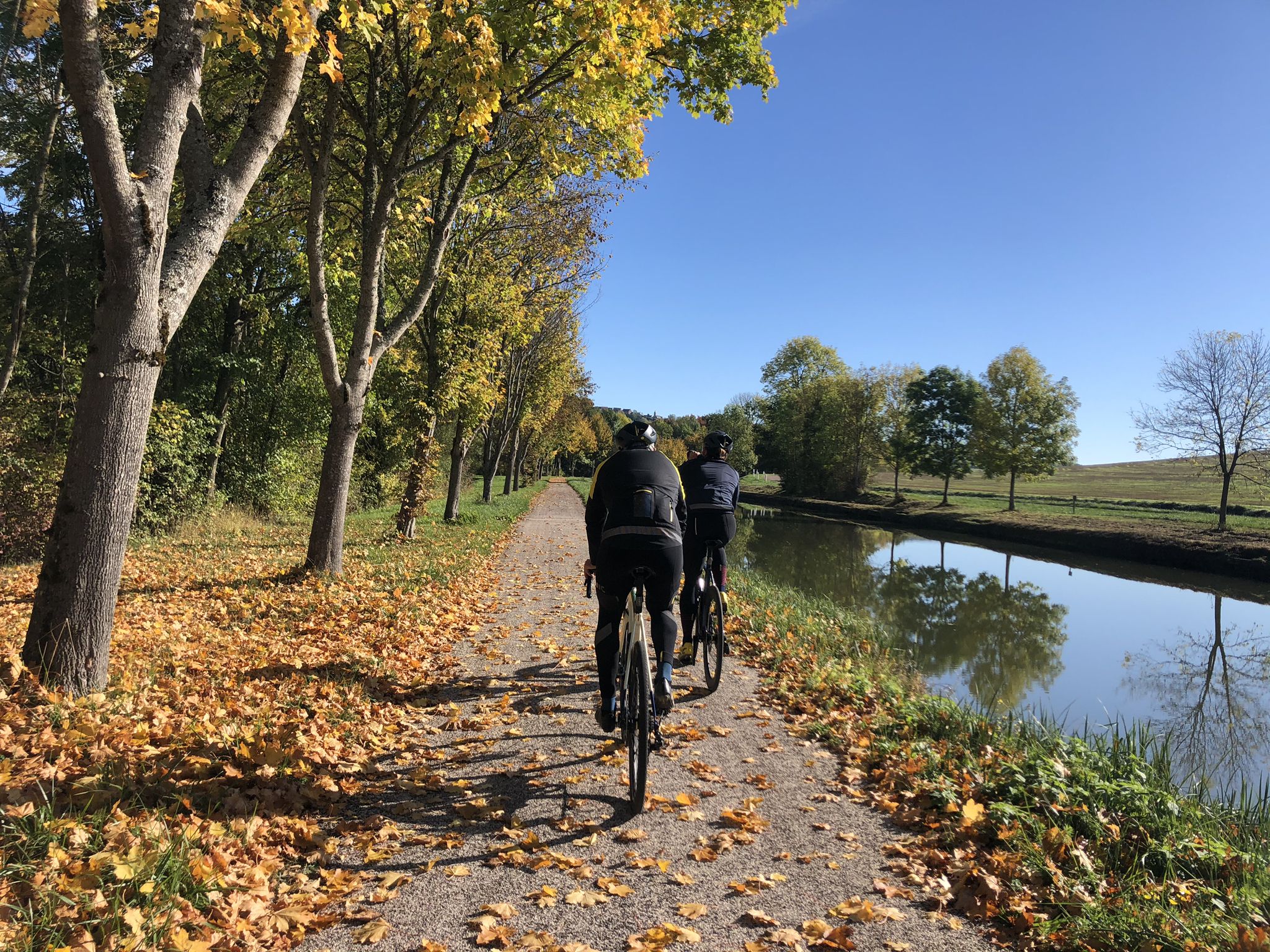
Urban hikes in Auxerre offer a delightful mix of historical charm and natural beauty. You'll find trails that wind through the city's medieval heart, along the recently renovated quays of the River Yonne, and beside the scenic Canal du Nivernais. Many routes also venture into green spaces like the Arboretum Park or follow the Coulée Verte Trail, an old railway line transformed into a green corridor.
Are there any circular urban walks in Auxerre?
Absolutely! Many of Auxerre's urban trails are designed as circular routes, allowing you to start and end at the same point without retracing your steps. Examples include the Around Auxerre — loop and the Clock Tower – Abbaye Saint-Germain loop from Auxerre, which are great for exploring the city's highlights.
What interesting landmarks or attractions can I see along the urban hiking trails?
Auxerre's urban hikes are rich with historical and natural sights. You can explore the city's medieval houses, cobbled streets, and iconic landmarks such as the Saint-Étienne Cathedral of Auxerre, the Abbey of Saint-Germain, and the Clock Tower. The Abbaye Saint-Germain – Clock Tower loop from Auxerre is a great way to see many of these. You might also encounter the Place Surugue and Cadet Roussel Fountain, or cross the Paul Bert Bridge over the Yonne River.
Are urban hikes in Auxerre dog-friendly?
Many urban trails in Auxerre are suitable for walking with dogs, especially those that follow riverbanks, greenways, or less crowded city paths. It's always recommended to keep your dog on a leash, especially in busy areas or near wildlife, and to respect local regulations regarding pets in public spaces. The Coulée Verte is generally a good option for walks with your canine companion.
Is public transport available to access urban hiking trails in Auxerre?
Auxerre has a well-developed public transport network that can help you reach various starting points for urban hikes. The city's central location means many trails are accessible directly from the city center, which is well-served by buses. For routes slightly further afield, local bus services can often provide convenient access.
Where can I find parking for urban hikes in Auxerre?
Auxerre offers several public parking options throughout the city, including underground car parks and street parking, particularly around the city center and near major attractions. Many urban trails start directly from accessible points within the city, making it easy to find a convenient spot to park your car before heading out.
What is the best time of year for urban hiking in Auxerre?
The best time for urban hiking in Auxerre is generally from spring to autumn (April to October). During these months, the weather is pleasant, the city's parks and riverbanks are vibrant, and outdoor cafes are open. Spring brings blooming flowers, while autumn offers beautiful foliage along the Yonne River and in the surrounding vineyards. Even winter can be charming for a crisp walk through the historic streets.
What do other hikers enjoy most about urban hiking in Auxerre?
The komoot community highly rates urban hiking in Auxerre, with an average score of 4.5 stars. Reviewers often praise the seamless blend of historical architecture with accessible natural environments, highlighting the picturesque river walks, the charm of the old town, and the well-maintained green corridors like the Coulée Verte. The variety of easy, circular routes is also frequently mentioned as a major plus.
Are there any urban hikes that offer good viewpoints in Auxerre?
While Auxerre itself is relatively flat along the river, some urban routes, particularly those that climb slightly into the older parts of the city or along its periphery, can offer charming views. The elevated areas around the Saint-Étienne Cathedral and the Abbey of Saint-Germain provide glimpses over the rooftops and the Yonne River. For more expansive views, you might explore routes that lead to the surrounding hilly landscapes and vineyards, though these might be slightly outside the immediate urban core.
Most popular routes around Auxerre
Most popular attractions around Auxerre

Get inspired with the komoot mobile app


Didn’t find what you were looking for?
Check out more Hikes throughout Auxerre below and find the perfect route in your destination.
Explore more
Browse the best Hikes in other regions.
