The best hikes from bus stations around Rochefort
4.5
(2708)
24,576
hikers
491
hikes
Bus station hiking trails around Rochefort traverse the diverse landscapes of Belgium's Ardennes region. The area is characterized by lush forests, rolling hills, and varied topography, including river valleys carved by the Lomme and Lesse rivers. The region is part of the Famenne-Ardenne UNESCO Global Geopark, featuring dramatic limestone hills and geological formations. Hikers can explore a comprehensive network of marked trails, offering public transport access hikes Rochefort.
Best bus station hiking trails around Rochefort
- The most popular bus station…
Last updated: August 26, 2026
4.5
(10)
47
hikers
15.6km
03:58
40m
40m
Moderate hike. Good fitness required. Easily-accessible paths. Suitable for all skill levels.
4.6
(8)
43
hikers
18.4km
04:40
30m
30m
Moderate hike. Good fitness required. Easily-accessible paths. Suitable for all skill levels.

Sign up for free
5.0
(1)
11
hikers
10.8km
02:44
20m
20m
Moderate hike. Good fitness required. Easily-accessible paths. Suitable for all skill levels.
4.5
(32)
186
hikers
12.8km
03:15
30m
30m
Moderate hike. Good fitness required. Easily-accessible paths. Suitable for all skill levels.
4.6
(25)
253
hikers
Moderate hike. Good fitness required. Easily-accessible paths. Suitable for all skill levels.
Get access to more routes and recommendations from other explorers.
Sign up for free
Already have an account?
Our route recommendations are based on thousands of hikes, rides, and runs completed by other people on komoot.
Start today with a free account
Your next adventure awaits.
Login or Signup
Popular around Rochefort
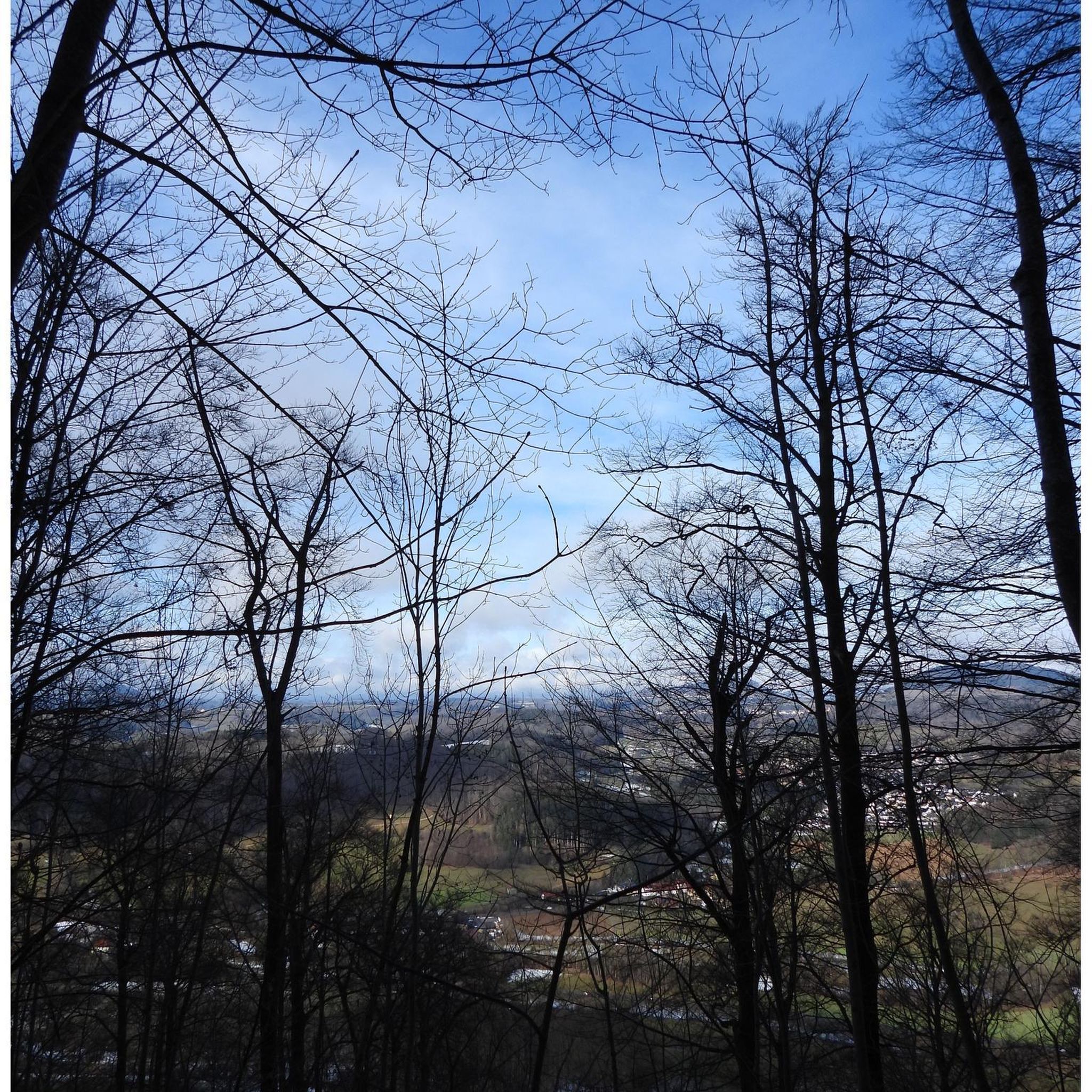
Hikes from bus stations in Réserve Naturelle Du Marais D'Yves

Hikes from bus stations in Forêt Des Combots D'Ansoine
Hikes from bus stations around Forêt domaniale de la Coubre
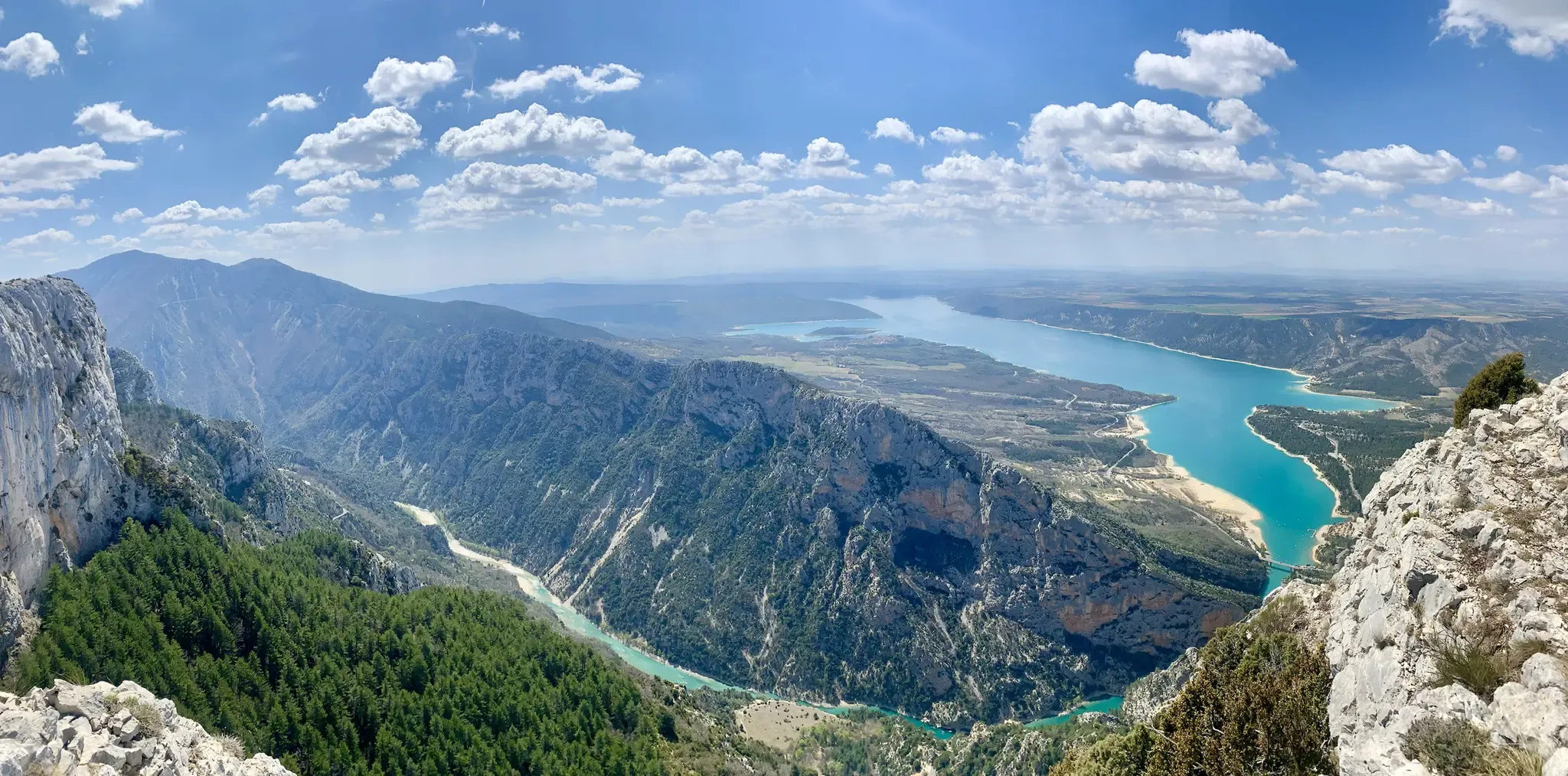
GR 4 – Crossing the south of France from Atlantic Coast to Provence
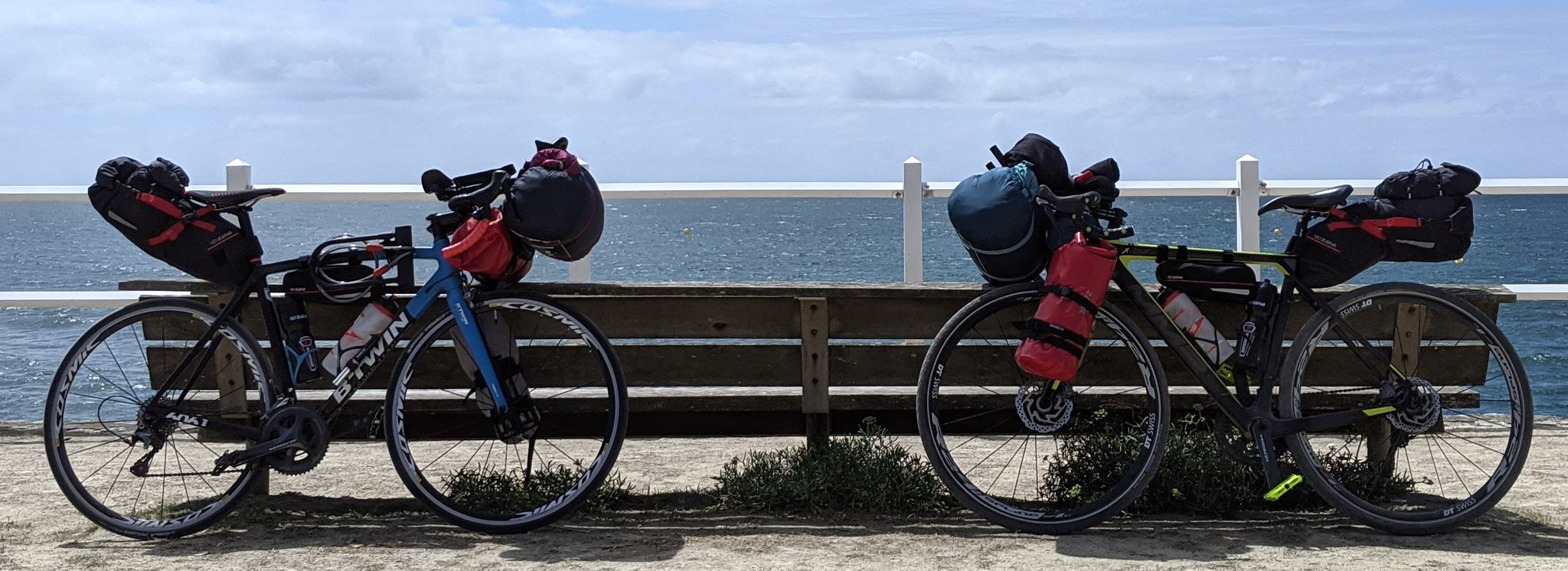
La Vélodyssée — From north to south via the ocean
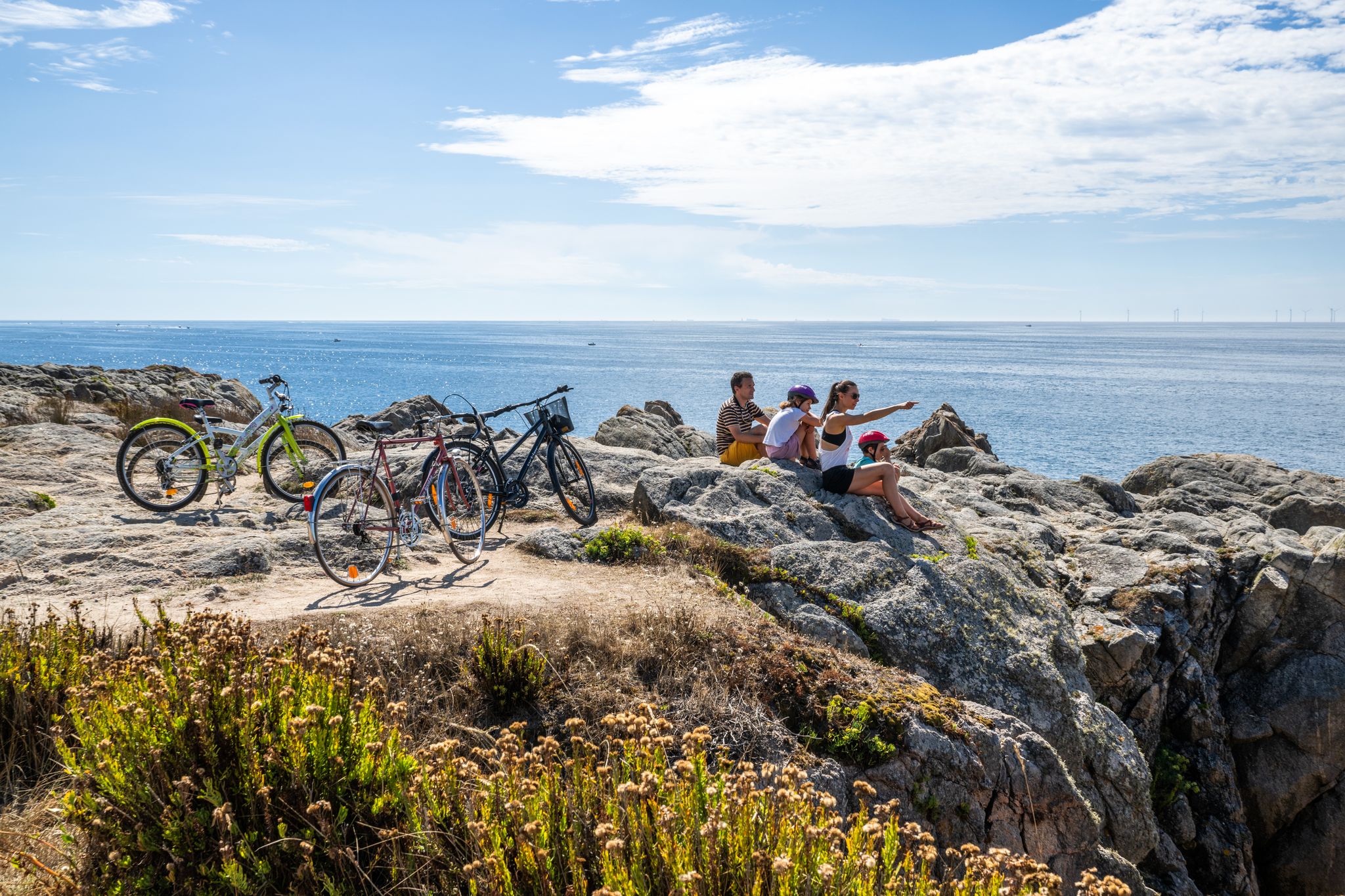
French Atlantic coast – 9 bike Tours from La Baule to Saint-Jean-de-Luz
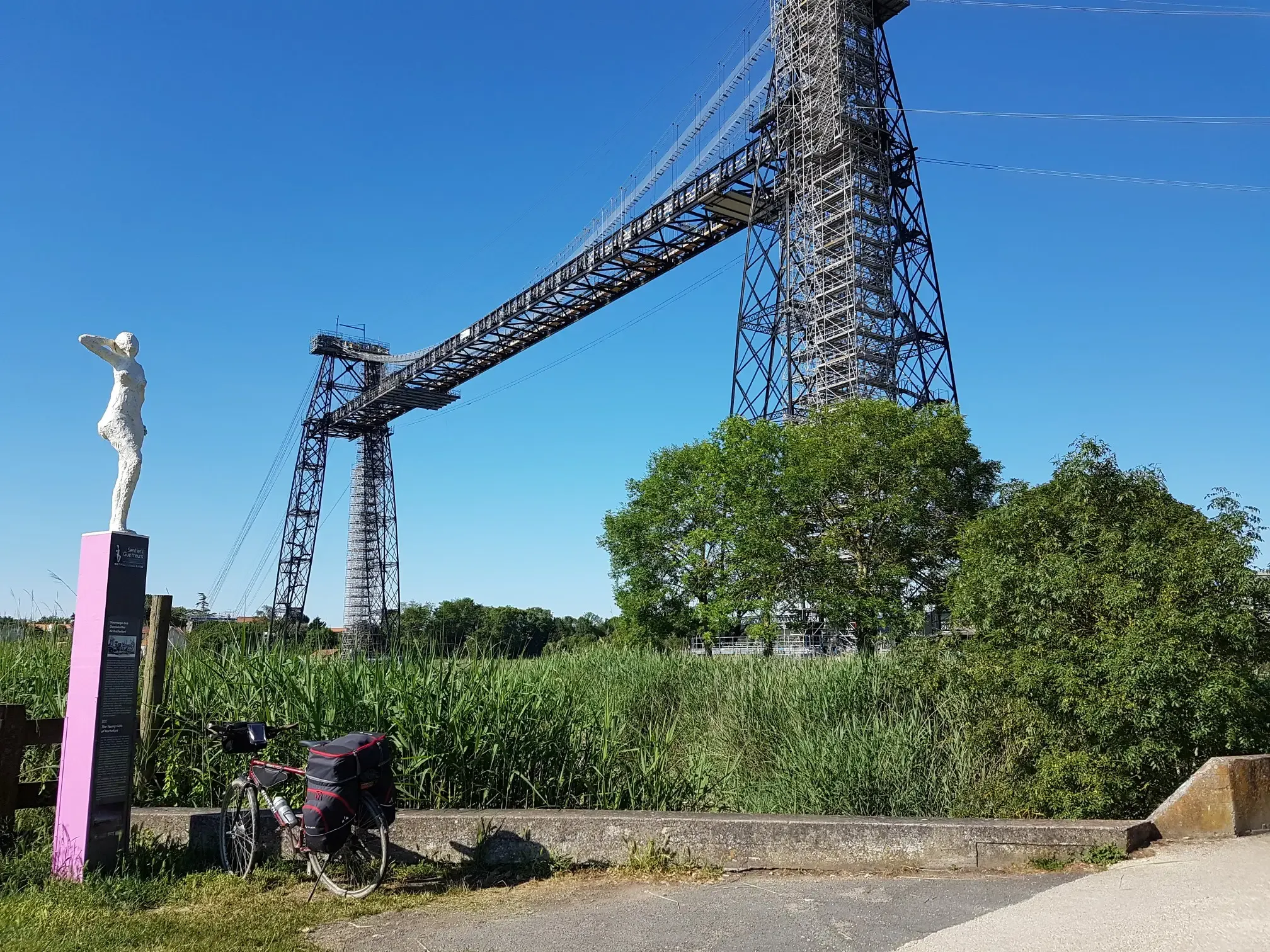
From the marshes to the Charente – a ride in the south of Aunis
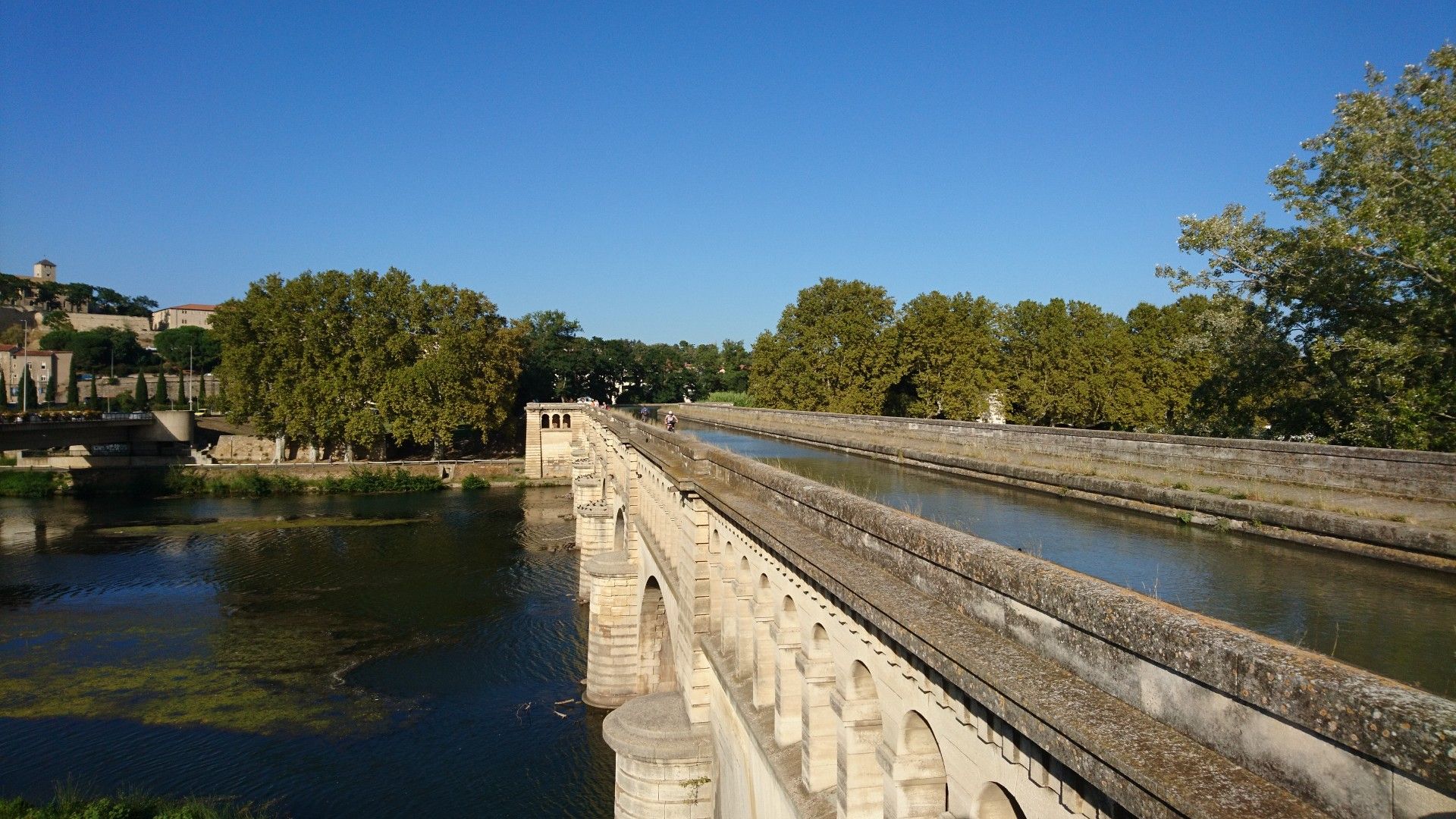
A river adventure – Canal des Deux Mers by bike
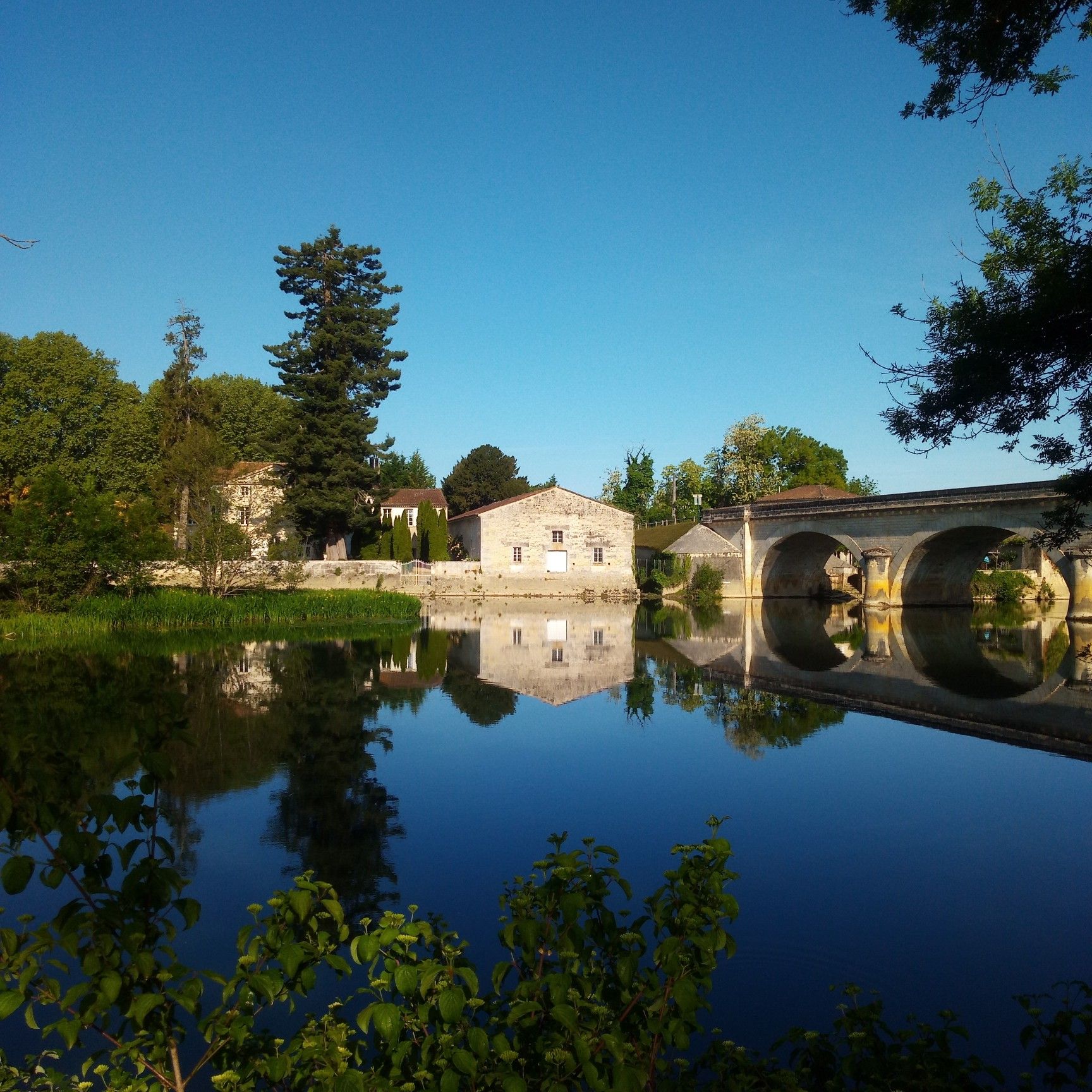
The Flow Vélo – a route that transports you
Other adventures around Rochefort


Tips from the Community


🏰 Interior visit Entering Cordouan means discovering a unique place, halfway between a royal monument and a maritime structure. Here are the main stages of the visit 👇 🚪 1. The base and the guardroom As soon as you enter (accessible at low tide), you step into a massive stone base - Very thick walls to withstand storms - Old technical and storage rooms - Austere atmosphere, typical of a defensive structure at sea ⛪ 2. The royal chapel This is the symbolic heart of the lighthouse, absolutely remarkable. - Dedicated to Notre-Dame de Cordouan - Decorated with marble, sculptures, and elegant vaults - Designed to resemble a palace chapel 👉 This is what gives the lighthouse its nickname "Versailles of the sea". 👑 3. The king's apartments Above the chapel are rooms intended to accommodate the king (even though he never came). - Vaulted and decorated rooms - Fireplaces and period elements - Later used by the lighthouse keepers 🌀 4. The monumental staircase - Approximately 300 steps - Spiral stone staircase - Natural light through narrow openings 👉 The climb is gradual, with several landings allowing you to discover the successive levels. 💡 5. The lantern room You then arrive at the technical part of the lighthouse: - Modern lighting system - Old Fresnel lens (major historical element) - Mechanisms that have evolved over the centuries 🌊 6. The exterior balcony At the top: - Spectacular 360° view of the Gironde estuary and the Atlantic Ocean - Unique sensation of being isolated in the open sea 🧭 What makes the visit unique - Rare blend of royal luxury and maritime engineering - Monument still in operation - Access dependent on tides and weather - Feeling of total isolation, especially at high tide 💡 Tip: The visit usually includes a boat trip from Royan or Le Verdon. You should bring suitable shoes (damp and sometimes slippery ground).
0
0
🏰 Historic The Cordouan lighthouse, located at the entrance to the Gironde estuary, is one of France's most remarkable maritime monuments. Nicknamed "the king of lighthouses" or "the Versailles of the sea," it has a unique history of over 400 years. ⚓ Origins (14th – 16th century) As early as the 14th century, a first rudimentary fire tower existed on the Cordouan plateau to signal dangers to sailors. The estuary was then very dangerous, with numerous shipwrecks, which threatened trade towards Bordeaux. 👑 Construction of the royal lighthouse (1584 – 1611) The current construction began in 1584 under the reign of Henry III, then continued under Henry IV. Architect Louis de Foix designed an exceptional building: * both a lighthouse and a royal prestige monument * richly decorated (chapel, sculptures, apartments) It was completed and lit in 1611. 👉 At that time, it was considered an architectural marvel, sometimes compared to the lighthouse of Alexandria. 🔬 Evolutions and modernization (18th – 19th century) Between 1788 and 1790, engineer Joseph Teulère raised the lighthouse by about 20 meters to improve its visibility. In 1823, the Fresnel lens was installed, a major innovation that revolutionized lighthouse lighting worldwide. 🏛️ Heritage recognition Classified as a historic monument as early as 1862, among the very first in France. Still in operation, it is the oldest French lighthouse still in service. Listed as a UNESCO World Heritage site in 2021, as a masterpiece of maritime architecture. ⚙️ Contemporary era The lighthouse was automated in 2006, but remains maintained and monitored by teams. It is now visited in season and is a major tourist site on the Charente and Gironde coast.
0
0
The Platin beach, located in Saint-Palais-sur-Mer, is one of the most characteristic coastal sites in the region, both for its landscape and its history. 🌊 A site shaped by the sea The Platin beach is distinguished by its limestone cliffs and small coves. This coastline belongs to the Côte Nord de Beauté, between Royan and La Palmyre. The word “Platin” comes from the local dialect and refers to a rocky plateau exposed at low tide. For millennia, marine erosion has sculpted these rocks, creating caves, overhangs, and typical reliefs. 🐟 A traditional activity: fishing and fishing huts As along the entire Charente coast: - Locals practiced shore fishing (shellfish, crustaceans). - Carrelets (fishing huts on stilts) were installed on the rocks or cliffs, emblems of the local landscape. - These structures have now become a heritage and tourist feature. 🪖 A site marked by the Second World War During the Second World War: - The coastline, including the Platin, was integrated into the Atlantic Wall built by the German army. - Bunkers and defensive structures were established on the heights to monitor the Gironde estuary. - Some remains are still visible today, integrated into the landscape. 🏖️ Tourist boom From the end of the 19th century and especially in the 20th century, Saint-Palais-sur-Mer became a popular seaside resort. The Platin beach attracts visitors for: - its wilder setting than the large beaches, - its rocks and coves, - its view of the estuary. Today, it is appreciated for swimming, walking, and photography. 🌿 Today: a natural and heritage site The Platin beach is recognized for: - its preserved environment, - its remarkable geology, - its blend of history and nature. It is one of the emblematic places on the Charente coast, between maritime heritage and historical memory.
0
0
The carrelets of Saint-Palais-sur-Mer are among the most emblematic elements of the Charente coastline. Their history blends traditional fishing, tourist development, and local heritage. 🐟 Origin of the carrelets Originally, the word "carrelet" referred to a square fishing net used since the 17th century. A precise description can be found as early as 1769, in the writings of the scholar Henri-Louis Duhamel du Monceau, who mentioned this type of fishing on the Saintonge coast. 👉 At that time, these were not yet the current huts, but simply a net operated from rudimentary structures. ⚓ Artisanal fishing structures The first local carrelets were simple wooden platforms, built by the fishermen themselves to stand above the water. They were mainly used to catch shrimp, fish, and crabs near the shore, without going out to sea. 👉 It was a family and coastal fishery, less dangerous than sea fishing. 🏖️ 19th – early 20th century: transition to a leisure activity At the turn of the 20th century, with the rise of seaside resorts like Saint-Palais, the carrelets evolved. Holidaymakers and notable figures adopted this practice: construction of fixed jetties, appearance of huts on stilts. The carrelets then became places for relaxation as much as for fishing. 👉 They already contributed to the postcard image of the coast. 🪵 After 1945: democratization and multiplication After the Second World War, the number of carrelets increased sharply. They became a symbol of popular leisure and conviviality. The transition was gradually made from a means of subsistence to a recreational activity. 🌊 Storms and reconstruction The carrelets are fragile in the face of storms: 1999: massive destruction (up to 90% in some areas) 2010 (Xynthia storm): new damage Many have been rebuilt identically, respecting tradition. 🏛️ Today: protected heritage In Charente-Maritime, there are about 400 carrelets. They are: integrated into the public maritime domain allocated by administrative authorization (often renewed every 5 years) Since 2018, they have been recognized as cultural heritage of the department. 👉 In Saint-Palais, they can be observed in particular: at Pont du Diable at the conche du Concié at the Puits de l’Auture
0
0
network lmlg tr
0
0

Walk-in lighthouse with website for reservations. https://www.chassiron.net/
1
0
The fish lock erected here is a model to illustrate its operation. Today, 17 locks are still in operation along the coasts of the islands of Oléron.
1
0
Frequently Asked Questions
How many bus station hiking trails are available around Rochefort?
There are over 420 hiking routes accessible from bus stations around Rochefort. These trails offer a wide range of experiences, from easy strolls to more challenging excursions through the diverse landscapes of the Ardennes.
What kind of terrain can I expect on bus station hikes in Rochefort?
Rochefort's bus station hikes offer incredibly diverse terrain. You can expect lush forests, rolling hills, and even some rugged areas, particularly in the Lesse Valley. The region is part of the Parc Naturel des Deux Ourthes, providing scenic routes through varied landscapes suitable for all skill levels.
Are there easy or beginner-friendly hiking options accessible from Rochefort's bus stations?
Yes, Rochefort caters to all experience levels. Over 220 of the bus station accessible routes are rated as easy. Many of these are part of the region's comprehensive system of marked trails, including loop walks ranging from 2.5 to 14 km, perfect for leisurely family walks or beginners.
Can I find circular routes starting near Rochefort's bus stations?
Absolutely. The Rochefort region is known for its extensive network of marked trails, including many loop walks. These circular routes allow you to start and finish your hike conveniently at the same point, often near public transport hubs. For example, the Aigrefeuille d'Aunis – loop is a moderate option that offers a complete circuit.
Are there family-friendly hiking trails accessible from Rochefort's bus stations?
Yes, many trails are suitable for families. Rochefort offers gentle, meandering paths through forests and countryside that are perfect for all ages. The region's 30 loop walks, with various starting points, include many options that are ideal for family outings, allowing for nature immersion without overly strenuous climbs.
What natural attractions or viewpoints can I discover on bus station hikes in Rochefort?
Hiking from Rochefort's bus stations can lead you to several natural wonders. You might encounter stunning vistas along the Lesse Valley, with opportunities to see cascading waterfalls and ancient rock formations. The View of the estuary and white cliffs at Parc de l'Estuaire offers a beautiful viewpoint. Additionally, the region features mysterious caves, such as those near Goyet, which can be explored via clearly marked paths.
Are there any historical or cultural landmarks along the bus station hiking routes?
Yes, the area around Rochefort is rich in history. You can find several historical landmarks and castles within reach of hiking trails. Notable examples include the impressive Château-d'Oléron Citadel, Brouage Citadel, and Fort de Fouras. These sites offer a glimpse into the region's past and make for interesting stops during your hike.
What is the best time of year to go hiking from Rochefort's bus stations?
Rochefort is beautiful year-round, but spring and autumn are often considered ideal for hiking. Spring brings lush greenery and blooming flora, while autumn offers stunning fall colors. Summer is also popular, though trails can be busier. Winter hikes are possible, especially on lower elevation paths, but require appropriate gear and checking local conditions.
Are there places to eat or stay near the bus station and hiking trails in Rochefort?
Rochefort, as a town, offers various amenities. You'll find cafes, restaurants, and accommodation options within the town center, often a short walk from the main bus station. Many villages that serve as starting points for the 30 loop walks also have local establishments where you can refuel or find a place to stay.
How long do the bus station hikes typically take?
The duration of hikes from Rochefort's bus stations varies significantly. You can find shorter loop walks of 2.5 km that might take an hour or two, up to longer, more technical circuits. For example, the Forêt des Saumonards – loop on L'ile d'Oléron is a moderate 15.6 km route that typically takes around 4 hours. Always check the route details for estimated duration.
What do other hikers enjoy most about hiking in Rochefort?
The area is highly rated by the komoot community, with an average score of 4.5 stars. Reviewers often praise the region's diverse landscapes, from tranquil forests to the scenic Lesse Valley, and the well-marked network of trails. The opportunity for nature immersion and the variety of routes catering to all skill levels are frequently highlighted as key attractions.
Most popular routes around Rochefort
Most popular attractions around Rochefort

Get inspired with the komoot mobile app


Didn’t find what you were looking for?
Check out more Hikes throughout Rochefort below and find the perfect route in your destination.
Explore more
Browse the best Hikes in other regions.
