The best city hikes and walks around Saint-Jean-De-Maurienne
4.6
(4966)
52,755
hikers
3
hikes
Urban hiking trails around Saint-Jean-De-Maurienne offer a diverse range of landscapes within and near the city. The area features a mix of urban paths, riverside routes, and trails that ascend gently into the surrounding hills, providing views of the Maurienne Valley. Terrain includes paved sections, compacted earth paths, and some moderate inclines. These routes allow for exploration of both the town's features and its immediate natural surroundings.
Best urban hiking trails around Saint-Jean-De-Maurienne
- The most popular urban hiking route is…
Last updated: May 5, 2026
4.6
(11)
72
hikers
3.75km
01:00
40m
40m
Easy hike. Great for any fitness level. Easily-accessible paths. Suitable for all skill levels.
12
hikers
2.54km
00:40
20m
20m
Easy hike. Great for any fitness level. Easily-accessible paths. Suitable for all skill levels.

Sign up for free
9
hikers
Easy hike. Great for any fitness level. Easily-accessible paths. Suitable for all skill levels.
5.0
(1)
12
hikers
7.86km
02:04
70m
70m
Moderate hike. Good fitness required. Easily-accessible paths. Suitable for all skill levels.
5.0
(1)
3
hikers
Moderate hike. Good fitness required. Easily-accessible paths. Suitable for all skill levels.
Our route recommendations are based on thousands of hikes, rides, and runs completed by other people on komoot.
Start today with a free account
Your next adventure awaits.
Login or Signup
Popular around Saint-Jean-De-Maurienne
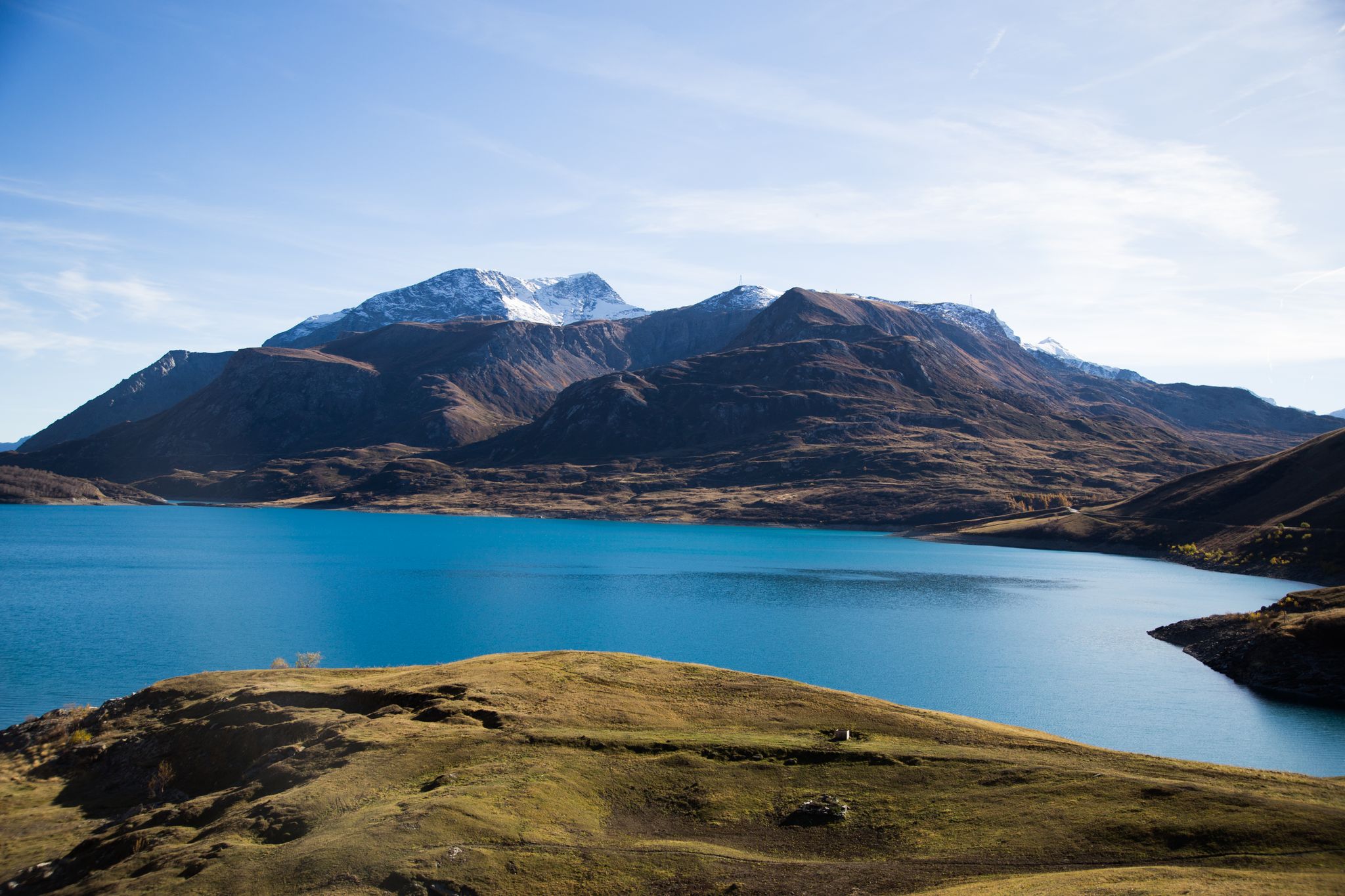
Historic and spiritual trails in the province of Torino
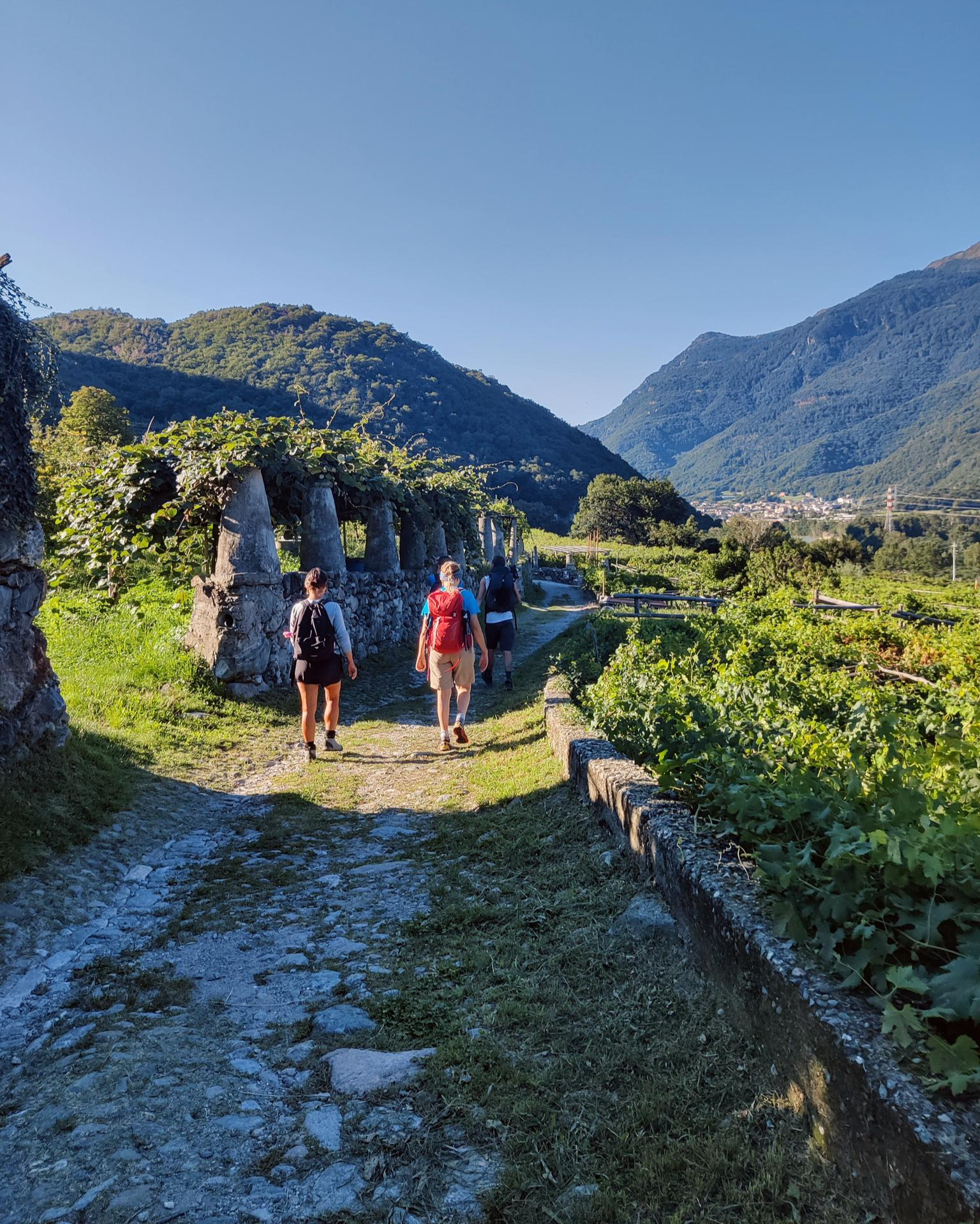
Piemont's Via Francigena
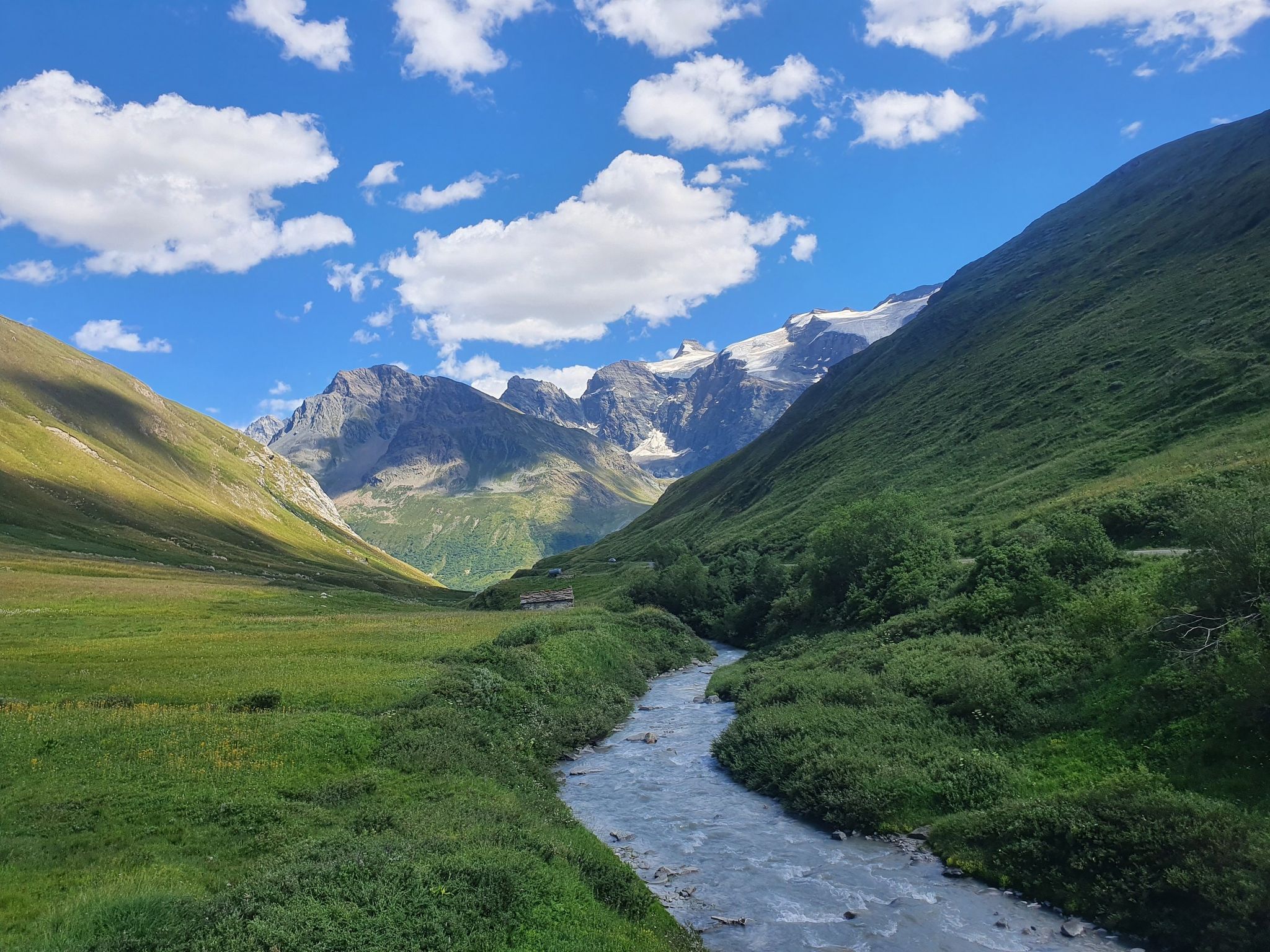
Europe Trail (GR 5) – Hike from Briançon to Landry
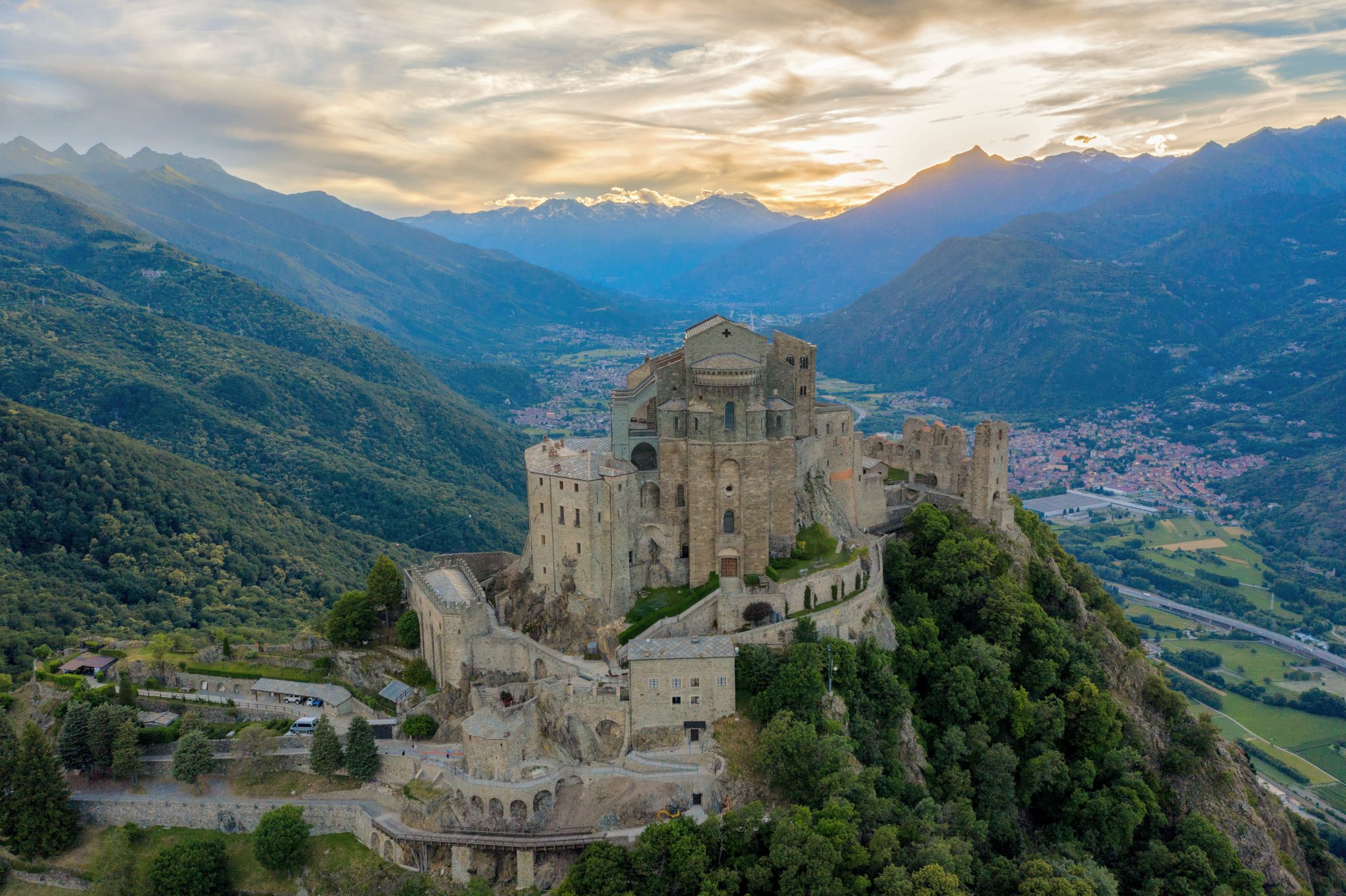
Via Francigena in Valle di Susa – complete route and 'for all' section
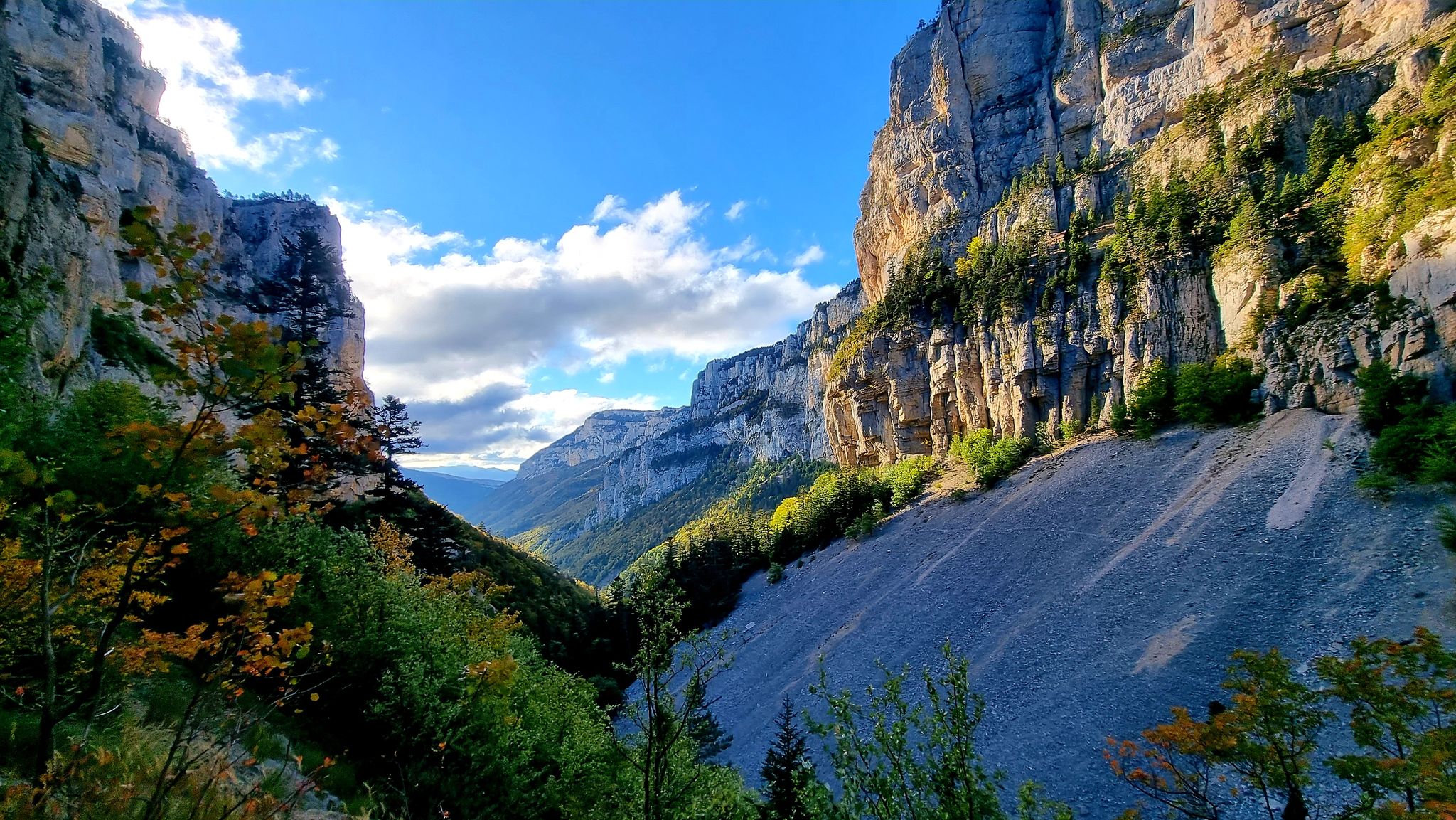
Écrins, Belledonne and Vercors – HexaTrek, Hautes-Alpes
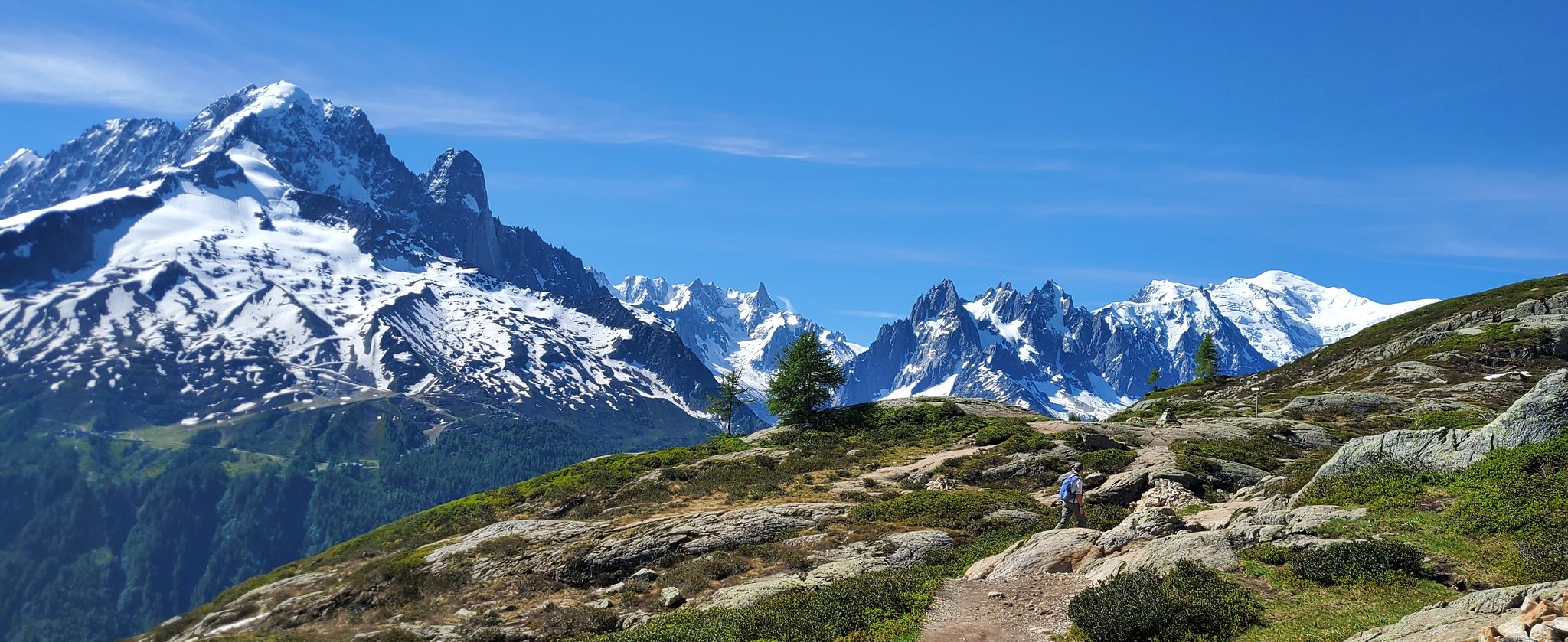
Hike from Savoie to Vanoise – Hexatrek in France’s Northern Alps
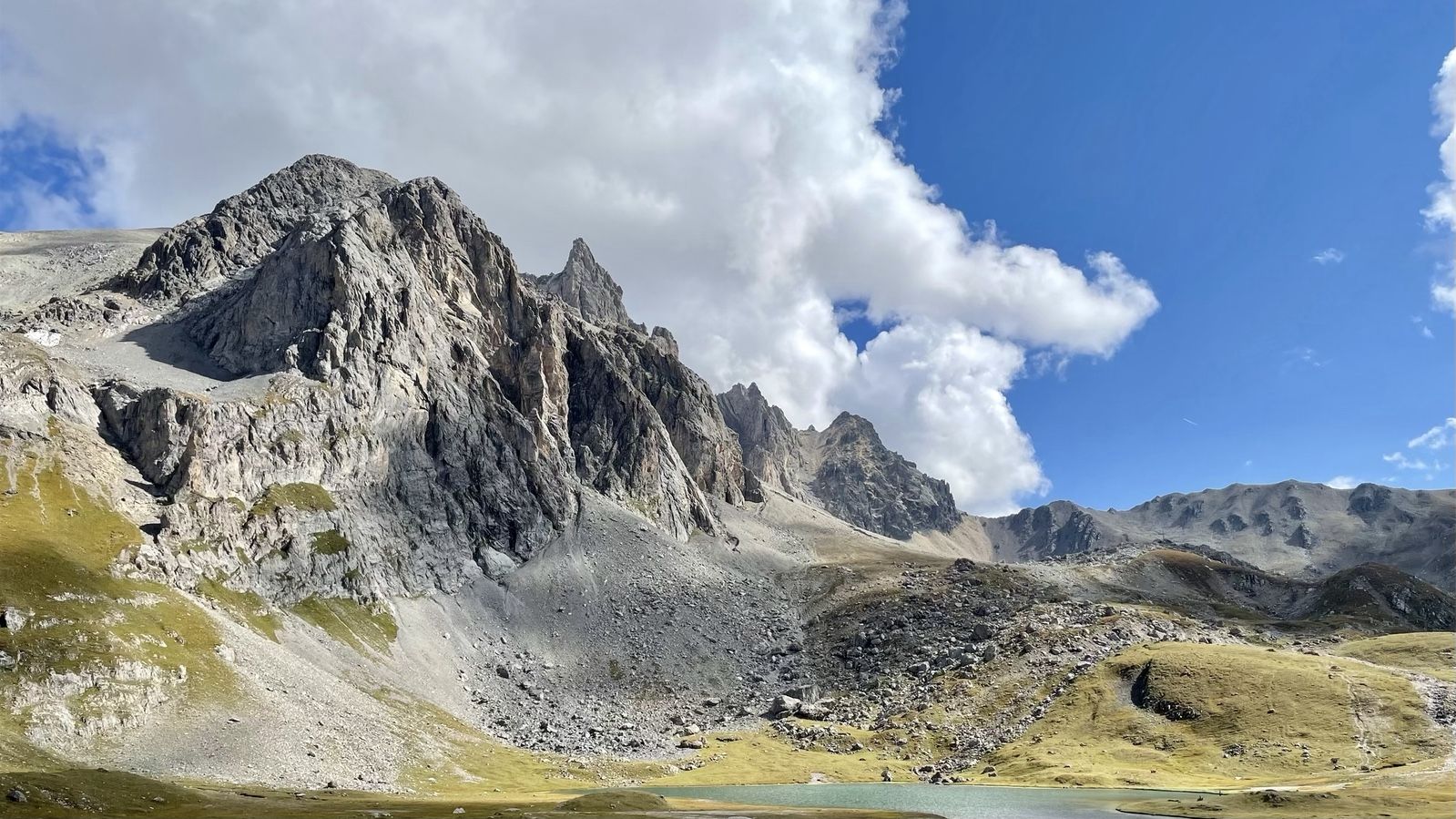
On the ridges of France’s Cerces massif — the GR 57

High mountain escapades — 15 peaks over 3,000m in the Alps
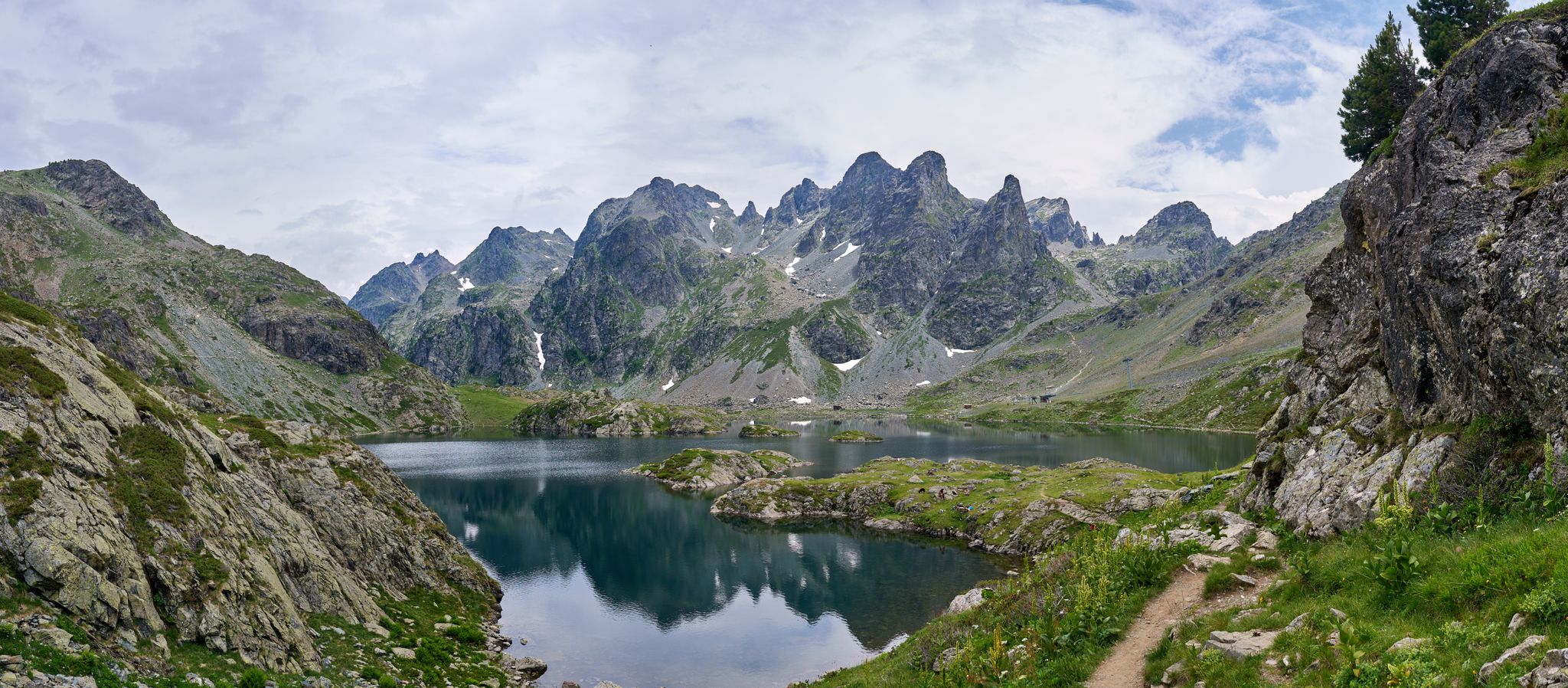
Hiking in the French Alps – the Belledonne crossing (GR 738)
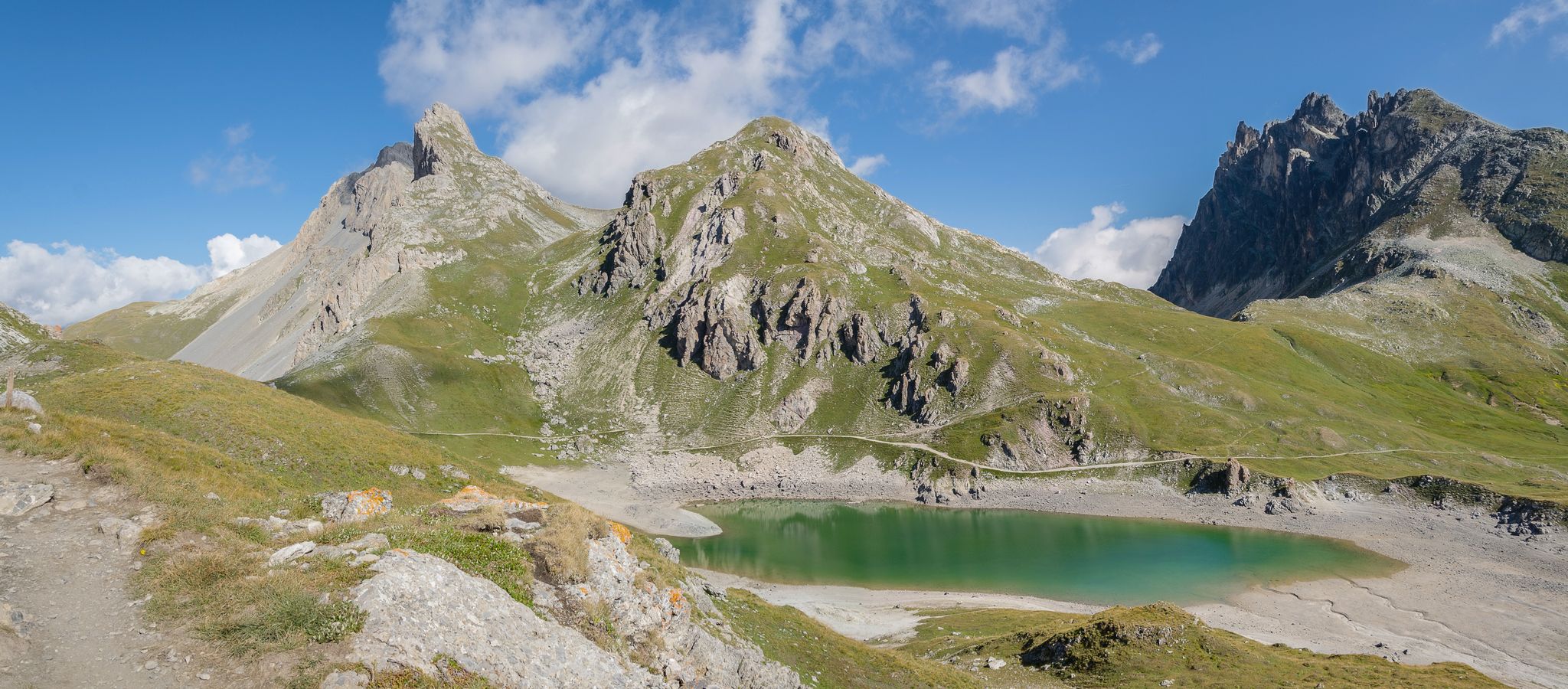
Discover France’s Cerces massif — A Tour of Mont Thabor
Other adventures around Saint-Jean-De-Maurienne


Tips from the Community

🏛️ Detailed History of the Cloister of Saint-Jean-de-Maurienne The cloister of Saint-Jean-Baptiste Cathedral is one of the most significant remnants of the town's former episcopal complex. Closely linked to Saint-Jean-Baptiste Cathedral, it reflects the religious, political, and artistic importance of the Maurienne Valley during the Middle Ages. ⛪ Foundation and Historical Context (11th–13th Centuries) The cloister was built starting in the 11th century, a period during which Saint-Jean-de-Maurienne established itself as a major religious center in the Alps. The bishopric, traditionally founded in the 6th century, gradually became an important spiritual and territorial power, benefiting from the support of the Burgundian rulers and later the Counts of Savoy. The cloister was designed as a space reserved for the canons of the cathedral chapter, responsible for liturgy, teaching, and the administration of church property. Its construction spanned several centuries, which explains the coexistence of different architectural styles. 🪨 Architecture and Organization The cloister is organized around a central courtyard, symbolizing the enclosed garden (hortus conclusus), a biblical image of peace and meditation. It comprises covered galleries allowing passage sheltered from the elements, Romanesque arcades with simple and massive proportions, and elements reworked or added during the Gothic period, particularly visible in some vaults and openings. The sculpted capitals feature vegetal, geometric, or symbolic decorations, sometimes inspired by the Bible or medieval bestiaries. They constitute a precious example of medieval Savoyard sculpture. The cloister connected the main canonical buildings: - the chapter house, where the chapter meetings were held, - the refectory, - the canons' quarters, and the cathedral itself. 🔔 Religious and Symbolic Functions A place of transition between the outside world and the sacred space, the cloister served a practical, spiritual, and symbolic function: - a space for silence and meditation, - a place for reading and prayer, a processional route during certain ceremonies. It also embodied the stability and authority of the Bishopric of Maurienne, which wielded considerable power over the valley and the strategic Alpine routes. ⚔️ Transformations and Decline (16th–18th Centuries) From the early modern period onward, the importance of the cathedral chapter diminished. Wars, religious reforms, and political changes gradually weakened the institution. The French Revolution marked a decisive turning point: Church property was confiscated, the chapter dissolved, and the cloister lost its religious function. Some parts were destroyed, others transformed or incorporated into civic or administrative buildings. 🏛️ Rediscovery and Heritage Despite the destruction, the cloister retains remarkable architectural elements that still allow us to understand the organization of the medieval episcopal city. It constitutes: - an essential testimony to medieval religious urban planning, - a major landmark in the history of Saint-Jean-de-Maurienne, a key element of Savoyard heritage. Its preservation and enhancement contribute to the transmission of local history and to understanding the central role played by the Church in the development of the town.
0
0
The Old Bishop's Palace of Saint-Jean-de-Maurienne is the town's former episcopal palace, historically linked to the Bishopric of Maurienne. It is located opposite Saint John the Baptist Cathedral, on Place de la Cathédrale, in the historic center. 🏛️ About the Old Bishop's Palace This is the former palace of the bishops of Maurienne, whose presence dates back to a long religious and political history in the valley. The diocese was established in the 6th century after the arrival of the relics of Saint John the Baptist, which made Saint-Jean-de-Maurienne an episcopal see. The building was destroyed, remodeled, and enlarged several times until the early 19th century. It is a fine example of Baroque civil architecture, notably featuring a monumental double-flight staircase inspired by the palaces of Turin. The building has been listed as a historical monument (facades, roofs, interior decor, staircase, reception rooms, chapel, etc.) since 1984 and is owned by the municipality. Today, the former Bishop's Palace houses, among other things, the Museum of Costumes, Arts and Popular Traditions. 📍 Address: 11 Place de la Cathédrale, 73300 Saint-Jean-de-Maurienne, Savoie, France.
0
0
In Saint-Jean-de-Maurienne, the main street in the town center, lined with arcades, is called Rue de la République—the main shopping street with porticoes and arcades along the facades, where shops are located under these covered passages. ➡️ Historically, it was also referred to as Grande Rue, with its arcades, the town's main old shopping street.
0
0
The history of the tower bells (continued) The next writings date from the revolutionary period: the bells were taken down on December 12 and 13, 1793. During this operation, the third bell, known as "la None" (likely because it was particularly used by the chapter for this office), was broken. On December 21, it was decreed that the four largest bells would be weighed in Chambéry as they could not be weighed in Saint-Jean-de-Maurienne1. The following day, the syndic-procurator of Arc informed the general syndic-procurator of the dispatch of 24 bells to Chambéry, including: 9 bells from the Chapter, 4 from Saint-Christophe, 2 from the Bernardines, 1 from the Capucins, 1 from the Pénitents, 1 from Saint-Antoine, 1 from the Miséricorde, 1 from Bonne-Nouvelle, 1 from Notre-Dame, and 1 from the Collège. This would make a total of 10 bells for the Grand Clocher tower of the Cathedral and Notre-Dame. Several writings indicated that the cathedral's carillon consisted of 11 bells. With the obligation to leave one bell per belfry to sound alarms and civil assemblies, the cross-referencing of information therefore provides a certain logic. Private archives offer a variation to the above information in a writing by abbé Guiguet, vicar at the cathedral between 1853 and 1858. He recounts "from contemporary and eyewitnesses" that the cathedral's carillon was composed, as of December 2, 1793, "of nine bells; three formed, as today, the clock's chime, but they were arranged to serve simultaneously for the carillon. They were preserved, along with the clock". At the Concordat, the three bells of the clock and its movement seem to have been reinstalled, meaning they were not sent to Chambéry in 1793. In the 19th century, the cathedral's liturgical carillon was therefore partially reconstituted. In 1812, a bell known as "des Pénitents" was cast in Briançon, likely by the Vallier and Gautier dynasties, founders active in that town who also largely contributed to the repopulation of Savoyard belfries during that period. In 1828, the large bell cracked, and a new one was immediately commissioned by the Chapter. This bell cost 1994.6 livres at a rate of 36 livres per quintal, weighed in Saint-Jean-de-Maurienne, a sum fixed on September 17, 1828. Payment was made to the founders Jean-François Gautier and François Vallier on September 14, 1829, after a one-year guarantee on the bell. The years 1864 and 1865 saw the arrival of two bells in the belfry: first the third by the Beauquis brothers, then the second by the Paccard brothers. No archives have been found to help contextualize these purchases. Many questions remain open, particularly that of a recasting or an addition, but also the manufacturing of these two bells (a year apart!) by these two competing founders! At the end of 1873, the small "Pénitents" bell cracked. A new bell was ordered from the Paccard brothers. A quote was submitted to the chapter with the trade-in of the old bell, weighing 174 kilos. A new bell weighing 228 kilos would therefore be installed in its place. In 1935, the ringing bells of the Grand Clocher were electrified. They first started with the three large ones, considering that "the small bell is not suitable for this transformation". The municipality took charge of burying the electrical wires between the sacristy and the Grand Clocher, and the diocese financed the electrification itself. It was probably at this time that the "Cloche du Chapitre", installed in the slender belfry adjoining the cathedral, was silenced. Its access is unfortunately impossible today, but its rehabilitation is under study. We hope to be able to reach it one day to uncover its secrets and give it liturgical use again! Although the cathedral chapter is currently dormant, new practices are emerging in the cathedral. A "guard of honor" has formed around the relics that the cathedral houses. It notably organizes public or private venerations and participates in the great liturgical hours of the cathedral, the mother church of the diocese.
0
0
Located in the heart of Saint-Jean-de-Maurienne (Savoie), this museum retraces the history of the famous Savoyard Opinel knife, created in 1890 by Joseph Opinel. It showcases an object that has become an emblem of French craftsmanship. 🏛️ What you'll discover The history of the Opinel family and the company The evolution of the models (from the peasant knife to designer series) The manufacturing process and materials Antique pieces, prototypes, and special editions A space dedicated to design and uses (mountaineering, cooking, DIY) 📍 Practical information Location: Saint-Jean-de-Maurienne town center Access: Easy walking distance from the cathedral Audience: Suitable for all ages (families, local history enthusiasts, design lovers) Note: Admission is free
0
0
The history of the tower bells The large bell tower of Saint-Jean-de-Maurienne is imposing with its silhouette and large dimensions. It should be known that, in reality, it was initially the bell tower of the Notre-Dame church, neighboring the cathedral. This enormous tower was adorned with a spire between the 15th century and the Revolution, making it a tower of almost 80 meters! When it was razed, this spire fell on the church and damaged the nave. The religious building was therefore reduced, and the street separating them was created. This bell tower housed, during its golden age, a peal of over 10 bells! On May 10, 1326, the Confraternity of the Holy Spirit requested permission from the canons to use a bell to announce their assemblies. This request was granted. The archives of the chapter of Vercelli (Italy) house a document of interest to the bell history of Saint-Jean-de-Maurienne: in 1475, Amédée Gavit, vicar of Cardinal d'Estouteville, then bishop of Maurienne, commissioned Claude Milon of Geneva and Claude Vionnet of Sallanches (Faucigny) to cast new bells for the cathedral. Unfortunately, there are not enough elements to fully appreciate the work that took place there. Another document, found in the parish archives of Saint-Pancrace, precisely details the casting of new bells during the summer of 1667. Canon Nicolas Féjoz recounts the following: • On July 23, the large bell was lowered, and on July 26, the second bell. Both were recast on July 30: the large bell under the invocation of All Saints and the second in honor of Saint John the Baptist. • On August 3, a contract was made to recast the fourth and fifth bells. • On August 8, the bishop blessed the two large bells and another bell, also dedicated to All Saints. We do not know what rank this last one occupied in the peal... • On September 7, the bishop blessed four new bells: the fourth, fifth, sixth, and ninth bells in order of weight. In 1712, Canon Cueillerat paid 200 florins to Georges Arnaud, a founder from Saint-Jean-de-Maurienne, for the casting of a bell for the Notre-Dame church.
0
0
Frequently Asked Questions
How many urban hiking trails are available in Saint-Jean-de-Maurienne?
There are several urban hiking trails around Saint-Jean-de-Maurienne, offering a convenient way to explore the town and its immediate surroundings. You'll find a mix of easy and moderate routes suitable for various preferences.
What kind of terrain can I expect on urban hikes in Saint-Jean-de-Maurienne?
Urban hikes in Saint-Jean-de-Maurienne typically feature varied terrain, including paved paths, riverside promenades, and some gentle ascents through town streets and perhaps slightly elevated areas. The region itself is characterized by its position in the Maurienne Valley, offering glimpses of the surrounding alpine landscape even from within the town.
Are there family-friendly urban walks in Saint-Jean-de-Maurienne?
Yes, many urban trails are suitable for families. For instance, the Rue Sous Les Arcades – Opinel Museum loop from Saint-Jean-de-Maurienne is an easy option that allows you to explore the town's cultural side without significant elevation gain, making it ideal for all ages.
Can I bring my dog on urban trails in Saint-Jean-de-Maurienne?
Generally, dogs are welcome on most urban trails in Saint-Jean-de-Maurienne, provided they are kept on a leash and you clean up after them. Always check local signage for any specific restrictions, especially in more sensitive areas or near private properties.
What landmarks or points of interest can I see on urban hikes?
Urban hikes can lead you past local landmarks and cultural sites. For example, the Rue Sous Les Arcades – Opinel Museum loop takes you through the heart of Saint-Jean-de-Maurienne, offering a chance to see the Opinel Museum. While not directly on urban trails, the region also boasts historical sites like the Mont Cenis Pass, which has connected Italy and Gaul for centuries.
Are there any urban trails with scenic views?
Even within the urban environment, you can find scenic views. Trails that climb slightly higher into the town's periphery or follow the Arc River often provide pleasant vistas of the Maurienne Valley and the surrounding mountains. While not directly urban, the broader region offers breathtaking views of the Vanoise National Park and majestic mountain ranges.
How can I access urban trailheads using public transport?
Saint-Jean-de-Maurienne is well-served by public transport, including a train station, making it convenient to reach many urban trailheads directly within the town center. Local bus services may also provide access to starting points slightly further afield. It's advisable to check current schedules for the most up-to-date information.
Is parking available for urban hikes in Saint-Jean-de-Maurienne?
Yes, parking is generally available in and around Saint-Jean-de-Maurienne's town center. You'll find various public parking areas, often close to shops and amenities, which can serve as convenient starting points for urban hikes. Some parking may be paid, especially in central locations.
What is the best season for urban hiking in Saint-Jean-de-Maurienne?
Urban hiking in Saint-Jean-de-Maurienne is enjoyable throughout much of the year. Spring and autumn offer pleasant temperatures and vibrant scenery, while summer is ideal for longer walks. Even winter can be beautiful, though some paths might be icy, requiring appropriate footwear. Always check local weather conditions before heading out.
Are there any circular urban routes?
Yes, many urban routes are designed as loops, allowing you to start and end at the same point without retracing your steps. Examples include the Savoia Gate, Susa – Arch of Augustus in Susa loop and the Rue Sous Les Arcades – Opinel Museum loop from Saint-Jean-de-Maurienne - Vallée de l'Arvan, which offer different lengths and experiences.
What are the difficulty levels of urban hikes in Saint-Jean-de-Maurienne?
Urban hikes in Saint-Jean-de-Maurienne range from easy strolls to moderate walks. Most routes are classified as 'easy' with minimal elevation gain, making them accessible for beginners or those seeking a relaxed experience. There are also 'moderate' options for those looking for a slightly longer or more challenging urban exploration.
What do other hikers say about urban trails in Saint-Jean-de-Maurienne?
The komoot community highly rates the trails in the region, with an average score of 4.6 stars. Reviewers often praise the accessibility of the routes, the charm of exploring the town on foot, and the opportunity to combine cultural discovery with gentle exercise.
Are there any waterfalls or natural features near urban trails?
While urban trails primarily focus on the town, the Maurienne Valley is rich in natural beauty. The Arc River often runs alongside urban paths, providing a natural element. For more prominent natural features like waterfalls (e.g., Saint-Benoît or Hermillon waterfalls) or alpine lakes, you would typically venture slightly beyond the immediate urban area into the surrounding countryside or the nearby Vanoise National Park.
Most popular routes around Saint-Jean-De-Maurienne
Most popular attractions around Saint-Jean-De-Maurienne

Get inspired with the komoot mobile app


Explore more
Browse the best Hikes in other regions.
