The best traffic-free bike rides around Nantes
4.4
(4819)
35,363
riders
1,132
rides
No traffic touring cycling routes around Nantes traverse a diverse landscape shaped by major rivers, extensive vineyards, and proximity to the Atlantic coast. The region features numerous well-maintained greenways and dedicated cycle paths along the Loire, Erdre, and Sèvre Nantaise rivers, offering flat to gently rolling terrain. The Vignoble Nantais presents a landscape of vineyards and low hills, while routes extending towards the coast incorporate salt marshes and coastal paths. This varied geography provides a range of environments for touring…
Last updated: August 26, 2026
4.7
(46)
223
riders
33.1km
01:40
170m
200m
Moderate bike ride. Good fitness required. Mostly paved surfaces. Suitable for all skill levels.
4.7
(3)
24
riders
25.7km
01:50
170m
170m
Moderate bike ride. Good fitness required. Mostly paved surfaces. Suitable for all skill levels.

Sign up for free
4.6
(16)
33
riders
23.4km
01:12
140m
140m
Easy bike ride. Great for any fitness level. Mostly paved surfaces. Suitable for all skill levels.
4.6
(192)
1,186
riders
53.2km
03:10
120m
120m
Moderate bike ride. Good fitness required. Mostly paved surfaces. Suitable for all skill levels.
4.4
(5)
10
riders
33.0km
02:00
140m
140m
Easy bike ride. Great for any fitness level. Mostly paved surfaces. Suitable for all skill levels.
Get access to more routes and recommendations from other explorers.
Sign up for free
Already have an account?
Our route recommendations are based on thousands of hikes, rides, and runs completed by other people on komoot.
Start today with a free account
Your next adventure awaits.
Login or Signup
Popular around Nantes
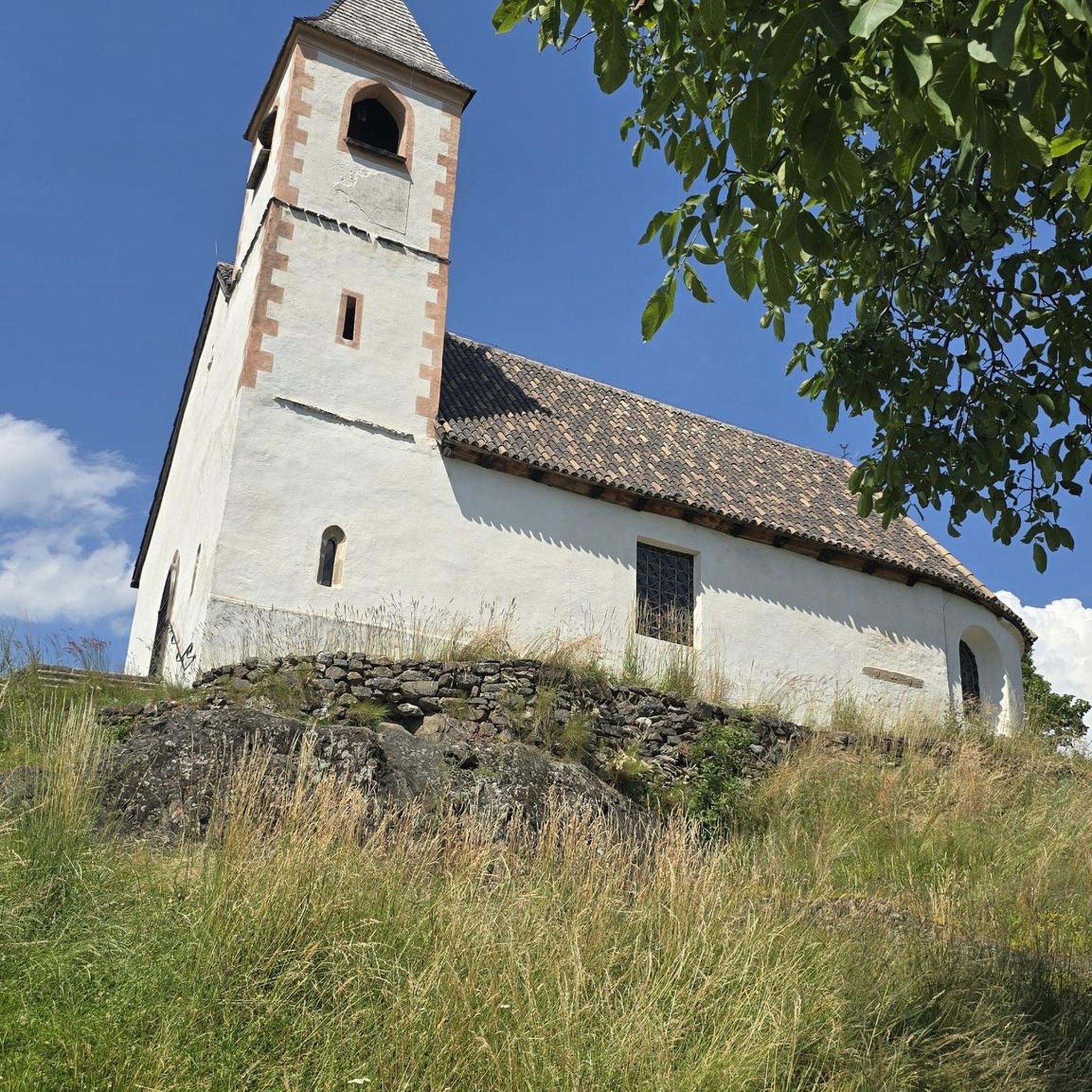
Traffic-free bike rides around Gétigné
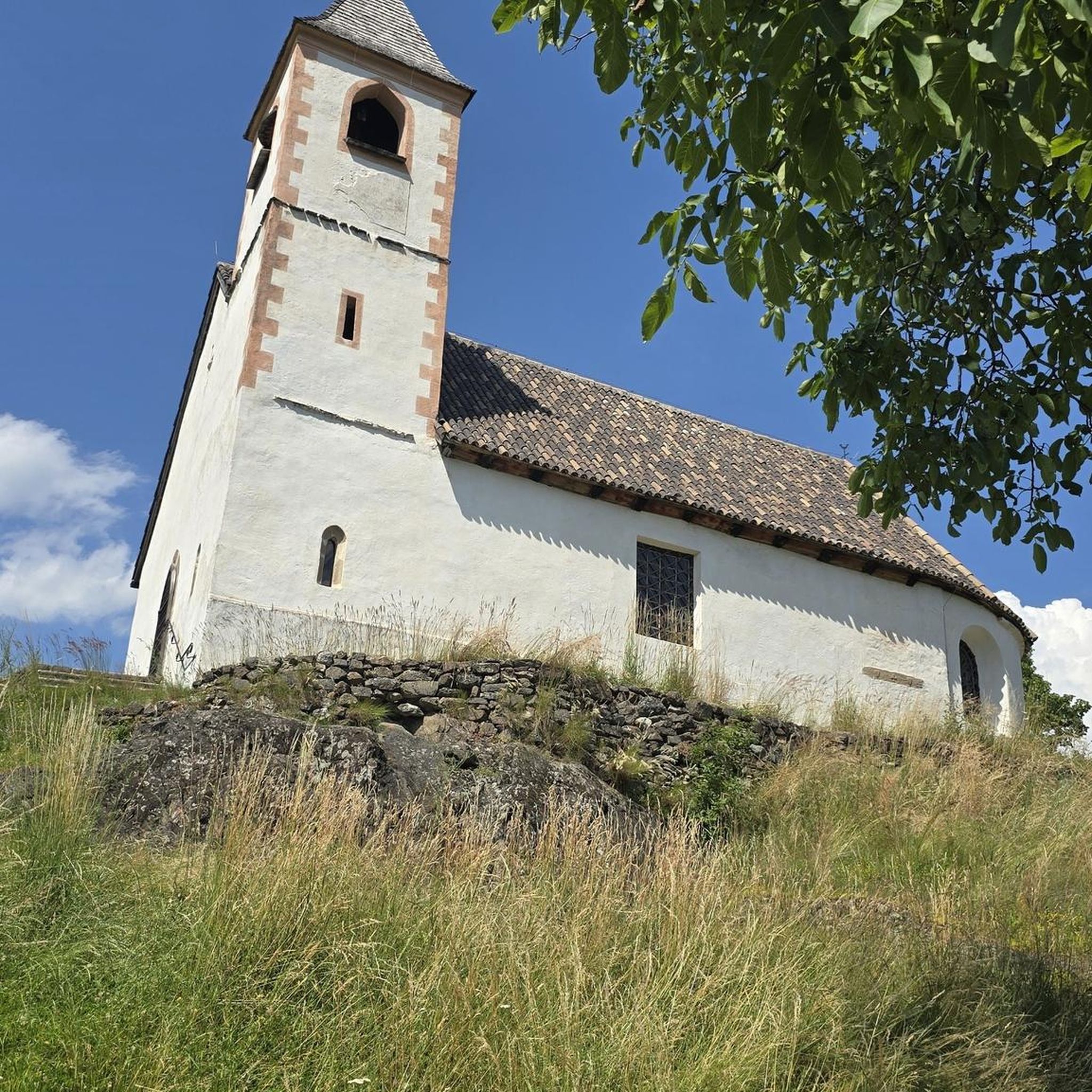
Traffic-free bike rides around Gorges
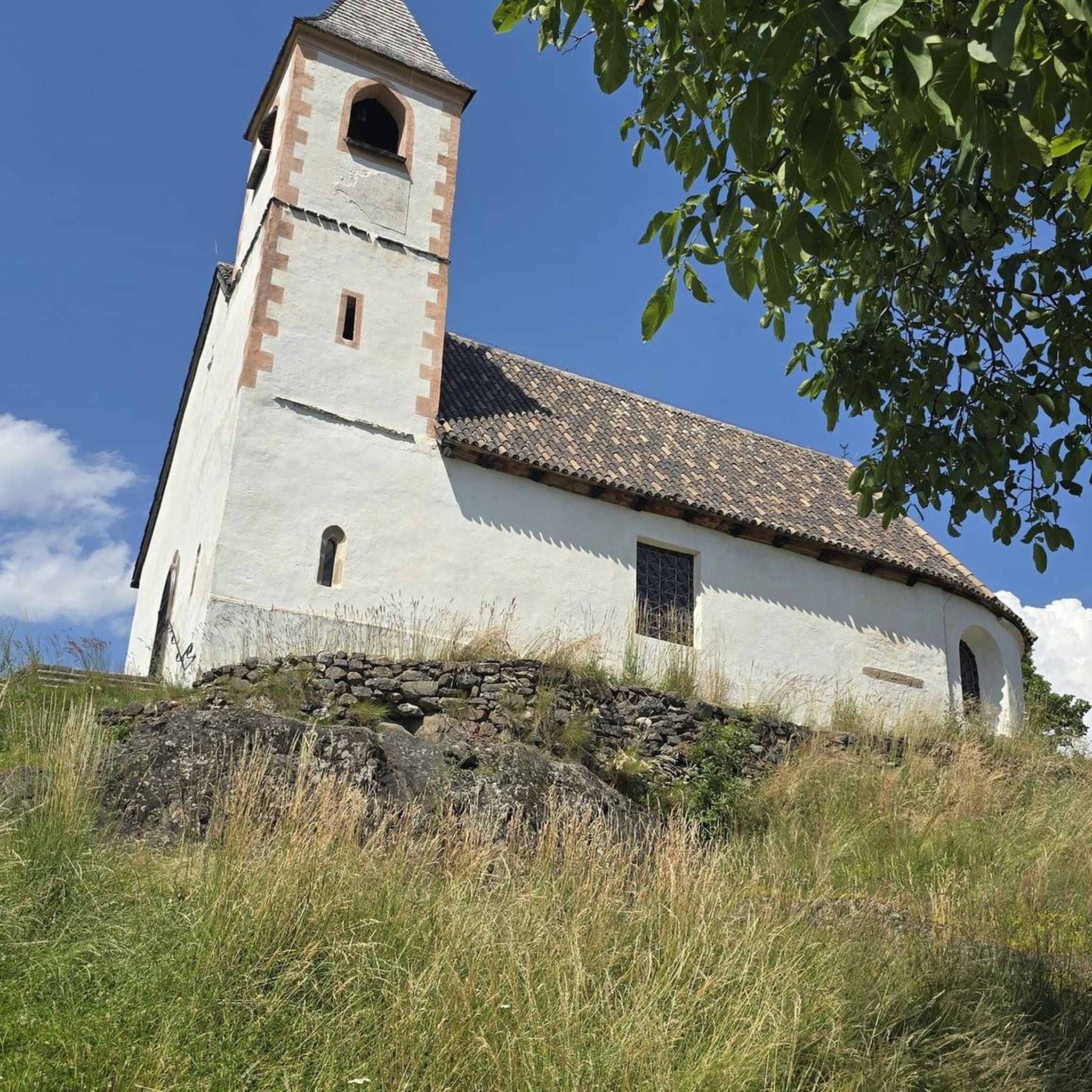
Traffic-free bike rides around Clisson

Traffic-free bike rides around Rezé
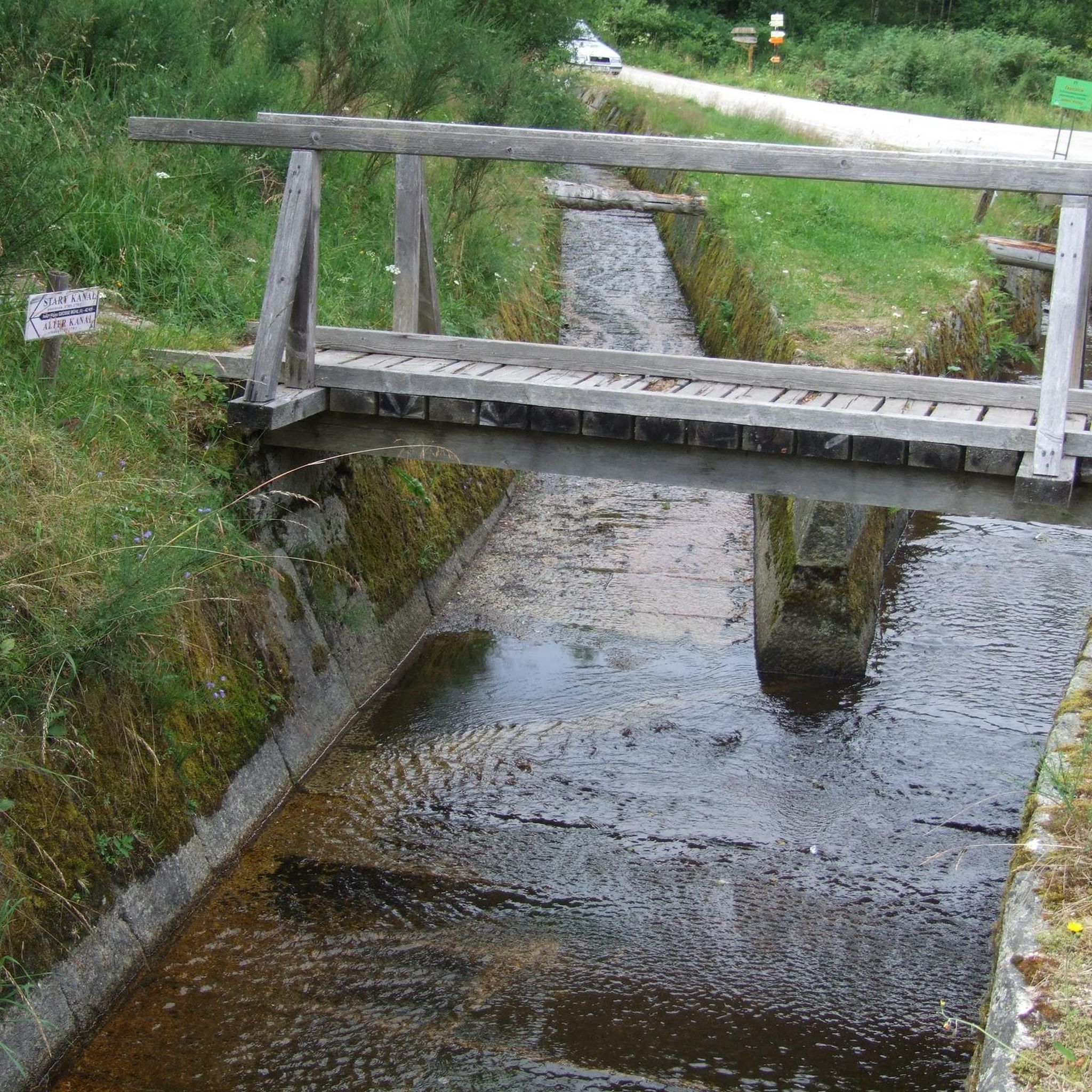
Traffic-free bike rides around Divatte-Sur-Loire
Traffic-free bike rides around Mauves-Sur-Loire
Traffic-free bike rides around Saint-Julien-De-Concelles

Traffic-free bike rides around Saint-Fiacre-Sur-Maine

Traffic-free bike rides around Lac De Grand Lieu
Traffic-free bike rides around Saint-Hilaire-De-Clisson
Other adventures around Nantes


Tips from the Community

The Pont de Thouaré, made up of two structures crossing the Loire via the island of Chézine, is a strategic crossing point connecting Thouaré-sur-Loire to Saint-Julien-de-Concelles, heavily used by the daily transport of the Nantes metropolitan network. In October 2025, the Department of Loire-Atlantique and Nantes Métropole implemented an experimental redevelopment over 900 meters to secure the crossing for pedestrians and cyclists: * Priority for soft mobility: Speed reduction to 30 km/h over the entire crossing, painting a continuous white line prohibiting any overtaking, and adding central bike markings on each lane to encourage cyclists to occupy the middle of the passage. * Securing connections: Materialization of a pedestrian strip on the island of Chesnaie, installation of a speed table, and placement of educational speed cameras.
1
0

Lovely spot for a break and a bite to eat just before crossing over from Mauves-sur-Loire to Saint-Simon.
0
0

The guinguette and the environment are nice, but be careful in high heat, there is no shade on site.
0
0

From 1805 to 1827, the sculptor François-Frédéric Lemot (winner of the Prix de Rome in 1790) transformed a former hunting forest belonging to the lords of Clisson into an idealized landscape. Influenced by the gardens of Ermenonville and Méréville, guided by his classical education and the memory of Tivoli, Lemot freely designed his garden whenever his official duties in Paris allowed. It is now a park managed by the department, freely accessible for a relaxing break with a beautiful view of the château.
0
0


Convenient for crossing the Loire, but no cycle zone
0
0
A paradise for birds and fishermen.
0
0
Frequently Asked Questions
How many traffic-free touring cycling routes are available around Nantes?
Nantes offers a vast network for touring cyclists seeking traffic-free experiences. There are over 1200 routes available, with nearly 600 of them classified as easy, making the region highly accessible for all skill levels.
What kind of landscapes can I expect on traffic-free cycling routes near Nantes?
You'll find a diverse range of landscapes. Many routes follow the majestic Loire River, offering paths through marshes and charming villages. The Erdre River provides bucolic experiences through woods and meadows, while the Sèvre Nantaise leads through historic places and vineyards. You can also explore the unique Vignoble Nantais (Nantes Vineyard) or even reach sections of the Atlantic coast for sea air and coastal views.
Are there any family-friendly traffic-free cycling routes in Nantes?
Yes, Nantes is excellent for family cycling. Many of the routes along the Erdre River, for instance, are accessible greenways suitable for families. The extensive network includes nearly 600 easy routes, ensuring plenty of safe, traffic-free options for all ages.
Can I find circular traffic-free cycling routes around Nantes?
Absolutely. The region offers numerous circular routes designed for touring cyclists. For example, the Beau Rivage Riverside Path – The Loire at Oudon loop from Haluchère-Batignolles provides a moderate 53 km circular experience along the Loire. Many other loops can be found along the rivers and through the vineyards.
What attractions can I see along traffic-free touring cycling routes near Nantes?
Many routes offer access to natural and cultural highlights. You can discover beautiful lakes like Etang de Roche Ballue or Île Clémentine. Natural monuments such as the Butte de la Roche offer panoramic views. Within Nantes, routes often pass by city attractions like the Machines de l'Île or the Château des Ducs de Bretagne.
What are some notable long-distance traffic-free cycling routes that pass through Nantes?
Nantes is a key hub for major European cycling routes. It's a confluence point for "La Loire à Vélo" (part of EuroVelo 6), which follows the Loire River, and "La Vélodyssée," which connects Nantes to the Atlantic coast. These routes offer extensive traffic-free sections for long-distance touring.
Are there any routes that explore the vineyards near Nantes without traffic?
Yes, the Vignoble Nantais (Nantes Vineyard) offers dedicated cycling routes like "La Vélidéale" and "Vignoble à Vélo" that allow you to explore this authentic region with its wine estates and charming villages like Clisson, often on quiet, low-traffic or traffic-free paths. The route along the Sèvre Nantaise also takes you through vineyard landscapes.
What is the best time of year for traffic-free touring cycling in Nantes?
The spring and autumn months are generally ideal for cycling in Nantes, offering pleasant temperatures and beautiful scenery. Summer can also be enjoyable, especially along the coast or shaded river paths, though it can be busier. Winter cycling is possible, but some services might be reduced, and weather can be more unpredictable.
How can I access traffic-free cycling routes using public transport in Nantes?
Nantes has a well-developed public transport system, including trams and buses, which can often get you close to the start of many cycling paths, especially those within or just outside the city. Some regional trains also allow bikes, making it easier to reach more distant starting points for routes like those along the Loire or towards the coast.
What do other touring cyclists say about the traffic-free routes around Nantes?
The komoot community highly rates the touring cycling experiences around Nantes, with an average score of 4.38 out of 5 stars. Cyclists frequently praise the well-maintained paths, the variety of scenic landscapes from rivers to vineyards, and the overall safety and tranquility of the traffic-free routes.
Are there any easy, shorter traffic-free routes for a quick ride?
Certainly! For an easy and relatively short ride, consider the Bed of the Sèvre route, which is about 17.6 km and offers a pleasant, traffic-free experience along the Sèvre Nantaise. Another option is Under the Doucinière viaduct, an easy 23.4 km route.
Where can I find information about the Loire Estuary cycling routes?
The Loire Estuary offers fantastic cycling opportunities, often with traffic-free sections. You can find more detailed information about cycling in this area, including routes between Nantes and Saint-Nazaire, on external resources like francevelotourisme.com.
Most popular routes around Nantes
Most popular attractions around Nantes

Get inspired with the komoot mobile app


Didn’t find what you were looking for?
Check out more Cycling routes throughout Nantes below and find the perfect route in your destination.
Explore more
Browse the best Cycling routes in other regions.
