The best city hikes and walks around Toulon
4.4
(8703)
69,190
hikers
127
hikes
Urban hiking trails around Toulon offer a diverse landscape, characterized by its Mediterranean coastline, dramatic mountainous backdrops, and extensive forests. The region features a mix of terrain, from flat lakeside paths to more challenging mountain ascents, providing varied elevation changes. Hikers can explore areas with Aleppo pine and Mediterranean oak trees, limestone formations, and scenic coastal routes. This blend of natural features makes Toulon a varied destination for urban hiking.
Best urban hiking trails around Toulon
- The most popular urban…
Last updated: July 16, 2026
4.5
(22)
142
hikers
4.78km
01:25
140m
140m
Easy hike. Great for any fitness level. Easily-accessible paths. Suitable for all skill levels.
5.0
(4)
63
hikers
5.20km
01:22
50m
50m
Easy hike. Great for any fitness level. Easily-accessible paths. Suitable for all skill levels.

Sign up for free
4.8
(8)
86
hikers
Easy hike. Great for any fitness level. Easily-accessible paths. Suitable for all skill levels.
4.0
(3)
46
hikers
16.6km
04:19
110m
110m
Moderate hike. Good fitness required. Easily-accessible paths. Suitable for all skill levels.
4.7
(3)
67
hikers
6.81km
01:46
40m
40m
Easy hike. Great for any fitness level. Easily-accessible paths. Suitable for all skill levels.
Get access to more routes and recommendations from other explorers.
Sign up for free
Already have an account?
Our route recommendations are based on thousands of hikes, rides, and runs completed by other people on komoot.
Start today with a free account
Your next adventure awaits.
Login or Signup
Popular around Toulon

City hikes in Parc National De Port-Cros (Aire D'Adhésion)

City hikes in Massif Du Mai Ou De Sicié

City hikes in La Sainte-Baume
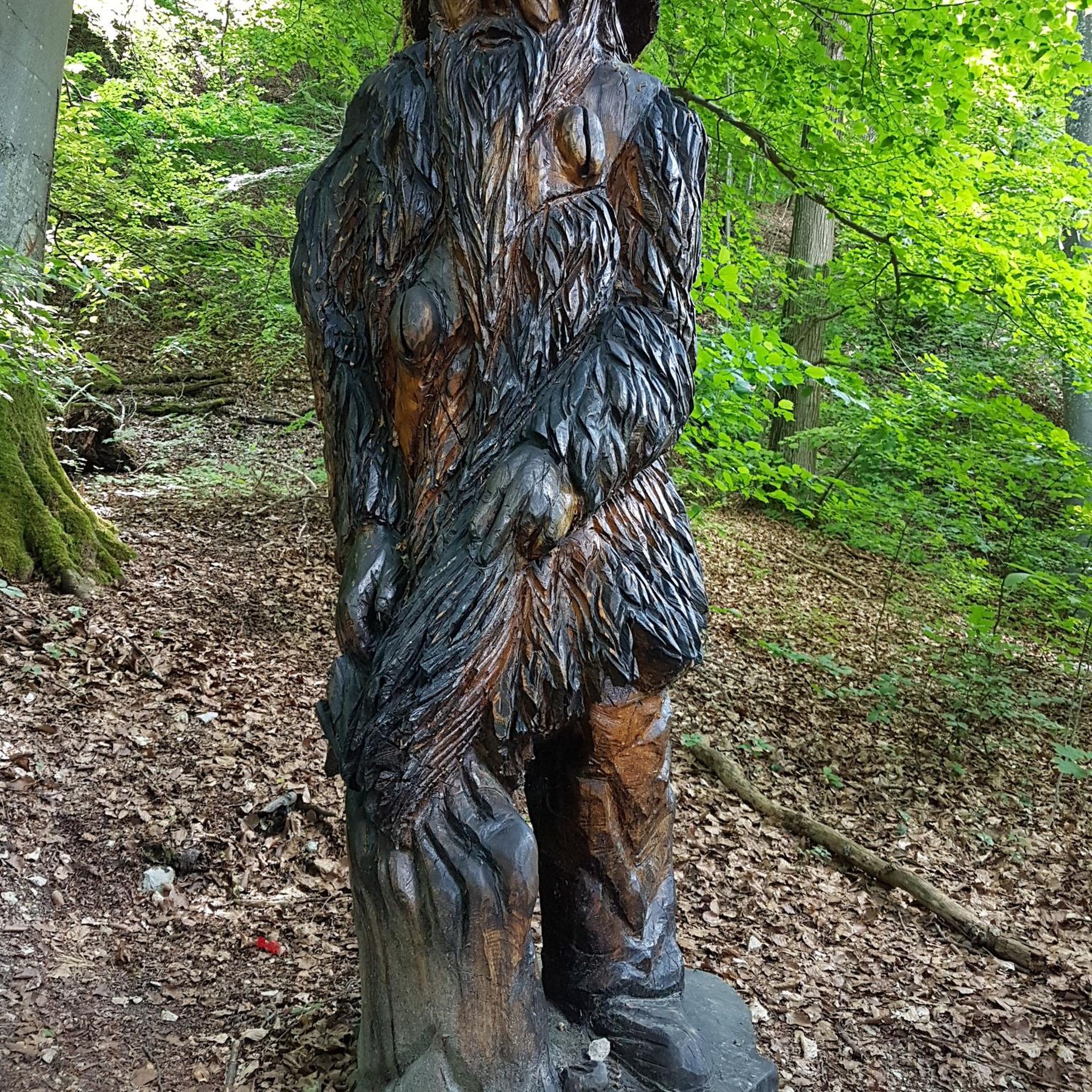
City hikes in Réserve Biologique Intégrale Des Maures
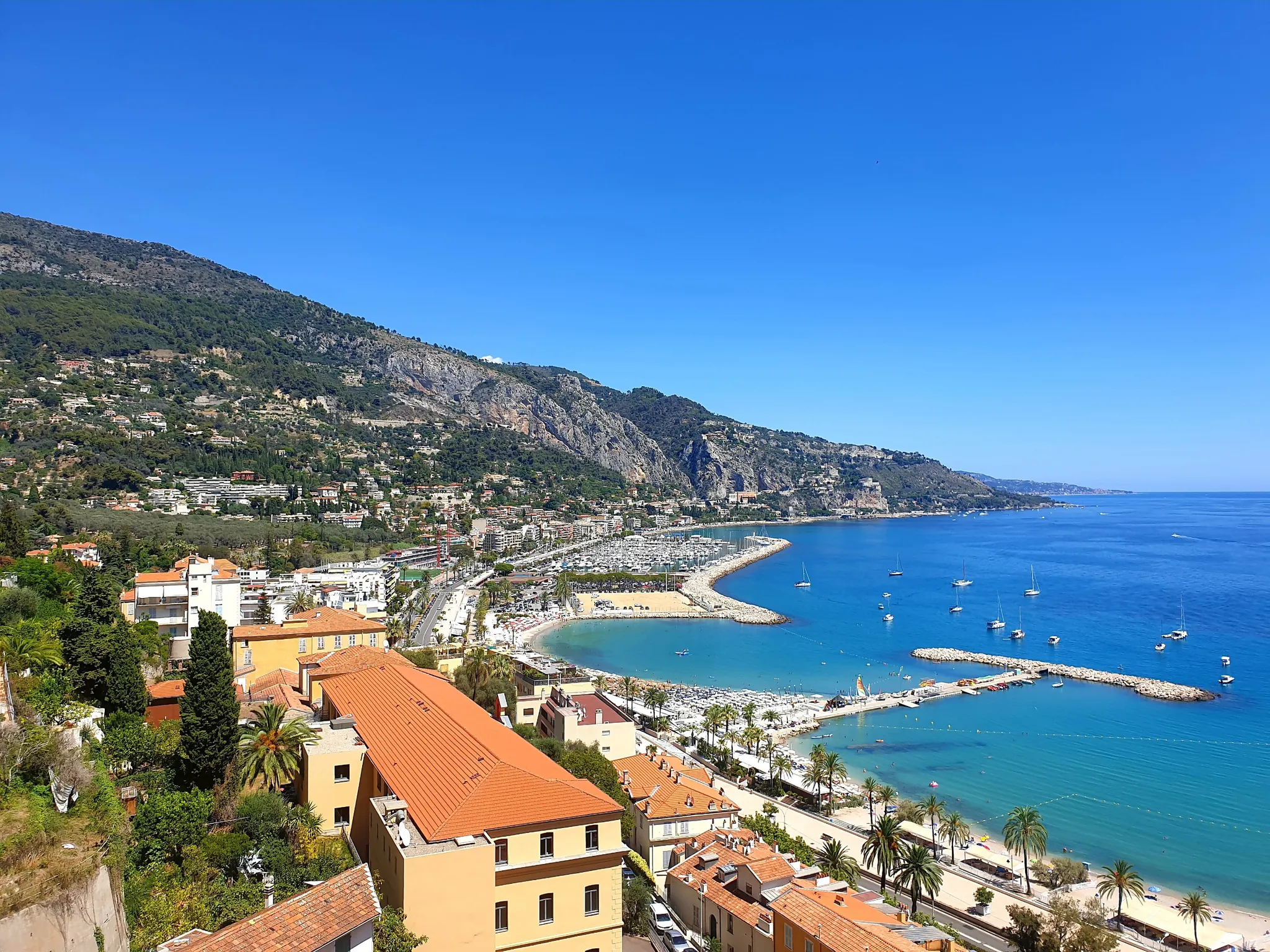
Between sea and mountains – other balcony of the Mediterranean
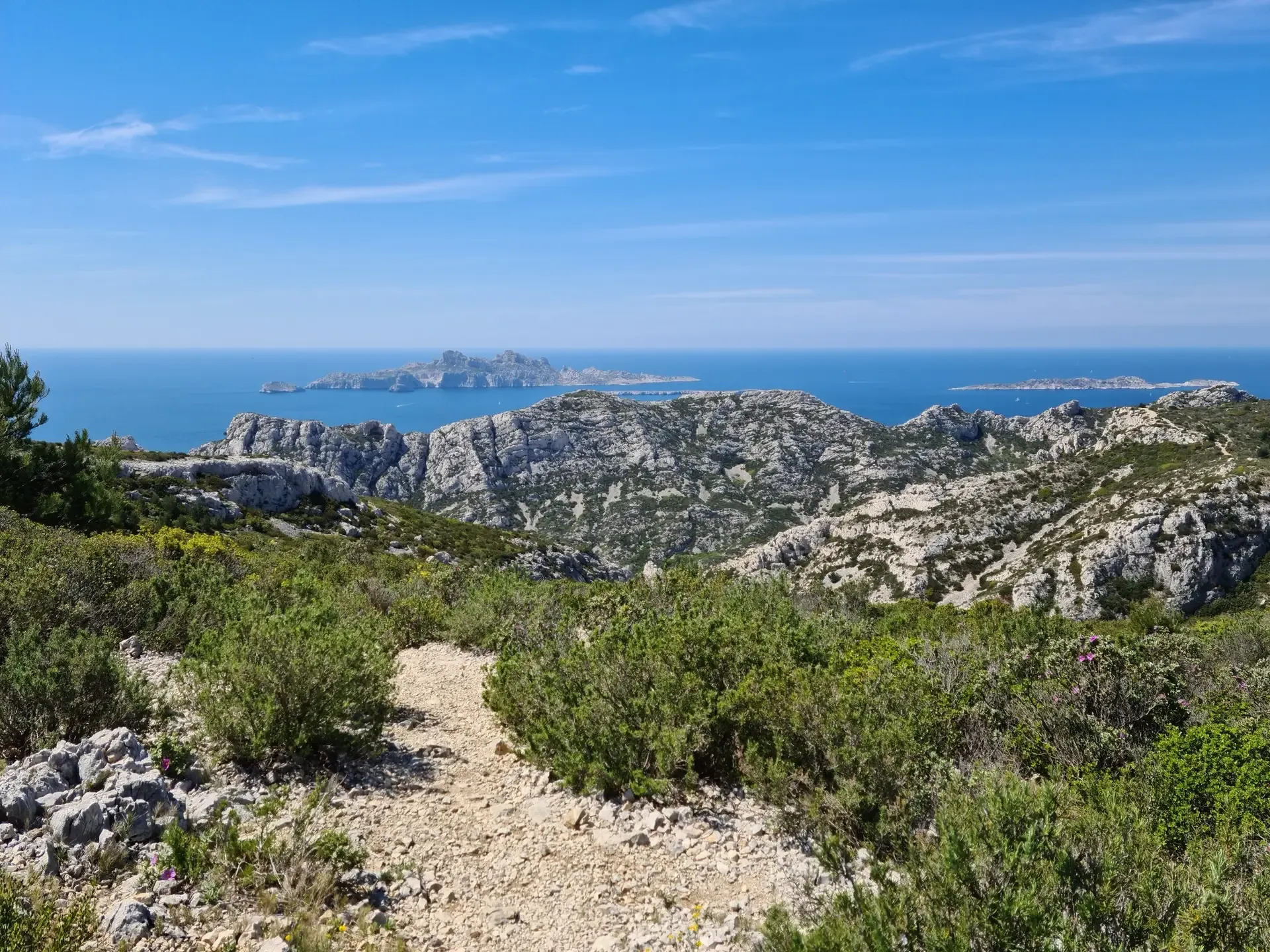
GR 51 - Balcony of the Mediterranean
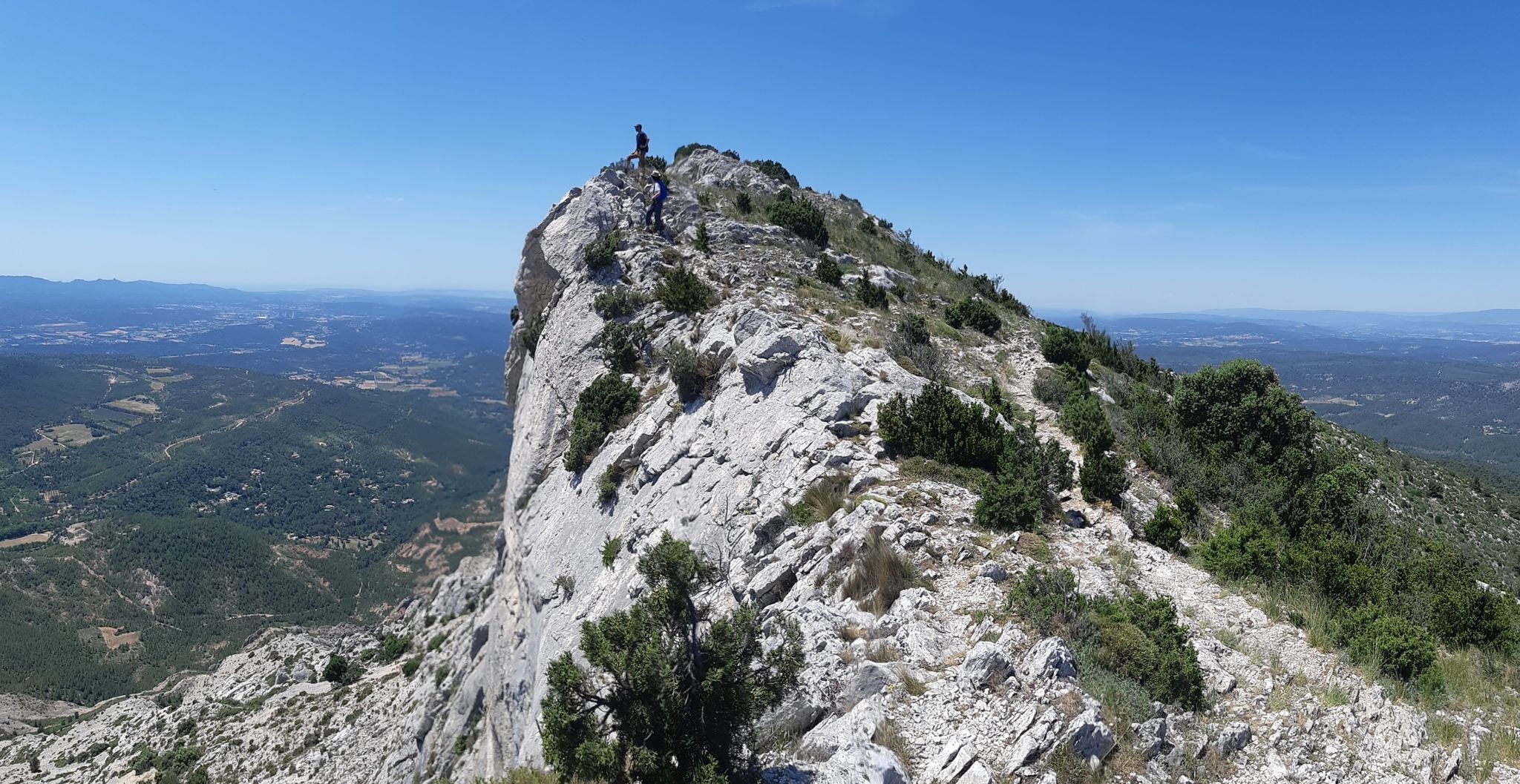
Pays d'Aix to Cap Canaille – Seven Provençal walks
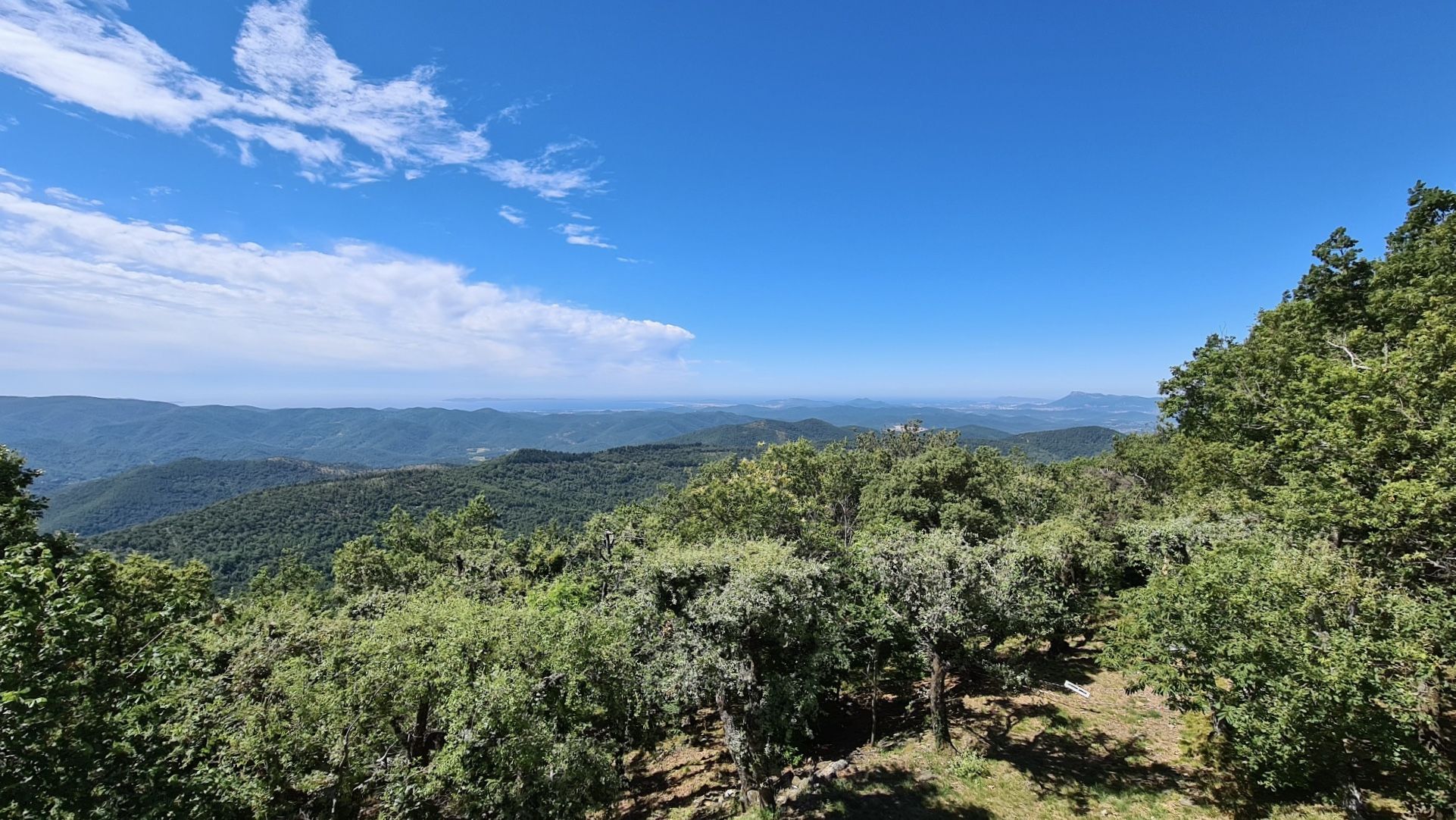
Stroll among French pines — the GR 90 in Provence
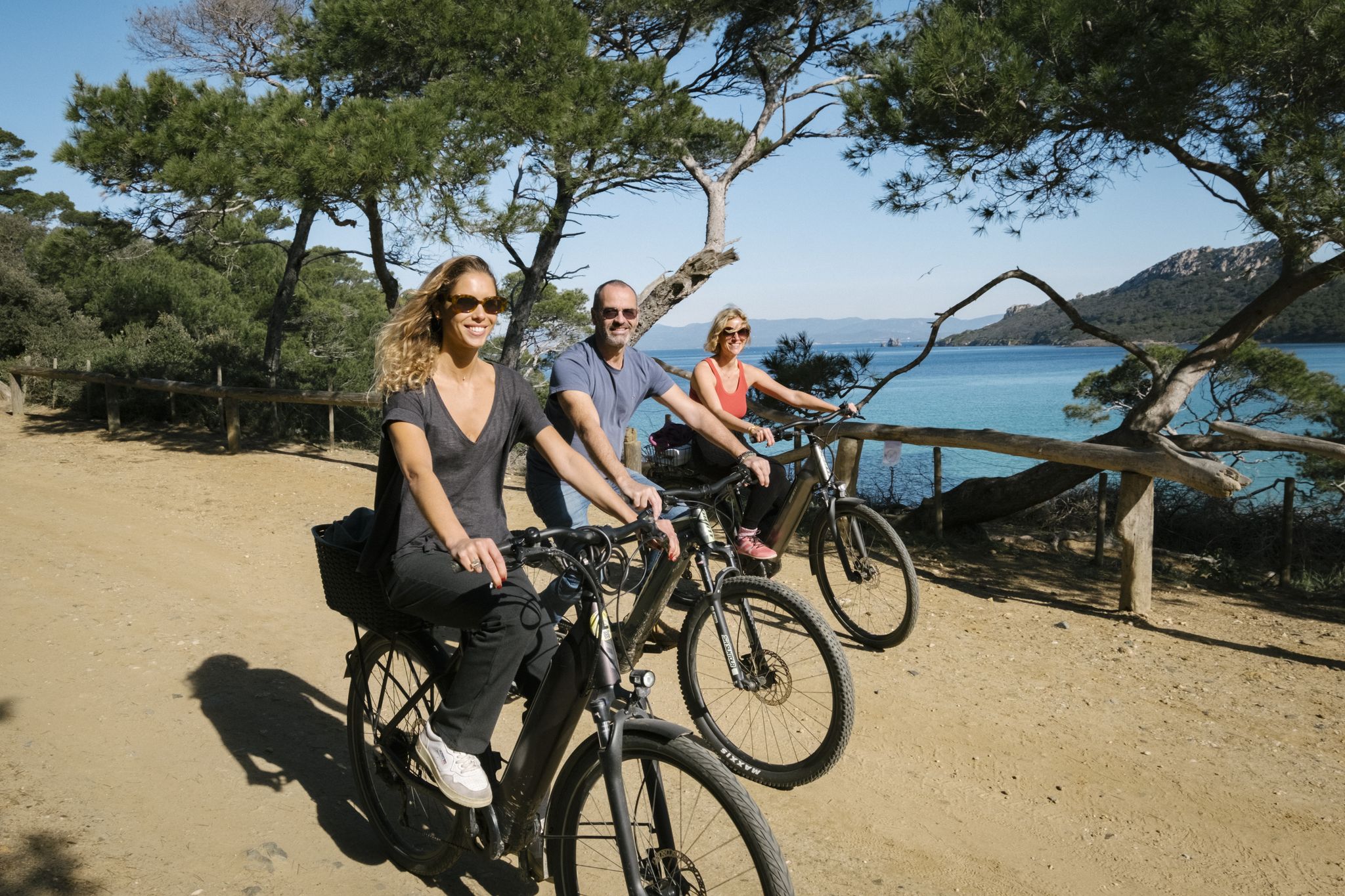
Cycling around Toulon – islands, peninsulas, massifs and vineyards
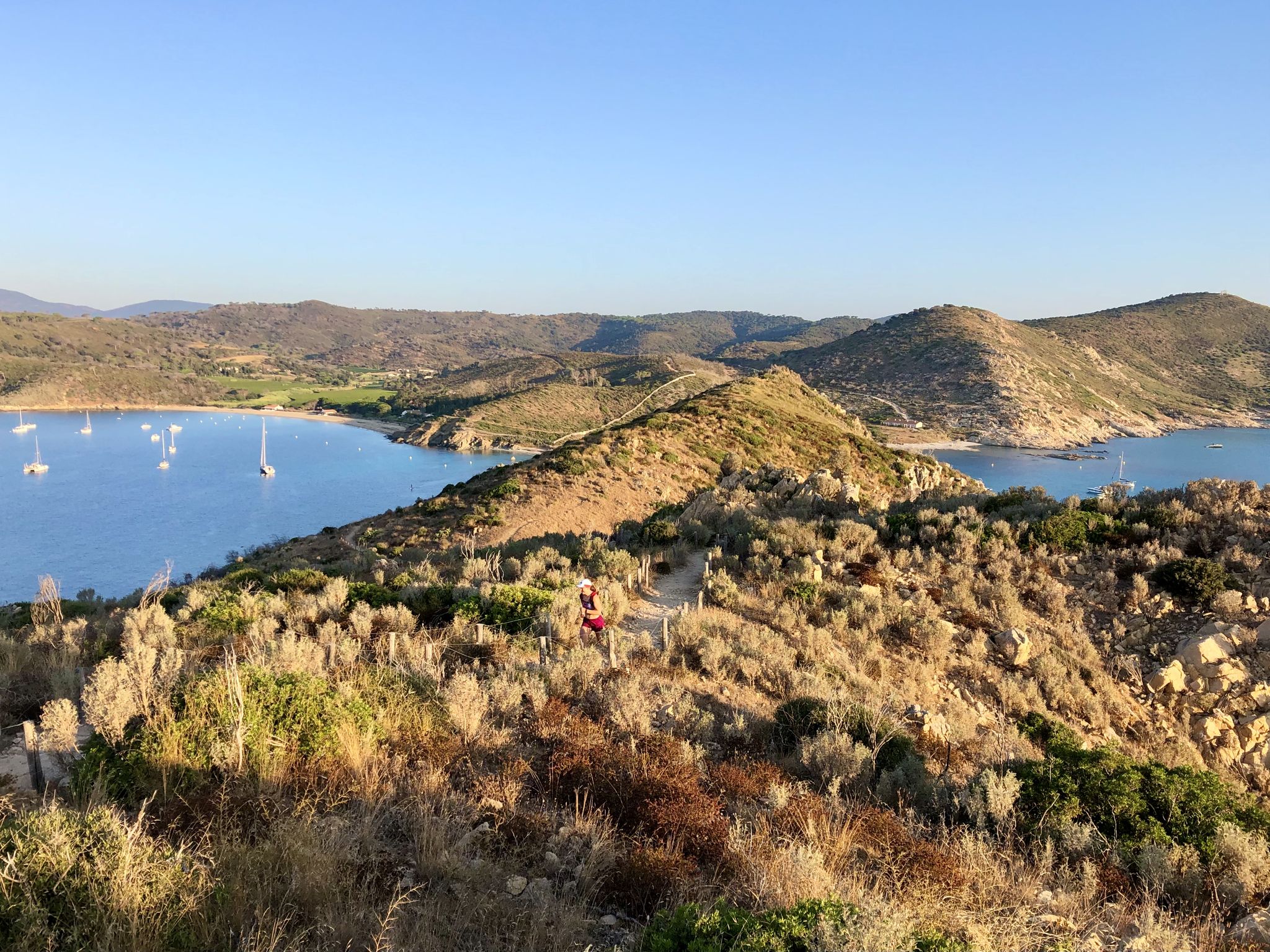
Running by the sea — an escapade on the French coastal path
Other adventures around Toulon


Tips from the Community

The Porte Massillon is one of the entrances to the old town of Hyères.
2
0

A true gateway to the historic Arsenal
1
0


From June 14 to October 5, 2025, 80 works of street art will be presented at the Toulon Art Museum. The star artist of this new exhibition will be Banksy. The artist who rose to prominence with "The Little Girl with a Balloon" and whose identity is the subject of much speculation has become a phenomenon capable of shaking global public opinion. Through his stencils, as well as Basquiat's graffiti, and more contemporary canvases such as those of JR, Invader, and Madame, the entire spectrum of street art, from its history to its various movements, will be presented to the people of Toulon. Five years ago, "Picasso and the Mediterranean Landscape" attracted more than 55,000 visitors to the completely renovated Toulon Art Museum (MAT). Similar popular success is expected for "Banksy, Before / After - A (R)evolution." "Toulon claims to be a working-class city, a city where everyone has their place, their role to play, a city where art is accessible to all," emphasized Josée Massi, Mayor of Toulon, during the presentation of the exhibition, which took place in one of the rooms dedicated to contemporary art at the MAT. The artist, whose identity remains a mystery, will therefore be the featured artist of this new cultural event, scheduled from June 14 to October 5, to allow schoolchildren and students to discover this artistic movement. An art form that has been moving in recent years from the streets where it originated to the walls of museums. "Street art has its place in a museum. Many street artists regularly abandon walls, bridges, sidewalks, and bus shelters to produce studio works, on transportable media that can be exhibited in museums and galleries just like other artists," continued the chief magistrate. 80 works, including 40 by Banksy, will be presented to the general public. All are drawn from private collections. All will trace the history of this artistic movement, born in the 1960s. All will offer a broad overview of what urban art can be. All will shed light on how it is expressed in France, the United States, Italy, and South American countries. All will trace its evolution from the pioneers of the American underground to its most contemporary expression. All will place the artist who most often works with stencils at the heart of the dialogue: because there is a before, a during, and an after Banksy. This exhibition, which is being produced with the assistance of an Italian partner, 24 Ore Cultura, a Banksy specialist, was designed to interact with works from the museum's permanent collection and, more specifically, the creations of Ernest Pignon-Ernest, which will be presented in the Graphic Arts Room. The Nice-based artist is considered one of the pioneers of French urban art. A dialogue with the contemporary and a bridge to the classical: Italian street artist Andrea Ravo Mattoni will create a mural inside the museum's spaces, reinterpreting Émile Loubon's 1852 painting, "Return of the Herd," in his own visual language. By offering this reinterpretation to the general public, the MAT is embodying a powerful symbolism: that of a museum that bridges eras and art forms.
0
0
Like veritable open-air museums, certain corners of the Var region boast several sites adorned with works of street art. From Saint-Raphaël to La Seyne-sur-Mer, via Fréjus and Toulon, here's an overview of these intriguing frescoes. While strolling through the narrow streets of Var villages, you may have already come across these murals, which are increasingly adorning the facades of Var buildings. These works enliven and brighten the landscape, making the department a colorful gallery from which beautiful gems emerge. In Toulon, for example, there are numerous addresses dedicated to street art. Already in the Mourillon area, this one promises a pleasant and exotic stroll along the seafront. We particularly enjoy strolling through the pretty Arts district, where Sufyr works. A leading figure in the city's graffiti scene, he has particularly distinguished himself on the doors and walls of the Rue des Savonnières and Rue de l'Hôpital. Its frescoes combine Coluche with Julius Caesar, David Bowie with Frida Kahlo. Not far from here is the Lisa Gallery. Several local artists exhibit their work here, allowing visitors to observe, or even acquire, this type of creation. It can also be found in the Rue des Arts and Rue Pierre Semard, featuring graffiti, photos, and drawings. Ultimately, Toulon's street art is much more than just an open-air gallery. It's an invitation to understand and appreciate the cultural and natural richness of this iconic city in the south of France. An experience that enriches the soul and broadens our perspective on the art, history, and geography of this magnificent region.
0
1
After the Jesuits were expelled from France in 1764, their seminary in Toulon was transformed into a naval hospital. The imposing gate of the Jesuit seminary has been moved twice. When the naval hospital was demolished in 1911, the beautiful oak door of the former Jesuit seminary was moved to the front of the Corderie and placed against the perimeter wall of the arsenal. In 1917, it served as the entrance to the offices of the Maritime Prefecture located on the upper floor of the Corderie. The gate was moved a second time during the construction of the western highway in 1975. Now leaning against the facade of the Corderie's eastern pavilion, two majestic statues overlook it. The one on the left represents Religion, and the one on the right represents Strength, armed with a club. The work was supervised by Raymond Langueneux, master of the port's sculpture workshop. The sculptures were created by Pierre Tombarelli.
0
0
This imposing building, one of the most important provincial opera houses, is located in the heart of the city of Toulon. It has two entrances: the first, open to spectators during performances, on Place Victor Hugo (Place du Théâtre), and the second, located to the north, opening onto Toulon's main thoroughfare, Boulevard de Strasbourg. The north façade is decorated with six statues created by the Toulon sculptor. The Toulon Opera House can accommodate up to 1,329 seated spectators. Boasting exceptional acoustics, this cultural venue welcomes over 50,000 people each year. The Toulon Opera House is said to have the steepest stage in France, with a 7% gradient. This gives an impression of depth and better visibility for all spectators, but can also be a challenge for dancers and actors performing. Since 1770, the city of Toulon had had the Salle de la Comédie, a venue that would soon be almost a century old, but which was very dilapidated, cramped, and uncomfortable, according to Toulon's upper class. The city's expansion decreed in 1853 and the relocation of its ramparts further north made the construction of a new venue possible. After two years of work, which began on March 5, 1860, based on plans by architect Léon Feuchère and extensively revised by Charpentier, the Toulon Opera House was inaugurated on October 1, 1862, thirteen years before the Opéra Garnier (Paris had already had venues prior to the latter's construction, notably the Opéra Le Peletier).
0
0
Leaving the port, facing the ferry terminal, visitors arrive in front of Algiers' shopping street. Before taking it, head directly to your right to discover this charming little cobbled square where you can't help but smile when you discover the famous card game between César (Raimu) and Panisse, immortalized in bronze. Sitting at a table playing (in real size), there are two other empty seats next to them where you can sit and share a surreal moment with them! The expression of truth in their faces and their attitudes encourage you to sit down and join them for an immemorial photograph.
0
0
Frequently Asked Questions
How many urban hiking trails are available in Toulon?
Toulon offers a wide selection of urban hiking trails, with over 125 routes available. Most of these, around 90, are rated as easy, making them accessible for many hikers.
What kind of urban hiking experiences can I expect in Toulon?
Urban hiking in Toulon blends city exploration with natural beauty. You can find trails that wind through historic city centers, along scenic coastlines, and even up to viewpoints offering panoramic vistas of the city and the Mediterranean Sea. The region's unique geography, with mountains meeting the sea, provides diverse backdrops for your walks.
Are there any easy circular urban walks in Toulon?
Yes, Toulon has several easy circular urban walks. For a pleasant stroll through the city, consider the Fountain of the Three Dolphins – Place Puget loop from Toulon, which is just over 5.5 km. Another option is the Fountain of the Three Dolphins – Place Victor Hugo loop from Toulon, covering about 5 km.
What are some notable landmarks or attractions I can see on urban hikes in Toulon?
Urban hikes in Toulon often lead to fascinating landmarks. You might encounter historical sites like the Château d’Hyères Ruins or the impressive Fort de Balaguier. The city itself is rich with architectural details and vibrant squares. For coastal views, trails near Giens Peninsula offer stunning vistas.
Are there urban hikes suitable for families with children?
Many of Toulon's urban hikes are suitable for families, especially the easier, shorter loops. The flat, easy loop around Lac du Revest, though slightly outside the immediate urban core, is a popular choice for a gentle experience. Within the city, routes like the Fort Saint-Louis – La Mitre viewpoint loop from Toulon offer accessible paths with interesting sights.
What do other hikers enjoy most about urban hiking in Toulon?
The komoot community highly rates urban hiking in Toulon, with an average score of 4.5 stars. Reviewers often praise the diverse scenery, from bustling city streets to tranquil coastal paths and historic sites. The accessibility of many trails and the opportunity to combine cultural exploration with outdoor activity are frequently highlighted.
Can I find urban hikes that offer good viewpoints in Toulon?
Absolutely. Toulon is known for its dramatic topography, offering numerous viewpoints. Mont Faron, towering above the city, provides incredible panoramic views. While a cable car offers easy access, there are also marked trails. Within the urban context, routes like the Fort Saint-Louis – La Mitre viewpoint loop from Toulon offer coastal vistas.
Are there any moderate urban hiking trails in Toulon?
Yes, for those seeking a bit more challenge, Toulon offers moderate urban hiking trails. An example is the Château d’Hyères Ruins – Interesting Treppen loop from Hyères, which covers nearly 8 km with a moderate elevation gain, providing a more strenuous urban exploration.
What is the best time of year for urban hiking in Toulon?
The best time for urban hiking in Toulon is typically spring (April-May) and autumn (September-October). During these seasons, the weather is mild and pleasant, ideal for walking. Summers can be quite hot, especially in July and August, so early mornings or late afternoons are recommended if hiking then. Winters are generally mild but can be rainy.
Are there urban hikes that include historical sites or castles?
Many urban hikes in Toulon incorporate historical sites. For instance, the Massillon Square – Château d’Hyères Ruins loop from Hyères takes you past the historic Château d’Hyères Ruins. Other routes might lead you near the Castle of the Lords of Fos or the Évenos Castle Ruins, offering glimpses into the region's rich past.
Are Toulon's urban hiking trails accessible by public transport?
Many urban hiking trails in Toulon are easily accessible by public transport, especially those starting within the city center or in well-connected towns like Hyères. The local bus network serves various points of interest, making it convenient to reach trailheads without a car. Always check local transport schedules for specific routes.
Most popular routes around Toulon
Most popular attractions around Toulon

Get inspired with the komoot mobile app


Didn’t find what you were looking for?
Check out more Hikes throughout Toulon below and find the perfect route in your destination.
