The best traffic-free bike rides around Graissessac
4.5
(127)
2,267
riders
9
rides
Road cycling around Graissessac, situated in the Hérault department within the Haut-Languedoc Natural Park, offers diverse and challenging terrain for cyclists. The region features mountainous massifs like Caroux and Espinouse, providing significant elevation changes and descents. Cyclists encounter scenic valleys such as the Orb Valley and unique geological formations, including red sandstone and black basalts. The area is known for its quiet roads, winding through varied landscapes and offering routes suitable for different experience levels.
Best no traffic road cycling…
Last updated: November 2, 2026
4.8
(4)
37
riders
46.2km
02:15
670m
670m
Moderate road ride. Good fitness required. Mostly well-paved surfaces and easy to ride.
5.0
(1)
9
riders
61.7km
03:12
1,030m
1,030m
Hard road ride. Very good fitness required. Mostly well-paved surfaces and easy to ride.

10
riders
24.1km
01:22
560m
560m
Moderate road ride. Good fitness required. Mostly well-paved surfaces and easy to ride.
5
riders
117km
06:20
2,320m
2,320m
Hard road ride. Very good fitness required. Mostly well-paved surfaces and easy to ride.
5
riders
132km
06:15
1,650m
1,650m
Hard road ride. Very good fitness required. Some segments of this route may be unpaved and difficult to ride.
Get access to more routes and recommendations from other explorers.
Already have an account?
Our route recommendations are based on thousands of hikes, rides, and runs completed by other people on komoot.
Start today with a free account
Your next adventure awaits.
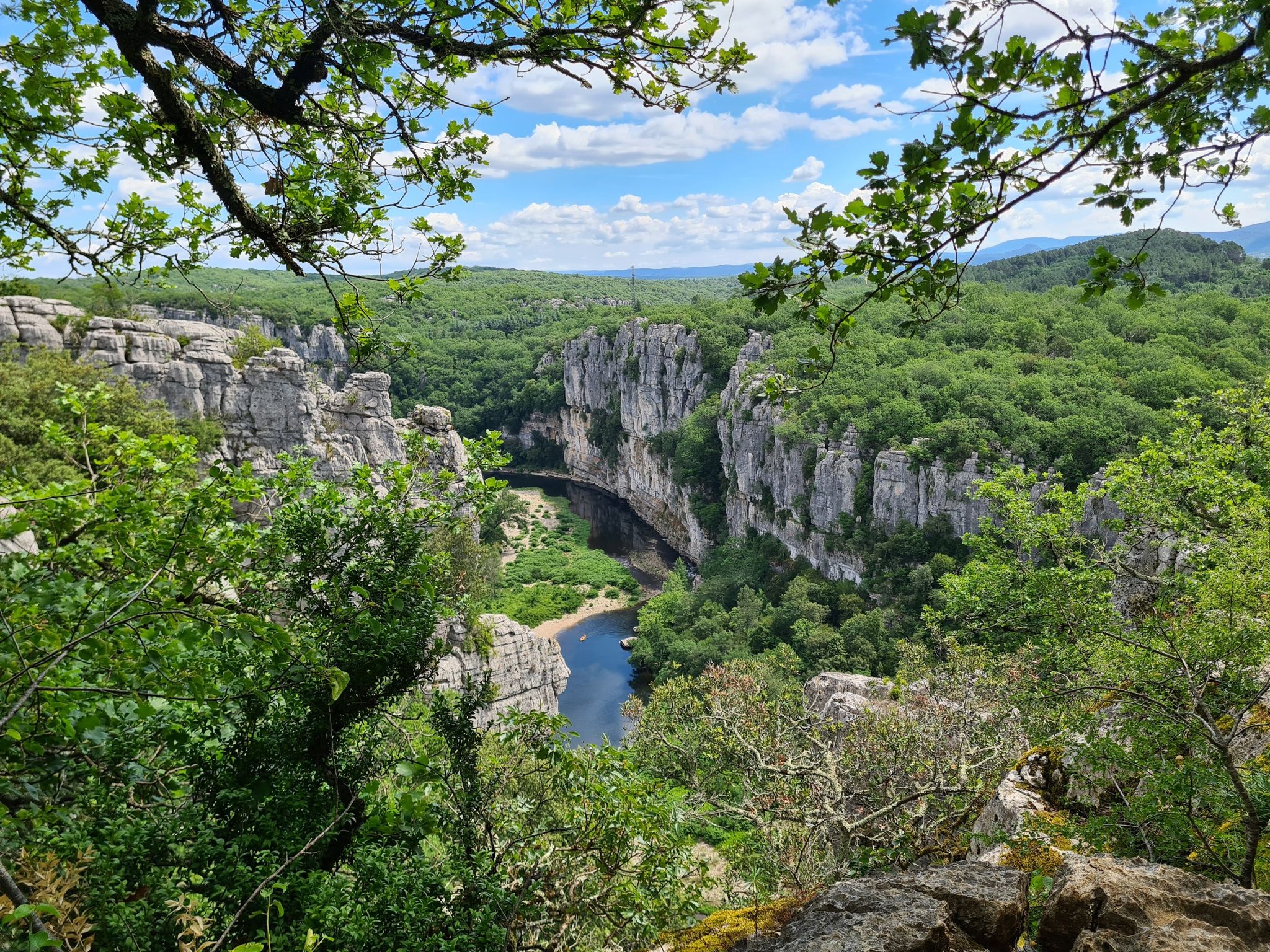
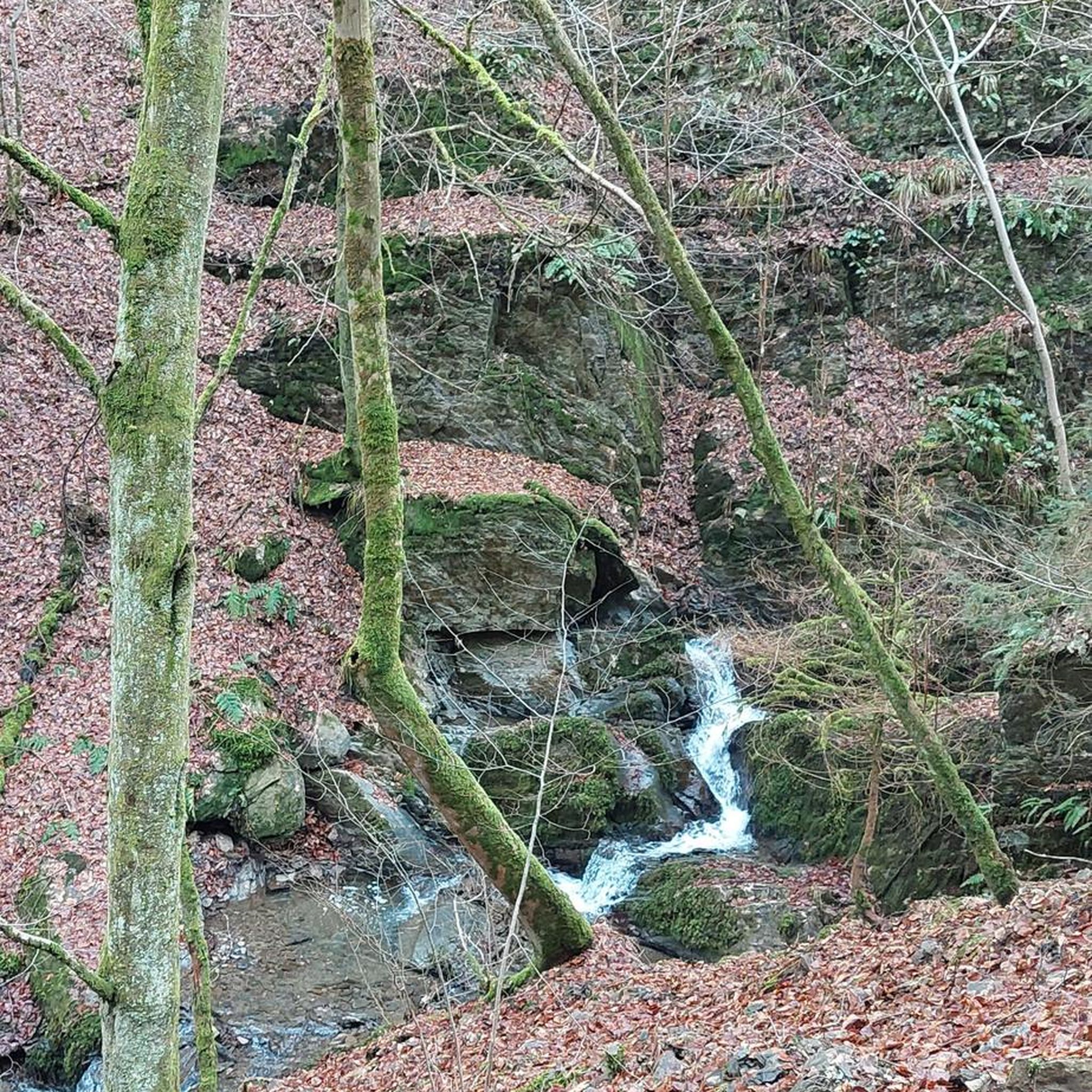

Other adventures around Graissessac

Tips from the Community

Located in the Hauts Cantons of the Hérault, at the confluence of the Gravezon, Nize, and Dourdou rivers, Lunas is a charming village that combines history and a gentle way of life. Dominated by the Redondel rock, a former fortified site, it reveals pretty streets, a 17th-century castle, and the Saint-Pancrace church, whose origins date back to the 12th century. Don't miss the Notre-Dame-de-Nize chapel and its famous Fontaine des Yeux (Eyes Fountain), nestled in a peaceful natural setting.
0
0
The castle overlooks Pézènes-les-Mines from the upper part of the village. This castle is private, but its facades, roofs, and enclosure have been protected as historical monuments since 1981. Its history is ancient, but the ensemble we see today is the result of several construction and transformation campaigns. The Romanesque chapel, integrated into the castle, dates back to the 12th century. Its apse was later raised in the 14th century to take on a defensive function. The castle itself underwent significant alterations in the 14th, 16th, and 17th centuries. Two gates were notably built into the enclosure in the 17th century. The defensive elements are still very legible: two gates with arrow slits controlled access to the courtyard and were once protected by a drawbridge. Two towers flank the ensemble, while the enclosure follows the natural irregularities of the terrain. The chapel also retains a rather remarkable detail: its door and some of its bays are decorated with basalt inlays, giving the building a discreet but original polychromy. Pézènes-les-Mines was not always the small village one might imagine today. Pézènes was the capital of a marquisate that grouped the communities of Pézènes, Montesquieu, and Valmascle. The castle was therefore at the heart of a larger seigneurial territory. Little-known information: A plan from 1800 shows that behind the castle stretched a long terrace of about 270 meters, arranged as a garden, promenade, and belvedere overlooking the Peyne valley.
3
0
In the heart of Lamalou-les-Bains, the Saints-Pierre-et-Paul church bears witness to the village's transformation into a major spa resort. Built at the beginning of the 20th century, it accompanies the rise of a town that welcomed numerous spa-goers eager to benefit from the renowned waters of the Orb valley. Before its construction, parish life was organized around the old sanctuaries of Saint-Pierre-de-Rhèdes and then Notre-Dame de Villecelle.
3
0
The gaze is naturally drawn to this small rock that masks Valuzières. This formation testifies to an ancient geological history: the limestones formed in a Paleozoic sea before being deformed by tectonic movements and then gradually sculpted by erosion. This relief, more resistant than the neighboring terrains, has remained in outcrop.
2
0

A very pleasant climb from Lamalou-les-Bains! The beginning is (very) steep (7-8% average over quite a few kilometers), but it becomes more rolling after that.
0
0

Descent on a dirt road. Also a good spot for a picnic 👌
0
0

A charming village nestled at the confluence of the Gravezon, the Nize and the Dourdou! The history of Lunas dates back to the Roman road that linked the lower Languedoc to Rouergue. Surely succeeding a Gallo-Roman oppidium, the Lunarenses castrum is mentioned as early as 806 in a charter of the Gélone abbey (that of Saint-Guilhem-le-Désert). The town is dominated by the Redondel rock, an ancient fortified castle belonging to the baron of Faugères, Viscount of Béziers. Razed in 1627, it was rebuilt on the banks of the Gravezon in 1641 by Henry de Narbonne. A true summary of the history of Languedoc, and a very pleasant cultural, refreshing and gastronomic stopover… A small detour to enjoy the leisure center of Prades, and a break on the site of the Saint-Georges chapel are essential in Lunas
2
0

A village quite representative of Languedoc
1
0
Frequently Asked Questions
How many no traffic road cycling routes are available around Graissessac?
There are 6 dedicated no traffic road cycling routes around Graissessac listed in this guide. These routes offer a mix of moderate and difficult terrain, perfect for exploring the region's quiet roads.
What kind of terrain can I expect on no traffic road cycling routes near Graissessac?
The region around Graissessac, nestled in the Haut-Languedoc Natural Park, offers diverse and challenging terrain. You'll encounter mountainous massifs like Caroux and Espinouse, scenic valleys, and deep gorges. Expect significant elevation changes, rewarding descents, and a landscape rich in geological diversity with red sandstone, black basalts, and white dolomites.
Are there any challenging no traffic road cycling routes for experienced cyclists?
Yes, Graissessac is an excellent starting point for experienced cyclists seeking challenging routes. For example, the View of the Devil's Bridge – Devil's Bridge loop from Le Bousquet d'Orb is a difficult route covering over 130 km with significant elevation gain. Another demanding option is the Lac de Vailhan – Olivettes Dam loop from Le Bousquet d'Orb, which also features over 1000 meters of climbing.
What scenic points of interest can I see along these quiet cycling routes?
Many routes offer stunning natural beauty. You can cycle past the picturesque Lac d'Avène (also known as Lac des Monts d'Orb) or explore routes that follow the scenic Orb River. The region is also known for its dramatic geological formations, including the Falaises de la Padène, which reveal ancient coal and sandstone layers.
Are there any moderate no traffic road cycling routes suitable for a less intense ride?
Certainly. For a moderate challenge, consider the 360° view of Lake Salagou – Col de la Lie loop from Bédarieux, which offers beautiful views without extreme climbs. Another good option is the Lunas – Cemetery water fountain loop from Lunas, providing a pleasant ride through the local area.
What do other cyclists say about road cycling in Graissessac?
The komoot community highly rates the road cycling experience around Graissessac, with an average score of 4.6 stars from 112 ratings. Cyclists often praise the tranquil roads, the diverse and challenging terrain, and the breathtaking natural scenery of the Haut-Languedoc Natural Park.
Are there any circular no traffic road cycling routes available?
Yes, all the no traffic road cycling routes listed in this guide are circular. This allows you to start and finish at the same point, making logistics easier. For example, the 360° view of Lake Salagou – Lake Salagou loop from Lunas is a popular circular route.
Where can I find parking for these no traffic road cycling routes?
While specific parking details for each route are best checked on the individual komoot tour pages, many routes start from villages like Lunas or Le Bousquet d'Orb, where public parking is generally available. The region's focus on quiet roads often means less congested starting points.
What cultural or historical attractions are near the cycling routes?
Beyond the natural landscapes, you can explore cultural sites. The village of Lunas, a 'station verte', is historically significant and located on a route to Santiago de Compostela. You can also visit the Musée Graissessac Autrefois to learn about the region's coal mining history. The nearby village of Avène is renowned for its thermal baths, offering a relaxing experience.
What is the best time of year to enjoy no traffic road cycling in Graissessac?
The region is generally pleasant for cycling from spring through autumn. Spring offers lush greenery and comfortable temperatures, while autumn provides vibrant colors. Summers can be warm, but the mountainous terrain and valleys often provide cooler microclimates. Always check local weather forecasts before heading out.
Are there any routes that pass by lakes or reservoirs?
Yes, several routes offer views of or pass by significant water bodies. The 360° view of Lake Salagou – Lake Salagou loop from Lunas provides extensive views of Lake Salagou. You can also find routes near Lac d'Avène and the Monts d'Orb Dam, offering picturesque scenery.
Most popular routes around Graissessac
Most popular attractions around Graissessac

Get inspired with the komoot mobile app


Explore more
Browse the best Road cycling routes in other regions.
