The best traffic-free bike rides around Saint-Aignan
4.2
(43)
1,202
riders
36
rides
Road cycling around Saint-Aignan offers a diverse landscape for cyclists, characterized by the tranquil River Cher, extensive vineyards, and rolling hills of the Loire Valley. The region features a mix of well-paved country roads and dedicated cycle paths, providing varied terrain for different fitness levels. Elevations are generally low, with gentle climbs through rural areas and along riverbanks.
Best no traffic road cycling routes around Saint-Aignan
- The most popular no traffic road cycling route is L'Écluse 150 – Access to…
Last updated: May 6, 2026
16
riders
65.4km
02:57
730m
730m
Moderate road ride. Good fitness required. Mostly well-paved surfaces and easy to ride.
11
riders
42.7km
01:54
430m
430m
Moderate road ride. Good fitness required. Mostly well-paved surfaces and easy to ride.

Sign up for free
6
riders
64.5km
03:28
950m
950m
Hard road ride. Very good fitness required. Mostly well-paved surfaces and easy to ride.
4.0
(1)
3
riders
119km
05:32
1,160m
1,160m
Hard road ride. Very good fitness required. Some segments of this route may be unpaved and difficult to ride.
3.0
(1)
3
riders
57.2km
02:44
650m
650m
Moderate road ride. Good fitness required. Mostly well-paved surfaces and easy to ride.
Get access to more routes and recommendations from other explorers.
Sign up for free
Already have an account?
Our route recommendations are based on thousands of hikes, rides, and runs completed by other people on komoot.
Start today with a free account
Your next adventure awaits.
Login or Signup
Popular around Saint-Aignan

Tips from the Community


Average but good
1
0
On weekends, the Lakeside Langoëlan bar is worth a detour—or rather, the approach to Langoëlan is even nicer than by road. It has a different name on Maps.
0
0

Built in the 15th century, this church underwent numerous alterations in the 16th, 17th, and 19th centuries. Request the keys from the Town Hall to enter.
1
0
Its origins lie in a feudal mound built around 1050 by a lord named Guégant. Established as a principality in 1570, the commune preserves a rich historical heritage, such as the Queen's Baths (currently the Tourist Office), medieval walls, the guard tower, the gatehouse of the Rohan castle, the Limbour house and numerous half-timbered houses. In the village, there is also the Notre-Dame de la Fosse church which dates from the 19th century. The current church replaces an older building which once served as a collegiate church. Capital of the Pays Pourlet and labeled "Small town of character", Guémené is also known throughout France for its famous andouille, celebrated every year during the big festival which takes place on the 4th Sunday of August. It is renowned for the artisanal production of authentic “andouille de Guémené”, recognizable by its concentric appearance when cut.
1
0
Labeled "Commune du patrimoine rural de Bretagne", this commune is endowed with an important architectural and historical heritage of great value such as churches, chapels, fountains, castles and manors and remarkable villages in the town as well as in the Ploërdutaise countryside. In the town, there is the church dedicated to Saint Idult in the 11th century and subsequently dedicated to Saint Pierre in the 15th century. It is one of the rare examples of Romanesque art in Brittany. From the outside, the church in the shape of a Latin cross displays a length that seems disproportionate to the squat silhouette of the bell tower pierced on each side by small loophole windows. Inside the south porch, near the ossuary, sandpits are carved with crocodile heads. Ask for the keys at the Town Hall to enter.
0
0
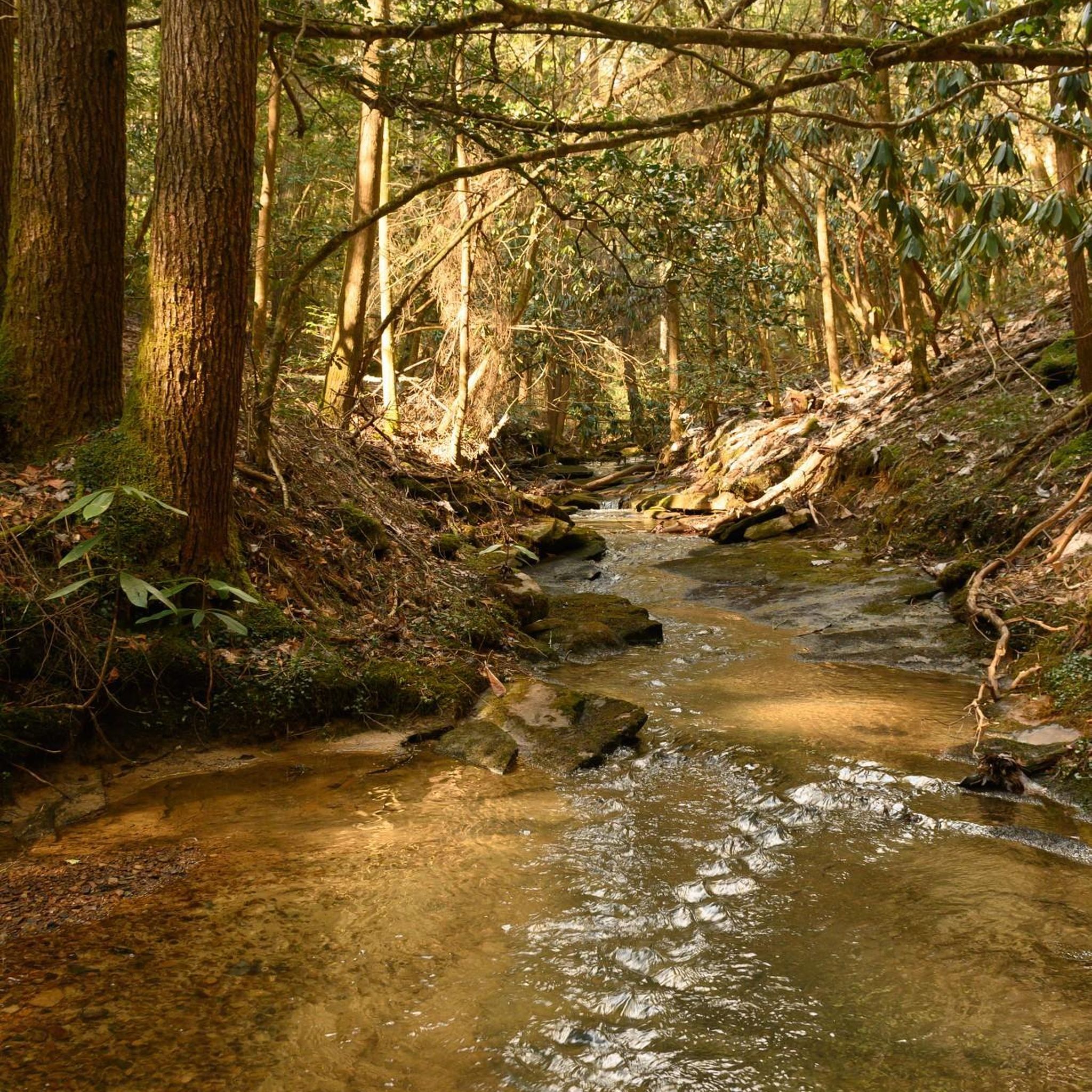
No tip, just enjoy this timeless (well not quite but hopefully you get what I mean) scene
0
0
Frequently Asked Questions
How many no traffic road cycling routes are available around Saint-Aignan?
You'll find a good selection of car-free road cycling routes in the Saint-Aignan area, with over 35 routes available. These range from easy to difficult, ensuring options for various fitness levels.
Are there easy, family-friendly no traffic road cycling routes in Saint-Aignan?
Yes, the region offers several easy, flat, and safe options ideal for families, especially along the tranquil River Cher and its canal paths. An example is the Roadbike loop from Neulliac, which is rated as easy.
What kind of terrain can I expect on no traffic road cycling routes in the Saint-Aignan region?
The terrain for no traffic road cycling in Saint-Aignan is varied. You'll find quiet country roads winding through vineyards, woods, and meadows, particularly in the Cher Valley. While generally low in elevation, some routes include gentle climbs through rural areas, offering a mix of flat sections and rolling hills.
Can I find challenging no traffic road cycling routes near Saint-Aignan?
Yes, for those seeking a greater challenge, some routes extend to longer distances with significant elevation gains. While not explicitly 'no traffic' in the strictest sense, the region's quiet country roads offer a similar experience. The area is also close to the Côte de Mûr-de-Bretagne, a well-known climb featured in the Tour de France, offering a short but steep challenge with sections over 10% gradient, which you can find as a highlight here: Côte de Mûr-de-Bretagne.
What historical landmarks or attractions can I visit while road cycling without traffic?
Many routes pass by significant historical sites. You can cycle near the impressive Bon-Repos Abbey, as seen on the Lock No. 138 of Bon Repos – Bon-Repos Abbey loop from Guerlédan. The region is also rich with châteaux of the Loire Valley, such as Chenonceau, Chambord, and Blois, which are within easy reach and provide magnificent backdrops for your rides.
Are there any scenic viewpoints or natural features along these car-free routes?
Absolutely. The River Cher is a central natural feature, offering stunning views along its banks. You'll also encounter lush vineyards, serene forests, and picturesque lakes like Lake Guerlédan. Consider the Poulancre Valley loop from Saint-Aignan for beautiful natural scenery.
Are there circular no traffic road cycling routes available?
Yes, many of the no traffic road cycling routes around Saint-Aignan are designed as loops, allowing you to start and finish at the same point. Examples include the L'Écluse 150 – Access to Dordu Pond loop from Cléguérec and the Guerlédan – Greenway in Mûr-de-Bretagne loop from Guerlédan.
What is the best time of year for no traffic road cycling in Saint-Aignan?
The Loire Valley, including Saint-Aignan, is generally best for cycling from spring through early autumn (April to October). During these months, the weather is pleasant, and the landscapes are vibrant. Summer offers longer daylight hours, while spring and autumn provide milder temperatures and fewer crowds.
How can I access these no traffic road cycling routes using public transport?
While Saint-Aignan itself is a charming town, direct public transport links to specific route starting points can be limited. It's advisable to check local bus services or regional train lines that might connect to larger towns near the routes. Many cyclists opt to drive to a central point and start their loops from there.
Where can I park my car to start a no traffic road cycling route in Saint-Aignan?
Parking is generally available in Saint-Aignan town center and in many of the smaller villages that serve as starting points for routes. Look for public car parks or designated parking areas near local amenities. Always ensure you park responsibly and check for any local restrictions.
Are there places to stop for refreshments like cafes along the no traffic routes?
Yes, many routes pass through or near charming villages where you can find local cafes, bakeries, or small shops to refuel. The Loire Valley is known for its culinary delights, so you'll often have opportunities to enjoy regional specialties. Planning your route with komoot allows you to see points of interest, including potential refreshment stops.
What do other cyclists say about the no traffic road cycling experience in Saint-Aignan?
The area is highly rated by the komoot community, with an average score of 4.2 stars. Reviewers often praise the quiet country roads, the beautiful scenery of the Loire Valley, and the varied terrain that caters to different cycling preferences, making it an ideal destination for traffic-free road cycling.
Can I combine these routes with the larger Loire à Vélo network?
Absolutely. Saint-Aignan is conveniently located near the Loire à Vélo, France's most popular bike route. This extensive network offers 600 km of level cycling through scenic landscapes, historic villages, and châteaux, characterized by low traffic and cyclist-friendly amenities. You can find more information about this network at France Vélo Tourisme.
Most popular routes around Saint-Aignan
Most popular attractions around Saint-Aignan

Get inspired with the komoot mobile app


Explore more
Browse the best Road cycling routes in other regions.
