The best traffic-free bike rides around Mercury
4.6
(414)
10,466
riders
48
rides
No traffic touring cycling routes around Mercury traverse a landscape characterized by a heavily cratered surface, vast smooth plains, and prominent rupes (cliffs). The terrain features numerous impact basins and intercrater plains, indicating a history of geological activity. These physical features create varied elevations and expansive, open areas suitable for long-distance cycling. The region's geology offers a unique backdrop for exploring its diverse surface.
Best no traffic touring cycling routes around Mercury
- The most popular no traffic touring cycling route…
Last updated: May 6, 2026
5.0
(1)
70
riders
33.8km
02:46
1,000m
1,000m
Hard bike ride. Very good fitness required. Mostly paved surfaces. Suitable for all skill levels.
5.0
(1)
17
riders
25.6km
01:58
680m
680m
Hard bike ride. Very good fitness required. Mostly paved surfaces. Suitable for all skill levels.

Sign up for free
9
riders
28.5km
02:26
870m
870m
Hard bike ride. Very good fitness required. Mostly paved surfaces. Suitable for all skill levels.
9
riders
59.1km
05:22
1,900m
1,900m
Hard bike ride. Very good fitness required. Mostly paved surfaces. Suitable for all skill levels.
7
riders
18.7km
01:25
470m
470m
Hard bike ride. Very good fitness required. Mostly paved surfaces. Suitable for all skill levels.
Get access to more routes and recommendations from other explorers.
Sign up for free
Already have an account?
Our route recommendations are based on thousands of hikes, rides, and runs completed by other people on komoot.
Start today with a free account
Your next adventure awaits.
Login or Signup
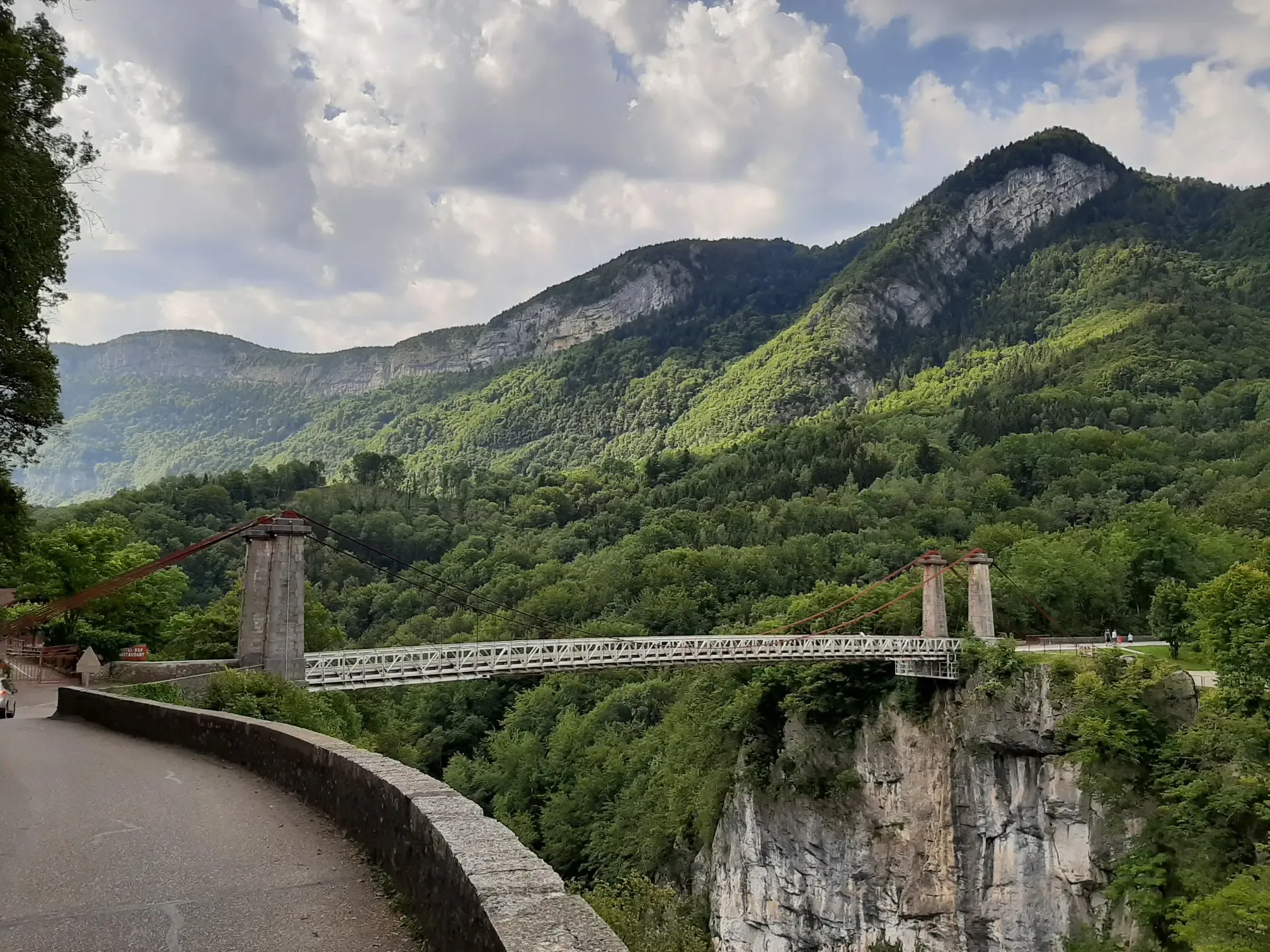
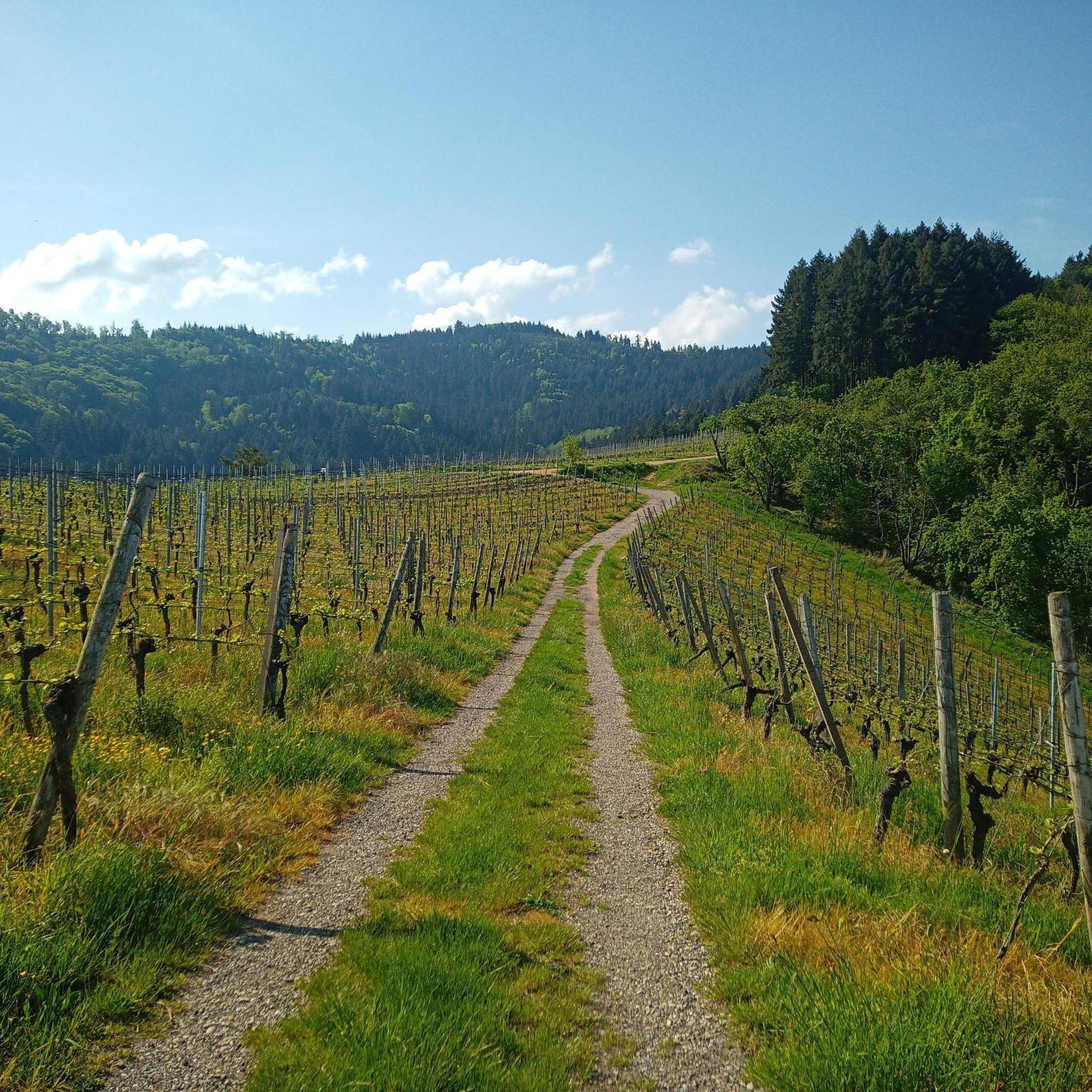

Other adventures around Mercury

Tips from the Community

To the cycle tourist who invented his own pass.
0
0


The descent to Queige is gravelly+++, a really not great surface but compensated by a superb view of Mont Blanc
1
0

Pass on a quiet road, very few cars. Not a great surface. The average slope is 7.6% with sections at 13%. No clear view at the top but a small stele dedicated to the creator of this pass. To do if you want to do some elevation gain.
0
0

On the road to Col de Tamié
0
0

Easy outing at the beginning with a trace on the cycle path then alternating rolling path, Rhone forest and Conflans climb to finish. Avoid on a rainy day, it quickly gets greasy!
0
0

This fort was built as a defensive garrison in the 19th century and played a vital role in the defense strategy. Today, it plays a more peaceful, but equally important, role in the aging of Beaufort cheese.
0
0
Although strictly speaking it's not a true mountain pass, the winding roads leading to the highest point offer fantastic, tree-lined driving conditions.
0
0
Frequently Asked Questions
Is it possible to go touring cycling on Mercury?
Unfortunately, touring cycling on the planet Mercury is not possible. The environment is extremely hostile, with temperatures ranging from a scorching 430°C (800°F) during the day to a frigid -180°C (-290°F) at night. There is no breathable atmosphere, and the surface is exposed to intense solar radiation, making any outdoor human activity, including cycling, currently impossible and lethal without advanced, sealed life support systems.
What are the environmental conditions like on Mercury for human activity?
Mercury's environment is utterly inhospitable for human activity. It lacks a substantial atmosphere, meaning no breathable air and no protection from the Sun's intense radiation. The planet experiences extreme temperature swings, from 430°C (800°F) to -180°C (-290°F), and is a vacuum. These conditions make traditional outdoor activities, such as touring cycling, unfeasible and highly dangerous.
Are there any easy, no-traffic touring bike trails on Mercury?
Given the extreme conditions on the planet Mercury, there are no established or even hypothetical 'easy, no-traffic touring bike trails.' The concept of a 'traffic-free' route is irrelevant in an environment where no human or vehicle traffic can exist in the traditional sense. Survival would require sealed, heavily protected environments, making outdoor cycling impossible.
What kind of landscapes would I see if I could cycle on Mercury?
If it were possible to cycle on Mercury, you would encounter a stark, cratered surface, much like Earth's Moon. Notable features include vast impact basins like the Caloris Basin, smooth plains from ancient lava flows, and long, winding cliffs called 'rupes' formed by the planet's contraction. Near the poles, permanently shadowed craters contain water ice due to perpetually frigid temperatures.
What is the best season for car-free bike touring on Mercury?
There is no 'best season' for car-free bike touring on Mercury, as the planet's conditions are consistently hostile to human life. The extreme temperatures, lack of atmosphere, and intense radiation persist year-round, making any form of outdoor cycling impossible at any time.
Are there any family-friendly no-traffic bike trails on Mercury?
No, there are no family-friendly or any other type of bike trails on Mercury. The planet's extreme temperatures, vacuum environment, and intense radiation make it impossible for humans, including families, to engage in outdoor activities like cycling.
What should I wear for touring bike trails on Mercury?
For touring bike trails on Mercury, standard cycling gear would be entirely insufficient. Survival would require a full, heavily insulated, radiation-shielded space suit with a self-contained life support system capable of managing extreme temperatures, vacuum, and intense radiation. This is far beyond typical outdoor apparel.
Are there any cafes or facilities near no-traffic bike trails on Mercury?
No, there are no cafes, facilities, or any form of human infrastructure near any hypothetical bike trails on Mercury. The planet is an uninhabited, hostile environment where such amenities cannot exist.
What do other touring cyclists enjoy the most about touring cycling in Mercury?
The komoot community's high rating of 4.6 stars for 'touring cycling around Mercury' reflects interest in guides that *hypothetically* explore such extreme environments or perhaps misinterpret the region name. However, it's crucial to understand that actual touring cycling on the planet Mercury is not possible due to its utterly inhospitable conditions. The rating likely pertains to conceptual interest rather than practical experience.
Can I find any permanently shadowed craters or other unique geological features along these routes?
While the planet Mercury does feature unique geological formations such as permanently shadowed craters at its poles (which contain water ice) and vast impact basins like the Caloris Basin, these are not accessible via any touring cycling routes. The extreme conditions prevent any form of human exploration on the surface without highly specialized equipment.
Where can I learn more about the planet Mercury's environment?
To learn more about the fascinating, albeit harsh, environment of the planet Mercury, you can visit reputable scientific sources. NASA provides comprehensive information on its science website: science.nasa.gov/mercury/facts/. Additionally, Wikipedia offers detailed geological insights: en.wikipedia.org/wiki/Geology_of_Mercury.
Most popular attractions around Mercury

Get inspired with the komoot mobile app


Explore more
Browse the best Cycling routes in other regions.
