The best traffic-free bike rides around Fréjairolles
4.4
(302)
2,346
riders
92
rides
No traffic touring cycling routes around Fréjairolles traverse a landscape characterized by rolling hills, river valleys, and extensive forests within the Tarn department of the Occitanie region. The area features diverse terrain, from gentle slopes along former railway lines to more challenging ascents. Natural elements such as the Tarn River and the artificial Lac de la Bancalié provide scenic backdrops for cycling. This region offers a blend of agricultural lands, woodlands, and open plateaus.
Best no traffic touring cycling routes…
Last updated: May 6, 2026
4.3
(3)
7
riders
35.4km
02:12
290m
280m
Moderate bike ride. Good fitness required. Mostly paved surfaces. Suitable for all skill levels.
15
riders
37.0km
03:06
580m
580m
Hard bike ride. Very good fitness required. Mostly paved surfaces. Suitable for all skill levels.

Sign up for free
15
riders
55.7km
04:37
1,210m
1,210m
Hard bike ride. Very good fitness required. Mostly paved surfaces. Suitable for all skill levels.
5.0
(1)
11
riders
50.9km
04:07
750m
750m
Hard bike ride. Very good fitness required. You may need to push your bike for some segments of this route.
3.3
(4)
8
riders
28.7km
01:45
180m
180m
Moderate bike ride. Good fitness required. Mostly paved surfaces. Suitable for all skill levels.
Get access to more routes and recommendations from other explorers.
Sign up for free
Already have an account?
Our route recommendations are based on thousands of hikes, rides, and runs completed by other people on komoot.
Start today with a free account
Your next adventure awaits.
Login or Signup
Popular around Fréjairolles

Tips from the Community

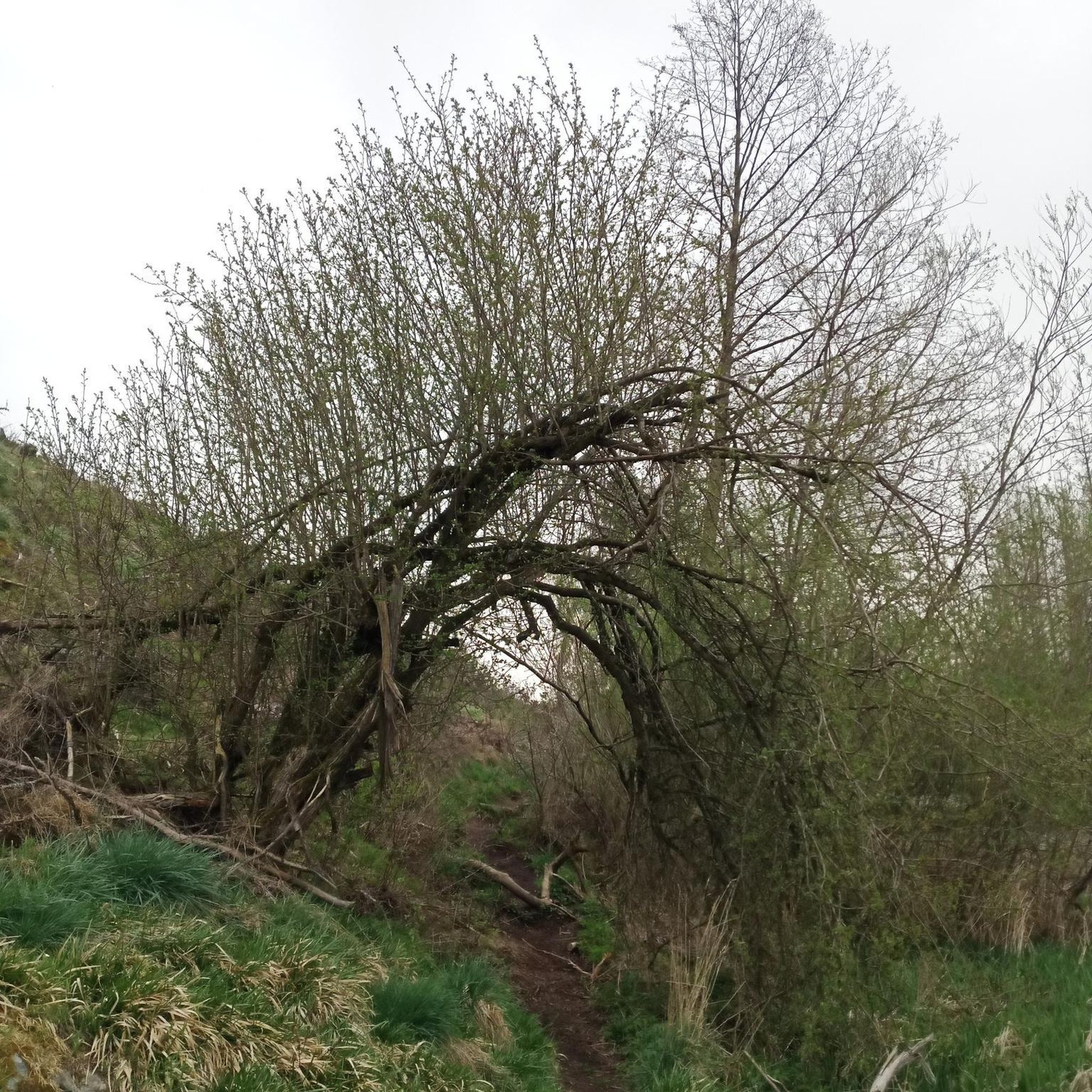
Contrary to what you might think, only one street is like this, with half-timbering, the rest of the village is ordinary. However, if you pass nearby, it's rather nice and quiet, with plenty of benches for a picnic in the village!
1
0

Coming to Albi without making a detour to the Sainte-Cécile cathedral is not possible. This religious building in red brick will amaze you as it is so imposing. For my part, it reminds me of an immense stone vessel. Faced with such majesty, you will understand why it has been classified with the episcopal city of Albi since July 31, 2010 on the UNESCO World Heritage List. The first cathedral dates back to the 4th century, but it was during the 13th century that it was profoundly modified by major works. Under the aegis of Sainte-Cécile, patron saint of musicians, take the time to visit this marvel. It is the most visited cathedral in France ahead of Notre-Dame de Paris.
0
0

Saint CECILE, to whom the cathedral in Albi was dedicated, is, among the large circle of saints, primarily responsible for good sound - if one can put it so casually at this point - because she is the patron saint of church music. Many religious choirs are named after her. The dates of her life from the corresponding saint's legend are not historically certain, but she is said to be a martyr from the beginning of the third century. The patron saint's feast day, i.e. her memorial day in the calendar of saints, is on November 22nd in all major Christian denominations.
3
0

Beautifully situated on the banks of the Tarn, Albi lives up to its name as the "red city"! This bishop's city, built of brick and stone and a UNESCO World Heritage Site, is considered one of the pearls of southwest France. The reason for this? Its beautiful buildings and picturesque charm.
3
0
The palace, with its courtyard of honour and two towers, is still very well preserved. Built in the 13th century, the palace now houses the Toulouse-Lautrec Museum, which displays a large number of works by the famous artist, who was born in Albi: paintings from his youth, portraits, paintings of brothels, sketches of the world of the spectacle.
3
0
The Sainte-Cécile Cathedral is a jewel of Gothic architecture in the south of France. It is the largest brick church in the world. It is also the largest church in Europe whose walls are still completely painted.
4
0


Fortified city from the beginning of the 13th century.
0
0
Frequently Asked Questions
How many no-traffic touring cycling routes are available around Fréjairolles?
There are nearly 100 dedicated no-traffic touring cycling routes around Fréjairolles. These routes offer a variety of experiences, with 13 easy, 42 moderate, and 40 difficult options to choose from, ensuring something for every skill level.
What kind of landscapes can I expect on these no-traffic cycling routes?
The routes around Fréjairolles traverse a diverse landscape of rolling hills, river valleys, forests, and agricultural lands. You'll find scenic stretches along the Tarn River, shaded paths through woodlands, and panoramic views from open plateaus, particularly where the Ségala of the Alban mountains meets the central hills of the department.
Are there any family-friendly no-traffic cycling routes near Fréjairolles?
Yes, the region offers routes suitable for families. The "Chemin des Droits de l'Homme" (Path of Human Rights) is a greenway built on a former railway line, connecting Castres to Albi. It features a stabilized sand surface and gentle slopes, making it comfortable for family cycling through agricultural areas and woodlands.
Can I find circular no-traffic touring routes around Fréjairolles?
Absolutely. Many routes are designed as loops, allowing you to start and finish in the same location. For example, the Montdragon and Path of Human Rights Loop offers a moderate 35 km ride, while the Route de Réalmont loop from Cambon provides a more challenging 37 km option.
What are some notable natural features or viewpoints along the routes?
Cyclists can enjoy views of the Tarn River, especially on routes like the "Chemin des Mineurs" loop. The area also features panoramic plateaus, such as from "le Blanquet," offering vistas of crops and meadows. The artificial Lac de la Bancalié is another popular spot, with routes encircling it through forests, rolling hills, and vast meadows.
What attractions can I visit along or near the no-traffic cycling routes?
Many routes pass close to historical and cultural sites. For instance, the View of the Tarn – Albi loop from Cambon brings you near the city of Albi, home to the impressive Saint Cecilia's Cathedral, Albi, the Saint-Salvi Cloister of Albi, and the Palais de la Berbie.
Are there any challenging no-traffic routes for experienced touring cyclists?
Yes, for experienced cyclists seeking a challenge, routes like the Plage de La Maurinié – Plage du Roc Blanc loop from Fréjairolles offer substantial climbs over its 55.7 km distance. Another demanding option is the Lac de la Bancalié – Route de Réalmont loop from Cambon, which covers over 50 km with significant elevation gain.
What is the best time of year to go touring cycling in Fréjairolles?
The region is generally pleasant for cycling from spring through autumn. Spring offers lush greenery and mild temperatures, while autumn provides beautiful foliage. Summer can be warm, but routes through forested areas or along river valleys offer shade. Always check local weather conditions before heading out.
What do other touring cyclists enjoy most about the routes in Fréjairolles?
The no-traffic touring cycling routes around Fréjairolles are highly rated by the komoot community, with an average score of 4.4 stars from over 260 reviews. Cyclists often praise the peaceful, varied landscapes, the well-maintained paths, and the opportunity to explore the charming countryside and historical towns without vehicle interference.
Are there opportunities for other outdoor activities near the cycling routes?
Beyond cycling, the Tarn department offers a range of outdoor pursuits. You can find extensive networks for hiking and trail running, especially in areas like the Gorges du Tarn. The Tarn River is also ideal for water sports such as canoeing, kayaking, and stand-up paddleboarding. For more information on activities, you can visit tourisme-tarn.com.
Are there any specific routes that offer riverside cycling?
Yes, several routes incorporate sections along the Tarn River. The "Chemin des Mineurs" loop from Cambon provides varied terrain with views of the Tarn River. Additionally, the challenging Plage de La Maurinié – Plage du Roc Blanc loop from Fréjairolles passes by river beaches along the Tarn, offering scenic waterside stretches.
Most popular attractions around Fréjairolles

Get inspired with the komoot mobile app


Explore more
Browse the best Cycling routes in other regions.
