The best traffic-free bike rides around Bray-Dunes
4.3
(214)
10,712
riders
214
rides
No traffic road cycling routes around Bray-Dunes are characterized by the region's extensive dune systems and flat coastal plains. The area offers a network of well-maintained paths, including sections of La Vélomaritime / EuroVelo 4, which often take the form of greenways. These routes provide a consistent terrain with minimal elevation changes, making them suitable for various cycling preferences. The landscape transitions from sandy beaches to preserved dune environments, offering a distinct natural setting for road cyclists.
Best no traffic…
Last updated: May 6, 2026
4.4
(5)
135
riders
52.4km
02:22
70m
70m
Moderate road ride. Good fitness required. Some segments of this route may be unpaved and difficult to ride.
5.0
(1)
55
riders
74.8km
03:20
170m
170m
Moderate road ride. Good fitness required. Some segments of this route may be unpaved and difficult to ride.

Sign up for free
29
riders
42.0km
01:37
100m
100m
Easy road ride. Great for any fitness level. Mostly well-paved surfaces and easy to ride.
22
riders
98.1km
04:26
500m
500m
Moderate road ride. Good fitness required. Some segments of this route may be unpaved and difficult to ride.
43
riders
Moderate road ride. Good fitness required. Some segments of this route may be unpaved and difficult to ride.
Get access to more routes and recommendations from other explorers.
Sign up for free
Already have an account?
Our route recommendations are based on thousands of hikes, rides, and runs completed by other people on komoot.
Start today with a free account
Your next adventure awaits.
Login or Signup
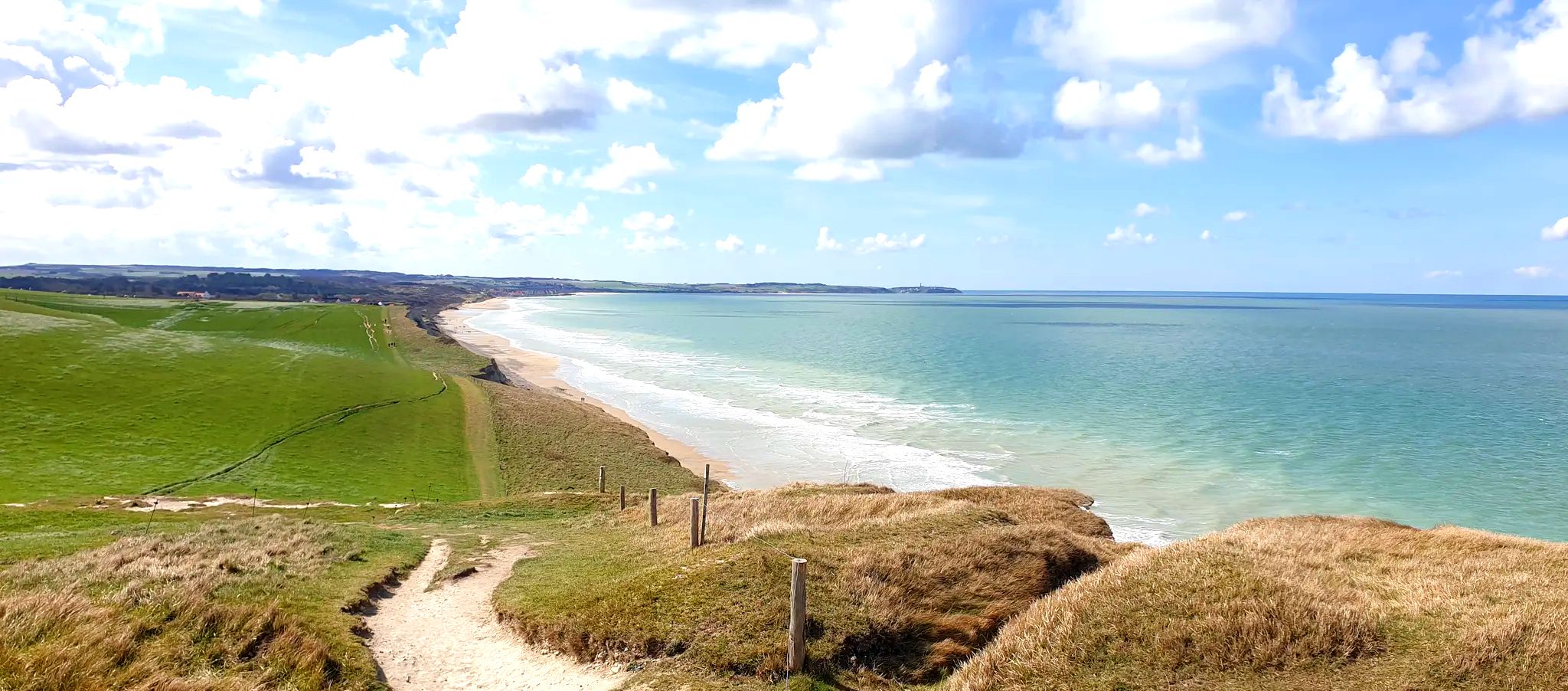
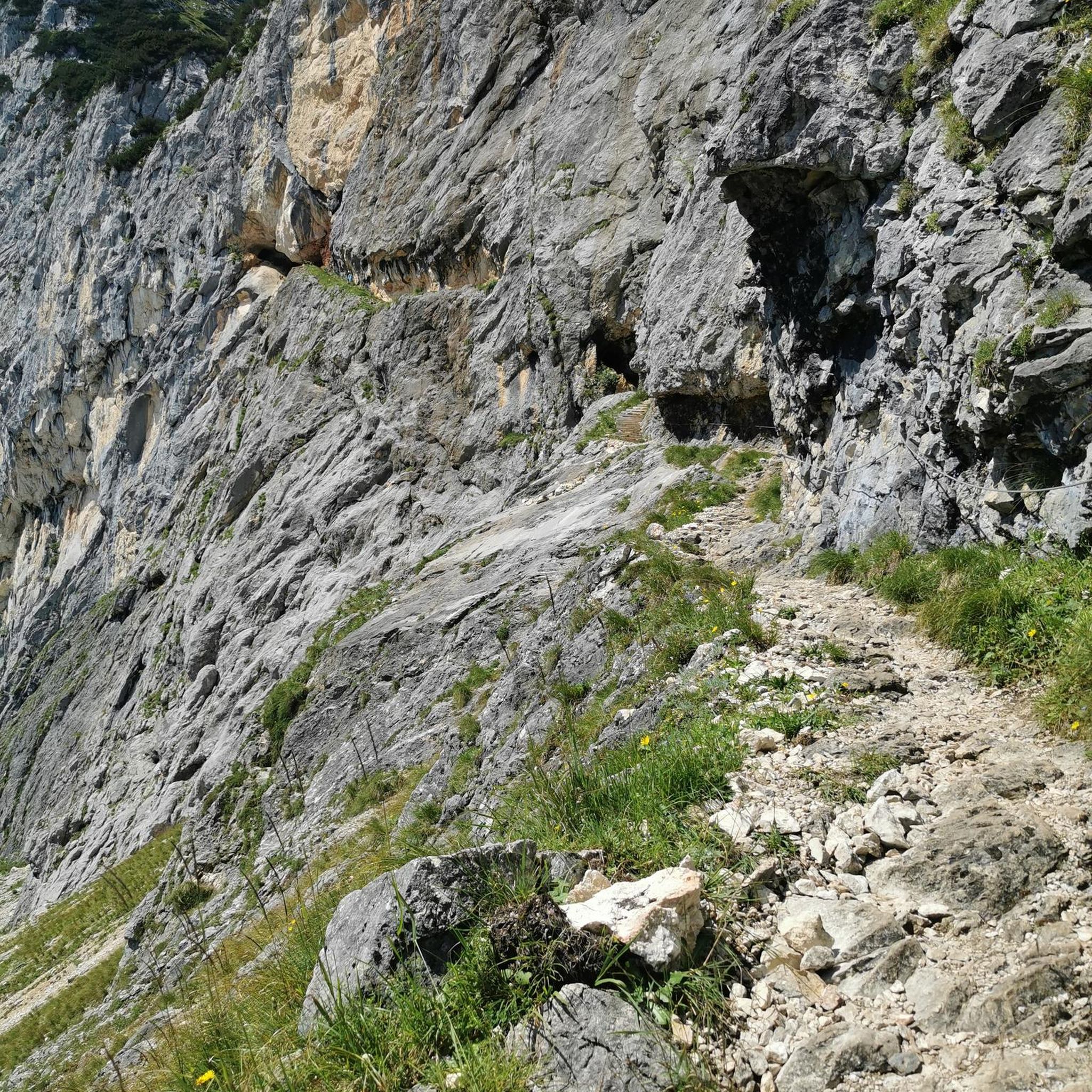

Other adventures around Bray-Dunes

Tips from the Community

The Caesarsboom is an old yew tree (also known as poison tree) in the town of Lo in the Belgian Westhoek region. The tree is one of Lo's typical symbols and is located next to the medieval Westpoort gate. The name refers to a legend about Julius Caesar, who is said to have taken a nap under the tree in 55 BC on his way to Britain and tied his horse to it. The story goes back to the historian Jean-Baptiste Gramaye, who was the first to allow Caesar to pass through Lo in 1612. In reality, the Caesarsboom is approximately 250 years old. A painting from the late 18th century depicts its predecessor in full maturity. https://nl.wikipedia.org/wiki/Caesarsboom
2
0

From the 10th century onwards, a Romanesque church stood here. This church had fallen into very poor condition, and in 1802 it was renovated to serve as a parish church after the French Revolution. By 1862, only the nave remained, and it was decided to demolish the old church. In 1872, the foundation stone of a new church was laid on top of a dune. It was a Neo-Gothic church building. In 1940, this church was largely destroyed. Consequently, worshippers had to worship in a temporary church, and reconstruction began in 1949. Construction was interrupted by bankruptcy, but resumed in 1955. The church was consecrated in 1958. The church has a tower attached to the front, which also housed a clock in 1988. The stained-glass windows in the choir depict the life of Saint Vincent de Paul. Source: Wikipedia
0
0
This monument commemorates the residents of Ghyvelde who died in the First and Second World Wars. The monument stands on the square in front of the church. Atop the column is a sculpture: at the front, a soldier with a rifle and a flag in his hand. Behind him is the statue of a victorious woman holding a laurel wreath above the flag. Below that, a cross in relief: "1914 – 1918" "To the children of Ghyvelde who died for France" On the plinth are several memorial plaques: "To the fighters Tunisia – Morocco – Algeria * Indochina 1952-1962 1946-1954" Below that, a plaque listing the victims of the First World War, arranged by year. The names continue on the right side of the plinth. 1914: 15 names 1915: 14 names 1916: 14 names 1917: 7 names (right) 1918: 12 names At the bottom, a plaque with 27 names, indicating their regiment, various nationalities (including Canadians). "Ghyvelde was liberated on September 15, 1944" On the left side of the plinth : "Civilian Casualties" 1914: 4 names 1917: 1 name "Tribute to the Canadian Soldiers" 1944 "War 1939-1945 Military Casualties": 9 names Source: https://www.tracesofwar.nl/sights/5847/Oorlogsmonument-Ghyvelde.htm
0
0

ON 23 JULY 1827, THE FOUNDATION STONE WAS LAID BY THE HIGHLY HONOURABLE COUNT FERDINAND DEBAILLET, GOVERNOR OF THE PROVINCE OF WEST FLANDERS, CHAMBERL OF HIS MAJESTY THE KING OF THE NETHERLANDS, WILLIAM THE FIRST.
0
0


a beautiful turn
0
0


Frequently Asked Questions
How many no traffic road cycling routes are available around Bray-Dunes?
There are nearly 200 no traffic road cycling routes around Bray-Dunes listed on komoot. These routes cater to various skill levels, with a good selection of easy, moderate, and challenging options.
What is the general terrain and difficulty level of no traffic road cycling routes in Bray-Dunes?
The region around Bray-Dunes is largely flat, especially along the coast and through the dunes, making many routes accessible for various fitness levels. While some routes are entirely flat, others may feature gentle undulations. For example, the De Briarde Castle loop is an easy option, while routes like the Fintele Lock – Veurne Market Square loop offer a moderate challenge over longer distances.
Are there any family-friendly no traffic road cycling routes in Bray-Dunes?
Yes, Bray-Dunes offers several family-friendly options, particularly along the coastal greenways and designated cycle paths. The flat terrain and absence of traffic on these routes make them suitable for cyclists of all ages. The section of La Vélomaritime / EuroVelo 4 from Dunkirk to Bray-Dunes is a greenway, ideal for safe family exploration.
What natural features or scenic viewpoints can I expect on these routes?
The primary natural features are the extensive dune systems, such as the Marchand Dune and Dewulf Dune, part of the 'Dunes de Flandres'. You can also enjoy coastal views along the promenade through resorts like Malo-les-Bains. Highlights like the View from the Hoge Blekker offer panoramic vistas of the unique landscape.
Are there any historical sites or castles to see along the no traffic routes?
Yes, the region has several historical sites and castles. You might encounter structures like Fort des Dunes or the World War I site of Kasteel-Hospitaal Cabour and Cabour Dunes. Further inland, you could pass by impressive structures such as Beauvoorde Castle.
What do other road cyclists enjoy most about the no traffic routes in Bray-Dunes?
The komoot community highly rates the road cycling experience in Bray-Dunes, with an average score of 4.4 stars from over 220 ratings. Reviewers often praise the quiet, traffic-free nature of the routes, the unique dune landscapes, and the refreshing coastal atmosphere.
Are there any long-distance cycling routes that pass through Bray-Dunes?
Yes, Bray-Dunes is part of the significant long-distance cycling route, La Vélomaritime / EuroVelo 4, which traces the French coast. The section from Dunkirk to Bray-Dunes and towards the Belgian border is a greenway, offering a safe and scenic ride. You can find more information about this route on France Vélo Tourisme.
What is the best time of year for traffic-free road cycling in Bray-Dunes?
The coastal climate of Bray-Dunes makes it enjoyable for cycling for much of the year. Spring and autumn generally offer pleasant temperatures and fewer crowds than the peak summer months, providing an ideal balance for traffic-free riding. Even winter can be suitable for cycling, though it's advisable to check weather conditions.
Are there circular no traffic road cycling routes available?
Yes, many of the no traffic road cycling routes around Bray-Dunes are designed as loops, allowing you to start and end at the same point. Examples include the West Gate – Veurne Market Square loop or the Hondschoote Town Center – De Moeren loop, which offer varied distances and scenery.
Can I find cafes or amenities near the no traffic road cycling routes?
Given Bray-Dunes' identity as a seaside resort and the presence of charming villages along many routes, you can expect to find cafes, restaurants, and other amenities. Routes like the Café Au Retour de la Chasse – Café De Miserie loop even highlight specific establishments, indicating opportunities for refreshment stops.
What are the typical distances for no traffic road cycling routes in this area?
The distances for no traffic road cycling routes around Bray-Dunes vary significantly. You can find shorter, easy loops around 40 km, such as the De Briarde Castle loop. There are also longer, moderate routes extending up to 75 km, like the West Gate – Veurne Market Square loop, offering options for different endurance levels.
Most popular attractions around Bray-Dunes

Get inspired with the komoot mobile app


Explore more
Browse the best Road cycling routes in other regions.
