The best traffic-free bike rides around Bellenglise
4.2
(40)
3,014
riders
195
rides
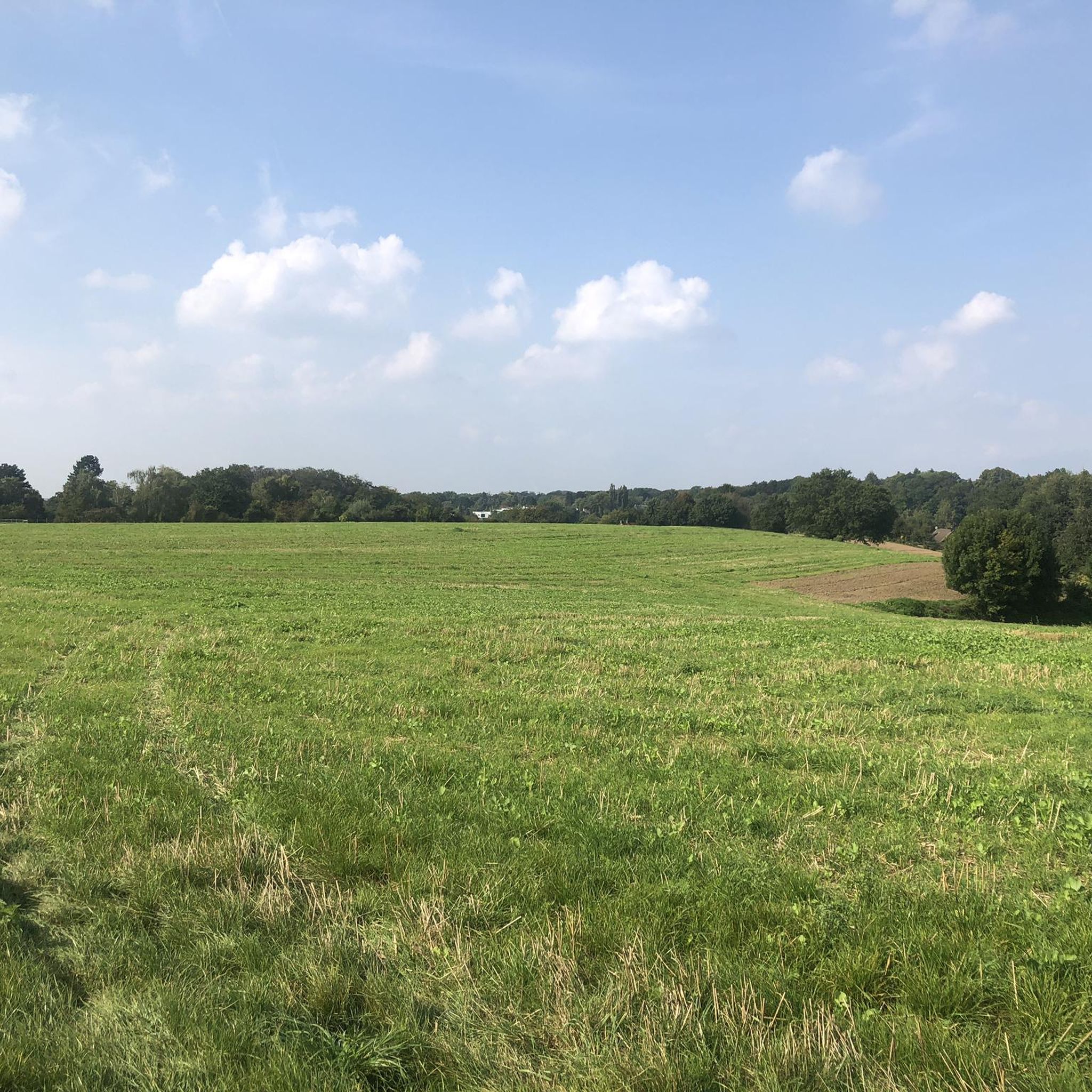
No traffic road cycling routes around Bellenglise are characterized by the gentle terrain of the Aisne department in Hauts-de-France. The region features expansive agricultural fields, charming wooded paths, and the prominent St. Quentin Canal. This waterway offers mostly flat, car-free towpaths, providing accessible cycling with moderate inclines. The landscape also includes historical sites from World War I, such as the Hindenburg Line, adding a historical dimension to the rural scenery.
Best no traffic road cycling routes around Bellenglise
- The most…
Last updated: May 6, 2026
36
riders
85.7km
03:39
620m
620m
Moderate road ride. Good fitness required. Mostly well-paved surfaces and easy to ride.
29
riders
87.5km
03:36
390m
390m
Moderate road ride. Good fitness required. Mostly well-paved surfaces and easy to ride.

Sign up for free
2.0
(1)
23
riders
87.3km
03:43
630m
630m
Moderate road ride. Good fitness required. Some segments of this route may be unpaved and difficult to ride.
9
riders
67.1km
03:05
530m
530m
Moderate road ride. Good fitness required. Some segments of this route may be unpaved and difficult to ride.
11
riders
9.88km
00:28
90m
90m
Easy road ride. Great for any fitness level. Mostly well-paved surfaces and easy to ride.
Get access to more routes and recommendations from other explorers.
Sign up for free
Already have an account?
Our route recommendations are based on thousands of hikes, rides, and runs completed by other people on komoot.
Start today with a free account
Your next adventure awaits.
Login or Signup
Popular around Bellenglise

Tips from the Community

This is where the Somme River rises. Its name is traced back to Celtic origins and also gives its name to the department of the same name. At the time when Gaul was part of the Roman Empire, the river was called the Samara. It ends its approximately 245-kilometer-long river life in the Baie de Somme, where it flows into the English Channel.
0
0

The listed building is striking for its original architecture with a porch tower over 34 meters high, a double transept or a radio-concentric choir. Inside, the visitor is seduced by the ancient 260 m long labyrinth engraved in the paving of the nave. Stained glass windows installed at different times complete the artistic offer of the Saint-Quentin Basilica, with in particular medieval stained glass windows in the apse chapels dating from the 12th century. These depict episodes from the life of the Virgin Mary and Saint Stephen.
2
0

The Basilique Saint-Quentin is a beautiful Gothic church in the heart of Saint-Quentin, France. Built between the 12th and 15th centuries, this basilica is dedicated to the martyr Saint Quentin. With an impressive 133 meters long and 40 meters high, it is a real eye-catcher. What makes this basilica really special are the unique architectural elements such as the tower-portico at the front, the double transept, and the choir with radiating chapels. Inside, you will also find an ancient labyrinth of 260 meters in the floor of the nave, which is a fascinating detail. The basilica has a rich history and contains the relics of Saint Quentin, who were an important object of veneration in the Middle Ages. Although the building was badly damaged during the First World War, it was reopened in 1956 after extensive restoration.
1
0
Joncourt British Cemetery is a serene military cemetery located in Joncourt, France, and contains the graves of British soldiers who died during the First World War. Designed by William Cowlishaw, the cemetery is situated on the road from Joncourt to Levergies, approximately half a mile south of the village centre1. With a rectangular plan and surrounded by a stone wall, the cemetery provides a peaceful place for reflection. The Cross of Sacrifice, a hallmark of British military cemeteries, stands in the western corner1. The graves of 61 soldiers, three of whom are unidentified, belong to the 10th Argyll and Sutherland Highlanders1. The cemetery is lovingly maintained by the Commonwealth War Graves Commission, who ensure that the memory of these soldiers is kept alive.
1
0
This Cistercian abbey was founded in 1132 by Bernard of Clairvaux and grew into a large and influential community within a century. Royal armies camped there as in a fortress and Charles V signed peace with Henry II in 1556. In addition to the sick and outcasts, travellers and pilgrims also found shelter in the hospital. The largest abbey church in Europe stood here with an extraordinary length of 135 metres. On feast days, 3000 meals were provided to the needy in the wide area. After the French Revolution, it was declared national property and an inglorious end followed as an open-air quarry. Now, restored parts remain, such as the abbot's palace with the dormitories and monks' halls with the chapter house next to it. The 7-hectare abbey park is being restored to its former glory. Open March to November (Tue-Sat 10am-12pm and 2pm-5.30pm, Sun 3pm-6.30pm, closed Mondays).
1
0
The Romanesque tower, seemingly lost along the road, was once part of a huge fortification wall, 7 kilometres long and 5 to 6 metres high, built between 1204 and 1238 around the area of Vaucelles. In the 15th century, it was provided with 8 towers, but demolished in 1550 for the construction of the fortifications of Cambrai.
1
0

As a memorial to the many dead, such a "MONUMENT AUX MORTS" (usually called a "Central Memorial" or "War Memorial" in German-speaking countries) is still very important today. "Now, Lord, you let your servant depart in peace, as you have said..." it says in the so-called "Hymn of Simeon" (Luke's Gospel, Chapter 2, Verse 29). However, the people who are remembered here did not depart in peace, but became victims of war and tyranny. Therefore, the term "fallen memorial" is now sometimes used instead of the "war memorial" that was previously common in German. In the French-speaking world, however, this aspect of commemoration of the dead has long been included in the most commonly used term "MONUMENT AUX MORTS". Regardless of language and nation, such a memorial has two important and at the same time everlasting tasks: -1- to keep the memory of the suffering and horror of war alive, -2- and to remind people of the need to maintain peace in the long term.
2
0
Frequently Asked Questions
How many no-traffic road cycling routes are available around Bellenglise?
There are over 190 dedicated no-traffic road cycling routes around Bellenglise listed on komoot. These routes offer a variety of distances and difficulty levels, ensuring there's something for every cyclist looking for a peaceful ride.
What is the general difficulty level of these no-traffic road cycling routes?
The majority of no-traffic road cycling routes around Bellenglise are rated as moderate, with 169 routes falling into this category. There are also 19 easy routes perfect for a relaxed ride, and 6 more challenging options for experienced cyclists seeking a greater workout.
What kind of terrain can I expect on no-traffic road cycling routes in Bellenglise?
You can expect mostly gentle terrain, characteristic of the Aisne department. Many routes follow the flat, car-free towpaths of the St. Quentin Canal, which are generally well-paved but may have some sections with loose stones or gravel. Beyond the canal, routes traverse rural countryside with expansive agricultural fields and charming wooded paths, featuring moderate inclines rather than steep climbs.
Are there any family-friendly no-traffic cycling routes in the area?
Yes, the flat and car-free sections along the St. Quentin Canal are particularly well-suited for families. These routes provide a safe and enjoyable environment away from vehicle traffic, allowing everyone to cycle at their own pace and enjoy the scenic views. Look for routes categorized as 'easy' for the most family-friendly options.
What historical landmarks or natural features can I see along these routes?
Bellenglise and its surroundings are rich in history and natural beauty. You can cycle past significant WWI historical sites, including areas related to the Hindenburg Line and the Battle of St. Quentin Canal. The Cycle path along the Canal de Saint-Quentin is a central feature, where you can observe intricate lock systems and learn about the unique Riqueval Tunnel. The Joncourt British Cemetery - World War 1 is another poignant site. For panoramic views, consider routes that pass near the 4th Australian Division Memorial, which overlooks the canal and battlefields.
Are there circular no-traffic road cycling routes available?
Yes, many of the no-traffic road cycling routes around Bellenglise are designed as loops, allowing you to start and end at the same point without retracing your steps. For example, the "Bench by the Canal – Source of the Somme loop from Lesdins" is a moderate 42 km circular route that offers a great experience.
What do other cyclists enjoy most about road cycling in Bellenglise?
The area is highly rated by the komoot community, with an average score of 4.2 stars. Reviewers often praise the tranquil, car-free environment, especially along the St. Quentin Canal, and the blend of scenic rural landscapes with significant historical sites. The relatively flat terrain also makes it accessible for various fitness levels.
Where can I park my car when starting a no-traffic road cycling route?
While specific parking areas for each route vary, you'll generally find parking available in the villages and towns along the St. Quentin Canal, including Bellenglise itself. Look for public parking lots or designated areas near canal access points, which often serve as convenient starting points for rides.
Can I reach Bellenglise by public transport with my bike?
Public transport options in rural areas like Bellenglise can be limited, especially for carrying bikes. It's advisable to check regional bus or train services (if available) in advance for their bike policies. Often, driving to a starting point with your bike is the most flexible option for exploring these routes.
What is the best time of year for no-traffic road cycling in Bellenglise?
Spring and autumn generally offer the most pleasant conditions for road cycling in Bellenglise, with mild temperatures and beautiful scenery. Summer can also be enjoyable, but it's wise to start early to avoid the midday heat. Winters can be cold and damp, making them less ideal for cycling.
Are there cafes or pubs along the no-traffic road cycling routes?
While the routes themselves are often traffic-free and pass through rural areas, you'll find cafes, bakeries, and small restaurants in the villages and towns located along or near the St. Quentin Canal. These make for excellent spots to refuel and relax during your ride. It's a good idea to plan your stops in advance.
What is a good example of a longer no-traffic road cycling route?
For a longer ride, consider the "Saint-Gobain Glassworks – Basilique Saint-Quentin loop from Saint-Quentin". This moderate route covers approximately 85 km and offers a diverse experience, including sections along the canal and through the surrounding countryside, with historical points of interest like the Basilique Saint-Quentin.
Most popular routes around Bellenglise
Most popular attractions around Bellenglise

Get inspired with the komoot mobile app


Explore more
Browse the best Road cycling routes in other regions.
