The best traffic-free bike rides around Saint-Martin-De-Juillers
5.0
(1)
43
riders
11
rides
No traffic touring cycling routes around Saint-Martin-De-Juillers traverse a serene and picturesque rural landscape in the Charente-Maritime department of Nouvelle-Aquitaine, France. The region is characterized by lush countryside, expansive fields, and forests, providing a tranquil backdrop for cycling. The Nie river, a tributary of the Boutonne, flows through the area, creating green corridors. This environment offers a relaxed experience away from heavy traffic, ideal for exploring quaint local scenery.
Best no traffic touring cycling routes around Saint-Martin-De-Juillers
- The most popular…
Last updated: May 7, 2026
44.9km
02:38
190m
190m
Moderate bike ride. Good fitness required. Mostly paved surfaces. Suitable for all skill levels.
5.0
(1)
30
riders
40.9km
02:45
180m
180m
Moderate bike ride. Good fitness required. Mostly paved surfaces. Suitable for all skill levels.

Sign up for free
2
riders
20.2km
01:18
90m
90m
Easy bike ride. Great for any fitness level. Mostly paved surfaces. Suitable for all skill levels.
2
riders
20.0km
01:16
90m
90m
Easy bike ride. Great for any fitness level. Mostly paved surfaces. Suitable for all skill levels.
3
riders
7.08km
00:25
40m
40m
Easy bike ride. Great for any fitness level. Mostly paved surfaces. Suitable for all skill levels.
Get access to more routes and recommendations from other explorers.
Sign up for free
Already have an account?
Our route recommendations are based on thousands of hikes, rides, and runs completed by other people on komoot.
Start today with a free account
Your next adventure awaits.
Login or Signup
Popular around Saint-Martin-De-Juillers
Tips from the Community

Magnificent We can also have a picnic
0
0

A must-see visit alongside this abbey on a magnificent circuit
0
0

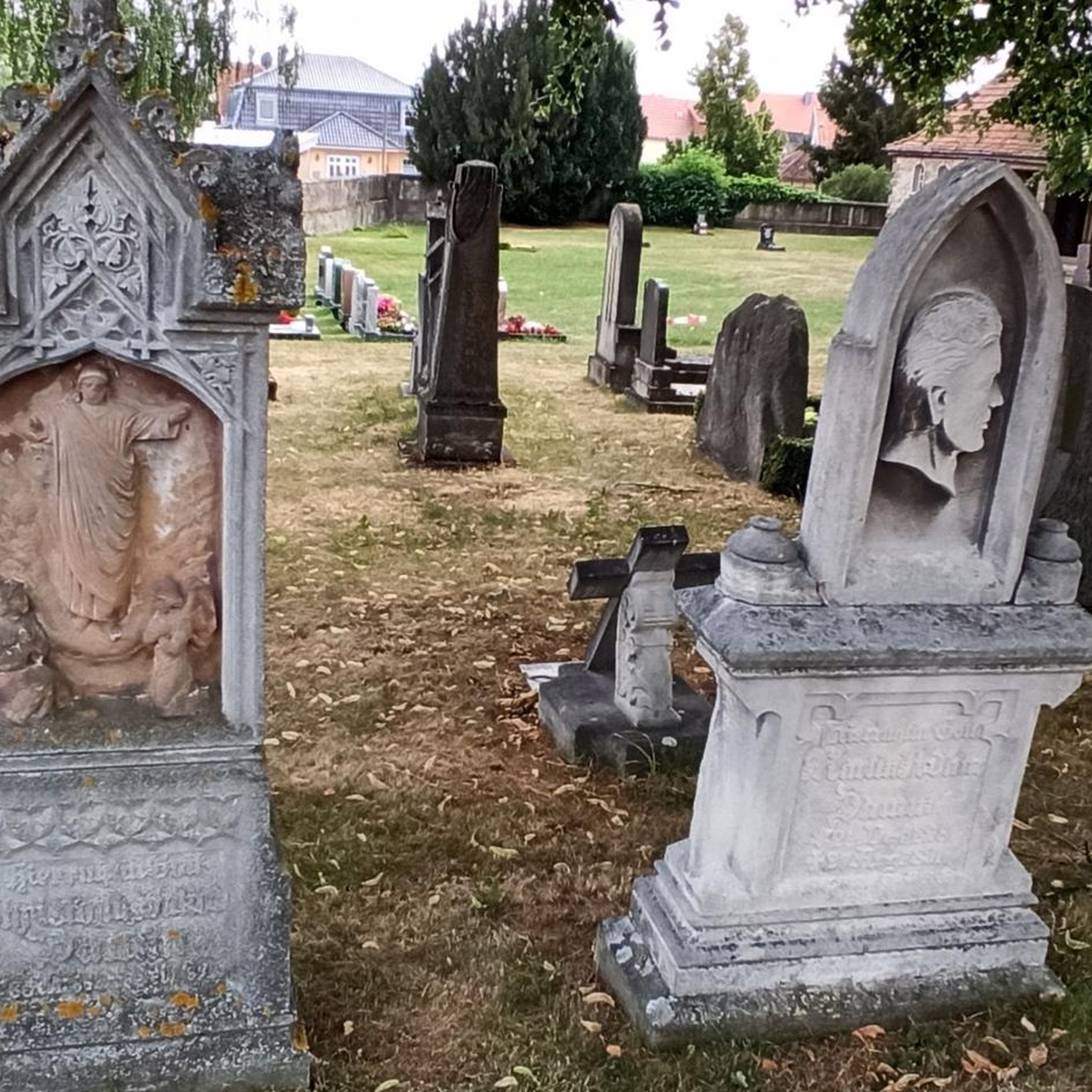
The walls of the nave were doubled by means of arcades and it was endowed with a new chevet and a new bell tower. With an elegant silhouette and intact in its southern part, it is openworked with four twin bays on semicircular arches on two floors. The interior has a nave with three bays. A bay separates the nave from the front choir vaulted in blocks of rubble which, very narrow, supports the bell tower. The semi-circular apse is vaulted in cul-de-four. The 19th century side chapel, dedicated to Saint Anthony, is located on the left as you enter. Vaulted in a broken cradle, it has a stucco altar whose base has five broken arch bays. A very beautiful ornate wooden balcony dating from the end of the 19th century is located at the interior entrance of the church. The statue of Notre-Dame de Fontdouce, known as "the Virgin and Child" was sculpted by a monk from the Abbey of Fontdouce around the 15th century. It has been kept in the church of Saint Bris des Bois since the revolution and was once a destination of pilgrimage. On the back wall, a semicircular stained glass window indicates the names of the parish priest, Mr. Hague, and the mayor at the time, Mr. Lévécot (1904). The Priory of St Robert: the chapel destroyed during the wars of religion, the campanile is still in place. Saint Robert once had a great reputation, at the end of the 19th century, children suffering from certain illnesses were still brought there "before sunrise". The church was listed as a Historic Monument in 1973. To visit it you will have to pay your tribute just the price of a slight effort ....... the church is located at the top of the hill overlooking the village and adjoining the cemetery.
0
0
Towards the end of the 12th century, an abbey church was built. At the beginning of the 13th century, attached to the west of the first Romanesque abbey, a Gothic-style cloister was gradually built. The abbey reached its peak from this period: in addition to its priories (la Grainetière in Vendée and la Tenaille near Pons), it owned land within a radius of 100 km, including saltworks on the coast. In the 15th century, Fontdouce obtained the title of royal abbey leading to a profound change in its mode of administration: the abbot was no longer elected by his peers within the community but was appointed by the king. It is often a great layman to whom the king grants the commendation, that is to say 80% of the income of the abbey. Then, the wars of religion, in the 16th century, accelerated its decline. The abbey church is ransacked: it will never be rebuilt. The years following the French Revolution also brought their share of destruction: several buildings, including the refectory, disappeared. The last monks were driven out in 1793 and the following year the site was sold as National Property to serve as agricultural property. The farmer who bought the place then built, on the remains of the conventual buildings, a house in the First Empire style. In the 1820s, Fontdouce entered the family of the current owners who, on December 16, 1986, had the Gothic parts, chapter house and parlor classified as historical monuments2. From 1970, the current owners undertook a series of excavations intended for the restoration of the Abbey of Fontdouce. They are gradually bringing the beautiful chapter house and the Gothic parlor back to life, the two superimposed Romanesque chapels and several other remains. These restoration works earned them third prize in the masterpiece in danger competition in 1979. In 1986, the site was entirely classified as a Historic Monument1. Today, Fontdouce remains a private property, focused on tourist and cultural activities, supported in its development actions by a team of enthusiasts grouped together within the Association Guillaume de Conchamp.
1
0

Overlooks a large park at the edge of the aerial. Slide for children and football cage. Picnic table and benches.
0
0
This church dedicated to Saint Brice, bishop of Tours, disciple and successor of Saint Martin, is Romanesque in style. Its square tower with a pyramidal roof rises at the edge of the plateau at the foot of which flows the Koran. This building built in the 11th century in rubble was transformed in the 12th century.
0
0
It was while looking for a path mentioned on Komoot (but which we did not find anyway), that we passed this house (on the outward and return) and in front of which we did not hesitate to take in photo this formidable collection of garden gnomes. Given its distance from all main roads, it deserves this essential to be highlighted and justify the detour of a few cyclists (a little fadas like us) interested in curiosities and unusual things.
0
0
A few words about the history of this abbey. It was founded around 1111 on the banks of the "Fontaine Douce", by Guillaume de Conchamp, lord of Taillebourg.
2
0
Frequently Asked Questions
How many no-traffic touring cycling routes are available around Saint-Martin-De-Juillers?
There are 11 dedicated no-traffic touring cycling routes available in the Saint-Martin-De-Juillers area. These routes are designed to offer a serene experience through the Charente-Maritime countryside, away from vehicular traffic.
Are there easy no-traffic cycling routes suitable for beginners or families?
Yes, the region offers several easy no-traffic routes perfect for beginners or families. For instance, the Mornay Castle loop from Saint-Pardoult is an easy 22.9 km ride, and the Church of Bagnizeau loop from Courcerac is another accessible option at 20.2 km.
What is the best time of year to enjoy no-traffic touring cycling in Saint-Martin-De-Juillers?
The mild temperatures and blooming landscapes of spring, particularly from April to June, make it an especially inviting time for outdoor pursuits like touring cycling. The verdant countryside is at its most beautiful, offering a tranquil backdrop for your rides.
Are there circular no-traffic touring cycling routes available?
Yes, many of the no-traffic touring cycling routes in the area are circular, allowing you to start and end your journey in the same location. Examples include The abbey of Fontdouce from Matha — loop and the Church of Bagnizeau – Laundry loop from Courcerac.
What kind of landscapes can I expect on these no-traffic cycling routes?
The routes wind through lush countryside, expansive fields, and forests, characteristic of the Charente-Maritime department. You'll experience the rural charm of the region, with glimpses of the Nie river's 'coulée verte' and tranquil village scenery.
What attractions or points of interest can be found along or near these routes?
While cycling, you can discover historical sites such as the 12th-century Romanesque Église Saint-Martin in the village itself. The routes also pass through charming villages with stone houses, offering a glimpse into authentic French rural life. The nearby Marais Poitevin, known as the 'Green Venice,' is a significant natural attraction for peaceful boat rides, though not directly on these cycling routes.
Are there any amenities like cafes or accommodation along the no-traffic cycling routes?
Saint-Martin-De-Juillers and surrounding villages offer a serene atmosphere. While specific cafes directly on every route might be limited, you'll find amenities in the villages you pass through or start from. It's advisable to check local opening times, especially in smaller hamlets.
What do other touring cyclists enjoy most about cycling in Saint-Martin-De-Juillers?
The area is highly rated by the komoot community, with an average score of 5.0 stars. Reviewers often praise the tranquil environment, the absence of traffic, and the picturesque rural landscapes that make for a truly relaxing cycling experience.
Is public transport available to access these no-traffic cycling routes?
Saint-Martin-De-Juillers is a rural village. While local bus services might connect to larger towns, direct public transport access specifically for cycling routes can be limited. It's generally recommended to arrive by car, especially if you're bringing your own bicycle, and utilize local parking options.
Are the no-traffic cycling routes suitable for dogs?
While the routes themselves are generally quiet and pass through natural areas, the suitability for dogs depends on individual route specifics and local regulations. Always keep dogs on a leash, especially near farmlands or wildlife, and ensure they are comfortable with the distance and terrain. Check for water sources along your chosen route.
What is the typical length of no-traffic touring cycling routes in this area?
The no-traffic touring cycling routes around Saint-Martin-De-Juillers vary in length. You can find routes ranging from approximately 20 km, like the Church of Bagnizeau loop from Matha, up to around 45 km, such as The abbey of Fontdouce from Matha — loop, offering options for different fitness levels and time commitments.

Get inspired with the komoot mobile app


Explore more
Browse the best Cycling routes in other regions.
