The best traffic-free bike rides around Saint-Julien-De-L'Escap
4.1
(11)
461
riders
84
rides
No traffic road cycling routes around Saint-Julien-De-L'Escap are characterized by a relatively flat to gently undulating landscape, with altitudes ranging from 12 to 66 meters. The region is situated within the Vals de Saintonge, on the right bank of the Boutonne river, offering water and greenery landscapes. This terrain is well-suited for road cycling, providing enjoyable rides without overly challenging climbs. The area also features historical landmarks and forests, contributing to varied scenic routes.
Best no traffic road cycling routes…
Last updated: November 4, 2026
9
riders
77.9km
03:05
270m
270m
Moderate road ride. Good fitness required. Mostly well-paved surfaces and easy to ride.
7
riders
88.3km
03:32
370m
370m
Moderate road ride. Good fitness required. Mostly well-paved surfaces and easy to ride.

4
riders
75.3km
03:23
500m
500m
Moderate road ride. Good fitness required. Some segments of this route may be unpaved and difficult to ride.
4
riders
Moderate road ride. Good fitness required. Mostly well-paved surfaces and easy to ride.
3
riders
Moderate road ride. Good fitness required. Mostly well-paved surfaces and easy to ride.
Get access to more routes and recommendations from other explorers.
Already have an account?
Our route recommendations are based on thousands of hikes, rides, and runs completed by other people on komoot.
Start today with a free account
Your next adventure awaits.
Popular around Saint-Julien-De-L'Escap
Tips from the Community


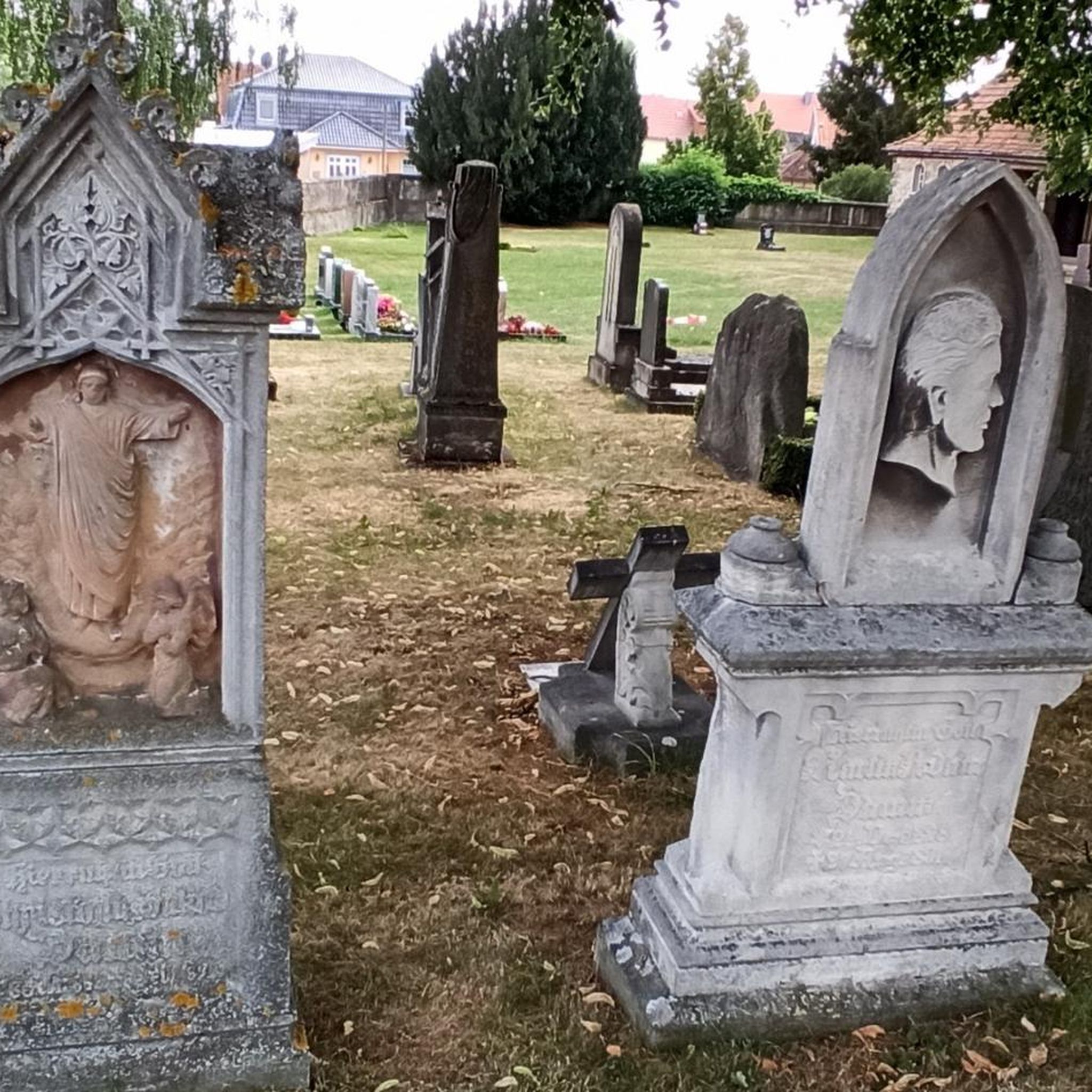
This small town of less than 400 inhabitants is located in a hilly and wooded area. It is part of one of the stages of the GR 360 long-distance footpath. It is worth going past the abbey and the church while crossing the town! Both were built at the beginning of the 12th century.
2
0

A particularity is located in the gallery of arcature which overhangs the portal. Indeed it has three arched windows on one side of the central window and two semicircular on the other. Note that the two bays on the right occupy the same width as the three on the left. The bell tower, like many others in the region, has a pyramidal roof. Simple columns come to partition the two windows which cover each face. Inside the church, archival documents prove that the nave with two bays was originally vaulted with warheads. Unfortunately, this vault was destroyed during religious wars. Still according to archival documents, it would seem that at the beginning of the 20th century, a narthex, where the catechumens were held, leaned on its facade. Today, it has completely disappeared. The church was classified as a historic monument in 1913. The building underwent a complete restoration in 1935. To admire just next to the church a magnificent and majestic period residence.
0
0
The walls of the nave were doubled by means of arcades and it was endowed with a new chevet and a new bell tower. With an elegant silhouette and intact in its southern part, it is openworked with four twin bays on semicircular arches on two floors. The interior has a nave with three bays. A bay separates the nave from the front choir vaulted in blocks of rubble which, very narrow, supports the bell tower. The semi-circular apse is vaulted in cul-de-four. The 19th century side chapel, dedicated to Saint Anthony, is located on the left as you enter. Vaulted in a broken cradle, it has a stucco altar whose base has five broken arch bays. A very beautiful ornate wooden balcony dating from the end of the 19th century is located at the interior entrance of the church. The statue of Notre-Dame de Fontdouce, known as "the Virgin and Child" was sculpted by a monk from the Abbey of Fontdouce around the 15th century. It has been kept in the church of Saint Bris des Bois since the revolution and was once a destination of pilgrimage. On the back wall, a semicircular stained glass window indicates the names of the parish priest, Mr. Hague, and the mayor at the time, Mr. Lévécot (1904). The Priory of St Robert: the chapel destroyed during the wars of religion, the campanile is still in place. Saint Robert once had a great reputation, at the end of the 19th century, children suffering from certain illnesses were still brought there "before sunrise". The church was listed as a Historic Monument in 1973. To visit it you will have to pay your tribute just the price of a slight effort ....... the church is located at the top of the hill overlooking the village and adjoining the cemetery.
0
0

nice walk through woods and fields
0
0
It was in the 12th century that the church of Saint Césaire was built. It is a Saintonge Romanesque style church.
0
1
This church dedicated to Saint Brice, bishop of Tours, disciple and successor of Saint Martin, is Romanesque in style. Its square tower with a pyramidal roof rises at the edge of the plateau at the foot of which flows the Koran. This building built in the 11th century in rubble was transformed in the 12th century.
0
0
Frequently Asked Questions
How many no-traffic road cycling routes are available around Saint-Julien-De-L'Escap?
There are over 75 dedicated no-traffic road cycling routes around Saint-Julien-De-L'Escap, offering a wide variety of options for cyclists looking for quiet roads and scenic rides.
Are there easy no-traffic road cycling routes suitable for beginners in the area?
Yes, the region's generally flat to gently undulating landscape makes it ideal for all levels. You'll find over 10 easy no-traffic road cycling routes perfect for beginners, allowing for enjoyable rides without overly challenging climbs.
Can I find circular no-traffic road cycling routes near Saint-Julien-De-L'Escap?
Absolutely. Many of the no-traffic road cycling routes are designed as loops, allowing you to start and finish in the same location. For example, consider the Ecomuseum loop from Poursay-Garnaud or the Ecomuseum loop from Saint-Jean-d'Angély for a comprehensive circular experience.
What kind of scenery can I expect on these car-free road cycling routes?
The no-traffic routes in and around Saint-Julien-De-L'Escap offer diverse scenery. You'll cycle through the 'water and greenery landscapes' of the Vals de Saintonge, along rivers like the Boutonne, and past charming villages. The region is known for its agreeable terrain, providing a mix of open countryside and tree-lined paths.
Are there any historical sites or attractions I can visit along the no-traffic routes?
Yes, the area is rich in history. You can incorporate visits to landmarks like the Church of Our Lady of the Assumption or the Ruins of the Former Abbey of Saint-Jean-Baptiste. Many routes pass through or near historical towns such as Saint-Jean-d'Angély, known for its royal abbey, or Aulnay with its Saint Pierre church.
What is the best time of year to enjoy no-traffic road cycling in Saint-Julien-De-L'Escap?
The Charente-Maritime region generally offers pleasant cycling conditions for much of the year. Spring and early autumn are particularly recommended for comfortable temperatures and vibrant landscapes. Summers are also popular, but it's advisable to start earlier in the day to avoid the midday heat.
Are there options for longer no-traffic road cycling tours?
Yes, several routes offer significant distances for longer rides. For example, the Church of Chizé – Aulnay State Forest loop from Saint-Jean-d'Angély covers over 85 km, while the Saint Saturnin of Séchaud – Porche de Pont l'Abbé loop from Saint-Jean-d'Angély is also a substantial ride, offering a full day out on the bike.
What do other cyclists say about the no-traffic road cycling experience here?
The komoot community highly rates the cycling experience in this region, with an average score of 4.5 stars. Reviewers often praise the tranquility of the routes, the beautiful 'water and greenery landscapes,' and the opportunity to discover historical sites without the disturbance of heavy traffic.
Is parking available near the starting points of these no-traffic road cycling routes?
Yes, many of the routes start from towns or villages like Saint-Jean-d'Angély or Poursay-Garnaud, where public parking is generally available. It's always a good idea to check specific starting points for detailed parking information before your ride.
Are there any amenities like cafes or rest stops along the no-traffic road cycling routes?
While the routes themselves prioritize quiet roads, they often connect charming villages and towns where you can find cafes, bakeries, and small shops for refreshments and rest stops. Planning your route to pass through these locations can enhance your cycling experience.
Are the no-traffic road cycling routes around Saint-Julien-De-L'Escap suitable for families?
Given the relatively flat terrain and the focus on no-traffic roads, many routes are well-suited for families. Look for the 'easy' rated routes, which typically have lower elevation gains and shorter distances, making them more manageable for cyclists of all ages.
What are the typical distances and elevations for these no-traffic road cycling routes?
The routes vary significantly, but you can expect distances ranging from shorter rides of around 20-30 km up to longer tours exceeding 80 km. Elevation gains are generally moderate, with most routes featuring less than 500 meters of ascent, reflecting the region's gently rolling landscape.
Most popular routes around Saint-Julien-De-L'Escap
Most popular attractions around Saint-Julien-De-L'Escap

Get inspired with the komoot mobile app


Explore more
Browse the best Road cycling routes in other regions.
