The best traffic-free bike rides around Aigues-Vives
4.7
(54)
782
riders
16
rides
No traffic road cycling routes around Aigues-Vives offer a diverse landscape for exploration. The region is characterized by its preserved natural environments, including the unique ecosystems of the Camargue Gardoise with its marshes, vineyards, and saltpans. Cyclists can also find routes traversing historical terraced lands, which contribute to the visual appeal of the area. The terrain primarily consists of paved surfaces, with options ranging from flat paths along canals to routes with significant elevation gain.
Best no traffic road cycling…
Last updated: October 21, 2026
5.0
(1)
17
riders
21.6km
01:09
420m
420m
Moderate road ride. Good fitness required. Mostly well-paved surfaces and easy to ride.
5.0
(1)
13
riders
64.7km
02:55
720m
720m
Moderate road ride. Good fitness required. Mostly well-paved surfaces and easy to ride.

13
riders
36.4km
01:33
230m
230m
Easy road ride. Mostly well-paved surfaces and easy to ride.
4.5
(2)
15
riders
46.6km
02:16
710m
710m
Moderate road ride. Good fitness required. Mostly well-paved surfaces and easy to ride.
4.8
(5)
12
riders
50.8km
02:17
580m
580m
Moderate road ride. Good fitness required. Mostly well-paved surfaces and easy to ride.
Get access to more routes and recommendations from other explorers.
Already have an account?
Our route recommendations are based on thousands of hikes, rides, and runs completed by other people on komoot.
Start today with a free account
Your next adventure awaits.
Popular around Aigues-Vives
Tips from the Community

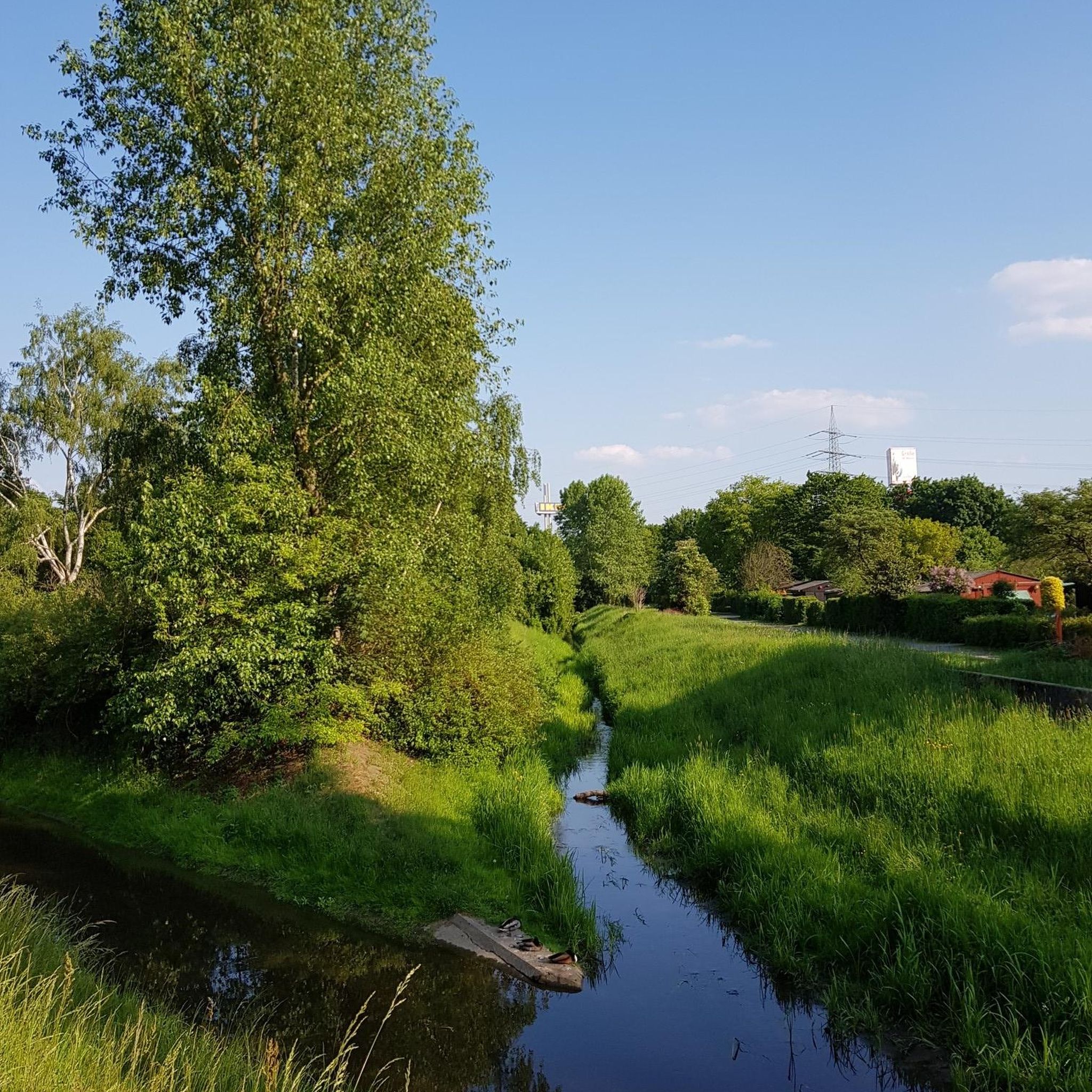
The Jonction canal was commissioned in 1787 to connect the Canal du Midi to the Canal de la Robine in Narbonne. 5 km long, it is partly lined with magnificent umbrella pines that shelter you from the sun. This canal is part of the UNESCO World Heritage site "Canal du Midi" just like the Canal de la Robine.
0
0
The Canal du Midi, formerly Canal Royal, is a 17th-century technical feat designed by Pierre-Paul Riquet to connect the Atlantic to the Mediterranean. Today, it is above all a place for relaxation and discovery, where heritage, nature, and conviviality blend together.
0
0

In the heart of old Creissan, a heritage site unfolds, telling more than a thousand years of history. The Saint-Martin church, mentioned as early as the 10th century, belonged to the powerful chapter of the Saint-Just cathedral in Narbonne, which held lordship over the village for several centuries. It was solemnly consecrated in 1132, during a religious assembly bringing together several bishops, an exceptional event that testifies to the village's importance in the Middle Ages. This modest Romanesque church retains the characteristics of 12th-century Languedoc religious architecture: a single nave covered by a barrel vault and a semi-dome apse. More unusually, the remains of an old well are visible within the building. A short walk away, the castle of Creissan recalls the other facet of medieval power: that of the lords who administered the territory alongside the religious authorities. Together, the Saint-Martin church and the old castle form the historic heart of the village.
2
0
In the heart of the village of Quarante stands the church of Sainte-Marie, the former abbey church of a powerful Benedictine monastery founded in the 10th century. For nearly a thousand years, the abbey has marked the religious and economic history of the Minervois. The current church preserves the traces of this long history, with Romanesque elements from the 12th century associated with Gothic transformations carried out in the Middle Ages.
2
0
The church of the Nativity of Saint John the Baptist bears witness to the gradual shift of the religious heart of Saint-Jean-de-Minervois. For centuries, parish life was linked to the Saint-Jean de Dieuvaille chapel, now nicknamed "the church of the Hole", isolated in a canyon between the hamlets of Gimios and Barroubio. At the beginning of the 18th century, the current village became the new center of the community, around this current parish church.
2
0
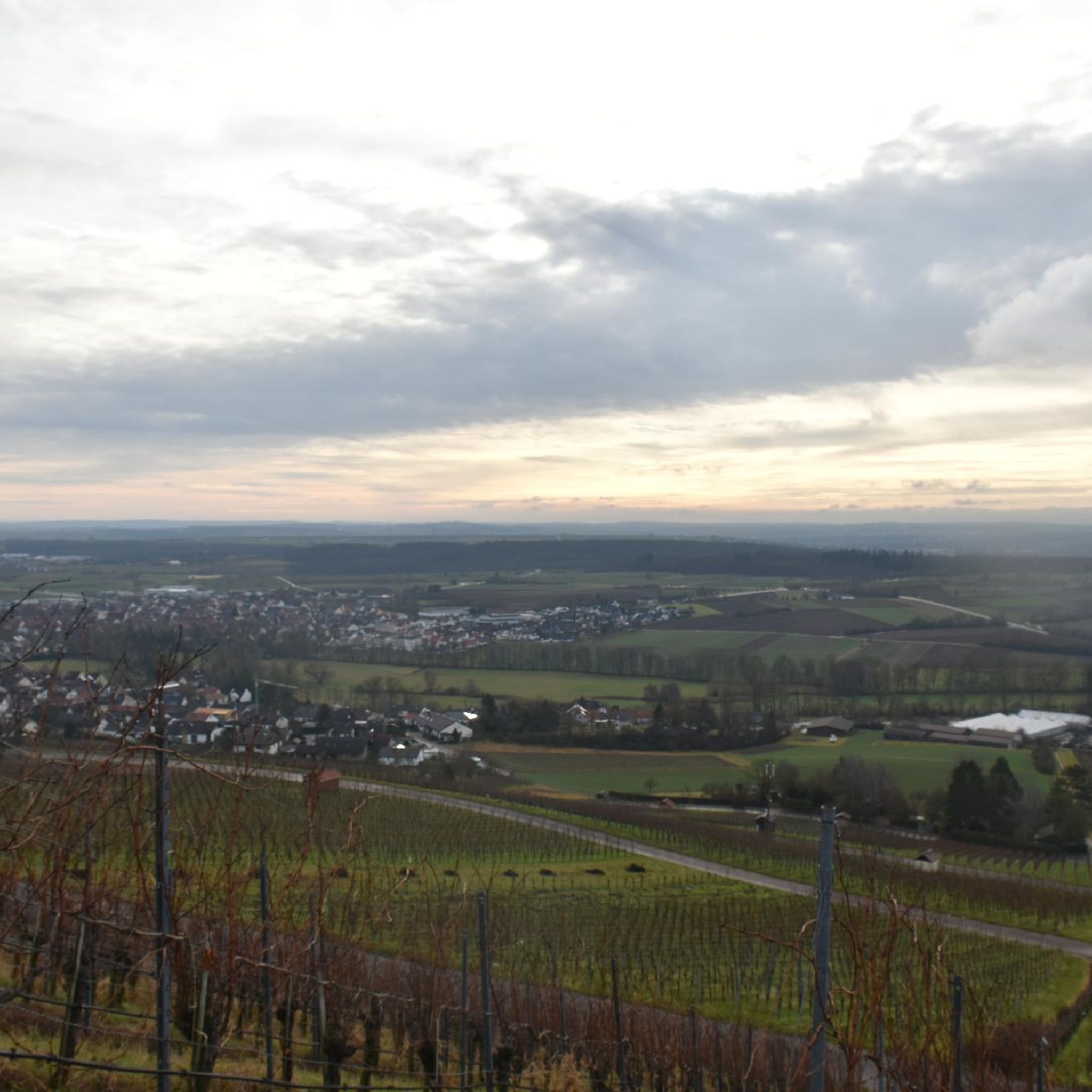
This lace reveals one of the most beautiful landscape profiles in the area. Behind this landscape of vineyards and wooded hills lies a spectacular geological history, still readable in the shapes of the relief. You are riding here on a remarkable site, the "Écailles de Tudéry" (Tudéry Scales). Under the effect of the titanic forces that gave birth to the Pyrenees, the Earth's crust broke and piled up. This tectonic overlap pushed and straightened the ancient secondary-era limestone strata to overlap with more recent tertiary terrains.
2
0
As you cross Agel, take the time to stop in front of the Saint-Pierre-et-Saint-Paul church. Behind its peaceful appearance lies a turbulent history: destroyed in the 14th century, rebuilt, and then ravaged again during the Wars of Religion, it has crossed the centuries before adopting its current appearance in the 16th and 17th centuries. Did you know? Its large bell from 1781 still invokes protection against storms in a Latin inscription, while a small sculpted lizard hides among its ornaments.
2
0

On the way to Assignan, a beautiful road to a lovely village. I wouldn't miss a cup of coffee here.
0
0
Frequently Asked Questions
How many no traffic road cycling routes are available around Aigues-Vives?
There are over 20 no traffic road cycling routes around Aigues-Vives, offering a variety of options for different skill levels. You'll find routes ranging from easy to difficult, ensuring there's something for every road cyclist looking for quiet roads.
What are the typical difficulty levels for no traffic road cycling routes in this region?
The no traffic road cycling routes around Aigues-Vives cater to various fitness levels. You'll find 3 easy routes, 14 moderate routes, and 5 more challenging routes, some with significant elevation gain, making it suitable for both casual riders and experienced cyclists.
What kind of landscapes can I expect on these traffic-free road cycling routes?
The routes offer diverse and preserved landscapes. You can expect to cycle through the unique ecosystems of the Camargue Gardoise, featuring marshes, vineyards, saltpans, and reedbeds. Many routes also traverse historical terraced lands, known as 'restanques,' which add to the visual appeal of the region.
Are there any circular no traffic road cycling routes around Aigues-Vives?
Yes, many of the no traffic road cycling routes are designed as loops. For example, you could try the challenging Col de Coulouma – Entrance to Hérault Department loop from Argeliers, or the moderate Col de Coulouma – Beautiful, peaceful spot! loop from Bize-Minervois, which offers a great experience without retracing your steps.
What landmarks or attractions can I see along the no traffic road cycling routes?
Many routes pass by interesting sights. You might encounter historical architecture like the village church in Aigues-Vives or the Chapel of Paguignan. The region also features ancient sites such as the Carrières de Junas and the Oppidum of Ambrussum. For panoramic views, consider routes that pass near the View over Paraza or the Tour Carbonnière, which offers grand views over the Camargue Gardoise.
Are there any historical sites accessible by bike on traffic-free routes?
Absolutely. The well-preserved medieval walled city of Aigues-Mortes is a major draw and is very bike-friendly, being an 'Accueil Vélo' certified location. You can also explore routes near ancient sites like the Carrières de Junas, an ancient stone quarry, or the Oppidum of Ambrussum, a Roman site with a museum and walking paths along the Via Domitia.
What is the best time of year for no traffic road cycling in Aigues-Vives?
The region is generally pleasant for cycling for much of the year. Spring and autumn offer mild temperatures and beautiful scenery, making them ideal. Summers can be warm, so early mornings or late afternoons are best if cycling during this season. Winters are generally mild, allowing for cycling, though some services might have reduced hours.
Is there parking available for cyclists near the starting points of these routes?
Yes, many starting points for cycling routes in the Aigues-Vives area, especially those on dedicated cycle paths or greenways, offer designated parking. Aigues-Mortes, for instance, is very welcoming to cyclists and provides services like bike parking. It's always a good idea to check specific route details for precise parking information.
Can I reach the starting points of these routes by public transport with my bike?
The region is increasingly cyclist-friendly. While direct public transport options with bike carriage might vary, Aigues-Mortes, a key hub for cycling, is certified 'Accueil Vélo,' indicating services adapted for cyclists, which often includes information on transport. For specific routes, checking local bus or train services for bike compatibility is recommended.
What do other road cyclists enjoy most about road cycling in Aigues-Vives?
The komoot community highly rates the road cycling experience around Aigues-Vives, with an average score of 4.6 stars. Reviewers often praise the tranquility of the no traffic routes, the stunning natural beauty of the Camargue Gardoise, and the opportunity to discover charming villages and historical sites along the way.
Are there any family-friendly no traffic road cycling routes?
Yes, the region offers several easy and flat routes suitable for families. Sections of the ViaRhôna and the 'Mediterranean by bike' routes, particularly those along canals like the Canal du Rhône à Sète, provide safe and scenic paths through marshes and salt flats, perfect for a relaxed family outing.
Can I find services like bike rental or repair in the Aigues-Vives area?
The region is committed to cycling tourism. Aigues-Mortes, being an 'Accueil Vélo' certified office, provides access to adapted services including bicycle rental and repair, secure shelters, and tailored advice on routes. You'll find various services catering to cyclists in the larger towns and popular cycling hubs.
Most popular routes around Aigues-Vives
Most popular attractions around Aigues-Vives

Get inspired with the komoot mobile app


Explore more
Browse the best Road cycling routes in other regions.
