The best traffic-free bike rides around Guivry
4.2
(80)
573
riders
60
rides
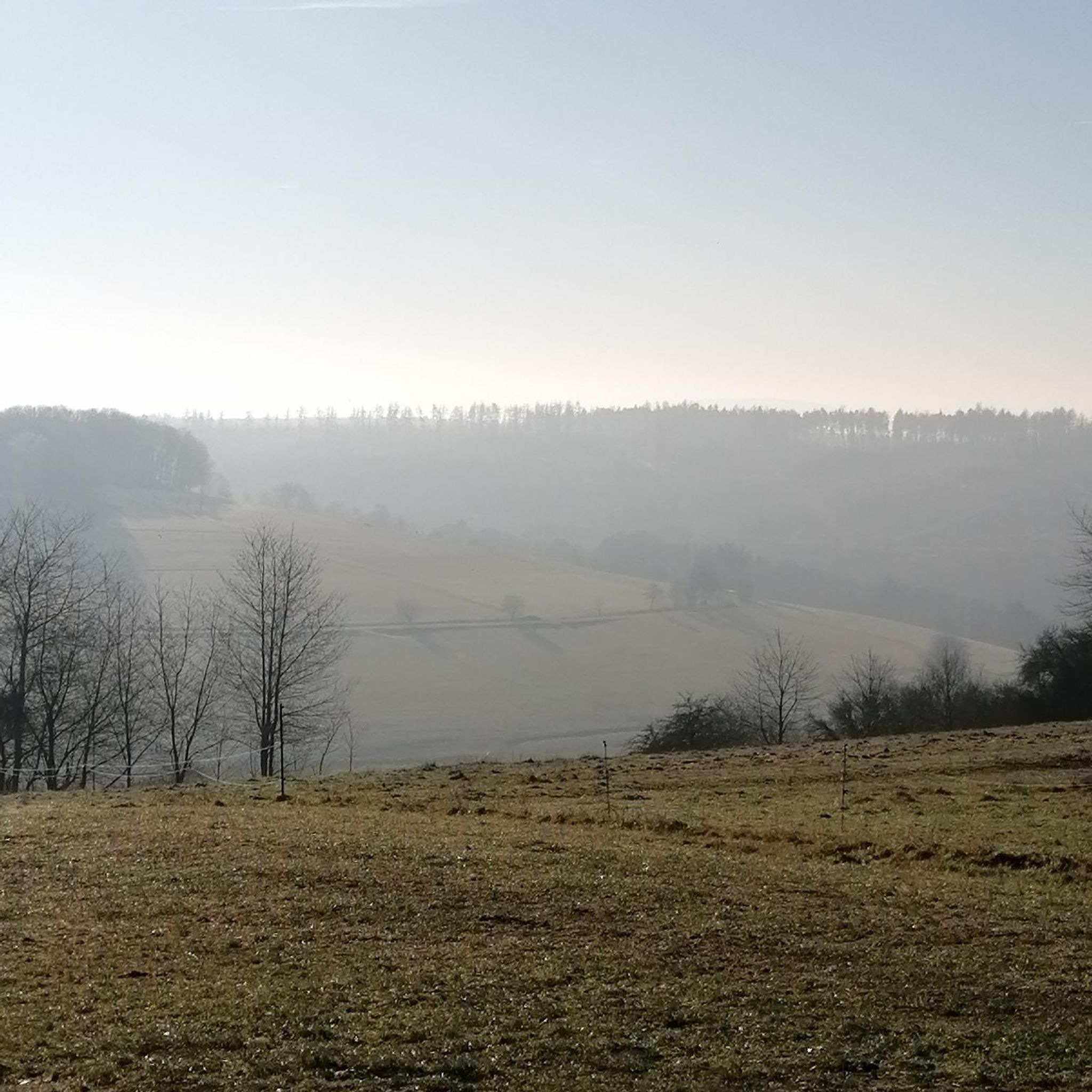
No traffic touring cycling routes around Guivry traverse a region characterized by a limestone plateau, intersected by river valleys such as the Seine and Oise. The landscape features over 10,000 hectares of woodlands and forests, alongside expansive agricultural fields. This varied topography offers a mix of open vistas and shaded routes, with undulating terrain created by numerous hills.
Best no traffic touring cycling routes around Guivry
- The most popular no traffic touring cycling route is Compiègne Town Hall – Route…
Last updated: May 7, 2026
4.6
(9)
71
riders
134km
07:50
590m
590m
Hard bike ride. Very good fitness required. Mostly paved surfaces. Suitable for all skill levels.
5.0
(3)
19
riders
24.8km
01:28
70m
70m
Easy bike ride. Great for any fitness level. Mostly paved surfaces. Suitable for all skill levels.

Sign up for free
8
riders
15.2km
00:55
40m
40m
Easy bike ride. Great for any fitness level. Mostly paved surfaces. Suitable for all skill levels.
4.5
(2)
6
riders
59.6km
03:33
310m
310m
Moderate bike ride. Good fitness required. Mostly paved surfaces. Suitable for all skill levels.
5
riders
21.7km
01:18
120m
120m
Easy bike ride. Great for any fitness level. Mostly paved surfaces. Suitable for all skill levels.
Get access to more routes and recommendations from other explorers.
Sign up for free
Already have an account?
Our route recommendations are based on thousands of hikes, rides, and runs completed by other people on komoot.
Start today with a free account
Your next adventure awaits.
Login or Signup
Popular around Guivry
Tips from the Community

The square itself houses a statue of Joan of Arc, a tribute to the city's historical connection to this iconic figure. The Town Hall, with its rich history and stunning architecture, continues to captivate visitors, offering a glimpse into the past while remaining a vibrant part of Compiègne's present.
2
0
The architecture of the town hall is a true feast for the eyes. The central structure is dominated by a tall bell tower, flanked by two turrets connected by a decorative railing. This imposing façade, 47 meters high and 24 meters wide, is decorated with striking Gothic elements such as pinnacles and basket arches. The large niche now houses a high relief depicting the equestrian statue of Louis XII. It is an original creation from 1869 by the sculptor Henri-Alfred Jacquemart in the realistic style so prevalent at the time. However, contrary to the usual appearance of equestrian statues during the reign of Louis XII, Henri-Alfred Jacquemart chose not to build a horse walking "à l'amble," that is, with both straight legs raised simultaneously. On October 12, 1530, a clock was placed on the summit of the bell tower. From that time on, every quarter of an hour, she animated three wooden jaquemarts with bell hammers. The Compiègneis quickly gave them three nicknames corresponding to the enemies of the time: Langlois for the English, Flandrin for the Flemish, and Lansquenet for the Germans. Even today, they chant the life of the city by "punching the time," that is, by striking their hammer to strike the hours.
2
0

Beautiful undulating car-free road through the forests north of Compiegne. Along the way you will encounter several characteristic signposts that indicate the local unpaved paths. As a cyclist, however, you better stay on this path, the only paved passage. Recommended!
5
0

Perfect for a picnic in the castle grounds!
0
0

The picture shows the Notre Dame Church. The first Notre Dame Church was destroyed by Spanish occupiers in 1557. The second Notre Dame Church was destroyed during the 1789 Revolution. In 1917, the entire town of Chauny, including Notre Dame, was blown up during the retreating German army. The town was rebuilt from 1920 to 1930. Notre Dame was completed in 1930.
2
0

In good weather, the garden is peaceful for relaxing or strolling. The cherry on the cake is inside the castle: beautiful reconstructions and conservations
0
0
The Noyon war memorial is a shell-shaped memorial pillar standing on the cathedral forecourt. This monument is the work of architects Eugène Chifflot and René Lefèvre. The monument includes a bas-relief sculpted by Emile Pinchon and illustrating scenes from life in Noyon during and after the conflict. It recalls in particular the hostage-taking of September 29, 1914, the entry of the French on March 18, 1917 and Noyon in ruins in 1918. This war memorial was inaugurated under the aegis of Marshal Joffre on March 22, 1925.
1
0
Frequently Asked Questions
How many no traffic touring cycling routes are available around Guivry?
There are over 60 dedicated no traffic touring cycling routes around Guivry, catering to various skill levels. You'll find a good mix, with 19 easy routes, 33 moderate, and 8 more challenging options for experienced cyclists.
What kind of landscapes can I expect on these traffic-free cycling routes?
The routes around Guivry, situated within the Vexin Regional Natural Park, offer diverse landscapes. You'll cycle through extensive woodlands and forests, expansive agricultural fields, and along scenic river valleys like the Seine and Oise. The region's limestone plateau also provides undulating terrain and panoramic views, particularly near the Seine where limestone hillsides meet marshes.
Are there any easy, family-friendly no traffic cycling routes near Guivry?
Yes, there are several easy, traffic-free routes suitable for families. For instance, the Schleuse bei Appilly – Kirche in Chauny loop from Babœuf is an easy 24.7 km ride. Another great option is the Levis Bridge – EuroVélo 3/Scandibérique loop from Chauny, which covers 15.2 km on easy terrain, perfect for a relaxed family outing.
What historical or cultural attractions can I see along the no traffic touring cycling routes?
The Vexin region is rich in history. Many routes pass through picturesque villages with significant heritage. You might encounter historic sites like the Notre-Dame de Noyon Cathedral or the Chapter Library of Noyon. The area also features châteaux and fortified farms, and the Archaeological Museum of Val d'Oise in Guiry-en-Vexin itself serves as a starting point for exploring ancient remains.
What do other touring cyclists enjoy most about the traffic-free routes in Guivry?
The traffic-free touring cycling routes around Guivry are highly rated by the komoot community, with an average score of 4.3 out of 5 stars from 81 reviews. Cyclists often praise the peaceful, car-free environment, the diverse natural beauty of the Vexin Regional Natural Park, and the opportunity to discover charming villages and historical sites along the way.
Are there any longer, more challenging no traffic routes for experienced touring cyclists?
Absolutely. For experienced touring cyclists seeking a challenge, routes like the Compiègne Town Hall – Route Forestiere - car-free loop from Appilly offer a demanding 134 km ride with significant elevation changes. Another difficult option is the Seraucourt-le-Grand – Basilica of Saint Quentin loop from La Neuville-en-Beine, spanning nearly 94 km.
What is the best time of year to cycle the traffic-free routes in Guivry?
The Vexin Regional Natural Park is beautiful year-round, but spring and autumn generally offer the most pleasant cycling conditions. Spring brings blooming wildflowers and mild temperatures, while autumn showcases stunning foliage. Summer can be warm, but the extensive woodlands provide welcome shade on many routes. Winter cycling is possible, but be prepared for cooler temperatures and potentially wet conditions.
Are there any circular no traffic touring cycling routes available?
Yes, many of the traffic-free routes around Guivry are designed as loops, allowing you to start and finish at the same point. Examples include the easy Schleuse bei Appilly – Kirche in Chauny loop from Babœuf and the moderate Forest Trail Near Grandrû – Schleuse bei Appilly loop from Appilly, which covers almost 60 km.
Where can I find scenic viewpoints along the traffic-free cycling routes?
The Vexin region offers numerous scenic viewpoints, especially where the routes traverse the limestone plateau or follow river valleys. Look for elevated sections near the Seine and Oise rivers, which often provide beautiful panoramic views of the meandering waterways and the surrounding countryside. The varied topography ensures many picturesque spots for a break.
Are there any natural features like lakes or caves to explore near the cycling paths?
Yes, the region offers natural attractions. You might find routes passing near bodies of water like Étang Montplaisir. Additionally, the Vexin is known for its geological features, and you can find highlights such as a Cave marked on some maps, offering a unique point of interest.
Is it possible to access these traffic-free cycling routes using public transport?
While specific public transport connections directly to every route start point can vary, the Vexin Regional Natural Park is generally accessible by regional trains and buses from larger towns. It's advisable to check local public transport schedules and bike carriage policies for the specific starting point of your chosen route. Some routes may begin or pass through towns with train stations, such as Pontoise or Auvers-sur-Oise, which are well-connected.
Are there places to eat or drink along the no traffic cycling routes?
Many of the traffic-free routes pass through or near charming villages. These villages often have local bakeries, cafes, or small restaurants where you can stop for refreshments or a meal. It's a good idea to check the route details or local village information beforehand to plan your stops, especially on longer rides.
Most popular attractions around Guivry

Get inspired with the komoot mobile app


Explore more
Browse the best Cycling routes in other regions.
