Attractions and Places To See around Morskie Oko - Top 6
Best attractions and places to see around Morskie Oko center around a glacial lake located in Poland's Tatra National Park, a UNESCO Biosphere Reserve. This region is known for its natural beauty, featuring the largest and fourth-deepest lake in the Tatra Mountains at an altitude of 1,395 meters above sea level. The area is encircled by towering peaks and offers a variety of natural features and points of interest for visitors. It holds cultural significance, appearing in Polish folklore and inspiring artists.
Best attractions and places to see around Morskie Oko
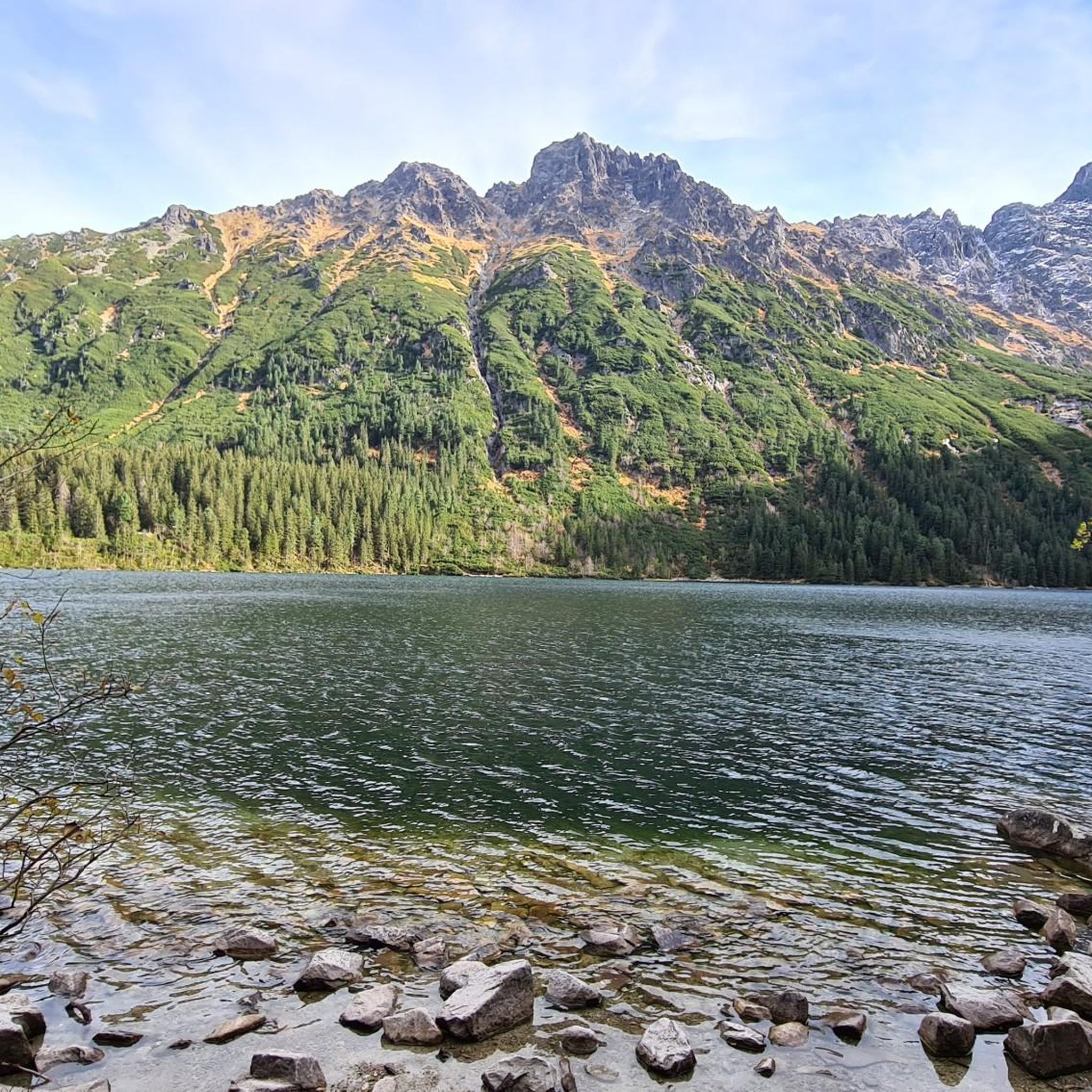
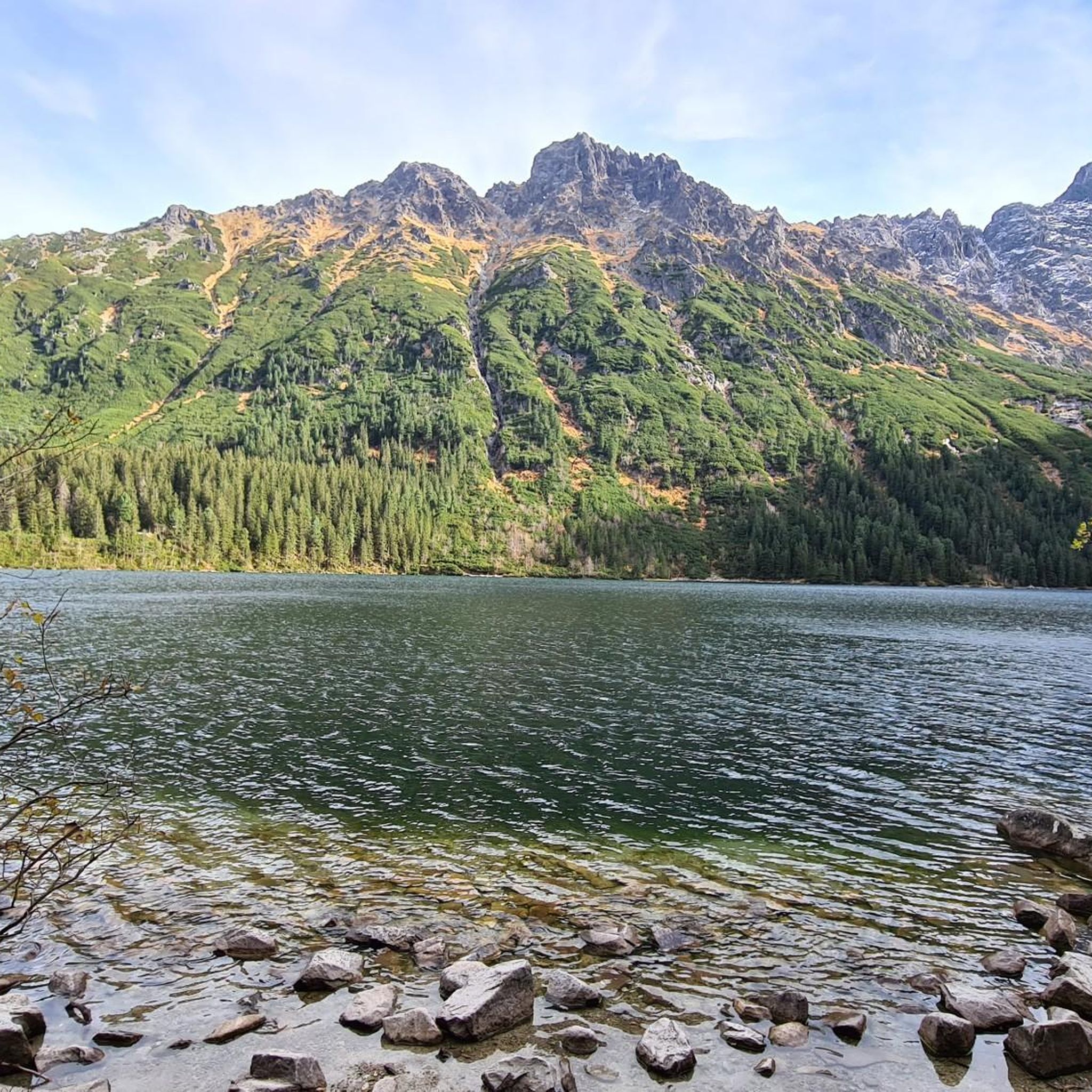
- The most popular attractions is Morskie Oko (Sea Eye), a lake that is a picturesque place and a favorite destination among hikers. Its crystal-clear waters beautifully reflect the surrounding majestic peaks.
- Another must-see spot is Morski Oko and Czarny Staw Loop, a lake and trail combination. This route includes a 2.5 km lake circuit and an ascent to the higher Czarny Staw, offering beautiful views of the lake and surrounding mountains.
- Visitors also love Waterfalls near Morskie Oko, beautiful waterfalls found along the way around Morskie Oko. From here, visitors can enjoy a nice view of the lake.
- Morskie Oko is known for its stunning lakes, impressive waterfalls, and scenic trails. The region offers a variety of natural features and points of interest to see and explore.
- The attractions around Morskie Oko are appreciated by the komoot community, with more than 800 upvotes and over 400 photos shared.
Last updated: July 7, 2026
Morskie Oko (Sea Eye)
Highlight • Lake
Until here, sneakers are sufficient but if you want to be around the lake, it should be good hiking boots.
Translated by Google •
Tip by

Broken Canyon
Highlight • Waterfall
Translated by Google •
Tip by

Sign up now to discover places like this
Get recommendations on the best single tracks, peaks, & plenty of other exciting outdoor places.
Sign up for free
Waterfalls near Morskie Oko
Highlight • Waterfall
Translated by Google •
Tip by

Chapel of Our Lady of Safe Returns
Highlight • Religious Site
Translated by Google •
Tip by

Start today with a free account
Your next adventure awaits.
Login or Signup
Popular around Morskie Oko
Tips from the Community


Exciting and beautiful location 🥰 The route is easy to overcome
3
0

There are many boulders by the chapel to sit and admire Morskie Oko. Access to the point from the Morskie Oko Shelter is straight on the left side of the lake.
0
0

Great lake - be there very early, otherwise there is a lot going on.
3
0

great family hike, take the horse drawn carriages one way!
1
0

If you are not that good on foot, but still want to see the Moskie Oko, you can also take one of the numerous horse-drawn carriages to get you up there. A nice and unforgettable experience
4
0

There is a circular route. Hiking shoes are recommended.
0
0

Whether spring, summer, autumn or winter ... whether sunshine, fog or snow ... this view from Morskie Oko is simply indescribably beautiful!
5
1
Frequently Asked Questions
What natural features can I explore around Morskie Oko?
The centerpiece is Morskie Oko (Sea Eye) itself, a stunning glacial lake reflecting towering peaks. Just above it, you can find Czarny Staw pod Rysami, a smaller lake with beautiful blueish waters. The area also features picturesque cascades like the Mickiewicz Waterfalls (Wodogrzmoty Mickiewicza) and the unique Broken Canyon, where water masses fall from "Urwany Zleb".
Are there family-friendly activities or routes near Morskie Oko?
Yes, the main trail to Morskie Oko from Palenica Białczańska is a paved road suitable for families. The Morskie Oko (Sea Eye) area is considered family-friendly, and you can even take horse-drawn carriages for part of the journey. The Chapel of Our Lady of Safe Returns is also noted as a great spot for a family hike, offering boulders to sit and admire the lake.
What hiking trails are available around Morskie Oko?
Beyond the main path to the lake, you can embark on the Morski Oko and Czarny Staw Loop. This route includes a 2.5 km circuit around Morskie Oko and an ascent to the higher Czarny Staw, offering beautiful views. For more challenging options, trails lead to peaks like Rysy, the highest in the Polish Tatras, and Szpiglasowa Przełęcz. You can find various routes in the guide Hiking around Morskie Oko.
Where can I find refreshments or stay overnight near Morskie Oko?
The PTTK Mountain Hut (Schronisko PTTK im. Stanisława Staszica) is located on the moraine closing Morskie Oko (Sea Eye) from the north. It's one of the oldest Tatra chalets, offering a place to rest, eat, and even stay overnight. Reservations are highly recommended due to its popularity. There's also a buffet at Włosienica, the last stop for horse-drawn cabs.
What is the best time to visit Morskie Oko?
Morskie Oko is beautiful year-round, but the best time depends on your preferred activities. Summer (June to September) offers the warmest weather and full access to all trails, though it's also the busiest. Spring and autumn provide stunning scenery with fewer crowds, but some higher trails might still have snow or be closed. Winter offers a magical, snow-covered landscape, suitable for experienced winter hikers.
Are there any unique viewpoints or photo opportunities?
Absolutely! The entire area around Morskie Oko (Sea Eye) offers countless photo opportunities with the lake reflecting the surrounding peaks like Rysy and Mnich. The Broken Canyon is a popular spot for photographers. From the rocky edge of Czarny Staw pod Rysami, you get incredible views of the valley and Morskie Oko below. The Waterfalls near Morskie Oko also provide a nice vantage point.
What are some easy hiking options in the Morskie Oko area?
The paved road leading to Morskie Oko (Sea Eye) from Palenica Białczańska is an easy walk. Once at the lake, the 2.5 km circuit around Morskie Oko itself is also easy to walk and offers beautiful views. For more easy routes, you can explore the guide Easy hikes around Morskie Oko.
What is the significance of the PTTK Mountain Hut at Morskie Oko?
The PTTK Mountain Hut (Schronisko PTTK im. Stanisława Staszica) is one of the oldest Tatra chalets, situated at 1,405 meters above sea level. It serves as a crucial base for hikers, providing shelter, food, and accommodation. It's also a departure point for more challenging hikes to Rysy and Szpiglasowa Przełęcz, making it a central hub for mountain enthusiasts.
Are there any cultural or historical points of interest?
While primarily a natural wonder, Morskie Oko holds cultural significance, appearing in Polish folklore and inspiring artists. Along the path to the lake, you'll find the Chapel of Our Lady of Safe Returns. There's also the 'Wishing Rock' where, according to superstition, wanderers throw coins into the water for a safe return.
How long does it take to reach Morskie Oko?
The typical journey begins at the Palenica Białczańska parking lot. The walk along the 8-9 kilometer paved road to Morskie Oko (Sea Eye) usually takes about 2-2.5 hours one way. Horse-drawn carriages can shorten the walking distance by taking you to Włosienica, approximately 1,700 meters before the lake.
What makes the <a href="https://www.komoot.com/highlight/6804813" target="_blank" rel="noopener">Morski Oko and Czarny Staw Loop</a> special?
This loop combines the beauty of Morskie Oko (Sea Eye) with the ascent to Czarny Staw pod Rysami. The path around Morskie Oko is easy, offering beautiful lake views. The climb to Czarny Staw, though relatively steep (about 150 meters elevation gain), is highly recommended for its incredible blueish waters and panoramic views of the valley and Morskie Oko below, escaping some of the mass tourism found at the main lake.
What kind of wildlife can I expect to see?
Morskie Oko is located within Tatra National Park, a UNESCO Biosphere Reserve, which is home to diverse wildlife. Historically, the lake was known as 'Rybie Jezioro' (Fish Lake) due to its natural trout population. While specific sightings are never guaranteed, the park protects species like chamois, marmots, various bird species, and occasionally larger mammals, though they are often elusive.
Most popular attractions around Morskie Oko

Get inspired with the komoot mobile app


Explore more
Still not found the Highlight you’re looking for? See guides of the top attractions in other regions:
