The best traffic-free bike rides around Frontignan
4.2
(516)
10,306
riders
16
rides
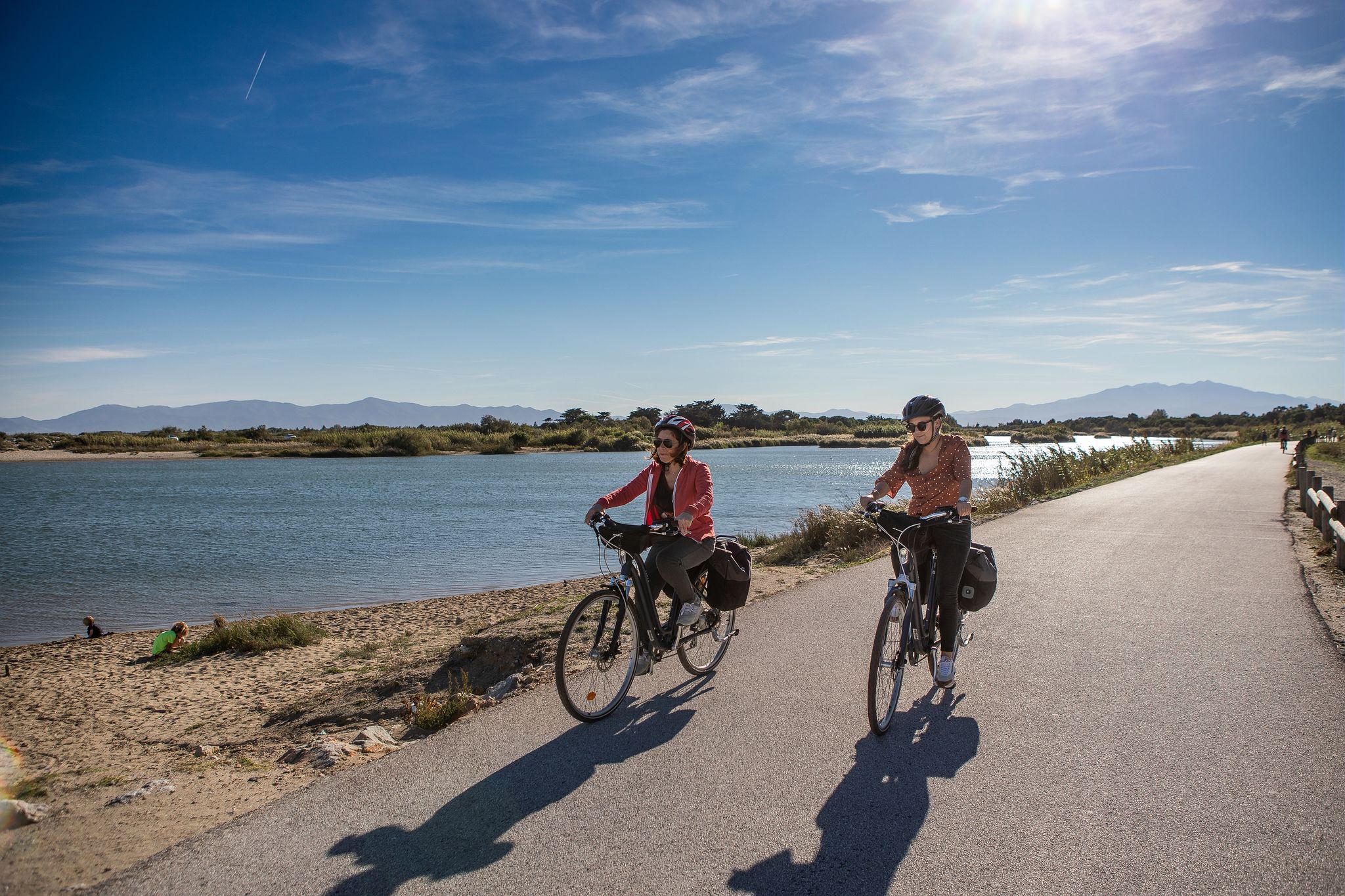
Road cycling around Frontignan offers diverse terrain situated between the Mediterranean Sea and the Gardiole hills. The region features an extensive network of dedicated cycle tracks, providing varied routes for cyclists. Landscapes include coastal paths along sandy beaches, serene lagoons such as the Étang de Thau, and expansive Muscat vineyards. The Gardiole hills introduce scrubland and bush roads, offering elevated views and more challenging sections.
Best no traffic road cycling routes around Frontignan
- The most popular no traffic road cycling…
Last updated: October 21, 2026
4.4
(95)
1,847
riders
78.2km
03:19
330m
330m
Moderate road ride. Good fitness required. Mostly well-paved surfaces and easy to ride.
4.8
(29)
252
riders
66.5km
02:59
730m
730m
Moderate road ride. Good fitness required. Mostly well-paved surfaces and easy to ride.

4.8
(8)
92
riders
20.8km
00:50
100m
100m
Easy road ride. Mostly well-paved surfaces and easy to ride.
46
riders
33.2km
01:40
190m
190m
Moderate road ride. Some segments of this route may be unpaved and difficult to ride.
4.0
(4)
20
riders
40.6km
01:54
310m
320m
Moderate road ride. Good fitness required. Some segments of this route may be unpaved and difficult to ride.
Get access to more routes and recommendations from other explorers.
Already have an account?
Our route recommendations are based on thousands of hikes, rides, and runs completed by other people on komoot.
Start today with a free account
Your next adventure awaits.


Other adventures around Frontignan


Tips from the Community

One of my favorite cycle paths in the area. It's just fun to whizz along the canal with a mountain bike. The path goes up and down in parts and has some potholes. It's also quite dusty in the summer. If that doesn't bother you, you're in the right place 😁
0
0

From the greenway, your gaze plunges onto the Thau pond and its immense checkerboard of shellfish farming tables. These regular alignments are the farming facilities where the lagoon's oysters and mussels are produced. Bouzigues holds a special place in this story: in 1925, Antoine Louis Tudesq and other Bouzigues oyster farmers developed the "Pyramid" technique, which contributed to the development of shellfish farming in the pond.
2
0
The greenway runs here on a narrow strip of land between the Étang de la Moulière to the north and the Crique de l’Angle to the south. The latter is a natural cove located at the eastern end of the Étang de Thau, where the fresh waters of the Vène meet the brackish waters of the lagoon. This wetland, classified Natura 2000, hosts numerous water birds in particular.
2
0
The view plunges over the Thau lagoon and its immense checkerboard of shellfish farms. These regular alignments are the breeding facilities where the oysters and mussels of the lagoon are produced. Bouzigues holds a special place in this history: in 1925, Antoine Louis Tudesq and other Bouzigues oyster farmers developed the "Pyramid" technique, which contributed to the development of shellfish farming in the lagoon. Thus, the panorama allows us to read the landscape differently: behind this vast expanse of water lies a real production area, shaped for over a century by the work of the "sea farmers".
3
0
From La Catonnière, the view plunges over the étang de Thau and its immense checkerboard of shellfish tables. These regular alignments are the breeding facilities where the lagoon's oysters and mussels are produced. Bouzigues holds a special place in this history: in 1925, Antoine Louis Tudesq and other Bouzigues oyster farmers developed the "Pyramid" technique, which contributed to the development of shellfish farming in the étang. The panorama thus allows us to read the landscape differently: behind this vast expanse of water lies a true production space, shaped for over a century by the work of the "sea peasants".
2
0
The greenway runs here on a narrow strip of land between the Étang de la Moulière and the Crique de l’Angle. To the south, the view opens up beyond the Crique de l’Angle over the Étang de Thau, then over Sète, dominated by the silhouette of Mont Saint-Clair (183 m).
3
0

This medieval village, which appeared in the 11th century, had a strategic position, perched above the Hérault valley. Even today, its castle, fortifications, and towers give it a military appearance.
1
0

The coastline between Sète and Marseillan-Plage, called the Lido, is a sandy spit of about 12 kilometers separating the Mediterranean Sea from the étang de Thau. La Voie Verte du Lido: A secure 12 km track reserved for bicycles and pedestrians, built on a former section of road moved to combat erosion.
2
0
Frequently Asked Questions
How many no traffic road cycling routes are there around Frontignan?
Frontignan offers a great selection of traffic-free road cycling routes, with 14 options available on komoot. These routes cater to various fitness levels, ensuring a pleasant ride for everyone.
Are there easy, traffic-free road cycling routes suitable for beginners or families in Frontignan?
Yes, Frontignan has easy, traffic-free road cycling routes perfect for beginners or families. For instance, the View of Frontignan Marina loop from Frontignan is an easy 13.2 km ride with minimal elevation, offering a relaxed experience along the coast and marina.
What kind of landscapes can I expect on traffic-free road cycling routes in Frontignan?
You'll experience a diverse range of landscapes on Frontignan's traffic-free routes. Expect picturesque rides through fragrant Muscat vineyards, along the serene Mediterranean coastline, and beside the unique lagoons and ponds like the Étang de Thau and Vic Pond. Some routes also offer views of the rugged Gardiole hills.
Are there any scenic viewpoints along the no traffic road cycling routes in Frontignan?
Absolutely! Many routes offer stunning scenic viewpoints. You can find elevated perspectives of the Étangs and coastline from La Gardiole, or enjoy panoramic views of the countryside on routes like the Loupian Castle – View of the Countryside loop from Mèze. The region's unique geography provides ample opportunities for breathtaking vistas.
What natural attractions can I see while road cycling in Frontignan?
The region is rich in natural beauty. You can cycle past the Salines de Villeneuve Nature Reserve, explore the unique ecosystem around Vic Pond, or enjoy the coastal views near the Salins de Frontignan. Keep an eye out for flamingos and other wildlife in the Natura 2000 classified lagoon areas.
Are there any routes that pass through vineyards or offer wine-related experiences?
Yes, Frontignan is famous for its Muscat vineyards, and several routes immerse you in this landscape. The Beautiful road through the vineyards – Sea view loop from Poussan is a prime example, offering a fragrant journey through the vines with sea views. Another option is the Castelnau-de-Guers – Route de Vin loop from Loupian, which also winds through wine country.
What is the best time of year for no traffic road biking in Frontignan?
The Mediterranean climate makes Frontignan enjoyable for road cycling for much of the year. Spring and autumn offer pleasant temperatures and fewer crowds, ideal for exploring the vineyards and coastal paths. Even winter can be mild, though some services might be reduced. Summer is popular, but it can get quite warm, so early morning or late afternoon rides are recommended.
Are there any historical sites or landmarks accessible from the road cycling routes?
While focusing on traffic-free routes, you can still encounter historical elements. The town of Frontignan itself has a rich history, including the impressive Saint Paul's Church. Routes like the Saint-Thibéry Roman Bridge – View of the Hérault loop from Loupian will take you past significant historical structures, blending natural beauty with cultural heritage.
What do other road cyclists enjoy most about road cycling in Frontignan?
The area is highly rated by the komoot community, with an average score of 4.2 stars from 119 ratings. Reviewers often praise the region's diverse and picturesque landscapes, from the tranquil lagoons and extensive vineyards to the stunning Mediterranean coastline, making for a truly immersive and enjoyable cycling experience.
Are there any long-distance cycle routes that pass through Frontignan?
Yes, Frontignan is strategically located on two major European cycle routes, making it a hub for long-distance cyclists. Route 8, known as the "Mediterranean by bike," connects Spain to Greece, while Route 17, the "Via Rhôna," extends from Sète all the way to Switzerland. These routes offer extensive traffic-free sections and dedicated cycle paths.
Where can I find more information about Frontignan's cycle tracks and itineraries?
Frontignan boasts an extensive network of 23 km of dedicated cycle tracks and itineraries. For more detailed information on these local cycling paths and to plan your rides, you can visit the official Frontignan tourism website: frontignan-tourisme.com.
Most popular attractions around Frontignan

Get inspired with the komoot mobile app


Explore more
Browse the best Road cycling routes in other regions.
