The best traffic-free bike rides around Le Val-De-Guéblange
4.6
(446)
2,709
riders
144
rides
No traffic touring cycling routes around Le Val-De-Guéblange are situated within the Moselle department of France's Grand Est region, characterized by diverse natural features. The area includes protected wetlands, such as wet meadows, marshes, and ponds, alongside extensive forests and open meadows. The terrain features an average elevation of 187 meters, with variations between 211 and 261 meters, offering a mix of gentle gradients and slight inclines suitable for touring cyclists. This region connects to broader cycling networks, including sections…
Last updated: May 8, 2026
4.9
(21)
152
riders
Moderate bike ride. Good fitness required. Mostly paved surfaces. Suitable for all skill levels.
4.8
(25)
56
riders
39.1km
02:20
240m
240m
Moderate bike ride. Good fitness required. Mostly paved surfaces. Suitable for all skill levels.

Sign up for free
19
riders
46.2km
03:17
390m
390m
Moderate bike ride. Good fitness required. Mostly paved surfaces. Suitable for all skill levels.
4.7
(6)
27
riders
32.8km
01:55
140m
140m
Easy bike ride. Great for any fitness level. Mostly paved surfaces. Suitable for all skill levels.
10
riders
15.7km
01:05
100m
100m
Easy bike ride. Great for any fitness level. Mostly paved surfaces. Suitable for all skill levels.
Get access to more routes and recommendations from other explorers.
Sign up for free
Already have an account?
Our route recommendations are based on thousands of hikes, rides, and runs completed by other people on komoot.
Start today with a free account
Your next adventure awaits.
Login or Signup
Popular around Le Val-De-Guéblange
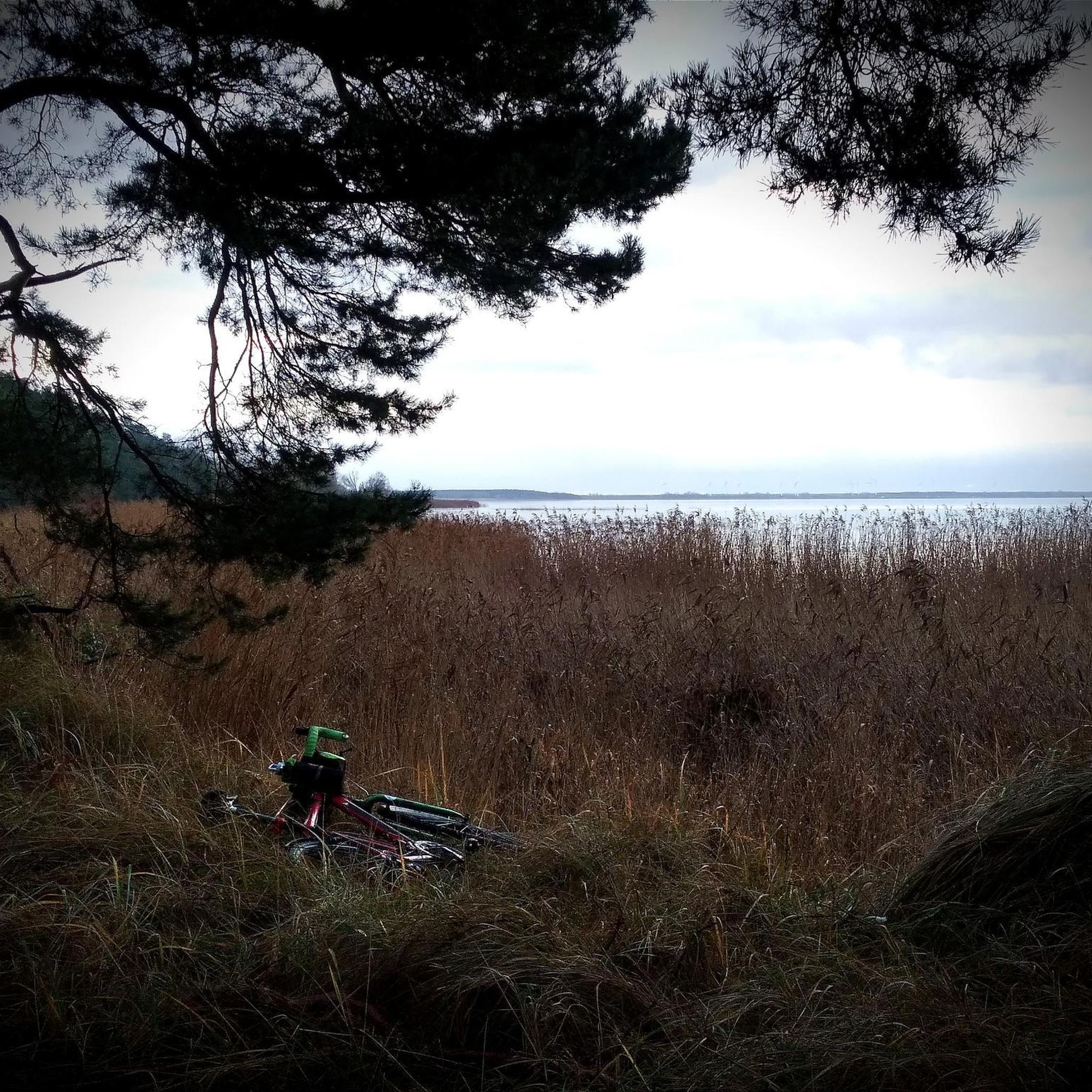
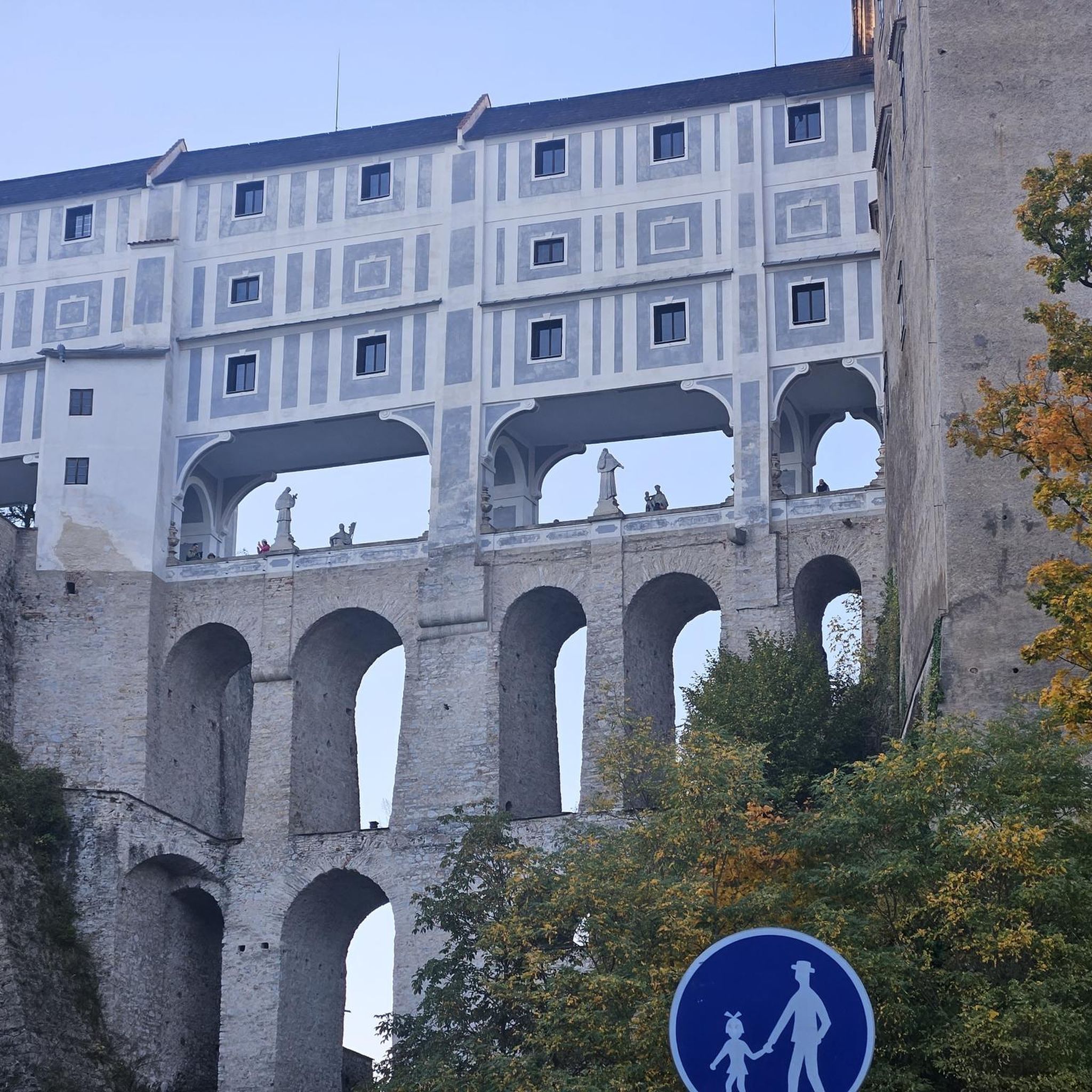
Tips from the Community


The Forest House, located in the Saint-Hubert Forest of Sarralbe, was built between 1869 and 1871. It is the former hunting lodge of Baron Ferdinand de Schmid. Built of cut stone, its two towers give it the appearance of a castle. Its ornaments, affixed to the top of its pediment and keystone, are worth a visit. Enjoy your walk by exploring the arboretum located opposite the lodge, as well as the Mardelles trail.
0
0

On the old Roman road, now transformed into a cycle path, three crosses bring two local legends to life. To learn more, you'll have to lift your foot to read the information panel. The site was rehabilitated in 2007.
0
0
The Hoste Bas pond borders the Hoste Haut pond. It was part of the Maginot Line defense system. Today, they are home to numerous species of fish, much to the delight of anglers.
0
1
The cycle path runs along the Sarralbe river stop. There are picnic tables for a break.
0
0
The Diefenbach Pond covers 75 hectares and is one of the must-see sites along the aquatic Maginot Line. It is home to a wide variety of wildlife. It's not uncommon to encounter ducks, geese, and herons on the banks while strolling.
0
0

Wonderful route along the Saar Canal.
2
0
Frequently Asked Questions
How many no-traffic touring cycling routes are available around Le Val-De-Guéblange?
There are over 140 dedicated no-traffic touring cycling routes around Le Val-De-Guéblange, offering a wide range of distances and difficulties for all skill levels.
Are there easy, beginner-friendly no-traffic routes for touring cyclists?
Yes, you'll find nearly 60 easy no-traffic touring cycling routes in the area. These often follow canal paths or quieter country roads, perfect for beginners or those seeking a relaxed ride. An example is the Sarralbe Town Centre – Bissert lock loop from Le Val-de-Guéblange, which is rated easy.
What kind of natural features can I expect to see along these routes?
The region around Le Val-De-Guéblange is rich in natural beauty. You can expect to cycle through diverse landscapes including wetlands, forests, and meadows. The area is known for its protected natural sites, such as the wet meadow (Grossmichelsbrunnen) and the Barbason marsh, which are home to significant biodiversity. You might also encounter the Canal des Houillères de la Sarre, a prominent feature for many routes.
Are there any circular no-traffic cycling routes?
Many of the no-traffic touring cycling routes around Le Val-De-Guéblange are designed as loops, allowing you to start and finish in the same location. For example, the Bissert lock – Canal next to the campsite loop from Lavoir d'Eich offers a moderate circular ride.
What attractions or points of interest can I visit along the no-traffic routes?
Along your rides, you can explore charming local spots. Consider visiting Sarralbe Town Centre for its local atmosphere, or the serene Lower Hoste Pond. The Saint-Martin Church is another notable landmark. The region also features historical elements like a Maginot Line blockhouse, adding a cultural dimension to your outdoor adventure.
Is the Moselle Cycle Path accessible from Le Val-De-Guéblange, and is it traffic-free?
While Le Val-De-Guéblange isn't directly on the main Moselle Cycle Path, it is well-connected to the broader Moselle department, which is renowned for its cycling infrastructure. The Moselle Cycle Path itself, particularly sections from Metz towards Perl, is largely flat, well-signposted, and offers extensive traffic-free sections along the river, making it ideal for touring cyclists. You can find more information about the Moselle region's cycling offerings at visitmoselle.lu.
What is the best season for no-traffic bike touring in Le Val-De-Guéblange?
The mild climate of the Moselle Valley makes spring, summer, and early autumn ideal for touring cycling. During these seasons, the weather is generally pleasant, and the natural landscapes are at their most vibrant, offering beautiful scenery through vineyards, forests, and along waterways.
Are there family-friendly no-traffic cycling routes in the area?
Absolutely. Many of the easy routes are suitable for families, especially those that follow the flat canal paths. The region's focus on well-maintained, car-free paths makes it a safe and enjoyable environment for cyclists of all ages. The Sarralbe River Stop – Albe Aqueduct loop from Lavoir d'Eich is an easy option that families might enjoy.
What do other touring cyclists enjoy most about the no-traffic routes in Le Val-De-Guéblange?
The komoot community highly rates the touring cycling experience here, with an average score of 4.6 stars. Reviewers often praise the peaceful, car-free nature of the routes, the beautiful natural surroundings, and the well-maintained paths that make for a relaxing and enjoyable ride.
Where can I find parking for these no-traffic bike trails?
Parking is generally available in the villages and towns that serve as starting points for these routes, such as Le Val-De-Guéblange itself or nearby Sarralbe. Look for designated parking areas near town centers or trailheads. Specific parking information can often be found on individual route pages on komoot.
Can I access these no-traffic cycling routes using public transport?
While direct public transport links to every trailhead might be limited, major towns in the Moselle department often have train or bus connections. From these points, you may be able to cycle to the start of a no-traffic route. Planning your journey in advance with local transport schedules is recommended.
Are there opportunities for wildlife spotting along the no-traffic bike paths?
Given the region's protected natural sites, including wetlands and forests, there are excellent opportunities for wildlife spotting. Cyclists might observe various bird species, small mammals, and diverse plant life, especially along routes that traverse the more secluded natural areas like the Barbason marsh or Grossmichelsbrunnen wet meadow.
Most popular routes around Le Val-De-Guéblange
Most popular attractions around Le Val-De-Guéblange

Get inspired with the komoot mobile app


Explore more
Browse the best Cycling routes in other regions.
