The best traffic-free bike rides around Santa-Maria-Poggio
4.6
(326)
2,256
riders
27
rides
No traffic touring cycling routes around Santa-Maria-Poggio offer a diverse landscape for cyclists, ranging from coastal plains to rugged mountainous terrain. The region is situated on Corsica's eastern coast, providing a mix of scenic coastal roads and challenging climbs into the interior. Paved secondary roads wind through mountains, forests, and traditional villages, ensuring quiet paths away from heavy traffic. Natural features include long, pine-lined beaches, prominent waterfalls like Cascade de l'Ucelluline, and forested areas.
Best no traffic touring cycling routes…
Last updated: May 9, 2026
4.0
(8)
103
riders
Easy bike ride. Great for any fitness level. Mostly paved surfaces. Suitable for all skill levels.
4.0
(2)
16
riders
19.9km
01:34
550m
550m
Hard bike ride. Very good fitness required. Mostly paved surfaces. Suitable for all skill levels.

Sign up for free
15
riders
6.30km
00:29
30m
30m
Easy bike ride. Great for any fitness level. Mostly paved surfaces. Suitable for all skill levels.
5.0
(1)
7
riders
Easy bike ride. Great for any fitness level. Mostly paved surfaces. Suitable for all skill levels.
7
riders
63.6km
04:45
1,540m
1,540m
Hard bike ride. Very good fitness required. Mostly paved surfaces. Suitable for all skill levels.
Get access to more routes and recommendations from other explorers.
Sign up for free
Already have an account?
Our route recommendations are based on thousands of hikes, rides, and runs completed by other people on komoot.
Start today with a free account
Your next adventure awaits.
Login or Signup
Popular around Santa-Maria-Poggio
Tips from the Community

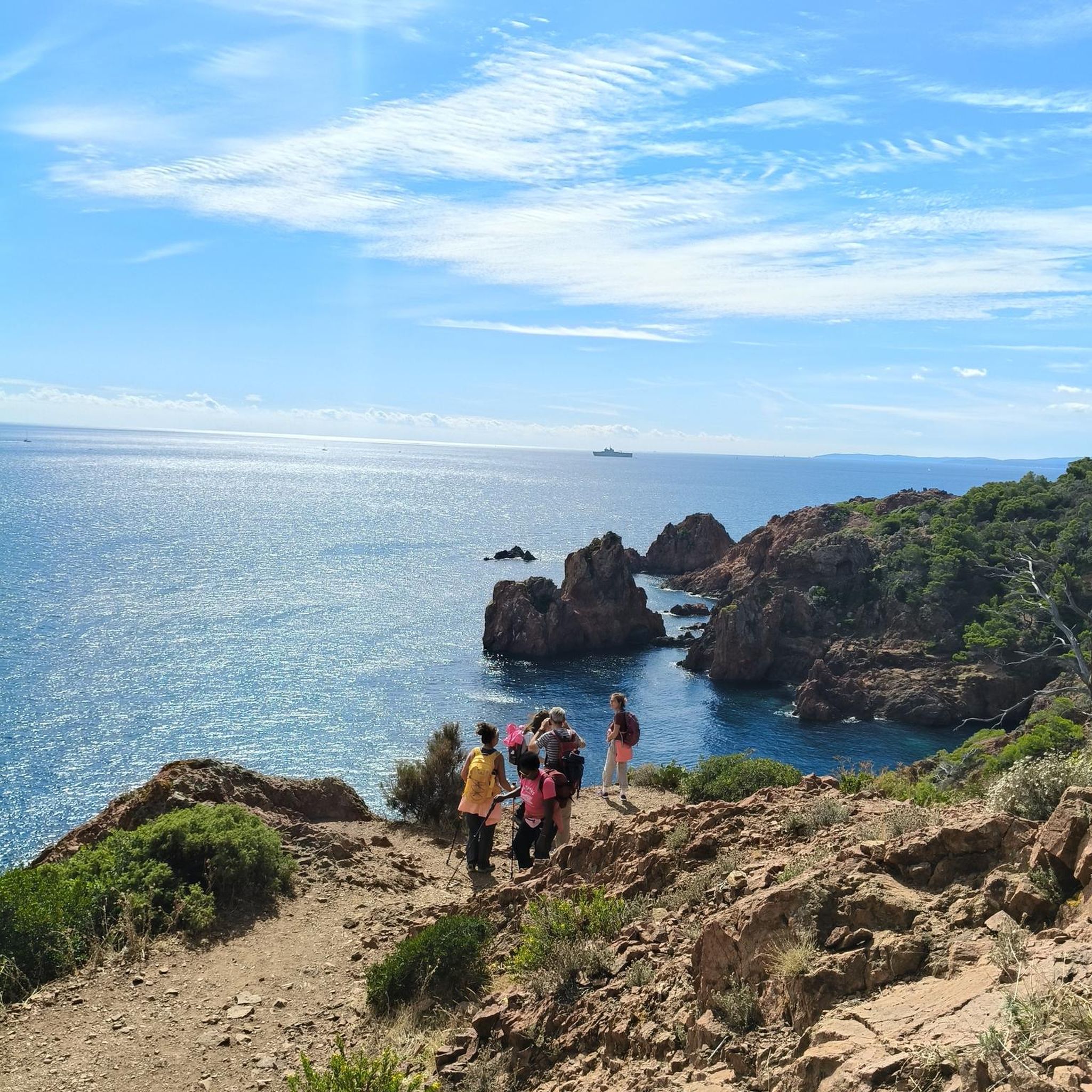
I couldn't resist taking a picture of Montecristo today because the light was so perfect 🤩🤩 By zooming in, you can even see the island of Giglio and the Italian coast. Pretty rare, right? 😎😎😎
0
0
I confirm it's a good alternative to the national road which is very dangerous: bridge and anti-cycling facilities 😩😩😫 Crossed in August and September completely dry🚴♀️🚴🏻♂️🚴♀️🚴🏻♂️
0
0

This church is one of the Baroque buildings found in Corsica. It is recognizable from afar with its distinctive bell tower, visible amidst the natural forest setting of the Costa Verde massif.
0
0
This beautiful trail runs along the coast through a beautiful corridor of boxwood and flowering vegetation. A great section to warm up before tackling the heights of the Costa Verde.
0
0
You have to enlarge the photo and in the mist the islands appear 👍👍👍
0
0
This 6km route allows you to avoid the national road 😁😁😁
0
0

The church was begun at the beginning of the seventeenth century and completed in 1717. In 1740, embellishment works were carried out. The wall paintings were painted by Luigi Pollero in 1810. The main façade consists of two levels delimited by cornices and surmounted by a triangular pediment with three acroteria. On the first level, on either side of the portal, there are two niches that house the statues of Saint Nicholas and Saint Peter. The church ends in a semicircular apse. The bell tower rises at the junction of the apse and the right side façade. It has five floors that end in a dome surmounted by a cross. The interior consists of a nave and five richly decorated side chapels. On either side of the altar there are caryatid angels. Building dating from the first quarter of the 17th century (?), mentioned in the report of the pastoral visit of Msgr. Marliani, Bishop of Mariana and Accia, in 1646. It was restored in 1686 with the collaboration of master masons Lorenzo Chiglione and Giovanni Filippi. Rebuilt in 1717 and 1740. Main door dating from 1766. Painted decoration (investigated in the Palissy database) carried out by the painter Luigi Polleri in 1810, as shown by the date on the inside of the building. Restored in 1896.
1
0
The church was begun at the beginning of the seventeenth century and completed in 1717. In 1740, embellishment works were carried out. The wall paintings were painted by Luigi Pollero in 1810. The main façade consists of two levels delimited by cornices and surmounted by a triangular pediment with three acroteria. On the first level, on either side of the portal, there are two niches that house the statues of Saint Nicholas and Saint Peter. The church ends in a semicircular apse. The bell tower rises at the junction of the apse and the right side façade. It has five floors that end in a dome surmounted by a cross. The interior consists of a nave and five richly decorated side chapels. On either side of the altar there are caryatid angels. Building dating from the first quarter of the 17th century (?), mentioned in the report of the pastoral visit of Msgr. Marliani, Bishop of Mariana and Accia, in 1646. It was restored in 1686 with the collaboration of master masons Lorenzo Chiglione and Giovanni Filippi. Rebuilt in 1717 and 1740. Main door dating from 1766. Painted decoration (investigated in the Palissy database) carried out by the painter Luigi Polleri in 1810, as shown by the date on the inside of the building. Restored in 1896.
1
0
Frequently Asked Questions
How many no-traffic touring cycling routes are available in Santa-Maria-Poggio?
There are 28 dedicated no-traffic touring cycling routes around Santa-Maria-Poggio. These routes offer a mix of easy, moderate, and difficult options, ensuring there's something for every skill level.
Are there any easy, family-friendly no-traffic cycling routes?
Yes, Santa-Maria-Poggio offers several easy, no-traffic routes suitable for families. A great option is the Spassiverde Greenway – Prunete - Caravelle loop from Santa-Maria-Poggio, which covers about 17 kilometers with minimal elevation gain, perfect for a relaxed ride. Another shorter, easy option is the Spassiverde Greenway loop from Prunete, at just over 6 kilometers.
Can I find circular no-traffic touring cycling routes in the area?
Absolutely. Many of the no-traffic routes around Santa-Maria-Poggio are designed as loops, allowing you to start and end at the same point. For example, the Spassiverde Greenway – Prunete - Caravelle loop from Santa-Maria-Poggio is a popular circular option, offering scenic views without retracing your path.
What natural features can I expect to see along these routes?
The region boasts diverse natural beauty. You can encounter stunning waterfalls like the Ucelluline Waterfall, which is part of a challenging loop, or the Bucatoggio Waterfall. The routes also offer views of the coastline, lush valleys, and sometimes even glimpses of the mountainous interior, providing a rich natural experience.
Are there any viewpoints along the no-traffic cycling routes?
Yes, the varied terrain of Santa-Maria-Poggio means many routes offer rewarding viewpoints. For instance, you might discover the Beautiful view below the Pointe de Sambuco, providing panoramic vistas of the landscape and coastline. The region's unique position between sea and mountains ensures plenty of scenic overlooks.
What is the best time of year for no-traffic touring cycling in Santa-Maria-Poggio?
The spring and autumn months are generally ideal for touring cycling in Santa-Maria-Poggio. During these seasons, the weather is typically mild and pleasant, avoiding the intense heat of summer and the cooler, potentially wetter conditions of winter. This allows for comfortable rides through both coastal and inland areas.
Are there any routes that pass by historical or cultural landmarks?
While the focus is on natural beauty and no-traffic paths, some routes may pass near charming villages or offer glimpses of historical sites. The wider region of Corsica is rich in history, and you might encounter traditional villages or architectural elements like the Église Saint-Jean-Baptiste in Santa-Maria-Poggio itself, offering a cultural touch to your ride.
What do other touring cyclists enjoy most about the no-traffic routes in Santa-Maria-Poggio?
The komoot community highly rates the no-traffic touring cycling routes in Santa-Maria-Poggio, with an average score of 4.6 out of 5 stars. Reviewers often praise the tranquility of the paths, the stunning combination of coastal and mountain scenery, and the opportunity to explore Corsica's natural beauty away from vehicle traffic.
Are there any challenging no-traffic routes for experienced cyclists?
Yes, for experienced cyclists seeking a challenge, there are difficult no-traffic routes available. The Fontana – Ucelluline Waterfall loop from Santa-Lucia-di-Moriani is a demanding option, covering nearly 34 kilometers with significant elevation gain, rewarding riders with spectacular views and the impressive Ucelluline Waterfall.
Is public transport available to access these no-traffic cycling routes?
While specific public transport options directly to the start of every no-traffic route might be limited, Corsica is developing its cycling infrastructure. It's advisable to check local bus or train services for connections to towns near your chosen route's starting point. Some services may accommodate bicycles, but this should be confirmed in advance.
Where can I find parking for my car when starting a no-traffic bike tour?
For many routes, you'll find parking available in the nearby villages or designated areas. For example, when starting a route like the Spassiverde Greenway – Prunete - Caravelle loop from Santa-Maria-Poggio, you can typically find parking in Santa-Maria-Poggio or Prunete. Always check local signage for parking regulations and availability.
Most popular routes around Santa-Maria-Poggio
Most popular attractions around Santa-Maria-Poggio

Get inspired with the komoot mobile app


Explore more
Browse the best Cycling routes in other regions.
